





Colonial Indian Rosewood Furniture
Colonial indian rosewood furniture brings heavy architectural carving and dense dark timbers from the subcontinent into nineteenth-century British interiors.
Colonial Indian Rosewood Furniture
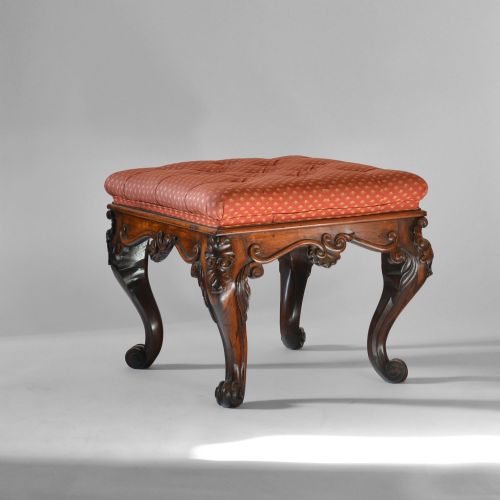
Colonial indian rosewood furniture encompasses a distinct group of seating, tables and storage pieces built during the nineteenth century under British influence. These items bridge two design traditions, marrying heavy European forms with intricate Indian carving techniques and native timbers.
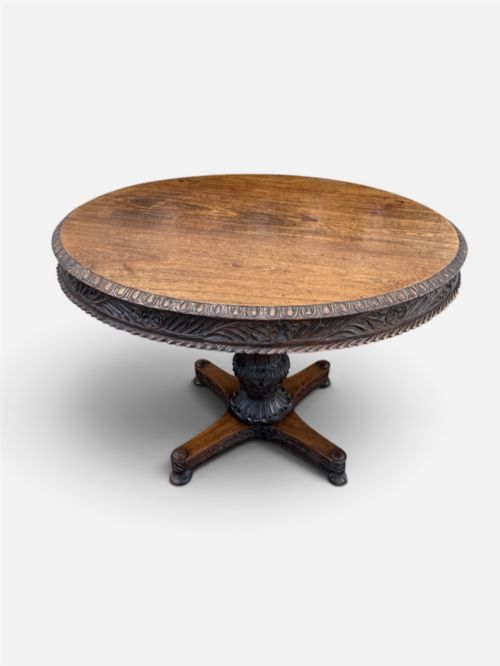
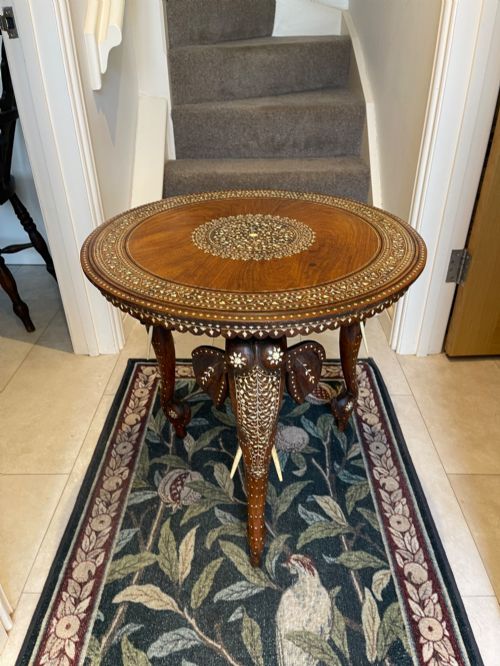
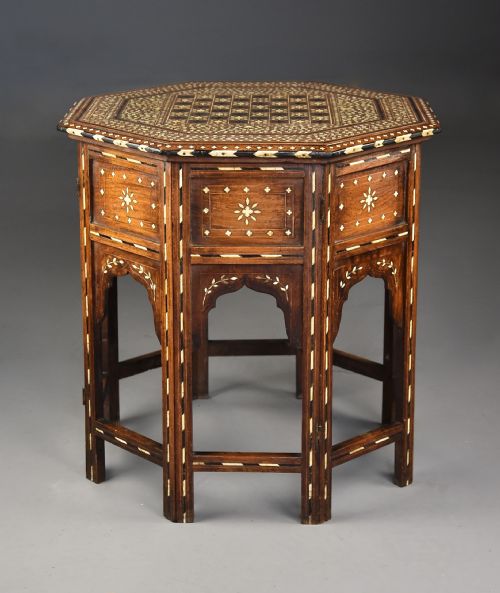
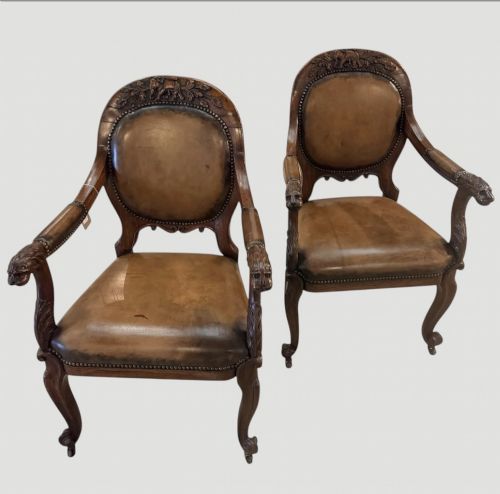
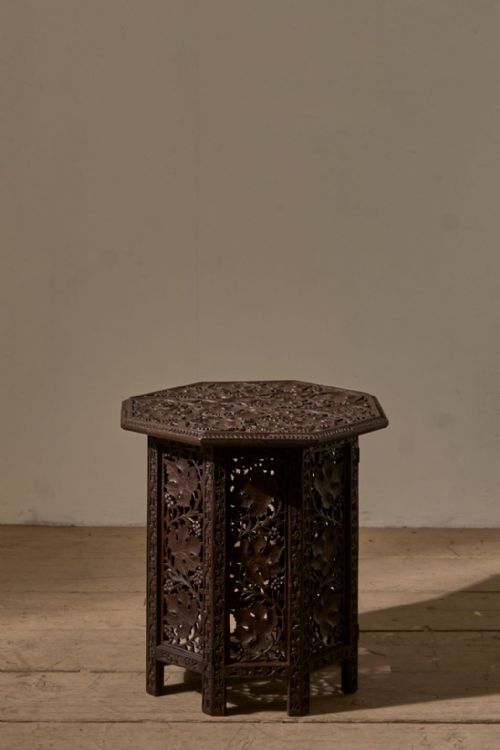
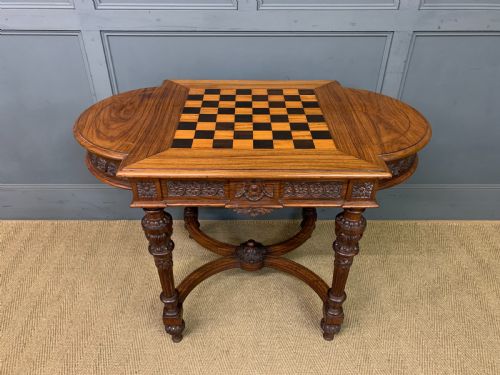
Occasional tables and centre tables dominate the selection, often featuring octagonal tops and complex pedestal bases. Alongside these smaller surfaces, buyers encounter armchairs, sideboards, cabinets and desks shaped by regional workshops across the Indian subcontinent.
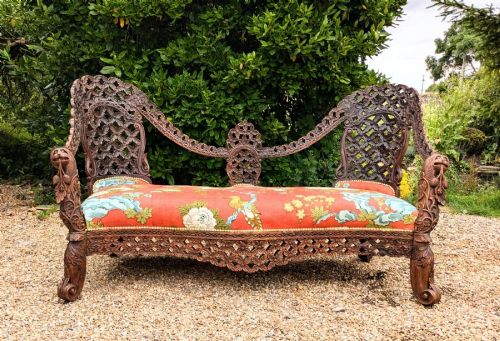
The aesthetic leans heavily toward Anglo-Indian styles, incorporating regional variations such as Bombay sofas and Hoshiarpur occasional tables. Most examples date from the Victorian era and the decades immediately preceding it.
Construction and Materials
Makers relied primarily on dense tropical timbers such as rosewood, padauk and teak to construct these substantial frames. These heavy woods provided a stable base for deep relief carving and complex turned components.
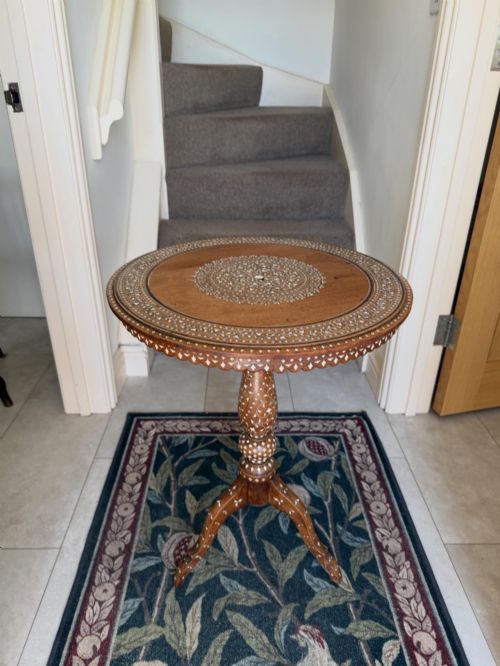
Surface enrichment relied on contrasting materials embedded directly into the dark timber ground. Artisans utilised bone inlay, mother of pearl and ebony to create intricate geometric and floral patterns across table tops and cabinet fronts.
Structural elements frequently incorporated cane seating and turned brass fittings alongside traditional joinery. Campaign chests introduced modular practicality, while specific items integrated fabric upholstery for seating comfort.
Materials recorded across the inventory include solid rosewood, teak, padauk, ebony, bone inlay, mother of pearl, cane, fabric and brass hardware.
Judging Quality
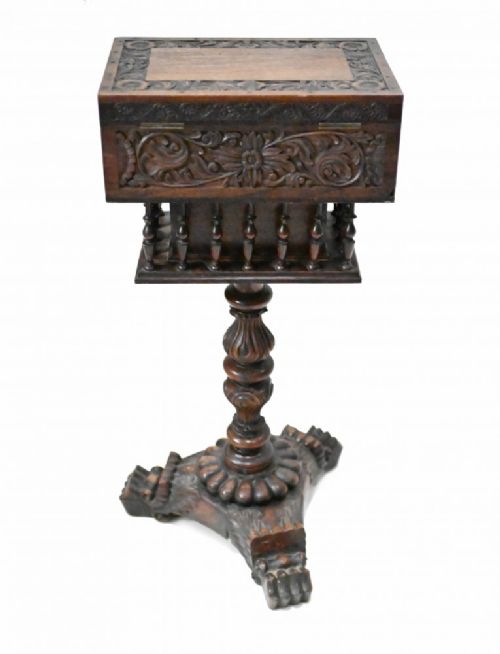
Depth and crispness of the hand carving separate standard production from superior craftsmanship. The finest pieces display sharp undercut foliage and figures that maintain clean edges across complex surfaces.
The integrity of the timber ground and the precision of the inlay work dictate overall merit. High-grade examples integrate bone or mother of pearl with tight joints that remain flush with the surrounding rosewood.
Proportion and structural balance govern the desirability of larger items like cabinets and desks. Superior pieces maintain harmonious lines despite heavy surface ornamentation and dense decorative programmes.
The Colonial Indian Rosewood Furniture Glossary
- Hoshiarpur
- A style of woodwork originating from Punjab, characterised by dense geometric inlay in bone or brass on rosewood or shisham frames. These pieces frequently take octagonal or folding forms.
- Teapoy
- A small occasional table, originally designed in India for holding tea equipment before evolving into a general-purpose stand. They often feature carved pedestals and lidded compartments.
- Planters Chair
- A characteristic seating form featuring extremely broad, extended arms designed for resting legs, common in colonial domestic settings. They frequently utilise cane panels to aid ventilation in warm climates.
- Padauk
- A heavy, durable tropical hardwood with a reddish-brown hue that darkens with age, frequently utilised alongside rosewood in colonial cabinet making. It accepts fine carving without splintering.
- Campaign Chest
- Modular storage furniture constructed in separate sections with recessed brass handles and corner brackets designed for military transport. These pieces break down into portable units for travel.
Colonial Indian Rosewood Furniture: Frequently Asked Questions
How do I identify Hoshiarpur pieces?
Hoshiarpur pieces are defined by their all-over geometric inlay work, typically constructed using small pieces of bone set into a dark wood ground. They frequently take the form of octagonal tables with folding or removable bases.
The surface decoration usually covers every available square inch with intricate interlocking patterns, occasionally incorporating animal motifs such as elephants or peacocks.
Were these pieces made in Britain or India?
These items were manufactured in workshops across the Indian subcontinent, specifically tailored for British residents living abroad or for export to the home market. The construction combines British furniture forms with native Indian woodworking traditions.
Regional centres developed distinct characteristics, such as the heavy carving associated with Bombay production or the intricate inlay work from northern regions.
How do I care for rosewood and inlaid surfaces?
Rosewood requires stable humidity levels and protection from direct sunlight to prevent the dense timber from drying out and splitting. Dusting with a dry, soft cloth is sufficient for daily maintenance.
Inlaid surfaces require particular care around bone or mother of pearl elements to avoid moisture damage. Avoid harsh liquid polishes that can seep into the fine gaps between the inlay and the wood ground.
What is the difference between padauk and rosewood?
Padauk possesses a distinct reddish-orange tone when freshly cut that deepens to a rich brown over time, while rosewood tends toward deeper purple-brown shades with darker grain figuring. Both are exceptionally dense tropical hardwoods capable of holding sharp carved details.
Cabinet makers often utilised these timbers interchangeably depending on regional availability and the specific requirements of the commission.