



Vintage Anglo Indian Desk
These vintage anglo indian desk pieces combine British colonial forms with traditional craftsmanship, bringing striking carved hardwoods and intricate lacquer to a study.
Vintage Anglo Indian Desk
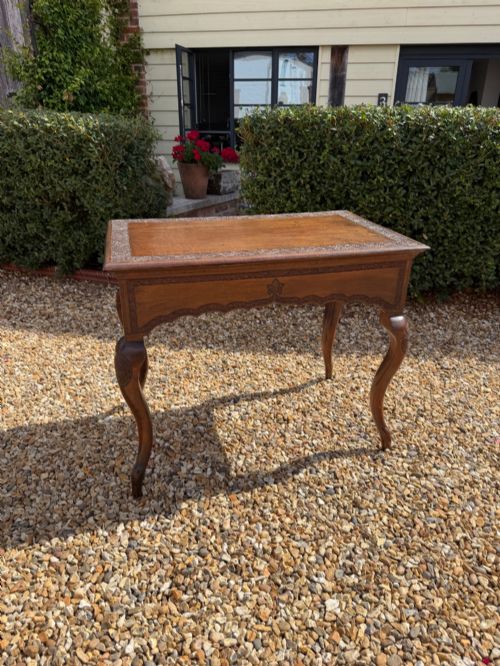
A vintage anglo indian desk brings together the sturdy utility of nineteenth and early twentieth century British colonial forms with traditional local craftsmanship. When exploring this selection, buyers encounter functional writing surfaces, partners desks, bureau desks, and campaign furniture alongside smaller accessories.
The objects span the nineteenth century through the 1930s, reflecting Victorian and later colonial eras. Alongside writing furniture, the selection encompasses related study items such as writing boxes, writing slopes, ink stands, and desk sets.
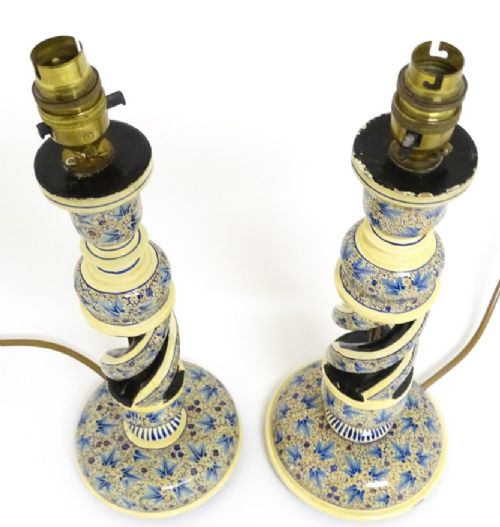
Most entries originate from distinct regional traditions, including Kashmiri painted pieces and denser hardwood items associated with the Raj period. These furnishings suit studies and libraries seeking distinctive historical character and tactile materials.
What varies in quality
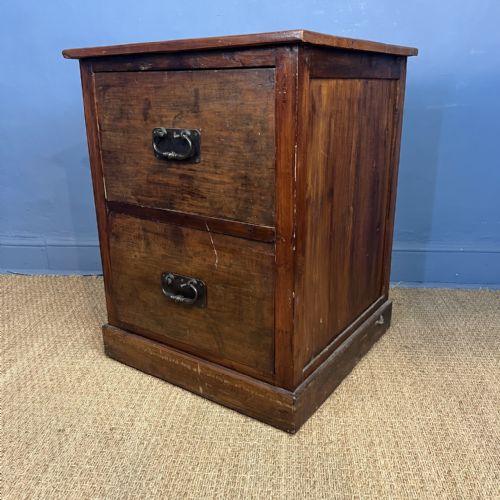
Quality rests in the precision of the joinery and the depth of the carving, distinguishing utilitarian garrison pieces from highly ornate parlour furnishings. Crisp, undercut foliage and firmly set bone or brass elements show superior workshop execution.
The integrity of the timber and the preservation of original hand-painted surfaces determine the distinction between ordinary and exceptional examples. Uniform polish and well-maintained lacquer distinguish pieces that retain their original decorative impact.
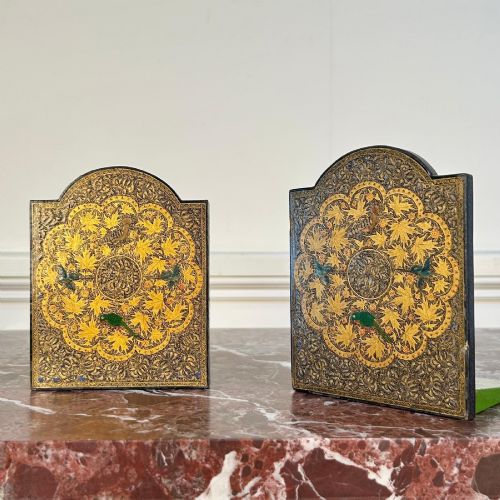
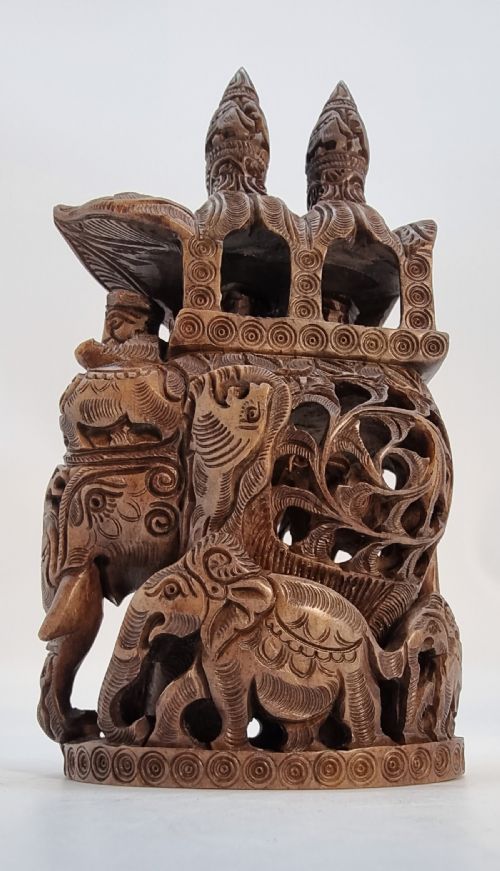
Several items capture the menagerie of the Raj with hand-carved performing elephants and ceremonial animal bookends.
The Vintage Anglo Indian Desk Glossary
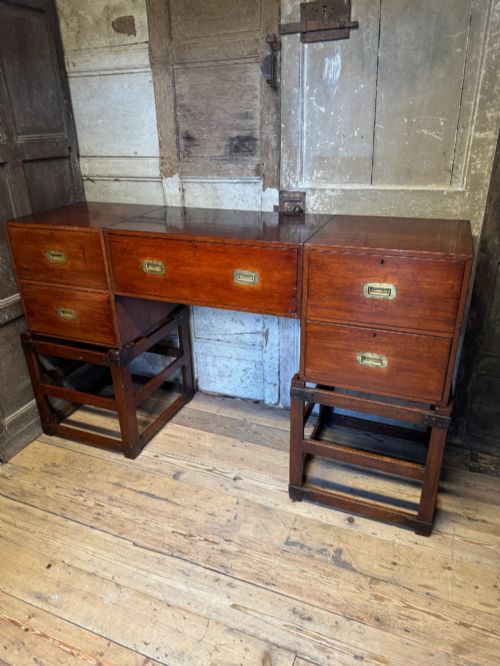
- Campaign furniture
- Portable furnishings constructed in sections with recessed brass handles, designed to be packed down for military transport during the colonial era.
- Writing slope
- A portable box with a slanted lid that opens to reveal a writing surface, inkwells, and storage compartments for stationery.
- Papier-mâché
- A composite material made of paper pulp reinforced with glue, moulded and hand-painted in vibrant Kashmiri decorative schemes.
- Padouk
- A heavy, durable tropical hardwood with a distinctive reddish-brown tone, commonly utilised in nineteenth century colonial cabinetry.
- Partners desk
- A large double-sided pedestal desk built with drawers and cupboards on both faces, allowing two people to work opposite one another.
Vintage Anglo Indian Desk: Frequently Asked Questions
What is an anglo indian desk?
An anglo indian desk is a piece of furniture made during the colonial period that fuses British functional forms with traditional Indian craftsmanship and materials.
These pieces typically utilise dense tropical hardwoods and feature elaborate hand carving, brass mounts, or inlaid bone details.
How do I identify campaign furniture?
Campaign furniture is identifiable by its modular construction, allowing heavy items like chests and desks to separate into two or more portable sections for travel.
Such items also incorporate flush brass handles and corner brackets to protect the timber during transit.
What materials were used?
Maker workshops utilised heavy tropical timbers such as teak, padouk, ebony, walnut, and coromandel, often accented with brass, bone, or soapstone.
Kashmiri items frequently employ papier-mâché or walnut decorated with intricate hand-painted motifs.
How do I style a desk?
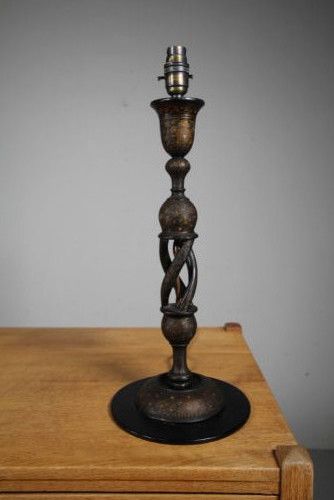
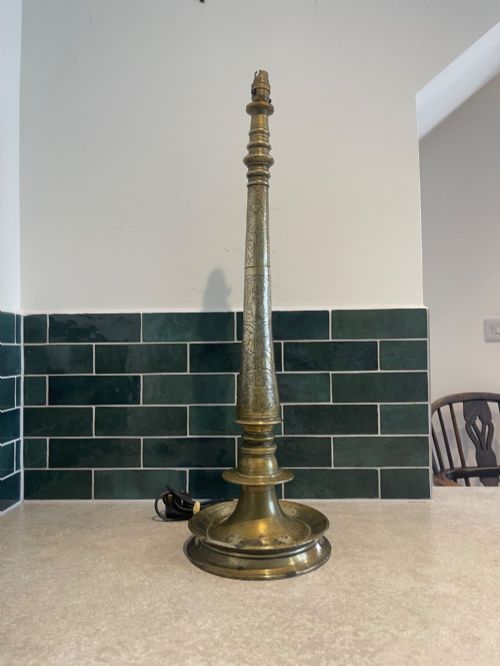
A colonial desk pairs effectively with traditional leather seating, brass task lighting, and complementary timber accessories like carved bookends or stationery boxes.
Its dark woods and intricate carvings stand out best against neutral walls in a study or home library.