

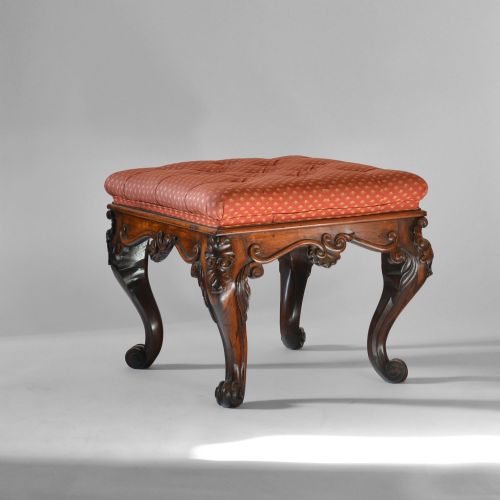
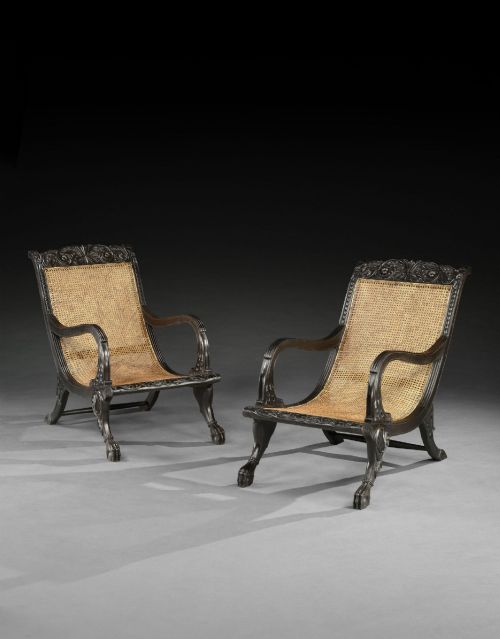
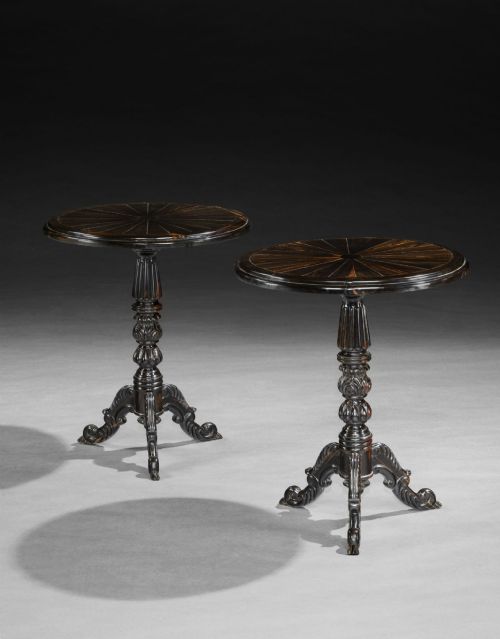
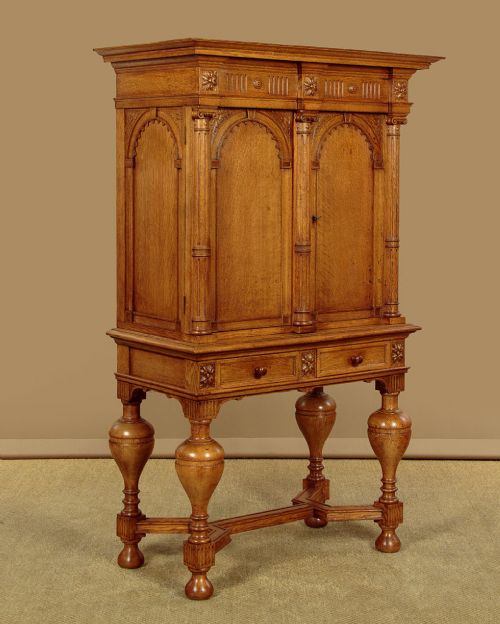
Colonial Carved Furniture
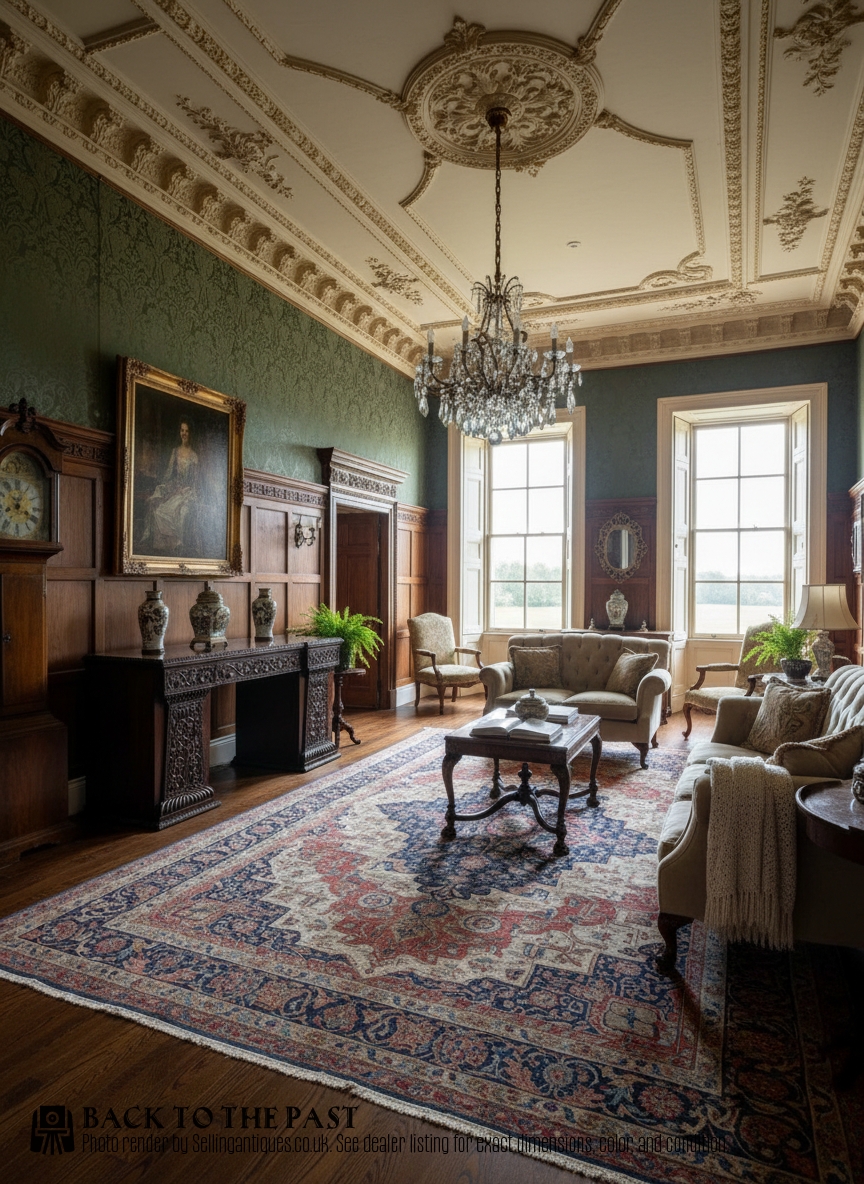
Colonial carved furniture brings together robust timbers and intricate traditional motifs crafted for European settlement overseas.
Colonial Carved Furniture
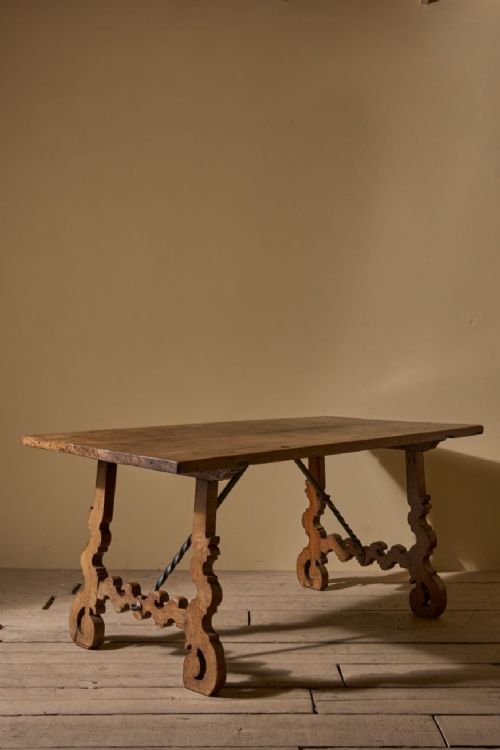
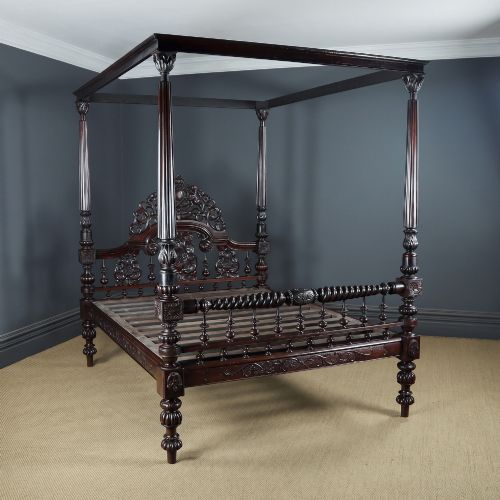
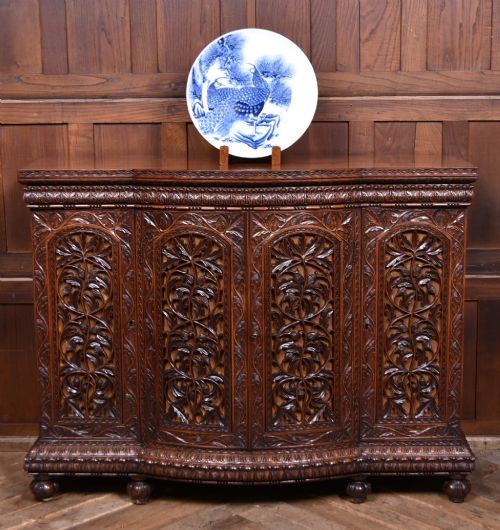
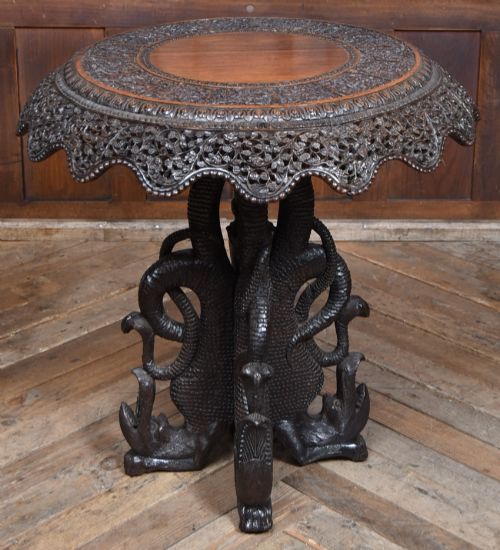
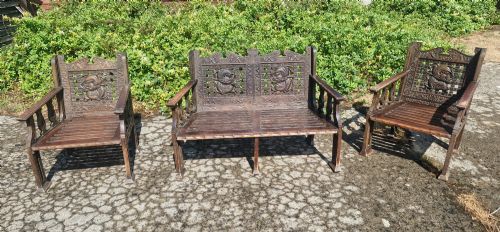
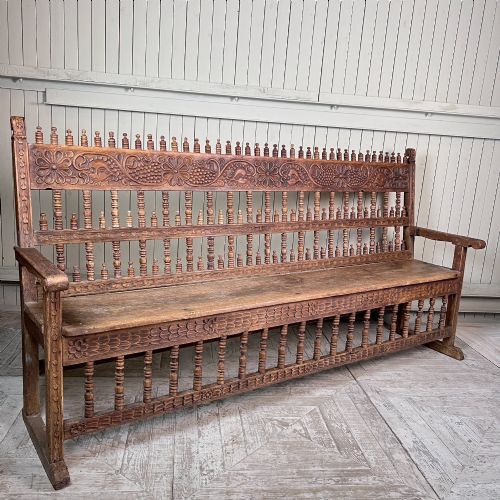
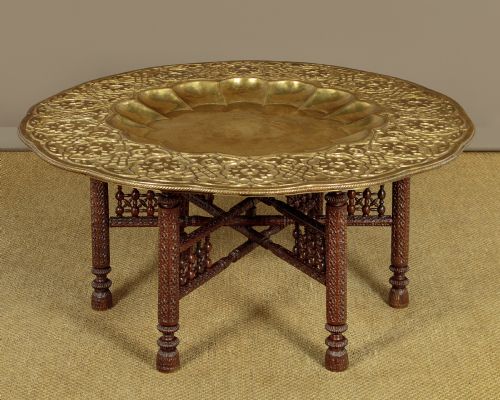
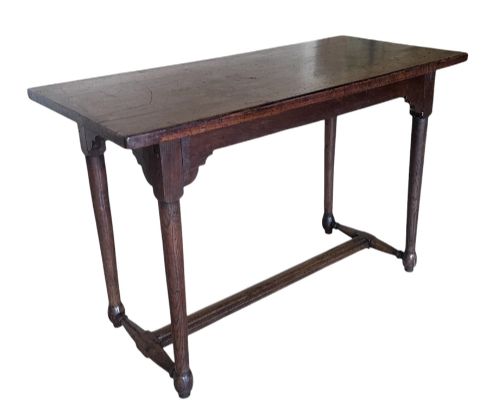
Colonial carved furniture encompasses items produced under European influence in regions such as India, Ceylon, Burma, and Spanish territories during the eighteenth and nineteenth centuries. Buyers searching for colonial carved furniture encounter a range of domestic forms, including side tables, armchairs, cabinets, and four poster beds.
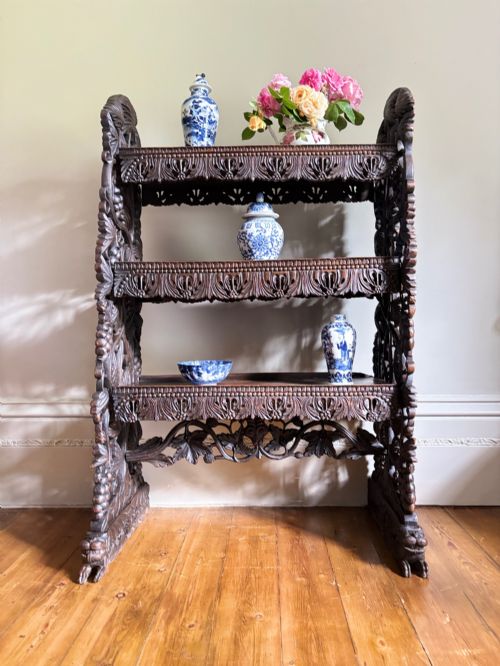
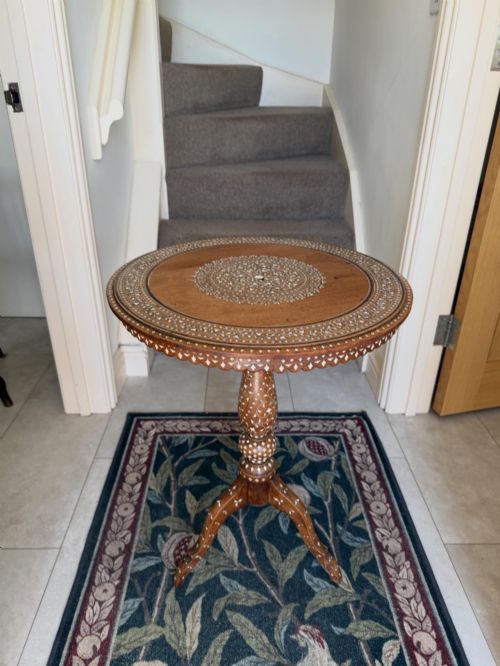
The objects combine European forms with local craftsmanship, utilising dense tropical hardwoods carved deeply with floral, foliate, and zoomorphic designs. Anglo-Indian and Ceylonese pieces dominate the selection, often displaying intricate relief work reflecting regional traditions.
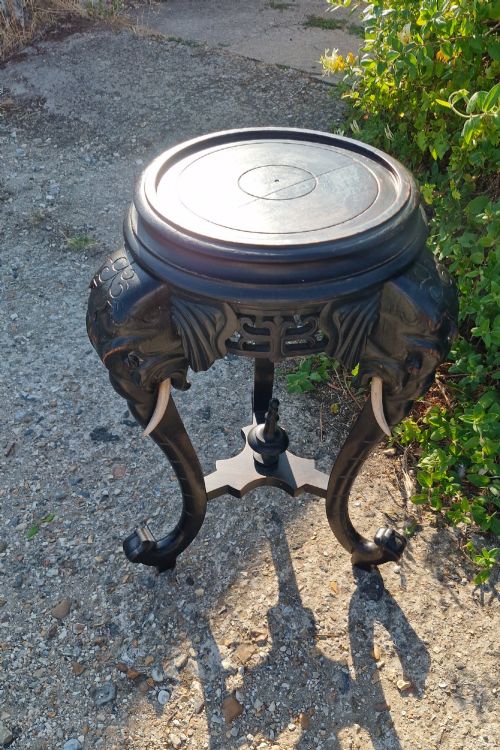
Forms vary from sturdy utility pieces like sideboards and chests of drawers to decorative occasional tables and elephant tables incorporating painted wooden tusks. These items served administrative and domestic roles in colonial households, adapting European furniture types to tropical climates.
How they were made
Makers utilised dense exotic timbers such as padauk, rosewood, teak, ebony, and satinwood, which resisted humidity and supported deep chisel work. These heavy woods formed the solid carcasses for chests, tables, and seating.
Craftsmen decorated surfaces using intricate hand-carved relief, piercing, and inlay work, incorporating brass or bone elements into the dark timber grounds. Joints were constructed using traditional joinery methods suited to the movement of solid hardwoods.
Listings feature items from the eighteenth, nineteenth, and early twentieth centuries, spanning the Georgian, Victorian, and Edwardian eras.
What varies in quality
Quality depends on the depth and crispness of the carving, distinguishing sharply between fluid, deeply undercut foliage and flat, mechanical chip-carving. The choice of timber also dictates grade, with dense solid ebony, satinwood, and figured padauk commanding greater presence than ordinary mixed hardwoods.
Proportion and structural integrity separate standard utility pieces from exceptional commissions, particularly where European furniture shapes meet intricate local ornamental vocabularies. The integration of secondary materials such as bone inlay or brass accents adds further distinction to the best examples.
The Colonial Carved Furniture Glossary
- Padauk
- A heavy, durable reddish-brown tropical timber frequently utilised for nineteenth-century Anglo-Indian tables and cabinets.
- Hoshiarpur
- A style of decorative inlay work originating from Punjab, employing intricate geometric patterns of brass and shisham wood.
- Teapoy
- A small occasional table or stand traditionally used in India for holding tea equipment.
- Bombe
- A swelling, convex furniture profile seen on Dutch colonial chests of drawers.
- Cane
- Woven rattan material utilised for the seats and backs of armchairs and colonial seating.
Colonial Carved Furniture: Frequently Asked Questions
Where was colonial furniture made?
Production occurred across European trading outposts and settlements, predominantly in the Indian subcontinent, Ceylon, Burma, and Dutch or Spanish territories.
Local workshops adapted domestic European forms to suit regional timber supplies and decorative traditions.
What woods are typical?
Carpenters utilised dense tropical hardwoods that withstood local climates and supported deep relief carving.
Padauk, rosewood, teak, ebony, and satinwood appear frequently across the surviving pieces.
How do I date these pieces?
Dating relies on architectural form, joinery methods, and stylistic influences linking the item to specific periods such as the Regency era or late Victorian decades.
Makers often combined indigenous carving styles with European furniture patterns of the eighteenth and nineteenth centuries.
How do I care for padauk and rosewood?
Tropical hardwoods require stable indoor humidity to prevent splitting in solid timber surfaces.
Gentle cleaning with a soft cloth preserves the original polish without stripping natural oils from the wood.