





Anglo Indian Carved Cabinet
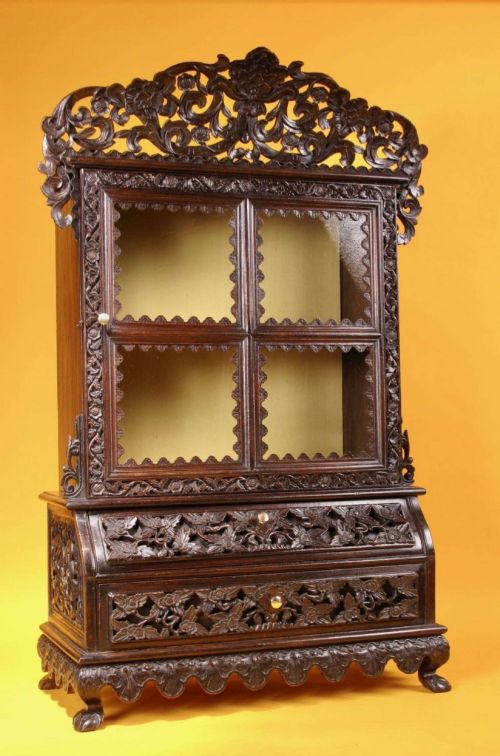
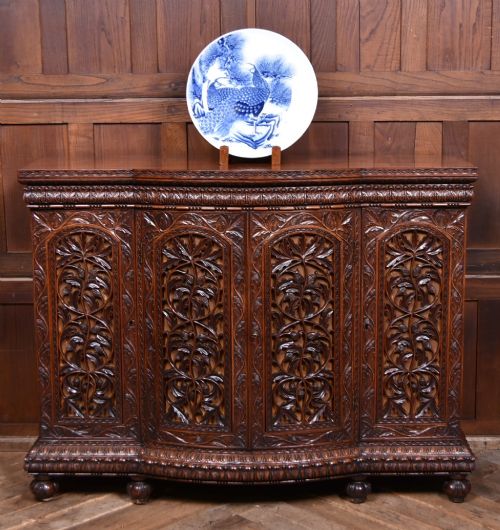
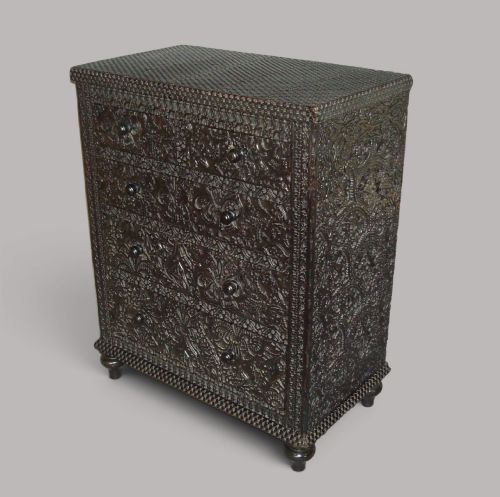
These heavy timbers and deep foliage reliefs are an anglo indian carved cabinet, built for colonial homes and prized for dense wood and intricate relief.
Anglo Indian Carved Cabinet
An anglo indian carved cabinet brings together British furniture forms of the nineteenth century and the deep relief carving traditions of the subcontinent. When you examine these pieces, you encounter storage furniture ranging from small desktop smokers cabinets and miniature linen presses to large sideboards, bookcases, and display cabinets.
The pieces on this page stem predominantly from the nineteenth century, including Victorian examples and specific decades such as eighteen eighty, alongside occasional later items up to nineteen twenty. You will frequently meet side cabinets and corner cupboards alongside bureau desks and tall chests.
Makers adapted traditional local forms like veranda gin cabinets and specimen chests to suit British domestic tastes. The resulting items combine familiar European shelving and door arrangements with dense, hand-chiselled surface ornament.
How they were made
Workshops relied heavily on dense tropical hardwoods, chiefly padouk, teak, rosewood, and satinwood, occasionally utilising cedar, elm, or ebonised timber. These heavy woods provided the stable foundation necessary for deep, undercut relief carving that would splinter in softer timbers.
Craftsmen carved directly into the solid wood rather than applying surface veneers, cutting scrollwork, foliage, and figural scenes straight into the carcase. Glass panels, brass hardware, and interior shelving completed structures built to withstand humid climates and heavy daily use.
Anglo Indian Carved Cabinet Retail Price Guide 2026
Typical asking prices for anglo indian carved cabinet among the pieces listed under this phrase on Sellingantiques today, from the lower quarter to the upper quarter. They describe what is for sale here now, not the wider market.
What varies in quality
Quality rests in the crispness and depth of the chisel work across the doors and pediments, separating hurried commercial production from master workshops. Superior items exhibit sharp undercutting and well-proportioned figures, whereas lesser pieces display shallow, repetitive stamping.
The choice of primary timber also dictates the tier of the piece, with dense padouk and figured satinwood commanding greater respect than utilitarian hardwoods. Joinery integrity within internal drawers and heavy cornices further distinguishes standard utility cabinets from fine collector pieces.
The Anglo Indian Carved Cabinet Glossary
- Padouk
- A heavy, durable tropical hardwood with a reddish brown colour that darkens with age. It forms the primary material for many high-grade nineteenth-century pieces.
- Breakfront
- A cabinet design where the central section projects forward from the side wings. This architectural arrangement adds depth and shadow to the carved facade.
- Linen press
- A tall storage cupboard originally designed for folded textiles, typically featuring sliding trays enclosed by upper doors above a chest of drawers. Miniature versions appear in colonial work.
- Pediment
- The decorative triangular or arched structure surmounting the top of a cabinet or bookcase. In these pieces, pediments often carry elaborate temple carvings and figural motifs.
- Chiffonier
- A small sideboard or low cabinet equipped with shelves or drawers, popular during the Victorian period. They often incorporate glazed doors for displaying porcelain.
Anglo Indian Carved Cabinet: Frequently Asked Questions
What rooms suit an anglo indian carved cabinet?
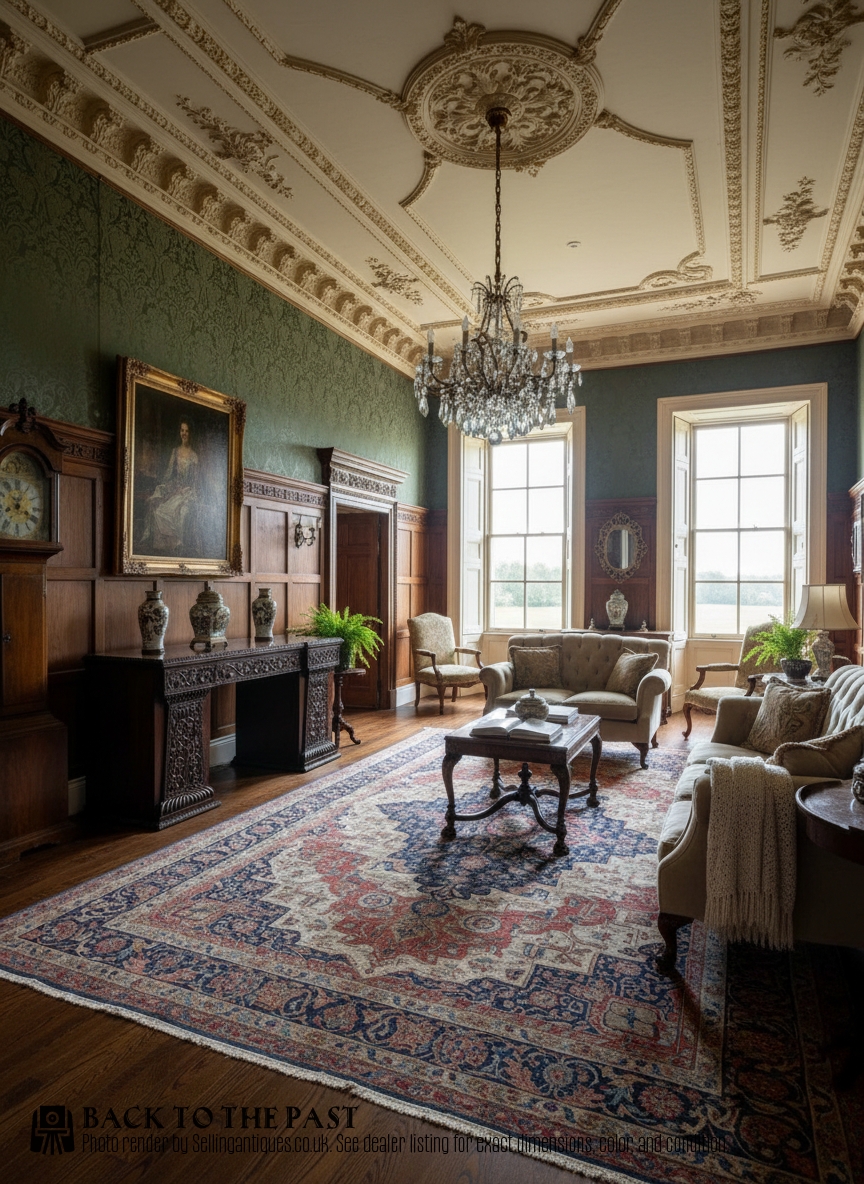
These dark timber cabinets anchor high-ceilinged reception rooms, libraries, or hallways where their dense proportions balance substantial spaces. They provide sturdy storage for books, glassware, or tableware while introducing strong visual texture.
Smaller formats such as desktop cabinets, corner cupboards, or miniature presses adapt easily to compact studies or bedrooms. Their rich grain and deep relief work well against neutral wall colours.
How do I care for padouk and satinwood?
Maintain these tropical hardwoods by dusting with a dry, soft cloth and avoiding silicone-based polishes that build up over time. Natural wax applied sparingly preserves the sheen of the timber without darkening the carved recesses.
Keep pieces away from direct heat sources and strong sunlight to prevent the timber from splitting. Stable room humidity protects both the solid wood carcase and the intricate relief carvings.
Were these cabinets made for export?
Many of these pieces were constructed during the nineteenth century specifically for British colonial administrators and the export market to Europe. Workshops combined traditional local joinery with familiar European furniture shapes like sideboards and bookcases.
Exhibitions in Britain during the Victorian era further stimulated demand for heavily carved colonial furniture. This trade resulted in durable items built to endure transit and varied climates.