


19th Century Buffet Cabinet
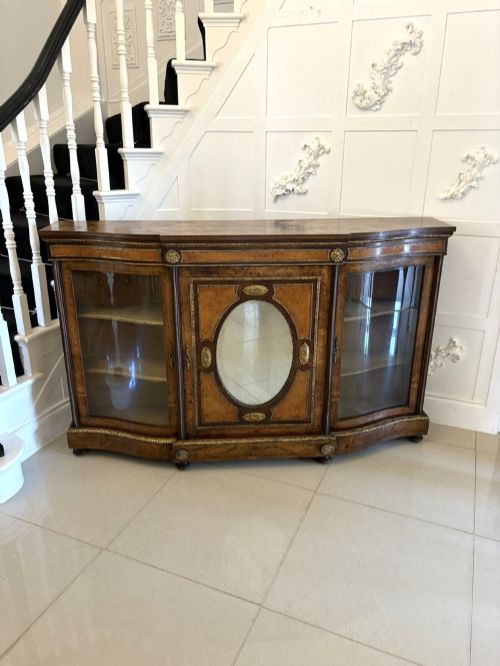
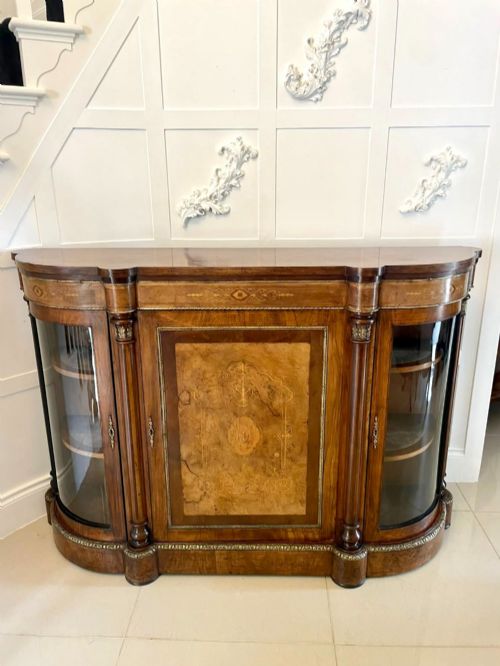
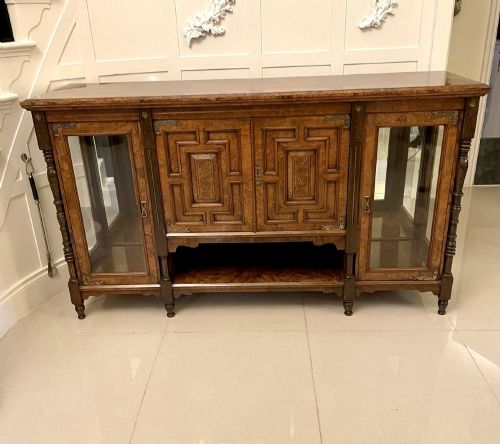
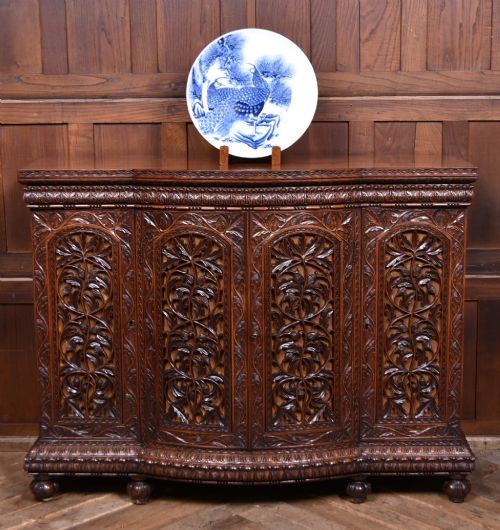
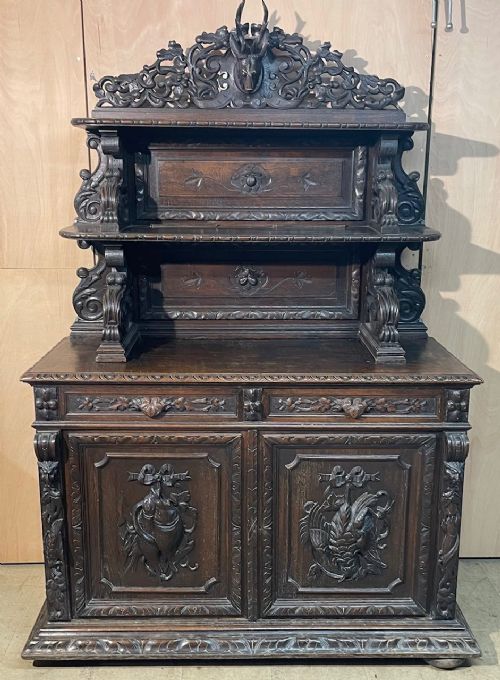
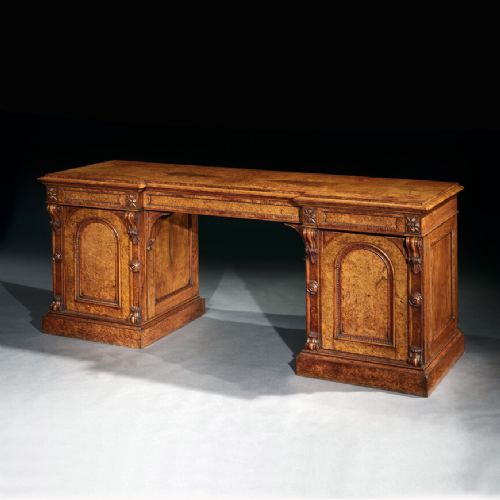
A 19th century buffet cabinet offers substantial storage and serious timber presence, bringing utility and rich grain to a dining room or hall.
19th Century Buffet Cabinet
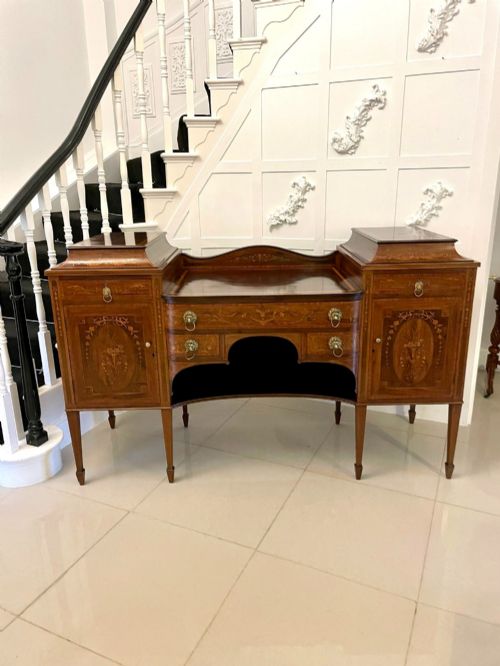
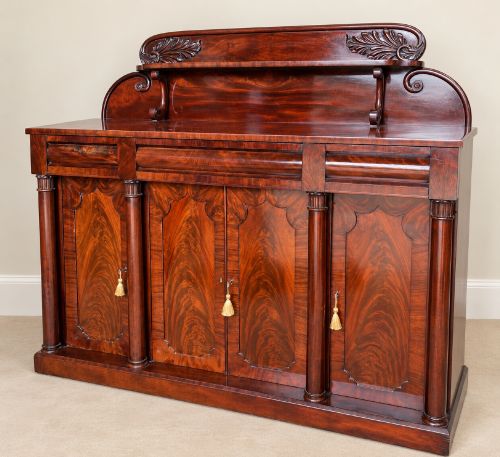
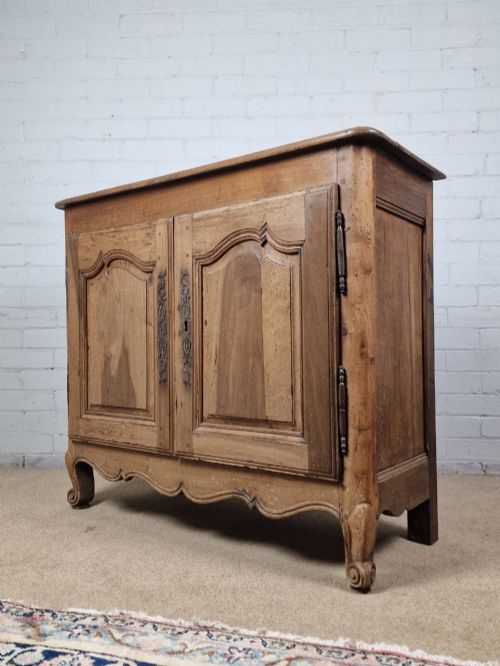
When you search for a 19th century buffet cabinet, you encounter a robust mix of heavy storage furniture designed for dining rooms and living spaces. The pieces appearing here span the 19th century, drawing heavily on Victorian and Regency periods alongside French provincial styles.
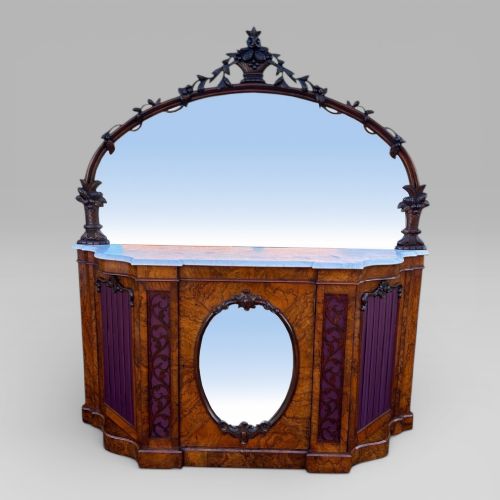
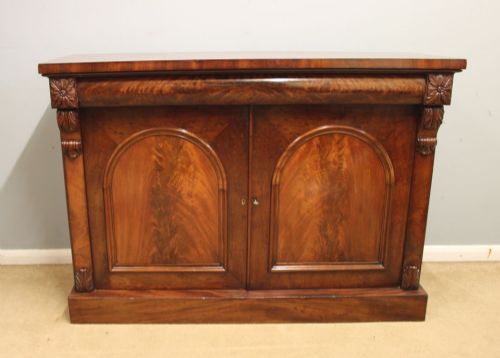
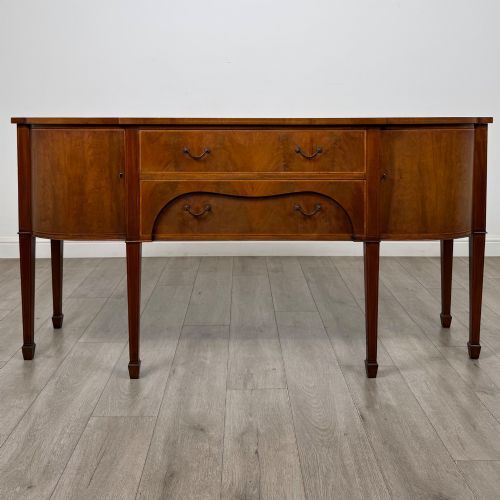
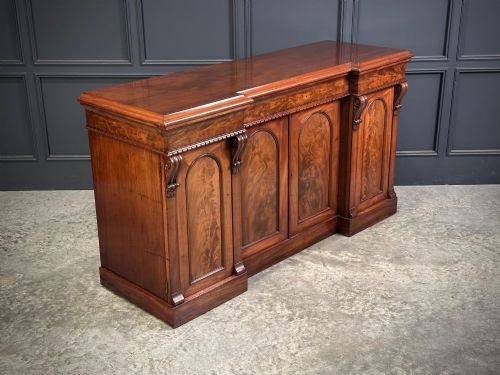
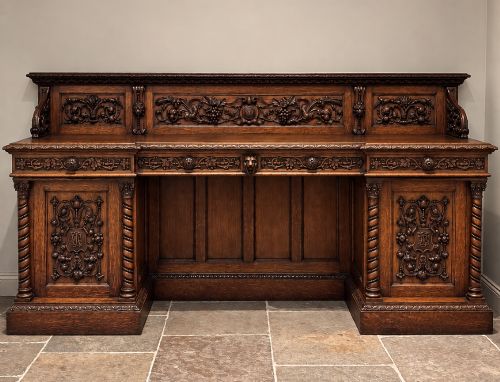
You are most likely to meet mahogany and oak sideboards, credenzas, and chiffoniers alongside walnut and fruitwood cupboards. These forms range from bow-front sideboards to tall dressers and glazed cabinets, reflecting the diverse domestic storage needs of the period.
Materials and Construction
Cabinet makers relied primarily on solid and veneered timbers including mahogany, burr walnut, oak, rosewood, and pine. Woods were selected for pronounced grain patterns such as flame mahogany and burr walnut, often laid out in symmetrical marquetry or inlay.
Structural embellishments integrate brass mounts, ormolu, carved mirror backs, and inset marble tops. French pieces often utilise solid cherry wood and fruitwood, hand-carved with traditional motifs.
French tramp art makes an appearance, proving that nineteenth century folk artists could carve impressive buffet tables from humble scrap wood.
Assessing the Standard
Quality rests upon the selection of timber veneers and the crispness of the hand carving. Pieces utilising burr walnut with fine marquetry or solid pollard oak represent a higher tier of workshop production.
Construction detail separates standard items from exceptional ones, particularly the weight of the timber, the integration of marble tops, and the precision of brass or ormolu mounts.
Hewetsons London
The 19th Century Buffet Cabinet Glossary
- Buffet cabinet
- A low dining room storage piece intended for serving food and holding tableware. It sits closely with sideboards and servers.
- Credenza
- A low cabinet, frequently fitted with glass doors and ormolu mounts, originating in Italy and popular in Victorian drawing rooms.
- Chiffonier
- A compact sideboard equipped with enclosed shelving below and often a small shelf with a mirror or upstand above.
- Marquetry
- Decorative veneer patterns assembled from thin slices of wood to form intricate geometric or floral designs on the surface.
- Ormolu
- Gilded bronze mounts applied to cabinet doors and corners, adding metallic contrast to dark woods like walnut and mahogany.
19th Century Buffet Cabinet: Frequently Asked Questions
What is a 19th century buffet cabinet used for?
These cabinets served primarily in dining rooms to store heavy crockery, glassware, and silver. They also provided a flat surface for serving food during meals.
Today, they function well in dining spaces, hallways, or living rooms as heavy storage units that anchor a room.
How do I identify a Victorian sideboard?
Victorian pieces often display dark, dense timbers like mahogany or burr walnut, sometimes paired with heavy carved oak or mirror backs. They tend to feature substantial proportions and ornate decorative details.
Stylistic markers range from restrained classical revival lines to heavily carved panels and glazed credenza doors.
Are French buffets different from English ones?
French provincial buffet cabinets typically utilise oak, cherry wood, or fruitwood. They often feature regional hand-carved panels rather than the veneer work common in English Victorian pieces.
English examples lean towards formal mahogany and walnut with precise inlay, whereas French pieces emphasise rustic or carved solid wood construction.
Where should I place a large wooden cabinet?
These substantial pieces require solid wall space and a room capable of handling heavy timber furniture. Dining rooms and large hallways remain the traditional locations for their proportions.
Ensure you measure both floor space and ceiling height, as many 19th century pieces include tall mirror backs or upper cupboards.