




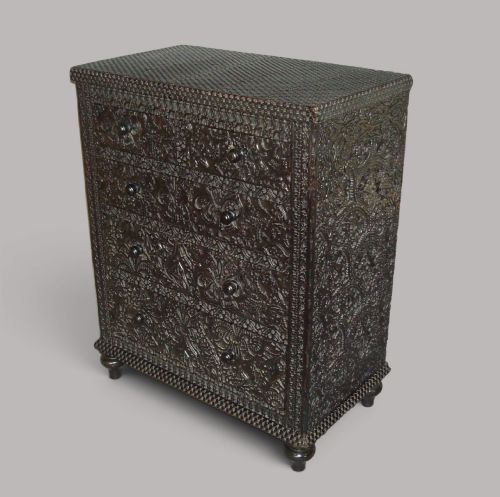


Antique Indian Hardwood Cabinet
An antique indian hardwood cabinet brings heavy timber, deep carving, and colonial scale straight into a modern room.
Antique Indian Hardwood Cabinet
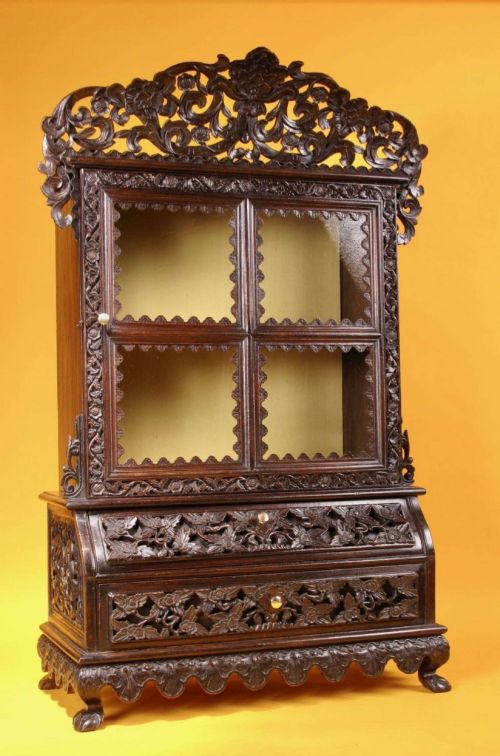
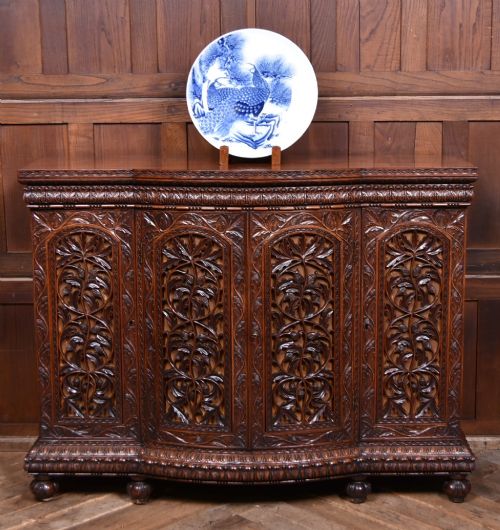
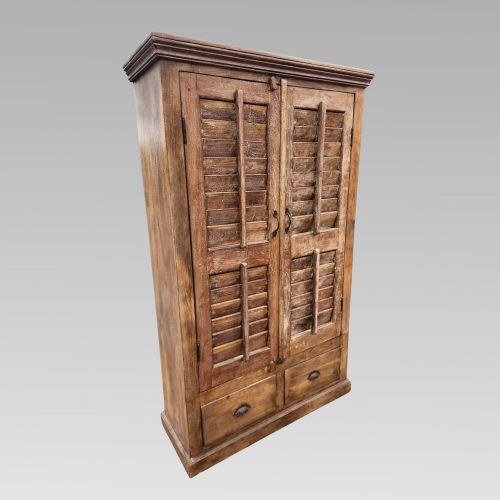
An antique indian hardwood cabinet encompasses substantial sideboards, cupboards, collector chests, and bureau desks created during the nineteenth century and the Victorian era. These pieces frequently carry Anglo-Indian, Anglo-Burmese, and Victorian Gothic Revival styling, reflecting distinct periods of cross-cultural design.
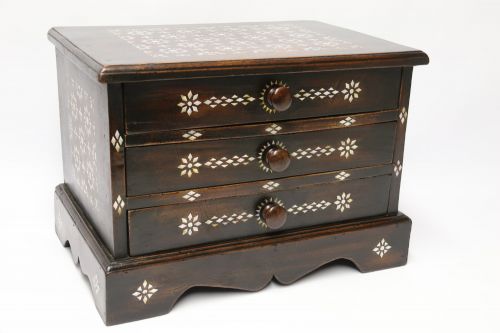
The version most commonly met on this page is the nineteenth-century padouk sideboard or carved cabinet, often exhibiting dense regional craftsmanship. Buyers encounter forms ranging from glazed cupboards and specimen chests to small ebonised chests of drawers.
Originating largely from the nineteenth century, including specific dates around eighteen-eighty and nineteen-twenty, these items combine utilitarian storage with elaborate decorative surfaces. They serve as focal points in a room due to their dark timber and sculptural relief.
How they were made
Workshops utilise dense tropical timbers such as teak, padouk wood, rosewood, and general hardwood, chosen for their weight and stability. These woods are frequently paired with bone inlay or glass panels to create contrast across doors and drawer fronts.
Construction relies on deep hand-carving techniques, particularly in Anglo-Indian and Burmese traditions, where floral and geometric motifs emerge directly from the solid timber. Ebonising is also applied to select surfaces to mimic more costly ebony finishes.
Antique Indian Hardwood Cabinet Retail Price Guide 2026
Typical asking prices for indian hardwood cabinet among the pieces listed under this phrase on Sellingantiques today, from the lower quarter to the upper quarter. They describe what is for sale here now, not the wider market.
Specimen chests tucked inside these cabinets once held everything from beetle wings to geological fragments.
What varies in quality
The depth and clarity of the hand-carving set finer examples apart from simpler utilitarian pieces, as skilled artisans achieved crisper undercut foliage and more animated figures. Timber selection also dictates grade, with richly figured padouk and rosewood commanding greater visual presence than plain utility hardwoods.
Structural integrity depends on the preservation of original joints and the stability of dense timbers across changing climates. Pieces retaining original glass, bone inlay, and fitted interior drawers demonstrate a higher degree of original craftsmanship.
The Antique Indian Hardwood Cabinet Glossary
- Padouk
- A heavy, durable tropical hardwood with a reddish hue that darkens with age, frequently utilised in nineteenth-century sideboards and cabinets. It takes a fine carved finish and resists warping.
- Anglo-Indian
- A descriptive term for furniture made in India during the British period, combining British cabinet forms with local Indian carving traditions and dense hardwoods. These pieces often feature complex floral relief.
- Ebonised
- Wood treated with a dark stain or finish to simulate genuine ebony, popular during the Victorian era for a dramatic, formal appearance. It provides a stark contrast to inlaid bone elements.
- Specimen chest
- A small cabinet fitted with multiple shallow drawers designed for storing natural history samples, coins, or small collectibles. They often feature tightly organised internal layouts.
- Bureau desk
- A writing cabinet featuring a hinged flap that drops to form a desk surface, concealing pigeonholes and small drawers within. They combine storage capacity with compact workspace.
Antique Indian Hardwood Cabinet: Frequently Asked Questions
What woods are used in an antique indian hardwood cabinet?
Makers relied on dense tropical timbers including padouk, teak, and rosewood, chosen for their durability and weight. Bone and glass also appear as secondary materials for inlay and panel glazing.
These heavy woods allow for deep relief carving without compromising the structural integrity of large sideboards and chests.
How do I date an antique indian hardwood cabinet?
Dating relies on stylistic markers and recorded periods, primarily spanning the nineteenth century, including specific dates around eighteen-eighty and nineteen-twenty. Victorian Gothic Revival and colonial influences help narrow the era of production.
Examining the construction methods, secondary woods, and hardware provides further clues to the precise decade of manufacture.
What styles are common in these cabinets?
The dominant aesthetics include Anglo-Indian, Anglo-Burmese, and Victorian Colonial or Gothic Revival designs. These styles blend European furniture proportions with intricate regional Indian carving techniques.
Sideboards and cupboards from these traditions frequently display dense floral motifs and figural elements carved directly into the hardwood.
How should I care for hardwood furniture?
Maintain stable indoor humidity levels to prevent the dense tropical hardwoods from splitting or moving. Avoid placing the furniture near direct heat sources or strong sunlight.
Dust regularly with a dry cloth and occasionally apply appropriate natural waxes if the timber appears dry, avoiding silicone-based polishes.
Were these pieces made for export?
Many items were produced in workshops across the Indian subcontinent and Burma specifically for British colonial residents and the export market. They adapted traditional European forms like sideboards, desks, and bureau chests to local craftsmanship.
This exchange resulted in hybrid objects that combined British domestic utility with native decorative arts.