
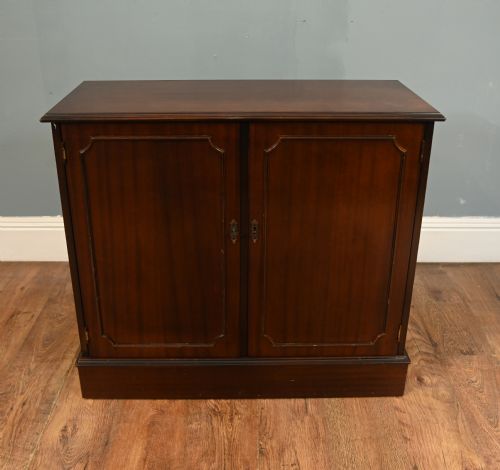
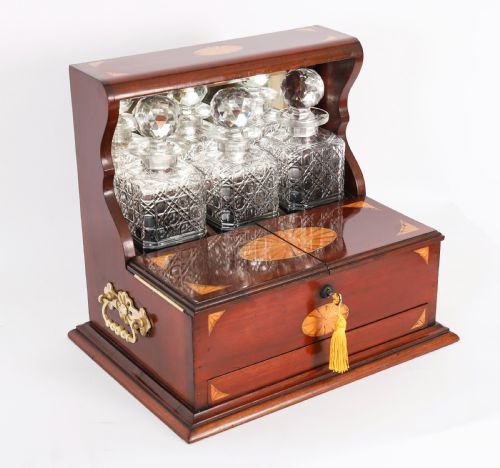


Victorian Drinks Cabinet
A victorian drinks cabinet brings period craftsmanship into the modern home, offering fitted storage for bottles and glassware alongside distinctive nineteenth-century styling.
Victorian Drinks Cabinet
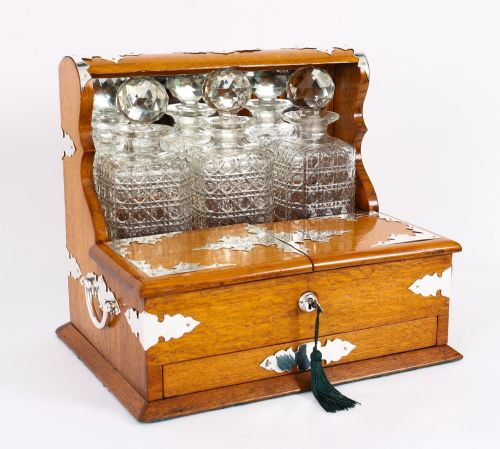
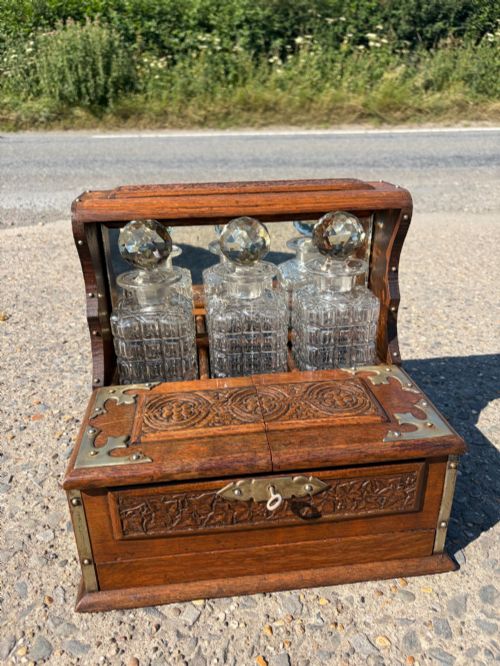
A victorian drinks cabinet encompasses a varied group of nineteenth-century furniture built to store and serve alcohol, including tantalus sets, cellarettes, wine chests and side cabinets. These pieces date from the early decades of the eighteen-hundreds through to the turn of the twentieth century, reflecting shifting domestic habits in entertainment.
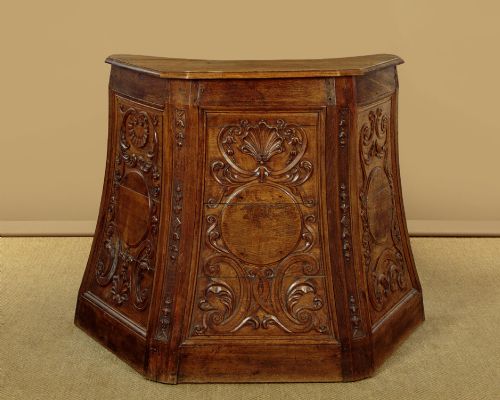
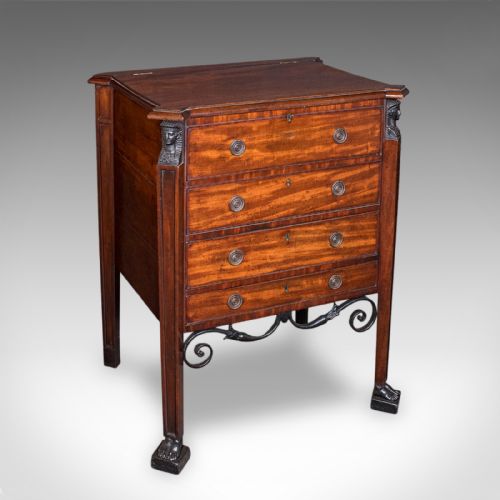
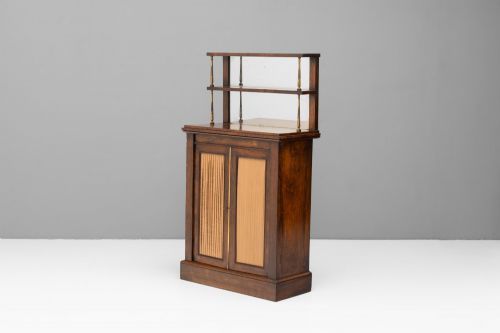
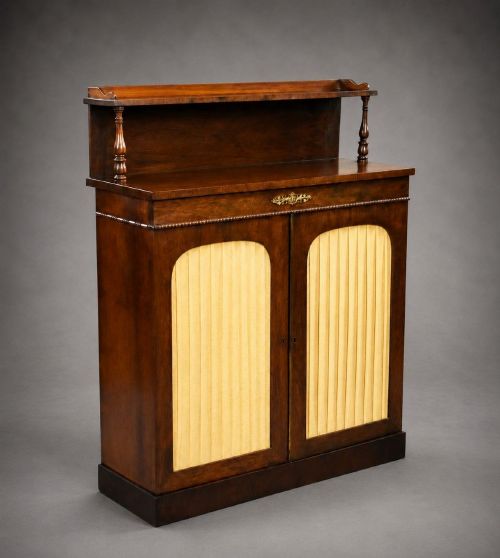
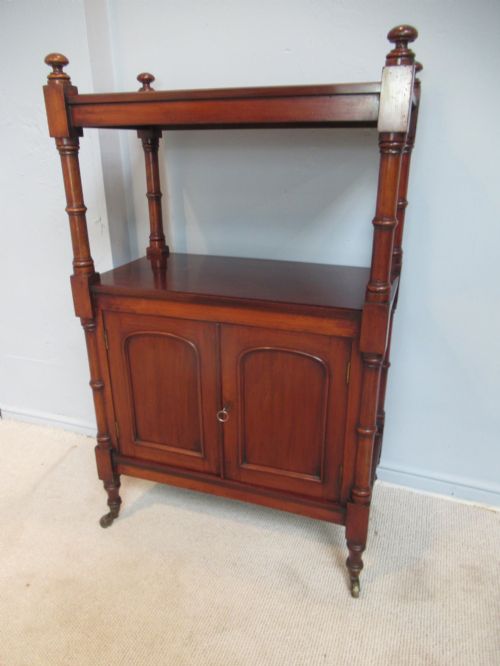
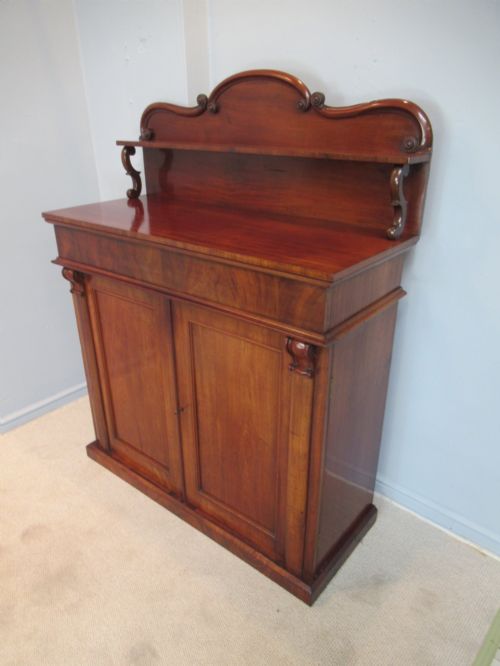
The most frequent examples found in this selection are oak and mahogany tantalus sets fitted with cut glass decanters, alongside rosewood and mahogany chiffoniers and side cabinets adapted for bottle storage. Pieces emerge from diverse aesthetic revivals, ranging from Gothic and Flemish Renaissance influences to Egyptian taste and campaign styles.
Forms span compact single-bottle cases and games compendiums to large carved oak cabinets on stands and front-and-back bars. Buyers encounter formal dining room cellarettes, portable campaign pieces and glazed display combinations suited to period interiors.
Materials and construction methods
Cabinet makers relied primarily on dense hardwoods such as mahogany, oak and rosewood, frequently enhanced with walnut, satinwood inlay, marquetry stringing or ebonised details. Timber selection dictated the character of the piece, from the bold grain of pollard oak to the rich warmth of figured mahogany.
Metal hardware played a central structural and decorative role, with brass mounts, hinges, locks and carrying handles securing bottles and framing drop-front writing or mixing surfaces. Cut glass decanters and silver plate added functional brilliance to the interior compartments.
Joinery techniques combined traditional carcase construction with specialised interior fittings like locking mechanisms for tantalus frames and stepped tiers for glassware.
Some nineteenth-century oak bars arrived complete with original sign-writing directing thirsty patrons straight to the local beer keller.
Distinctions in construction and design
Quality rests upon the selection of timber veneers and solid stock, the crispness of hand-carved ornamentation such as lion masks or Gothic tracery, and the integration of internal mechanisms. Superior examples utilise heavy brass mountings and flawless cut glass crystal rather than pressed glass substitutes.
The complexity of the fitted interior distinguishes standard storage from exhibition-grade pieces, particularly where games compendiums, humidor compartments and secret locking bars operate in unison. Structural integrity in the joints and original working locks with matching keys elevate a piece's standing.
Holland & Sons·Maples & Co
The Victorian Drinks Cabinet Glossary
- Tantalus
- A locking wooden frame holding decanters that prevents removal of the bottles until the locking bar is released by a key. This device kept household spirits secure from unauthorized access by staff.
- Cellarette
- A dedicated container or cabinet designed to hold bottles of wine and liquor, often lined with lead or zinc to retain coolness. These units sat beneath sideboards or stood independently on legs.
- Chiffonier
- A compact sideboard or low cabinet featuring a combination of drawers, shelves and enclosed lower cupboards. The form evolved during the nineteenth century to serve diverse storage needs in dining and reception rooms.
- Marquetry
- Decorative woodwork where pieces of veneer are applied to a structural surface to form intricate pictorial patterns. Craftsmen utilised contrasting timbers to create geometric and floral motifs.
- Gothic Revival
- An architectural and decorative style drawing inspiration from medieval forms, featuring pointed arches, heavy linenfold carving and architectural tracery. The aesthetic heavily influenced mid-nineteenth-century cabinet work.
Victorian Drinks Cabinet: Frequently Asked Questions
What is a tantalus drinks cabinet?
A tantalus drinks cabinet houses decanters within a locking wooden frame that prevents guests or staff from pouring a drink without the key. The ingenious mechanism secures the stoppers in place while displaying the cut glass.
These pieces combined security with social display in nineteenth-century drawing rooms. They frequently incorporated games compendiums and cigar storage into the compact cabinet design.
How were nineteenth-century wine cellarettes used?
Wine cellarettes provided secure storage for bottles close to the dining table before fitted cellars became common in every home. Interiors were often lined to hold ice or cold water for chilling.
Placed beneath sideboards or built as independent oval chests, they kept vintages at hand during long formal meals. Their heavy brass mountings allowed servants to move the weighted containers safely.
How do I distinguish early Victorian from late Victorian pieces?
Early Victorian furniture tends to feature rich rosewood and mahogany timbers with restrained classical proportions. Decorative carving is often precise and classical in derivation.
Late Victorian and Edwardian examples show broader stylistic variation, including heavy oak construction, extensive brass mounts, and revival styles like Flemish Renaissance and Egyptian taste. Cabinet interiors also became more complex with multi-use compartments.
Where should I place a drinks cabinet at home?
A drinks cabinet functions effectively in a dining room, living area or study as both a focal point and a practical storage unit. Positioning the piece away from direct heat sources protects the antique wood and veneer.
Standard side cabinets and chiffoniers offer top surfaces for serving while concealing glassware below. Tantalus sets sit well on sideboards or dedicated drinks tables where the decanters remain visible.