






Mahogany Games Box
A mahogany games box is a fitted receptacle for pastimes, prized by collectors for its clever internal engineering and tactile timbers.
Mahogany Games Box
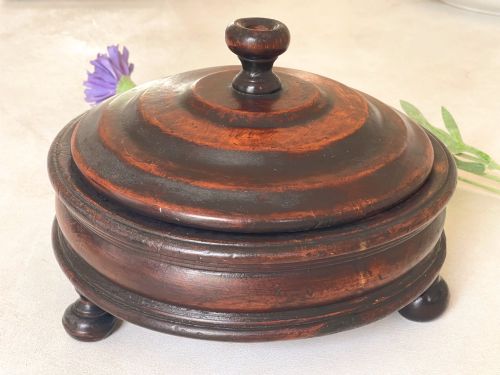
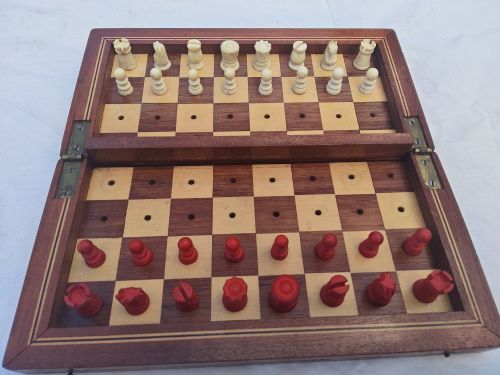
When you search for a mahogany games box, you encounter items ranging from compact travelling cases to substantial compendiums housing multiple pursuits. The version you most frequently meet on this page is the Victorian or Edwardian fitted box, often equipped to hold chess sets, cribbage boards, and card components.
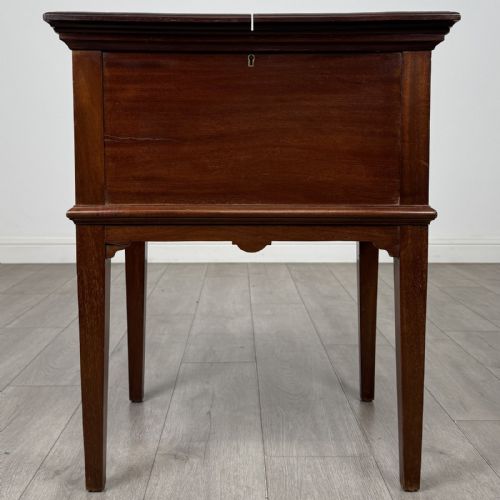
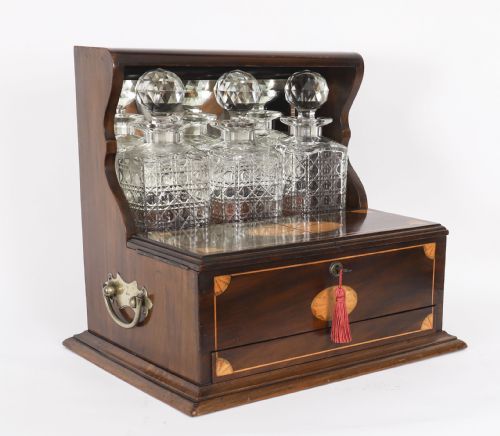
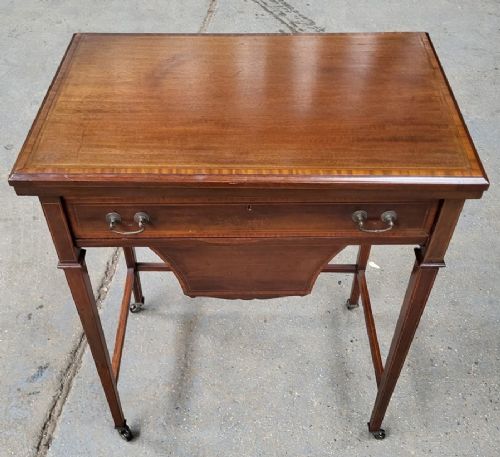
The historical record on this page shows forms stretching from the Georgian period into the early twentieth century. Alongside dedicated boxes, the selection includes related items such as games tables, sewing tables, and tantalus combinations incorporating dedicated storage for pastimes.
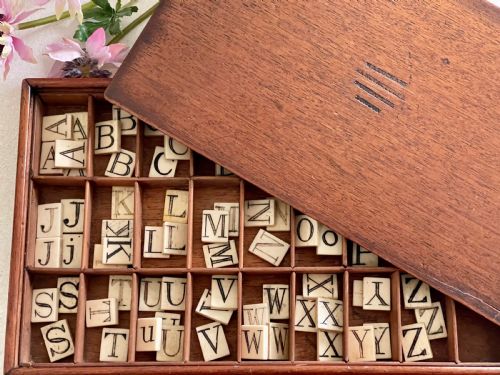
Makers utilised the dense grain of mahogany to protect intricate internal partitions and playing pieces fashioned from bone, boxwood, and ebony. These objects served households seeking indoor entertainment, combining utilitarian storage with polished cabinetry suitable for a parlour.
How they were made
Cabinetmakers constructed these pieces primarily from solid or veneered mahogany, frequently enhancing the exterior with contrasting stringing and cross-banding in satinwood or boxwood. Brass mounts, escutcheons, and hinges provided structural reinforcement and secure closures for travelling sets.
Interiors required precise carpentry to create custom compartments for items like miniature chess sets, cribbage boards, and dice. Linings of baize or velvet protected delicate bone and wooden playing pieces from friction during transport and storage.
Mahogany Games Box Retail Price Guide 2026
Typical asking prices for mahogany games box among the pieces listed under this phrase on Sellingantiques today, from the lower quarter to the upper quarter. They describe what is for sale here now, not the wider market.
Some Edwardian boxes arrived equipped for miniature squails, offering parlour players a slippery test of dexterity with wooden discs.
What varies in quality
The distinction between standard examples and the finest pieces lies in the sophistication of the internal layout and the intricacy of the woodwork. Compendiums featuring fully articulated folding boards, multiple integrated games, and original components command greater attention than simple storage receptacles.
Material selection also dictates standing, with superior items displaying finely figured mahogany veneers, precise boxwood stringing, and heavy brass hardware. The inclusion of named makers or high-grade playing pieces elevates the overall integrity of the piece.
F. H. Ayres·British Chess Company
The Mahogany Games Box Glossary
- Compendium
- A single box or case containing equipment for multiple different games, such as chess, draughts, and cribbage.
- Cribbage Board
- A scoring board featuring pegged tracks, often built directly into the box or supplied as a separate sliding component.
- Cross-banded
- A decorative border technique where veneer strips are laid perpendicular to the main grain of the mahogany surface.
- Stringing
- Thin inlaid lines of a contrasting timber, such as boxwood, used to outline panels and geometric shapes on the box exterior.
- Staunton
- A standardised style of chess pieces introduced in the nineteenth century, characterised by conventionalised, highly recognisable shapes.
Mahogany Games Box: Frequently Asked Questions
What games did these boxes typically hold?
These boxes commonly contained sets for chess, draughts, cribbage, and dominoes, alongside accessories like dice and counters. Many compendiums also featured boards or pieces for lesser-known pastimes such as spellicans and miniature skittles.
Larger specimens incorporated folding boards and dedicated trays to keep every component organised within the mahogany carcass. The exact combination depended on the scale of the box and the preferences of the original owner.
How do I date a mahogany games box?
Dating relies on observing construction methods, timber choices, and stylistic markers such as inlay patterns and brass hardware. Georgian examples often feature clean lines with subtle boxwood stringing, while Victorian and Edwardian pieces frequently present more elaborate compendium layouts.
Reference to specific periods like the Regency or Edwardian era can be supported by interior components and any surviving maker signatures. Hallmarks on brass elements or accompanying paper labels also assist in establishing a precise timeframe.
Were these boxes meant for travel?
Many games boxes were engineered specifically for travel, featuring compact dimensions, secure brass locks, and tightly fitted internal partitions that kept pieces from shifting. Others remained stationary as permanent fixtures on parlour tables.
Travelling sets often prioritised space-saving designs, such as folding boards or pegged pieces that stayed secure during transit. The inclusion of sturdy mahogany and brass binding usually indicates a design intended for mobility.
How should I care for the mahogany finish?
Maintenance involves keeping the timber away from direct sunlight and extreme temperature fluctuations to prevent the mahogany veneer from warping or fading. Gentle dusting with a dry, soft cloth preserves the polished surface without stripping historic finishes.
Occasional application of appropriate wax feeding can nourish the wood, but heavy chemical polishes should be avoided. Ensuring interior baize and velvet remain dry will protect delicate bone and wooden pieces stored inside.