




Lockable Decanter Box
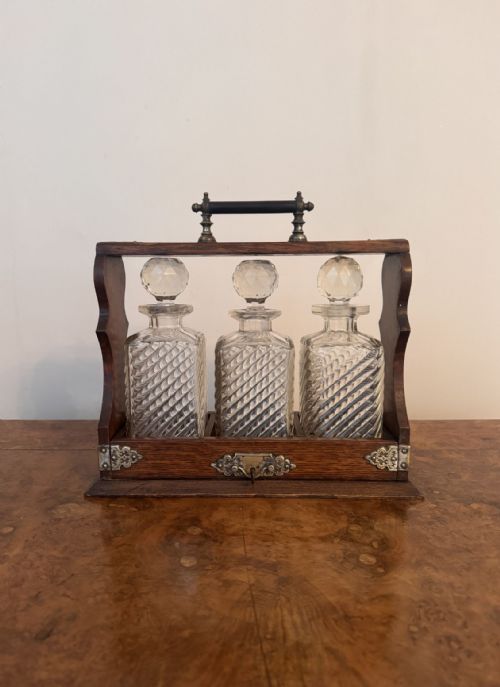
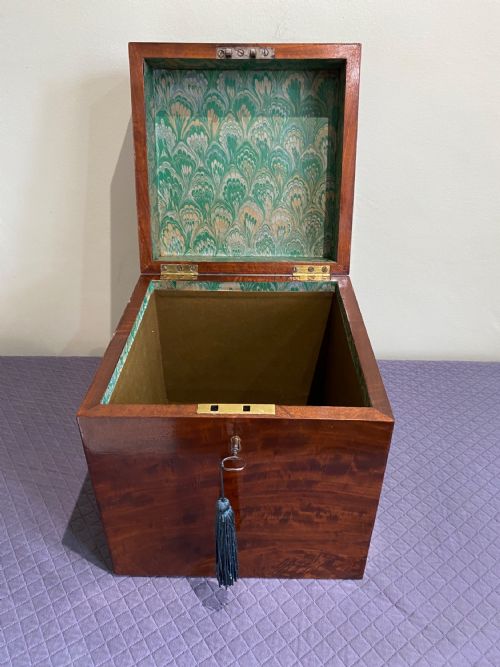
These lockable decanter box examples combine secure storage with fine hospitality, offering period craftsmanship in brass-mounted oak and mahogany.
Lockable Decanter Box
A lockable decanter box provides a secure home for glassware and spirits, emerging across Georgian, Victorian, and Edwardian periods in robust timber forms. These pieces often double as games compendiums or dry bars, featuring compartments for cards and counters alongside the bottles.
The most common version met on this page is the oak or mahogany tantalus, which holds cut glass or cut crystal decanters behind a locking mechanism. Examples range from simple brass-mounted boxes to elaborate three or four-bottle formats with mirror glass backing.
Origins span the nineteenth century, taking in Regency elegance and late Victorian or Edwardian practicality. Buyers will find fitted interiors lined for bottles, sometimes attributed to specific makers like Philip Ashberry.
Materials and construction
Makers built these pieces primarily from solid oak and mahogany, often applying satin wood inlay, marquetry stringing, or brass mounts for structural strength and decoration. Timber frames were joined with precision to support the heavy weight of glass bottles and fitted interior compartments.
Interiors frequently incorporate mirror glass panels to reflect the cut glass and cut crystal decanters held within. Silver plated hardware secures the locking bars, combining metalwork with traditional woodworking techniques.
Lockable Decanter Box Retail Price Guide 2026
Typical asking prices for lockable decanter box among the pieces listed under this phrase on Sellingantiques today, from the lower quarter to the upper quarter. They describe what is for sale here now, not the wider market.
Victorian hosts locked their Scotch away from the butler.
Evaluating quality
The distinction between standard and finer examples rests on the integration of secondary functions, such as games compendiums and dry bar fittings. Superior pieces exhibit intricate marquetry stringing, satin wood inlay, and substantial brass mounts rather than plain timber surfaces.
Glassware condition and completeness elevate an object, particularly when original cut crystal or cut glass decanters match the fitted compartments. The refinement of the locking mechanism and the weight of the timber frame indicate the original workshop ambition.
Philip Ashberry
The Lockable Decanter Box Glossary
- Tantalus
- A locking drink cabinet that holds decanters in place with a metal bar, preventing access to the contents without a key while displaying the bottles.
- Cut Crystal
- High-clarity glass with decorative facets cut into the surface by hand, offering greater brilliance and weight than standard glass.
- Marquetry Stringing
- Inlaid lines of contrasting wood veneers set into the surface of the timber to create geometric borders and decorative patterns.
- Games Compendium
- A fitted box containing equipment for various parlour games, frequently integrated into the design of late nineteenth-century drinks cabinets.
- Silver Plated
- A base metal coated with a thin layer of silver, commonly used for the locking bars, handles, and mounts on Edwardian and Victorian boxes.
Lockable Decanter Box: Frequently Asked Questions
What is a tantalus?
A tantalus is a locking drinks cabinet that secures decanters beneath a metal bar so guests cannot pour a drink without the key.
The design allows hosts to display expensive cut crystal bottles while keeping the contents safely restricted.
How were these boxes used?
They served as portable or stationary dry bars in the home, holding spirits securely in private studies, smoking rooms, or dining parlours.
Many examples include compartments for playing cards, counters, and games alongside the decanters for evening entertainment.
How do I date a piece?
Georgian and Regency versions tend to feature simpler mahogany construction, whereas Victorian examples introduce heavier brass mounts and oak marquetry.
Edwardian pieces often combine the bottle storage with extensive games compendiums and silver plated hardware.
How do I care for the wood?
Keep timber surfaces away from direct heat sources and dramatic humidity changes to prevent warping in the mahogany or oak.
Apply a traditional wax polish occasionally to nourish the grain and maintain the natural lustre of the finish.