

Antique Carved Server
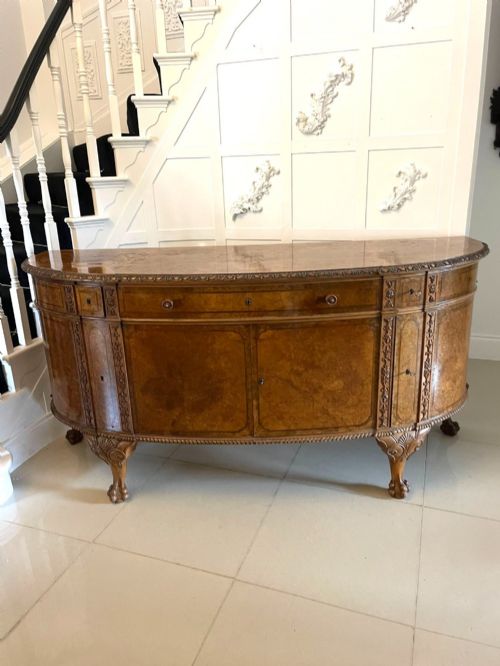
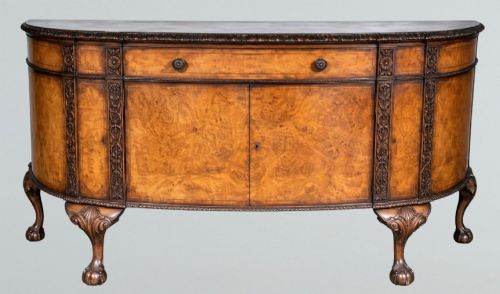
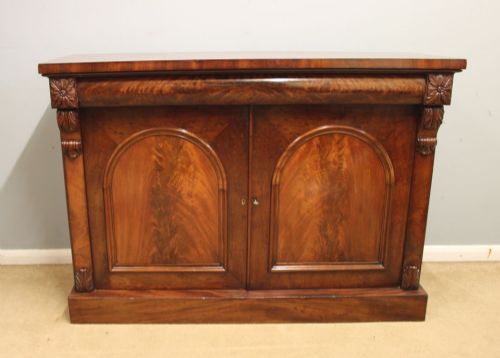
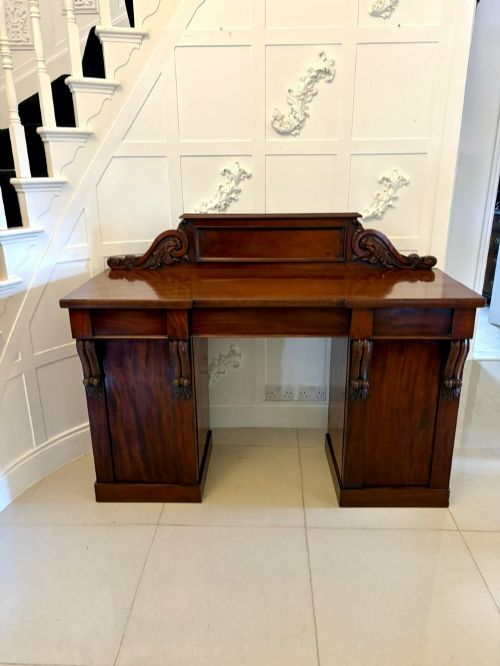
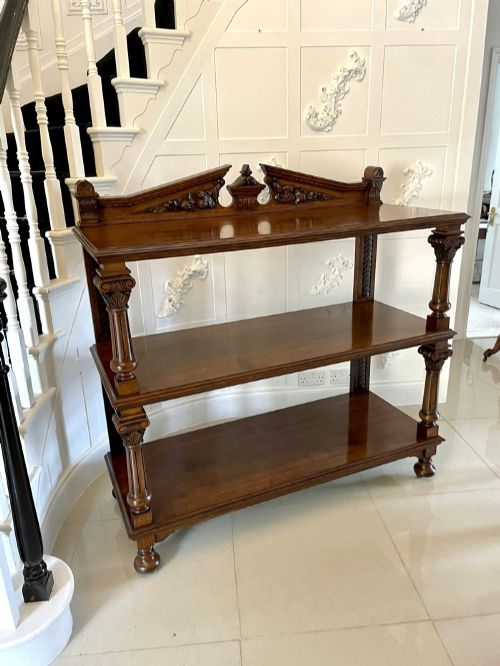
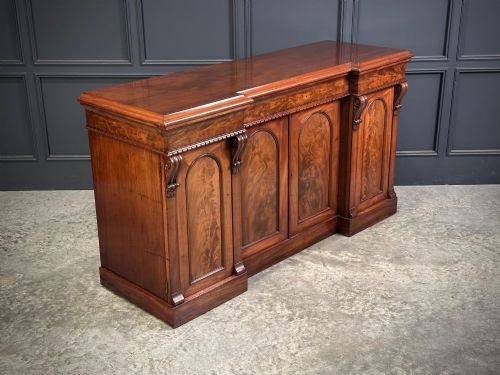
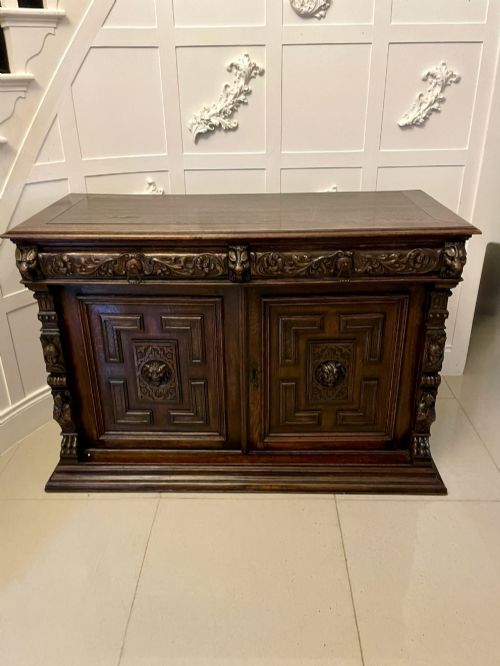
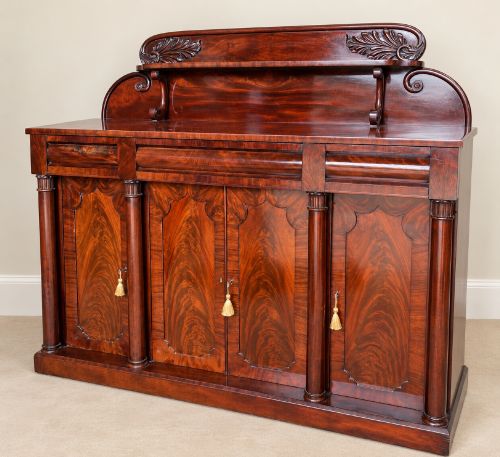
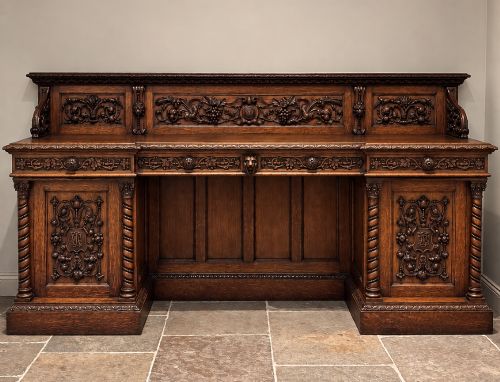
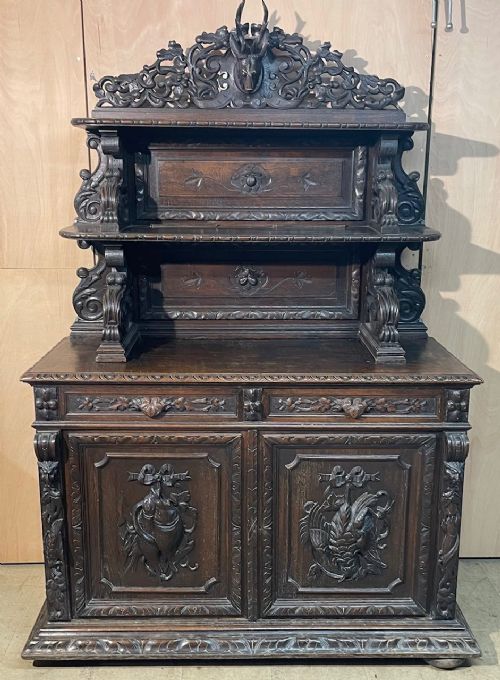
An antique carved server brings sturdy timber and panelled weight to a dining room, ready to hold dishes or silver.
Antique Carved Server
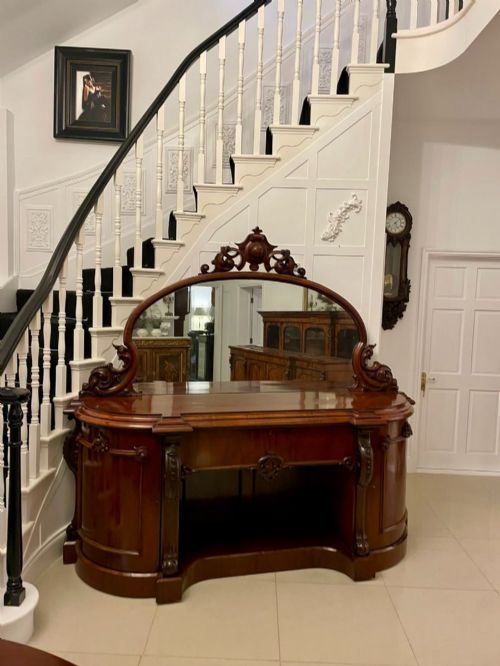
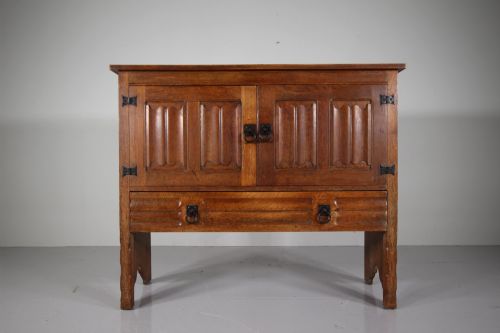
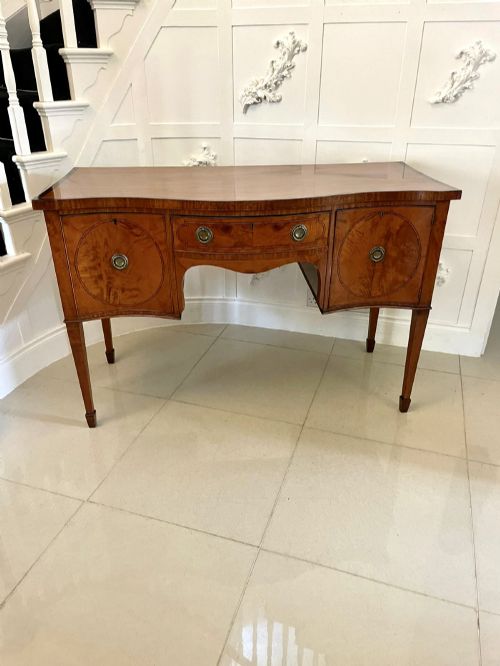
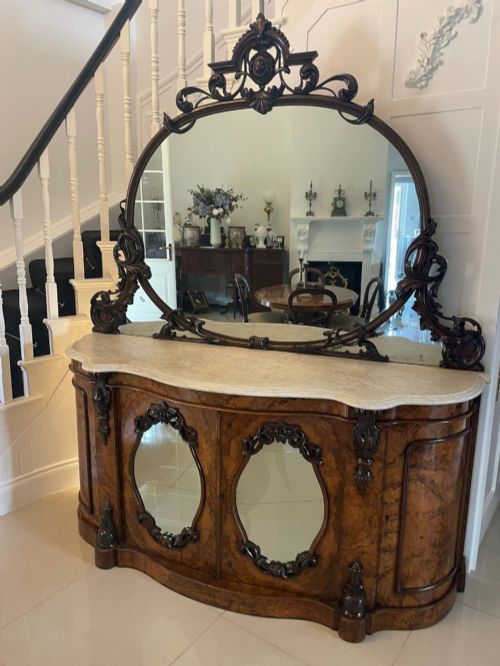
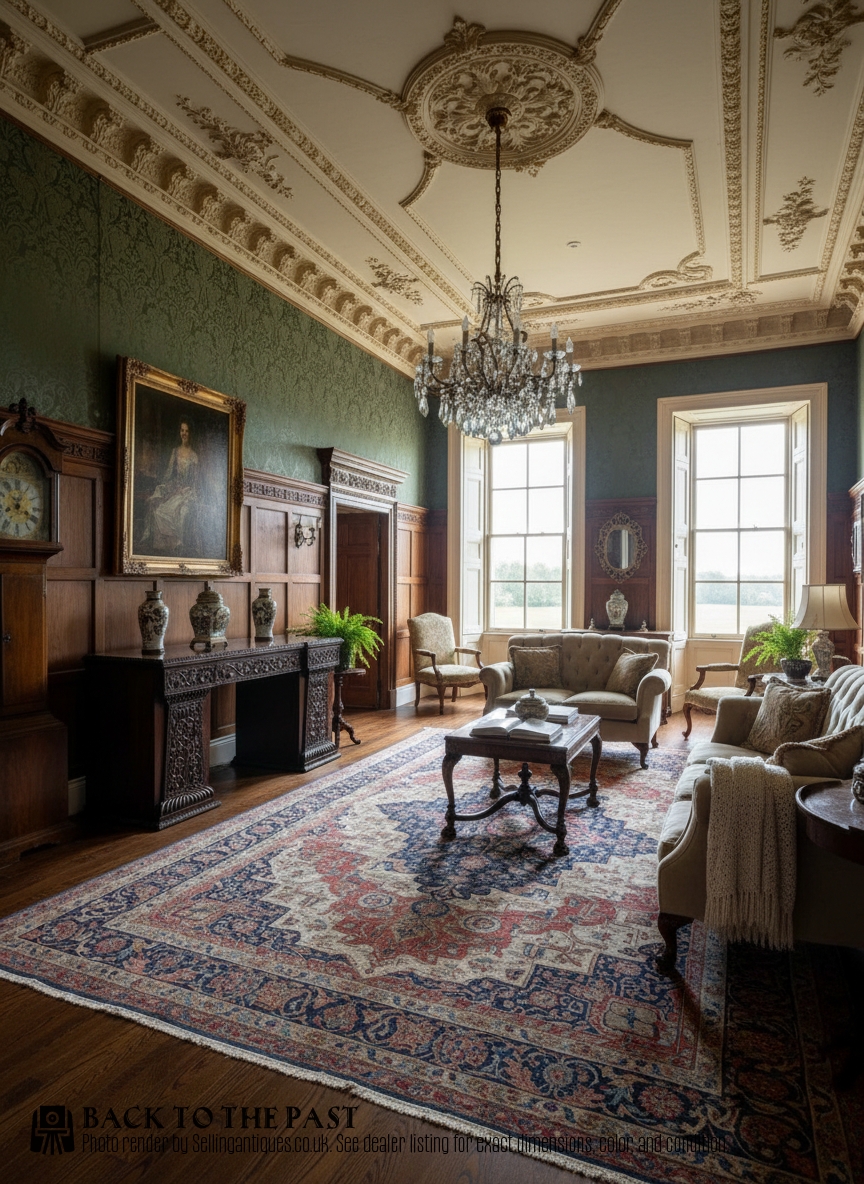
When you search for an antique carved server, you are looking at heavy timber furniture designed for serving food and storing dining rooms items, often appearing as sideboards, buffets, or dresser bases. These pieces span the Georgian, Victorian, and Edwardian periods, stretching from the early nineteenth century into the twentieth.
How they were made
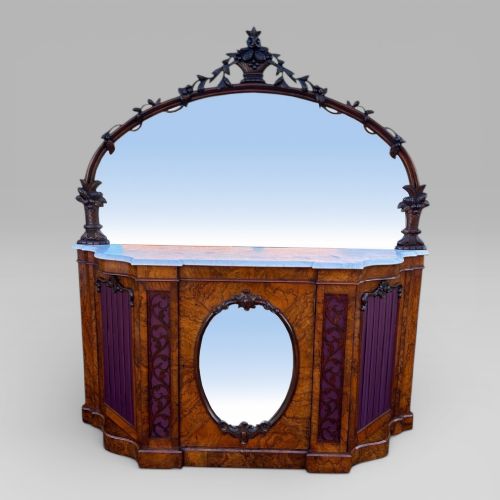
Cabinet makers relied heavily on oak and mahogany as the primary structural woods, often applying veneers of burr walnut, satinwood, or pollard oak to add decorative grain patterns to the front panels. Brass hardware, marble tops, and glass inserts appear on select pieces to provide durable, contrasting surfaces.
Construction techniques combined robust joinery with deep hand-carving, particularly in revival styles that favoured heavy mouldings, barley twist supports, and fielded panels. Workshops utilised seasoned timber to ensure stability across large sideboards and buffets built for domestic service.
Some oak servers still bear the faint knife marks of nineteenth-century Sunday roasts carved upon their timber tops.
What varies in quality
The distinction between ordinary and superior pieces rests on the selection of timber and the depth of the carving. Finely figured mahogany, burr walnut, and pollard oak elevate a sideboard, while crisp, undercut carving shows the hand of a skilled maker rather than routine workshop production.
Proportion and structural integrity also dictate worth, as narrower proportions or pieces retaining original brass fittings, marble tops, and mirror backs command greater appreciation. The integration of secondary woods and the precision of the drawer dovetails reveal the underlying standard of manufacture.
Ambrose Heal for Heal & Son·Roberts Cadman
The Antique Carved Server Glossary
- Sideboard
- A large dining room piece equipped with cupboards and drawers for storing crockery and serving food. It forms the backbone of traditional dining furniture.
- Buffet
- A heavy timber serving table or sideboard often featuring tiers or shelving for displaying dishes. This form is frequently associated with Gothic and Jacobean revival styles.
- Chiffonier
- A compact sideboard or cabinet, typically Victorian, featuring enclosed lower storage and sometimes a raised shelf or mirror back. It suits smaller drawing rooms or dining spaces.
- Dresser base
- The lower section of a kitchen or dining dresser, fitted with drawers and cupboards beneath a solid timber top. It provides robust surface space for preparation and service.
- Serpentine front
- A furniture front curved with a convex centre flanked by concave ends, creating a flowing line. This shape demands high carpentry skill to execute cleanly in mahogany or walnut.
Antique Carved Server: Frequently Asked Questions
What is an antique carved server used for?
An antique carved server serves as a practical surface for placing dishes, tureens, and platters during meals. Below the top surface, integrated drawers and cupboards provide enclosed storage for cutlery, linen, and dining accessories.
Historically, these pieces stood against dining room walls to assist servants during large household dinners. Today, they function equally well as storage credenzas or side tables in modern living spaces.
How do I tell Victorian servers from Edwardian ones?
Victorian servers generally lean towards heavier proportions, dark mahogany or walnut timbers, and elaborate carvings influenced by Gothic or Renaissance revivals. Mirror backs and marble tops frequently accompany these mid to late nineteenth-century designs.
Edwardian pieces often feature lighter oak, golden tones, and simpler Arts and Crafts or Jacobean revival lines. Barley twist supports and cleaner geometric panels become common as the twentieth century approaches.
Where should I place a server in my home?
A server naturally finds its home against the wall of a dining room or large kitchen, positioned near the dining table for easy access. Its flat top acts as a convenient staging area for serving food or displaying ceramics.
Due to their varied depths, narrower dresser bases and side tables also fit comfortably in hallways or large living rooms. They offer functional surface space without obstructing household traffic.
Are these servers made of solid wood?
Most traditional servers utilise solid oak, mahogany, or walnut for their primary frames, legs, and structural supports. Carved details and mouldings are carved directly into this solid timber.
Selected decorative surfaces, particularly on burr walnut or satinwood pieces, employ fine veneers laid over stable secondary woods. This technique prevents warping while displaying striking grain patterns.