




English Regency Sideboard
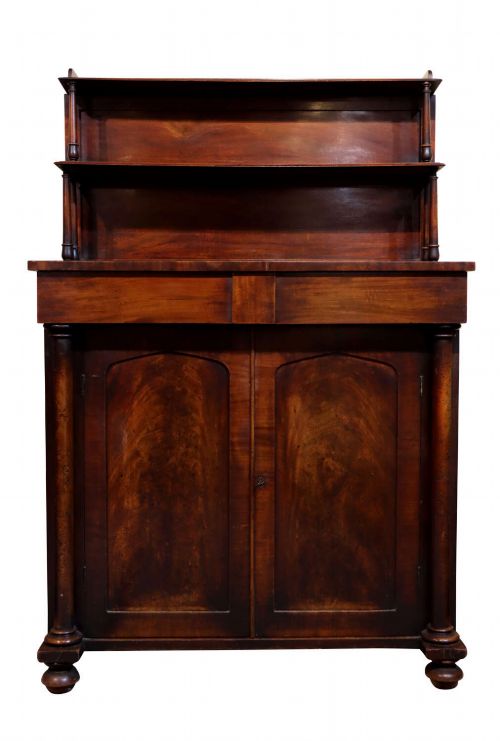
An english regency sideboard anchors a dining room with serious timber and classical proportion, offering deep drawers and cupboards shaped for formal service.
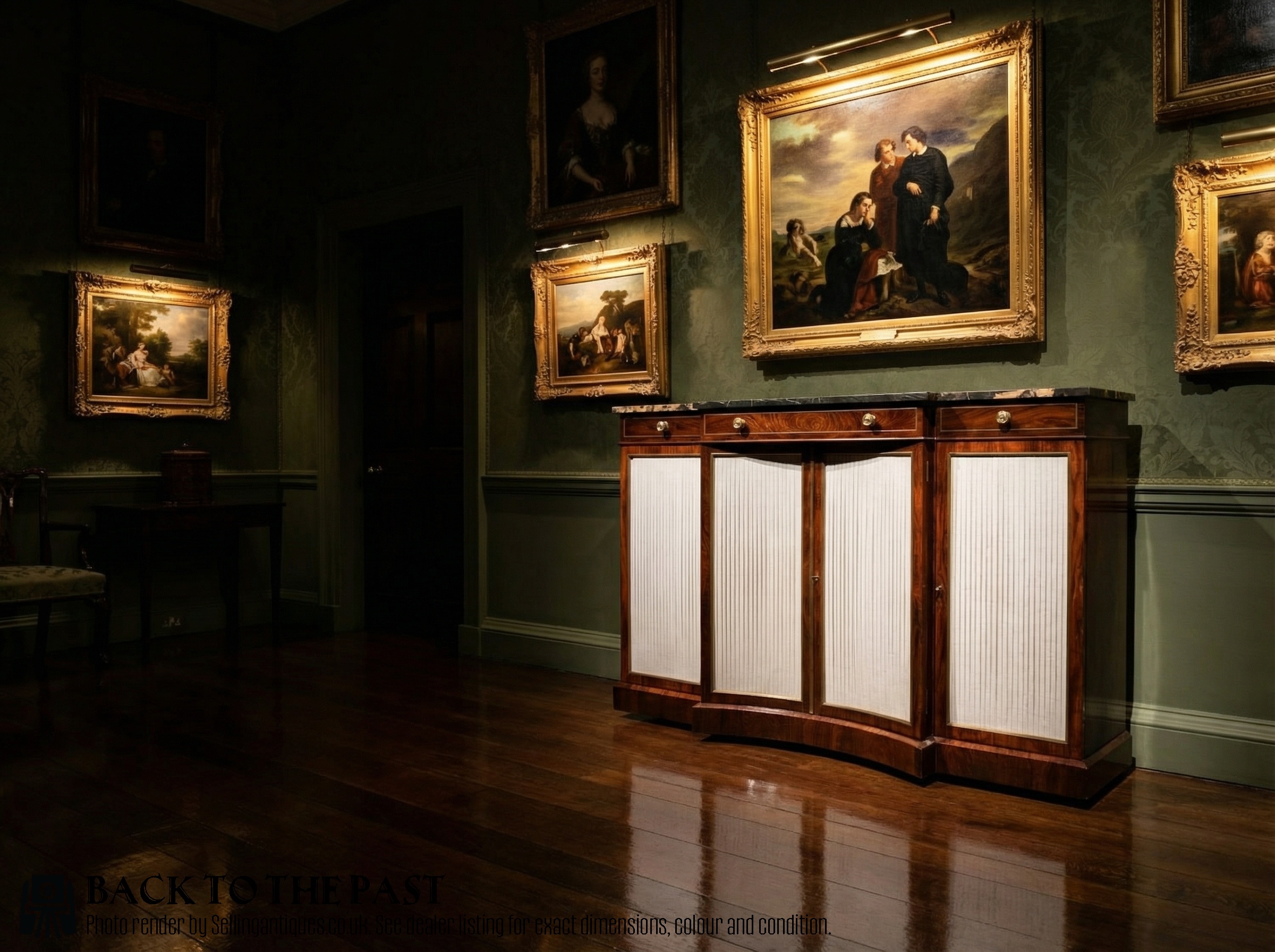
English Regency Sideboard
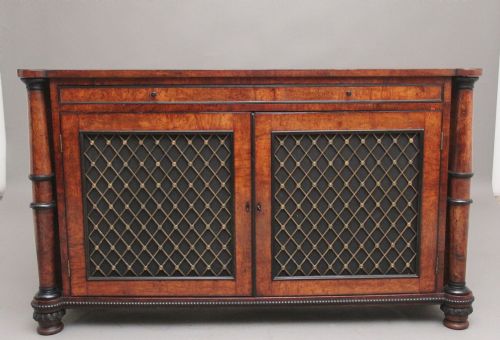
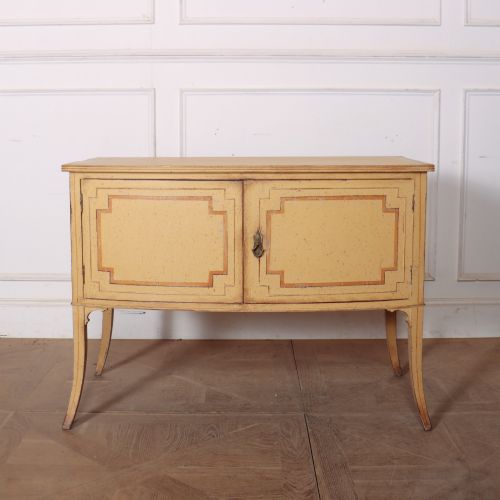
An english regency sideboard appears in forms ranging from pedestal serving tables to breakfront cabinets with brass inlay. The pieces gathered here draw from the Regency period, the broader nineteenth century, and later revivals spanning into the twentieth century.
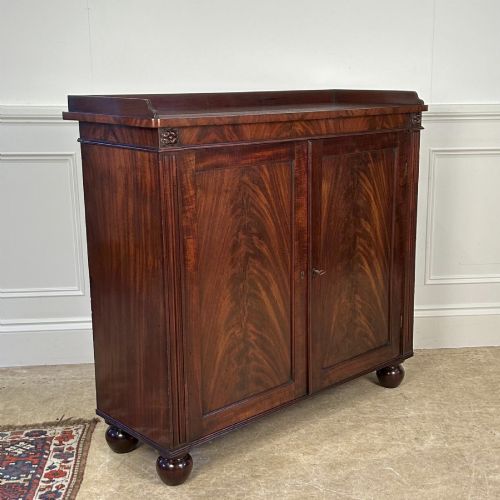
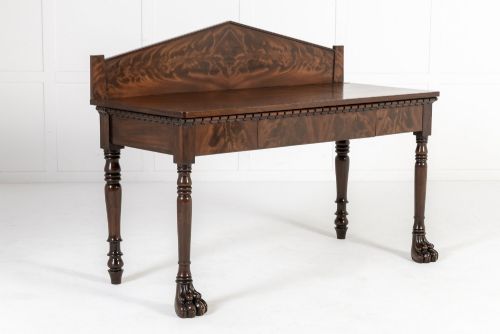
Makers and cabinet-makers of the early nineteenth century constructed these serving pieces to handle the weight of heavy silver and porcelain during dining rituals. Buyers encounter mahogany, flame mahogany veneer, and rosewood items shaped as serving tables, chiffoniers, and pedestal sideboards.
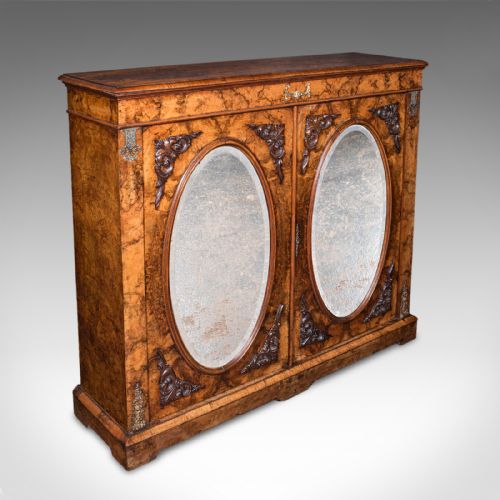
While many pieces align with the strict neoclassical lines of the Regency era, others show the transition into William IV and Victorian tastes. The selection mixes genuine early pieces with later revival interpretations, providing options for both period interiors and eclectic rooms.

Materials and Construction
Cabinet-makers relied on solid mahogany and rich rosewood, often applying flame mahogany veneers to create striking grain patterns across long drawer fronts and doors. Timber selection dictated the visual weight of the furniture, with dark tropical hardwoods polished to a deep gloss.
Metalwork played a structural and decorative role, incorporating brass inlay, handles, and mounts alongside ebony stringing to define the geometric panels. Interiors typically utilised secondary timbers for drawer linings, while glass panels and fabric or silk backing appeared on specialised chiffoniers and display cabinets.
English Regency Sideboard Retail Price Guide 2026
Typical asking prices for english regency sideboard among the pieces listed under this phrase on Sellingantiques today, from the lower quarter to the upper quarter. They describe what is for sale here now, not the wider market.
Listings feature woods like mahogany, rosewood, and pollard oak, alongside brass inlay and glass-fronted cabinets.
Craftsmanship and Proportion
Quality rests on the depth and selection of the wood veneers, where symmetrical flame patterns and tight timber grains separate superior examples from plain builds. The crispness of inlaid brass and ebony stringing also reveals the hand of a skilled workshop rather than a standard commercial output.
Proportion and structural integrity dictate the standing of a piece, particularly how well the pedestal units or legs meet the main carcase. Refined pieces show careful attention to internal drawer construction and the original fitting of locks and brass galleries.
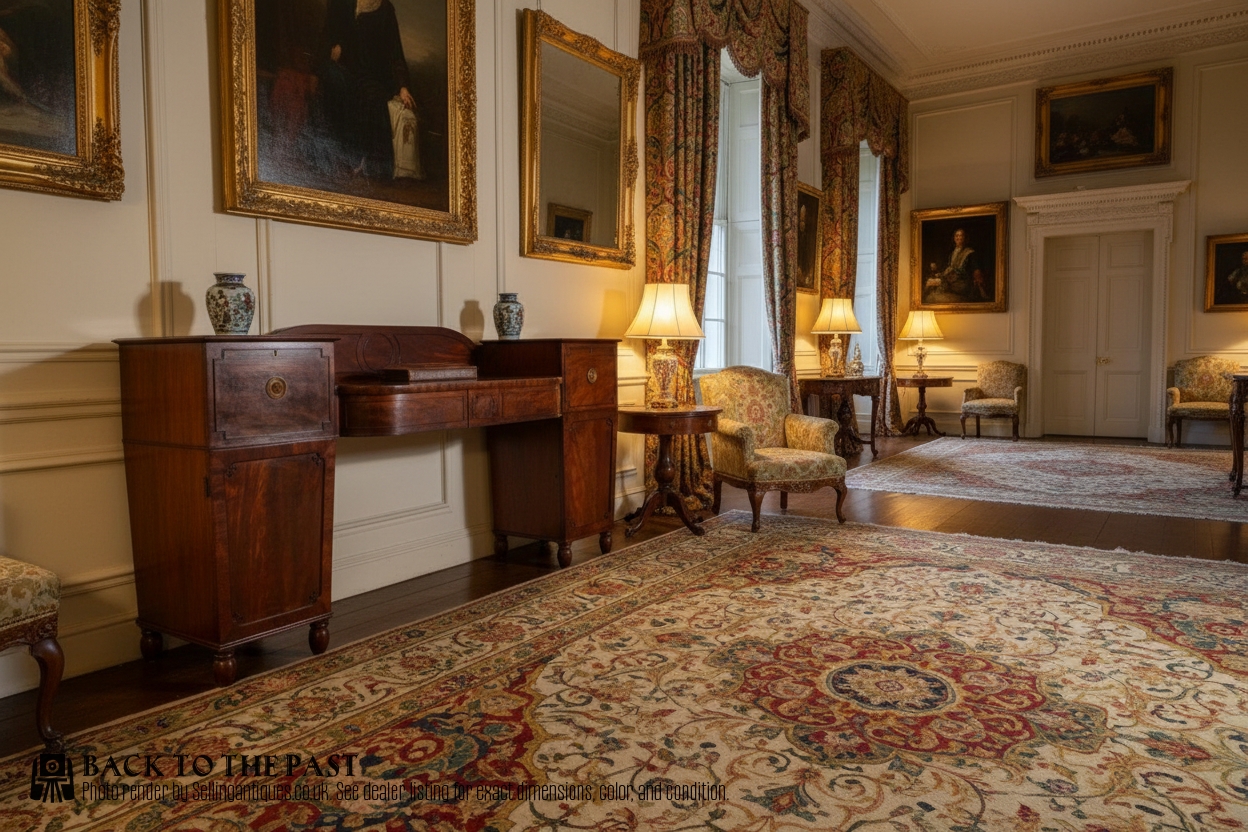
Gillows·John Gregory London·S.Jamar London
The English Regency Sideboard Glossary
- Chiffonier
- A low cabinet featuring shelves or enclosed cupboards below, often topped with a raised gallery. These pieces emerged as popular side storage units during the Regency period.
- Breakfront
- A cabinet design where the central section projects forward from the flanking wings. This architectural arrangement creates depth and breaks up the long line of a dining room wall.
- Flame Mahogany
- A veneer cut from timber where the branches join the main trunk, producing a flickering flame pattern. Cabinet-makers used this figure symmetrically across prominent doors and drawers.
- Pedestal Sideboard
- A heavy dining room piece consisting of two distinct pedestals connected by a central serving table or board. They often incorporate cellarets or cupboards within the pedestals.
- Neoclassical
- A dominant design style drawing inspiration from classical Greece and Rome, emphasising symmetry, restrained ornamentation, and clean architectural lines. Regency furniture adopted these motifs widely.
English Regency Sideboard: Frequently Asked Questions
How do I spot a true Regency period piece?
Look for architectural lines rooted in neoclassical design, timber choices like figured mahogany or rosewood, and meticulous brass inlay. True pieces from the era carry the weight and construction methods of early nineteenth-century workshops.
Be mindful that the selection also includes revival pieces from later decades which adopted the same vocabulary. Examining the secondary timbers and interior construction helps determine the actual age.
Where were these sideboards used in a home?
These pieces belonged primarily in the dining room, where servants prepared dishes, stored heavy silver, and kept wine close at hand during long meals. Serving tables and pedestal sideboards were built specifically to manage this heavy domestic service.
Smaller side cabinets and chiffoniers found places in morning rooms and libraries to hold books, papers, and display items.
How do I care for rosewood and mahogany surfaces?
Protect the polished timber by keeping it away from direct sunlight and sudden changes in room temperature, which can cause veneers to lift. Dust regularly with a soft, dry cloth to maintain the natural sheen of the wood.
Avoid commercial silicone sprays and excess moisture, applying a quality wax sparingly only when the timber appears dry.