


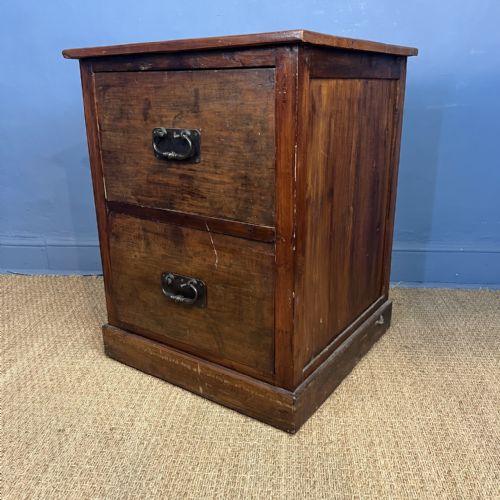

Dark Brown Pedestal Desk
These dark brown pedestal desk examples offer substantial working surfaces and concealed storage, crafted from dense timbers like mahogany and oak.
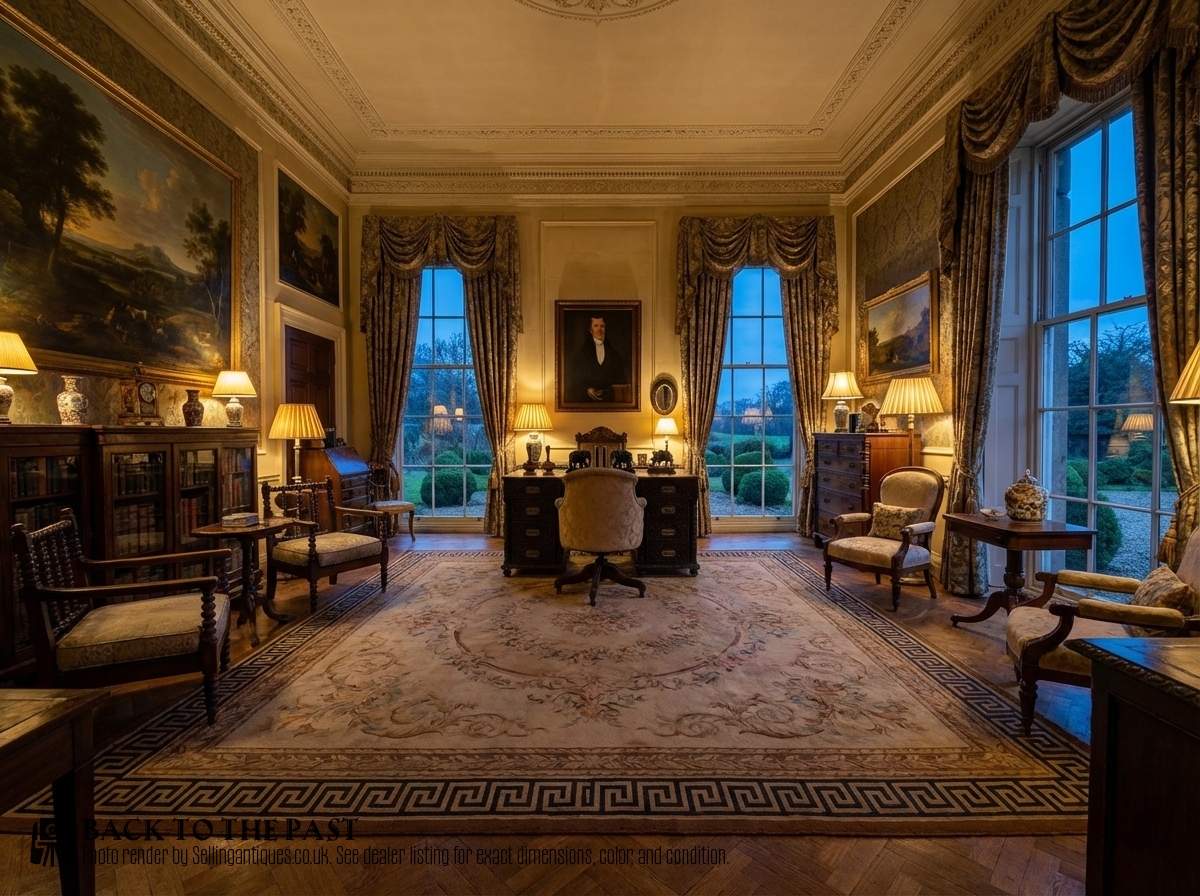
Dark Brown Pedestal Desk
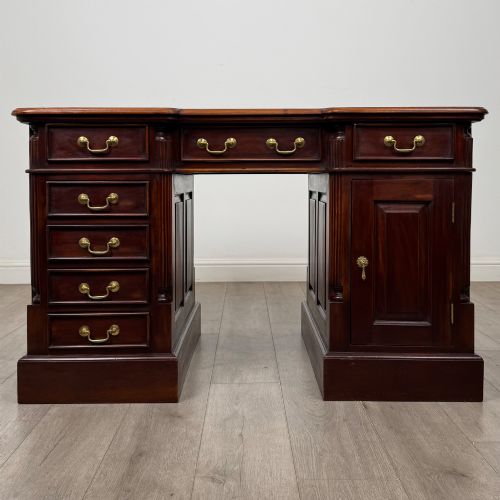
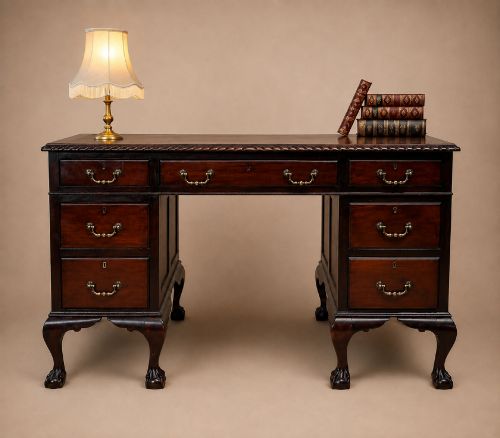
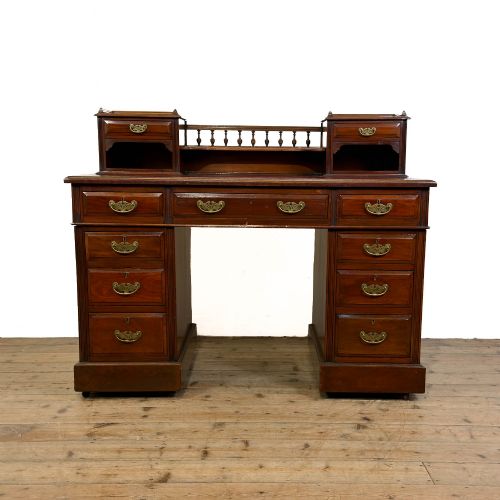
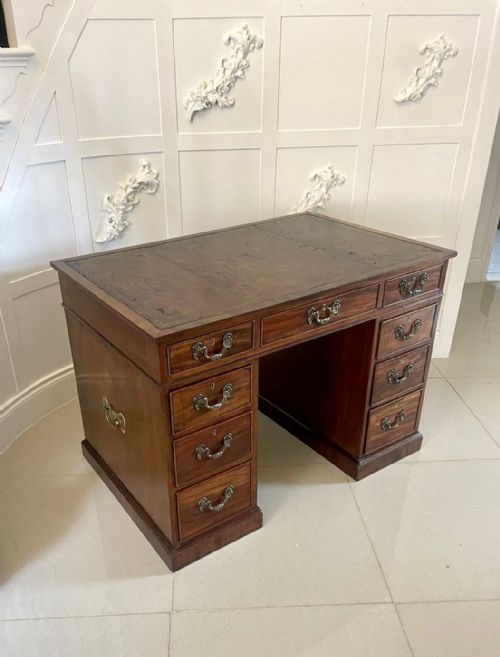
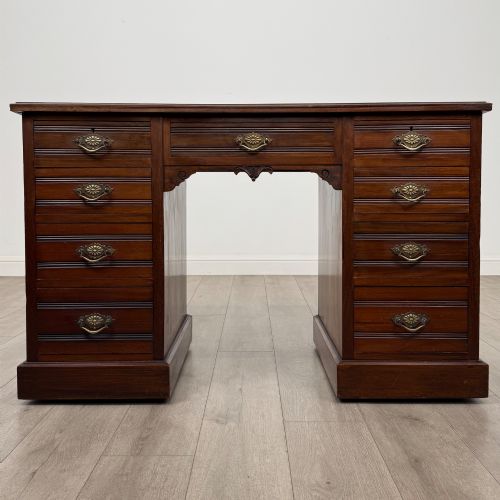
When you examine a dark brown pedestal desk, you are looking at a heavy working piece built with twin columns of drawers supporting a central writing surface. The version you are most likely to meet on this page originates from the nineteenth or early twentieth century, spanning Victorian, Edwardian, and later periods.
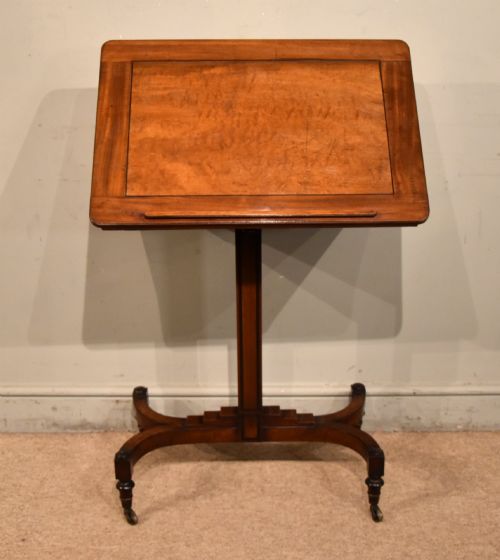
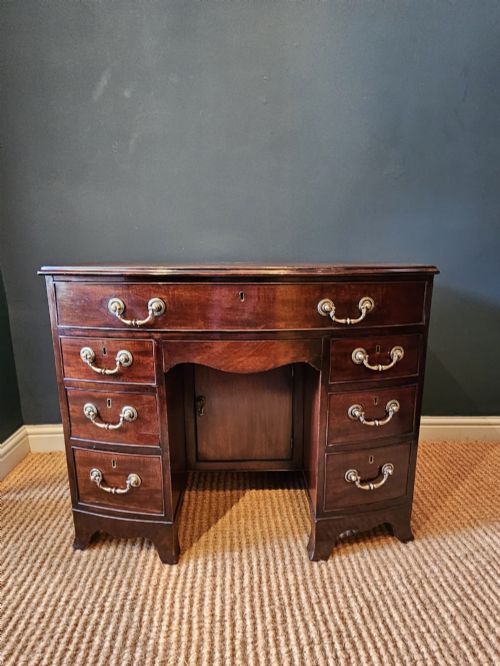
The form appears in various configurations, including standard kneehole designs, partner formats meant for two simultaneous users, and tambour versions featuring rolling shutters. Woods such as mahogany, walnut, and oak dominate the selection, often presenting deep natural tones developed over decades of polishing.
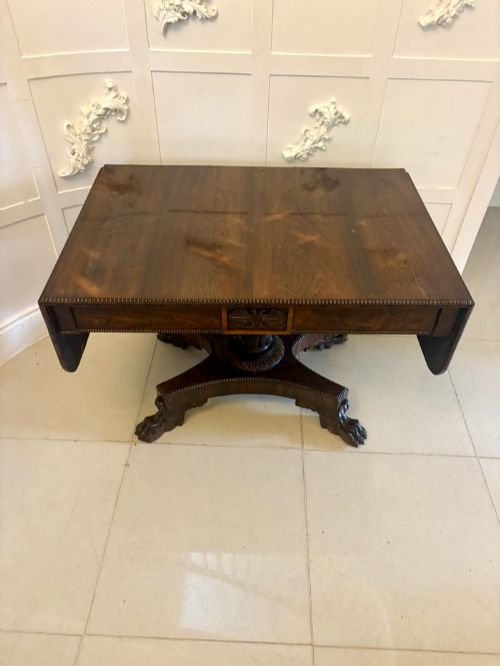
These items served administrative functions in libraries, studies, and offices, reflecting the architectural styles of Georgian, Regency, and Gothic Revival movements. Their construction prioritises durability and formal presence, designed to anchor a room rather than sit lightly against a wall.
How they were made
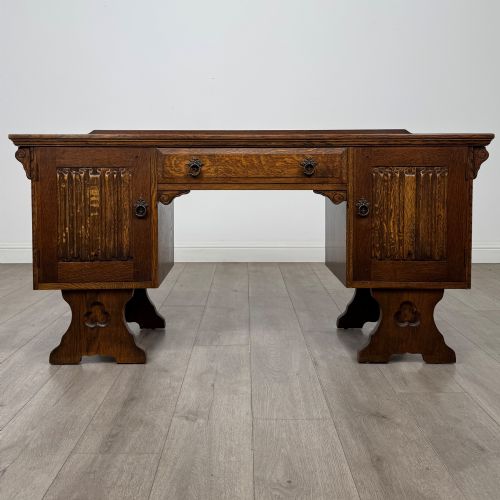
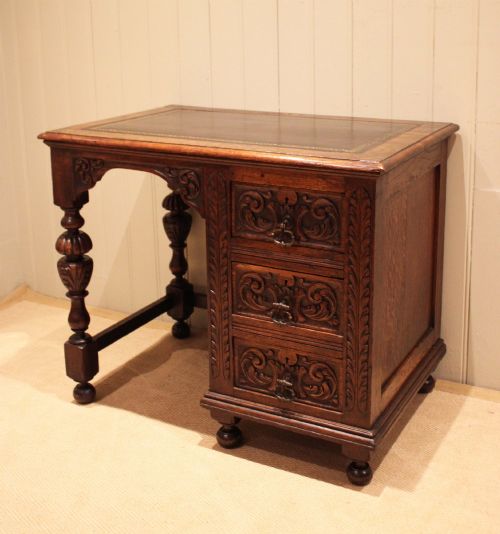
Cabinet makers constructed these pieces using dense hardwoods like mahogany, walnut, and oak, frequently applying intricate carvings or linenfold panels to the exterior surfaces. Drawer linings commonly consist of secondary timbers, joined with traditional dovetail methods that ensure long-term structural stability.
Leather inserts appear frequently on the writing surfaces, often finished with decorative gold tooling around the perimeter. Brass handles, key escutcheons, and occasional metal mechanisms complete the fittings, contrasting with the dark grain of the primary wood.
Listings feature woods such as mahogany, oak, walnut, rosewood, and padauk across nineteenth and early twentieth century periods.
What varies in quality
The distinction between standard examples and superior pieces rests largely on the selection of timber and the depth of the cabinet work. Figured mahogany or burr walnut veneers display lively grain patterns that elevate the visual weight of the furniture beyond utilitarian office storage.
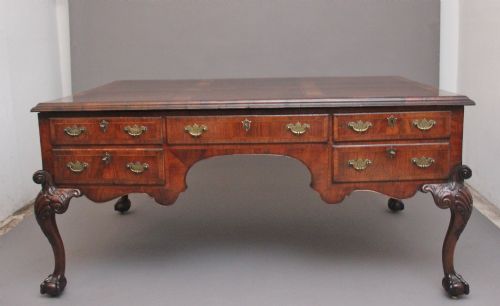
Secondary details such as fully panelled backs on freestanding partner versions and the crispness of hand-carved mouldings separate workshop output from mass production. Well-executed internal drawer construction and original brass hardware further indicate higher standards of original manufacture.
Trollope & Sons·Hobbs & Co.·Johnstone & Jeanes·Shapland & Petter·Étienne Kohlmann
The Dark Brown Pedestal Desk Glossary
- Pedestal desk
- A heavy writing table supported by two vertical columns of drawers on either side of a central kneehole space. These pieces provide substantial storage capacity beneath the primary writing surface.
- Kneehole desk
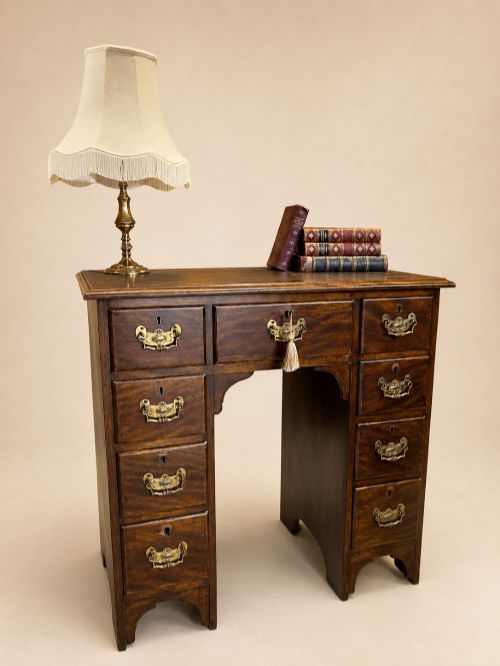
- A compact variation featuring a recessed central space for the user's legs, flanked by modest banks of drawers. This form allows for a more restrained footprint than larger partner configurations.
- Partners desk
- A double-sided workstation designed to accommodate two users facing each other across a shared top. These large formats include drawer banks on both long sides.
- Tambour
- A flexible sliding shutter formed from narrow vertical strips of wood glued to a canvas backing. This mechanism conceals the upper pigeonholes and writing surface on roll-top variations.
- Dovetail
- A traditional interlocking joint utilised in drawer construction to resist tensile pull and ensure lasting durability. Hand-cut variations display irregular spacing characteristic of earlier periods.
Dark Brown Pedestal Desk: Frequently Asked Questions
What is a pedestal desk?
A pedestal desk is a large freestanding office or library table supported by two vertical stacks of drawers. The user sits in the central kneehole space facing the main writing surface.
These pieces emerged to provide heavy-duty writing space alongside secure storage for documents and ledgers. Their robust construction allows them to sit centrally within a room rather than pushed against a wall.
How do I date an antique desk?
Dating relies on observing structural characteristics, timber choices, and stylistic influences such as Georgian, Regency, or Edwardian design. Secondary wood types and internal drawer construction methods also offer clues to the decade of manufacture.
Hardware styles, including brass drop handles and key escutcheons, change across periods from the eighteenth to the twentieth century. Comparing these elements against known workshop practices helps narrow the timeline.
What is a partners desk?
A partners desk is a large double-sided writing table designed for two people to work opposite one another. Both long sides feature identical drawer arrangements and kneehole spaces.
These were utilised in administrative offices, banks, and large libraries where colleagues needed shared access to documents. Their freestanding nature requires a generous floor area to allow movement around all four sides.
How do I care for leather inserts?
Leather writing surfaces require gentle cleaning with a slightly damp cloth followed by a specialised leather balm or wax. Avoid harsh chemical cleaners that strip the original colour and gold tooling.
Maintaining the leather prevents cracking and preserves the contrast between the dark field and the decorative borders. Regular light polishing keeps the material supple over years of use.
Are these desks suitable for modern computers?
These desks accommodate modern technology well due to their expansive wooden tops and deep pedestal drawers. Many historical forms provide sufficient surface area for monitors and keyboards without altering the original structure.
Cable management may require careful placement to preserve the appearance of freestanding examples. The sturdy timber construction easily supports heavier electronic equipment.