
Carved Wooden Study Desk
A carved wooden study desk brings solid craftsmanship and rich timber tones into a room, offering a dedicated workspace grounded in traditional furniture making.
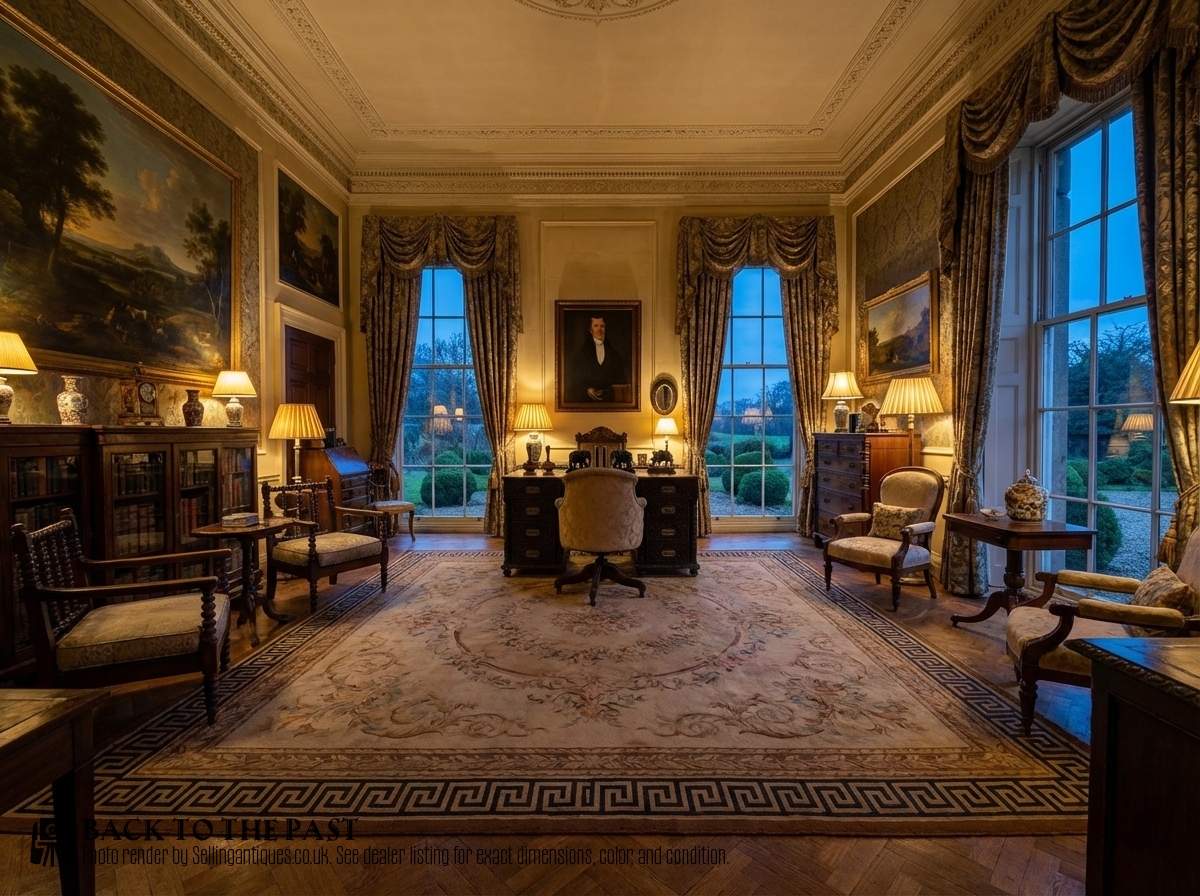
Carved Wooden Study Desk
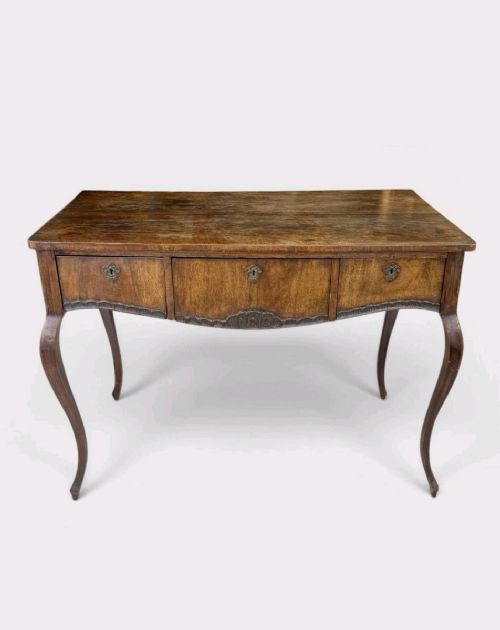
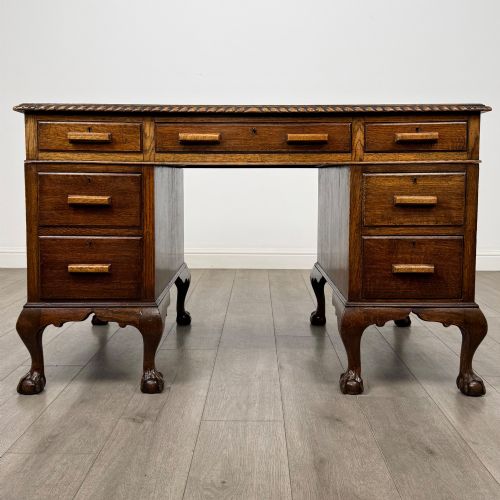
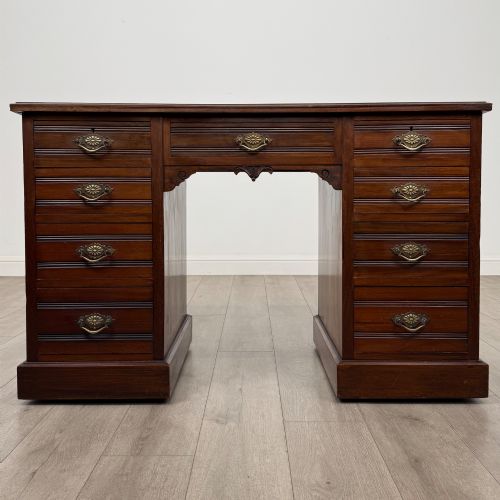
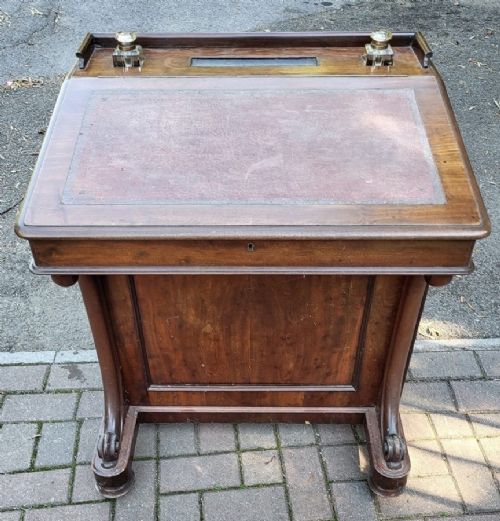
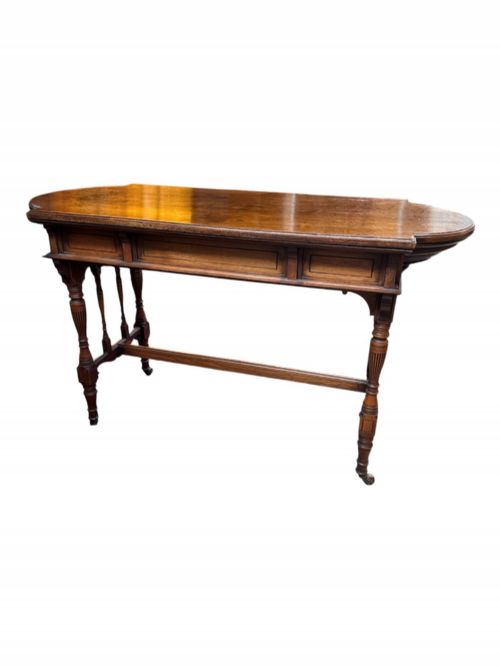
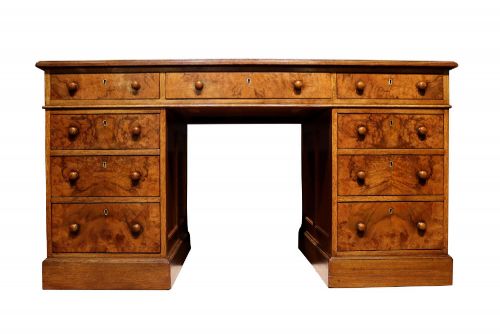
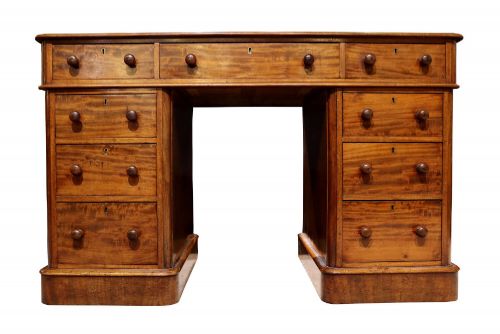
When searching for a carved wooden study desk, buyers encounter a variety of forms including large pedestal desks, compact writing tables, and specialised davenports. These pieces primarily date from the nineteenth and early twentieth centuries, spanning the Victorian and Edwardian periods.
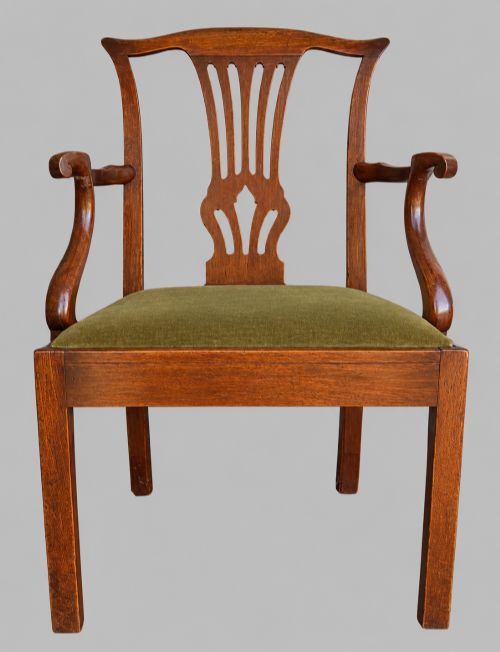
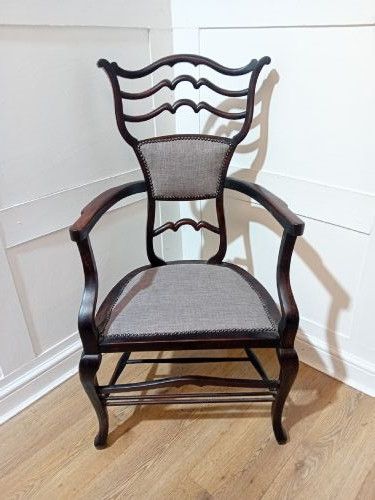
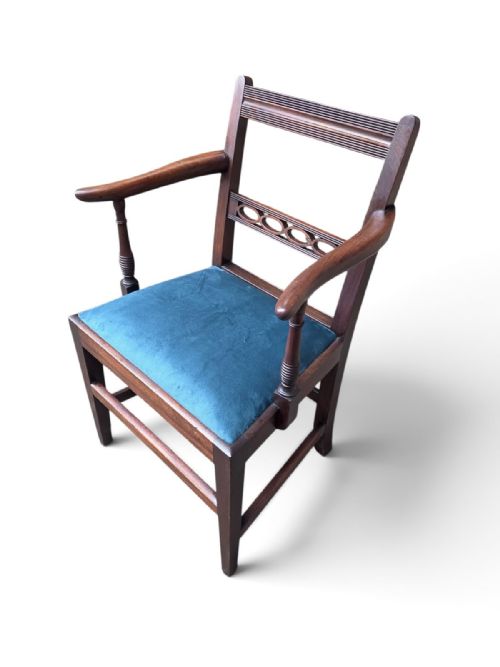
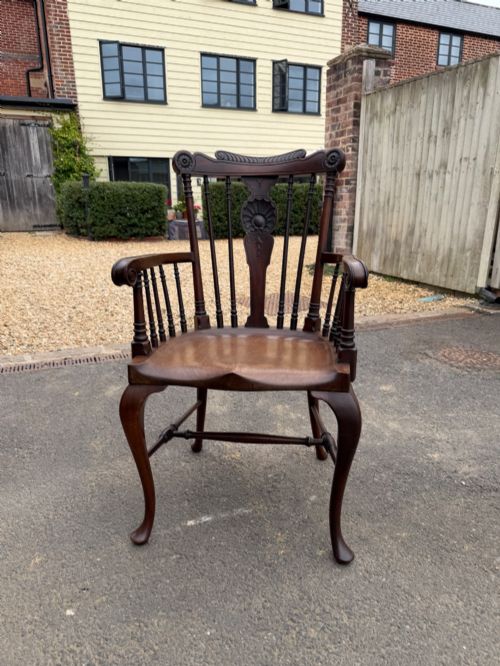
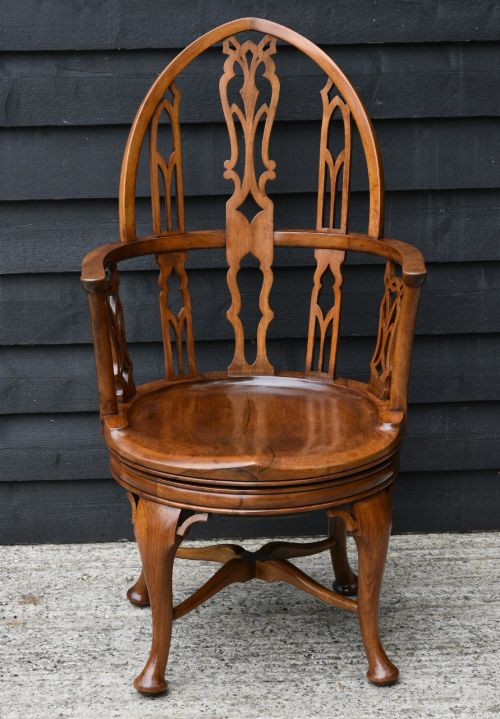
Mahogany, oak, and walnut appear frequently across the selection, often complemented by burr walnut veneers or detailed carved elements. Alongside the desks themselves, related seating such as open armchairs and revolving desk chairs surface regularly within the listings.
The aesthetic range draws on historical revivals like Chippendale and Georgian styles, alongside Aesthetic Movement and Black Forest designs. Buyers are most likely to find practical pedestal arrangements and writing tables suited for daily use.
Materials and construction methods
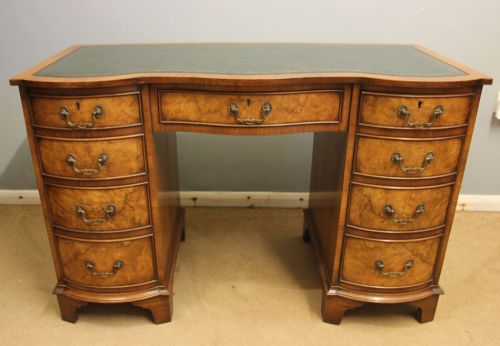
Cabinet makers utilised dense hardwoods such as mahogany, oak, and walnut to build the primary structures of these desks. Burr walnut and maple veneers were frequently applied to drawer fronts and writing surfaces to introduce striking grain patterns.
Carving was executed by hand, appearing on table rims, structural framing, and associated items like bookends and chair splats. Secondary materials such as brass handles, leather inserts, and velvet or fabric pads complete the construction of the working surfaces.
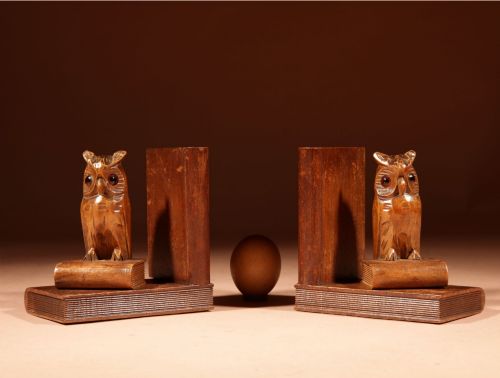
Black Forest carved wooden owls double as watchful desk bookends, keeping ledgers upright with carved feathered concentration.
Distinctions in build and design
Quality in these desks is determined by the selection of timber figures, such as matched burr walnut veneers, and the depth and crispness of hand carving. Heavier timber frames and substantial pedestal construction indicate superior cabinet work.
Design ambition separates standard commercial office furniture from exhibition pieces created by notable designers or firms. Integrated details, such as revolving mechanisms on chairs or complex internal stationery fittings, distinguish finer examples.
Maple and Co·George Faulkner Armitage·Étienne Kohlmann
The Carved Wooden Study Desk Glossary
- Pedestal desk
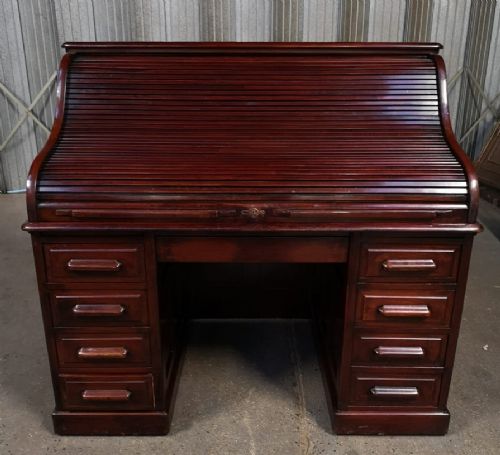
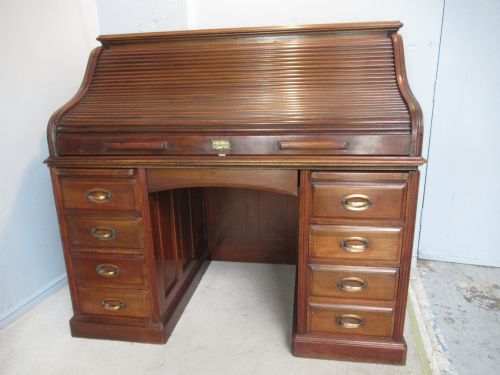
- A heavy freestanding desk comprising two independent pedestals of drawers with a central connecting writing section. This form provides substantial storage beneath the top surface.
- Davenport
- A compact form of writing desk featuring a sloping lid over a set of side drawers, originating in the late eighteenth century and remaining popular through the Victorian era.
- Roll top desk
- A desk fitted with a slatted wooden cylinder that pulls down to enclose the writing surface and pigeonholes. It allows paperwork to be concealed quickly.
- Bonheur de jour
- A light lady's writing desk featuring a small set of drawers and shelves arranged upon the main work surface. This French form translates directly to day-boon.
- Burr walnut
- Timber taken from the abnormal growth of a walnut tree, yielding intricate, swirling grain patterns. It was sliced into thin veneers for decorative furniture surfaces.
Carved Wooden Study Desk: Frequently Asked Questions
How do I identify an Edwardian desk?
Edwardian desks generally date from the period between 1901 and 1910, reflecting lighter proportions than their heavy Victorian predecessors. They often utilise mahogany or walnut and frequently incorporate Chippendale revival design motifs.
Construction details remain sturdy, but the overall aesthetic tends towards refined elegance rather than imposing bulk.
What is a Davenport desk?
A Davenport is a compact writing desk featuring a sloped, hinged writing surface above a bank of drawers accessed from the side. Many examples incorporate small stationary compartments hidden beneath the upper superstructure.
Originating for use in smaller rooms or on ships, this form often showcases decorative burr walnut or inlaid wood.
Are these desks suitable for daily work?
These historical desks are well-suited for modern study use, offering sturdy solid wood construction and functional drawer space. Many models accommodate laptops and everyday writing instruments comfortably.
Pairing a desk with a period revolving armchair or library chair completes a functional and traditional workspace.