



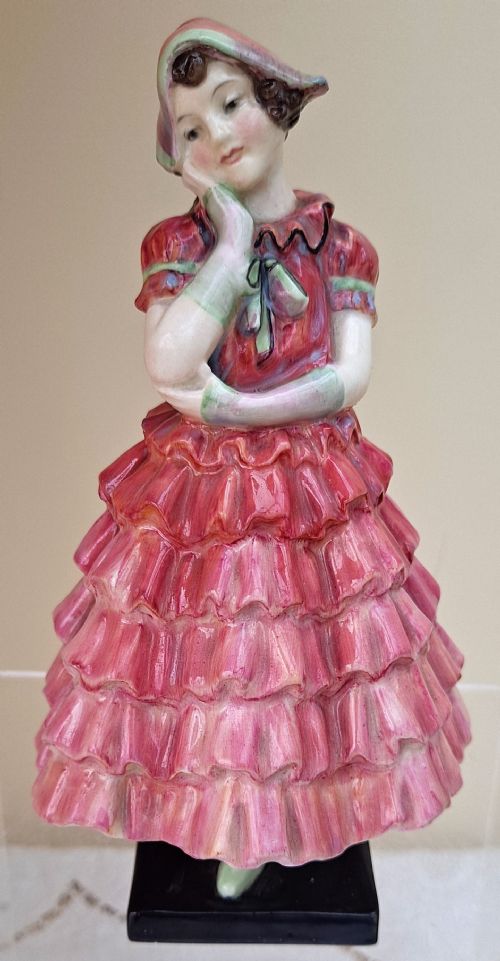


Collectable Porcelain Lady
These collectable porcelain lady figures and powder bowls bring characterful charm to a room, capturing decades of domestic history in delicate ceramic form.
Collectable Porcelain Lady
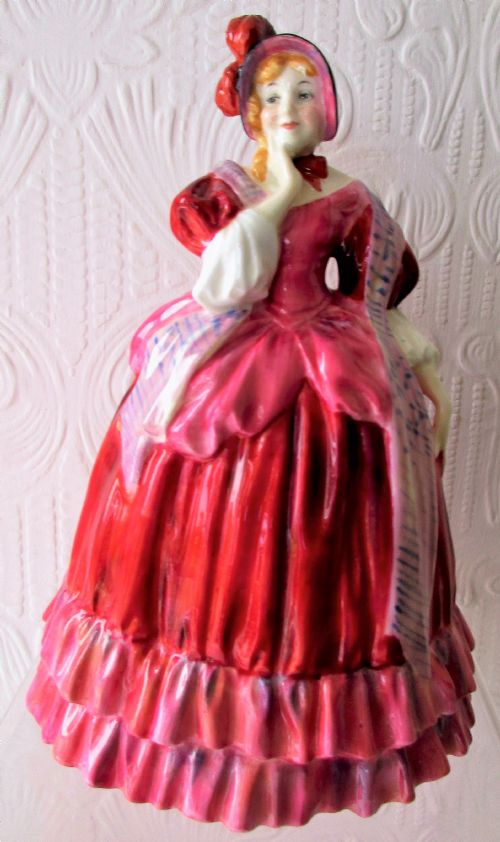
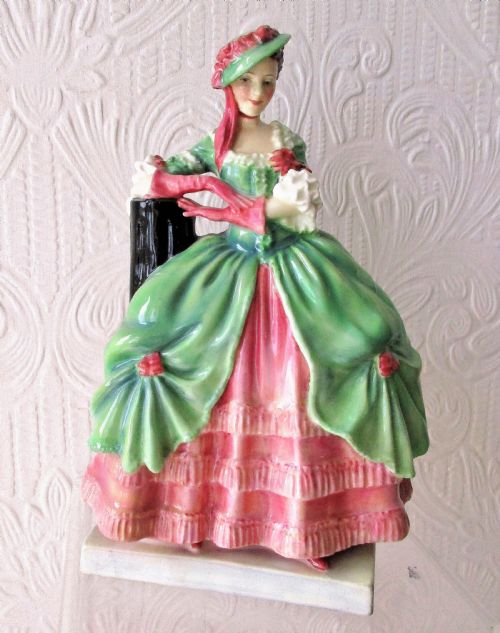
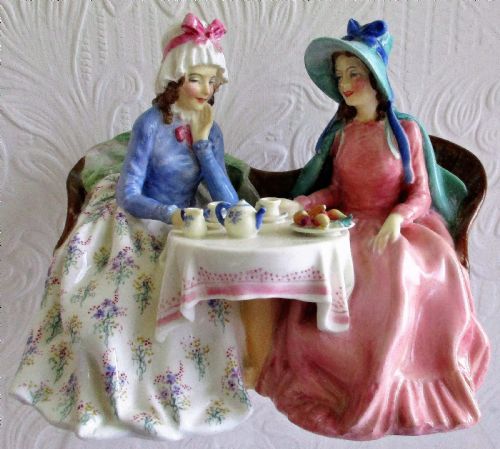
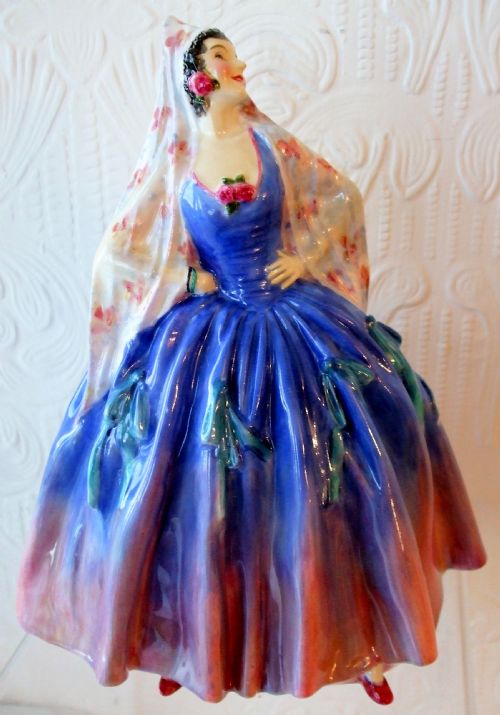
When searching for a collectable porcelain lady, buyers encounter a diverse selection of decorative figurines, powder bowls, and pin cushion dolls. These pieces originate from distinct historical periods, spanning the mid nineteenth century through the mid twentieth century.
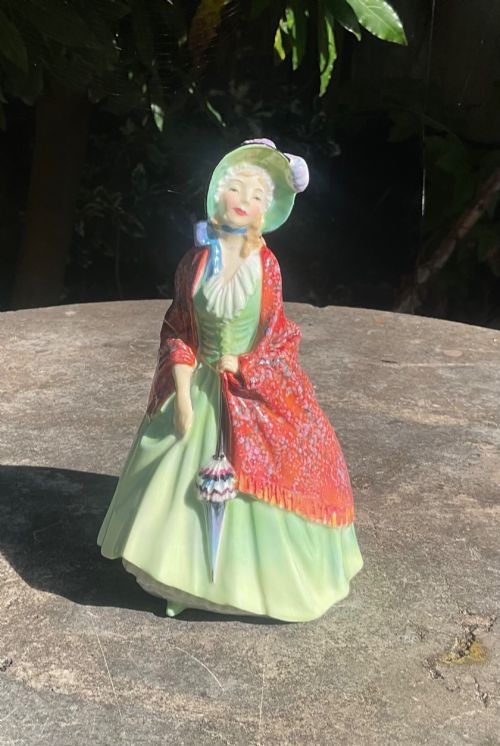
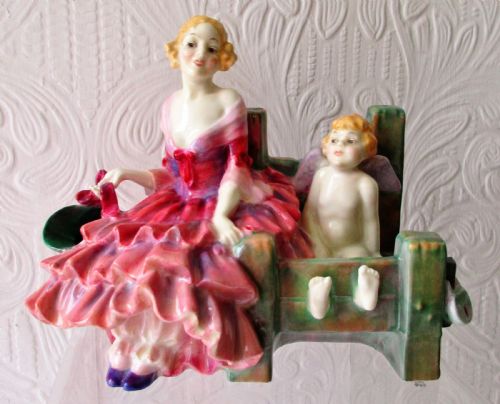
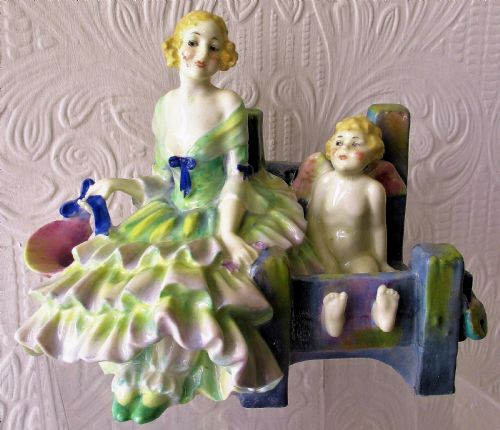
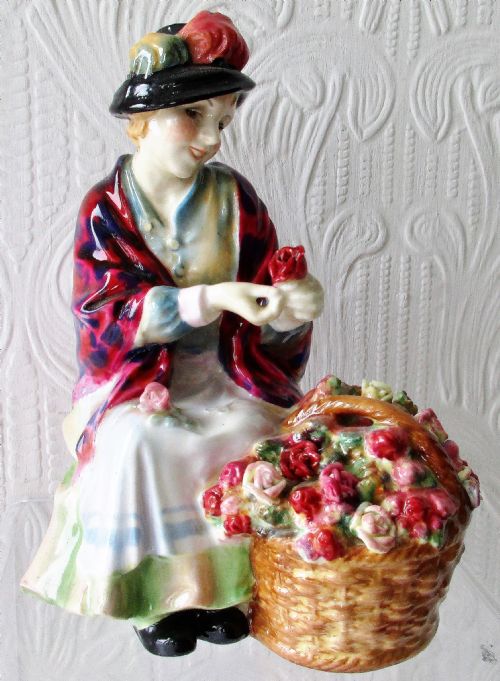
The most common examples on this page are twentieth century English figurines depicting named characters and historical scenes. Alongside these sit French figures and Art Deco pieces from the nineteen thirties.
Makers ranged from large Staffordshire potteries to continental porcelain works. Each object captures a specific aesthetic of its era, from Rococo Revival curves to clean Art Deco lines.
How they were made
These pieces rely on bone china, porcelain, and ceramic bodies shaped into detailed forms. Artisans applied smooth glaze and ceramic glaze over the clay base before firing.
Listings feature items from the Edwardian era through to the nineteen forties, spanning bone china, porcelain, and ceramic glaze.
What varies in quality
Quality rests in the crispness of the moulding and the delicacy of the hand painted enamel work. Superior examples display subtle shading on the face and intricate detail in the clothing patterns.
The application of glaze and gilt also marks the distinction between standard production and finer studio execution. Better pieces retain clear definition in fingers, facial expressions, and accessory details.
Royal Doulton·Royal Worcester·Samson, France·Fasold & Stuach
The Collectable Porcelain Lady Glossary
- Bone china
- A type of soft porcelain containing bone ash that yields a bright white finish. It allows for thinner walls while maintaining structural strength.
- Porcelain
- A ceramic material made by heating materials, generally including kaolin, in a kiln. It fires to a vitrified, non porous state.
- Glaze
- A glassy coating fused to ceramicware through firing. It seals the porous clay body and provides a smooth surface.
- Enamel
- Opaque glass applied to the ceramic surface as decoration. It vitrifies during a secondary low temperature firing to add permanent colour.
- Pin cushion doll
- A half doll ceramic upper body attached to a fabric cushion. Victorian and Edwardian sewing baskets commonly utilised these decorative items.
- Powder bowl
- A decorative lidded container designed to hold cosmetic powder. These vanity accessories often featured sculpted figures on the lid.
Collectable Porcelain Lady: Frequently Asked Questions
What periods do these pieces date from?
The selection spans several distinct eras, including mid nineteenth century French work and Edwardian productions. The majority date from the nineteen thirties and nineteen forties.
Twentieth century pieces often reflect Art Deco design sensibilities or historical revival styles. Each period brings distinct clothing styles and facial modelling to the figures.
How were pin cushion dolls used?
Pin cushion dolls served a practical domestic purpose in nineteenth and early twentieth century sewing rooms. The ceramic upper torso attached to a stuffed fabric base.
Tailors and home sewers used the fabric portion to store pins and needles close at hand. The decorative porcelain head and shoulders added elegance to sewing tables.
What is a powder bowl?
Powder bowls functioned as decorative containers for cosmetic face powder on dressing tables. A sculpted porcelain lady often sat atop the removable lid.
These vanity items were popular accessories during the early twentieth century. They combined practical storage with decorative sculpture for the bedroom.
How do I care for antique porcelain?
Antique porcelain requires gentle handling due to the delicate nature of glazed ceramic and applied details. Dusting with a soft brush keeps the surface clean.
Keep pieces away from direct sunlight to protect the enamel colours and gilt work. Avoid using harsh chemical cleaners or submerging painted surfaces in water.