




18th Century Dress Figure
An 18th century dress figure brings early British craftsmanship into a room through walnut furniture and delicate porcelain forms.
18th Century Dress Figure
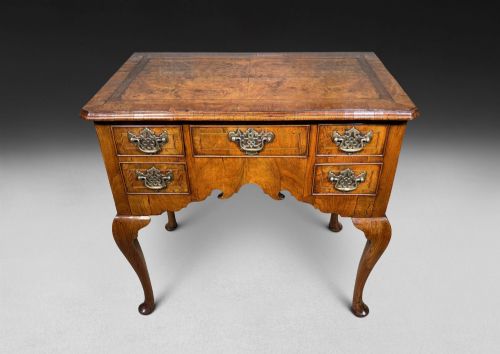
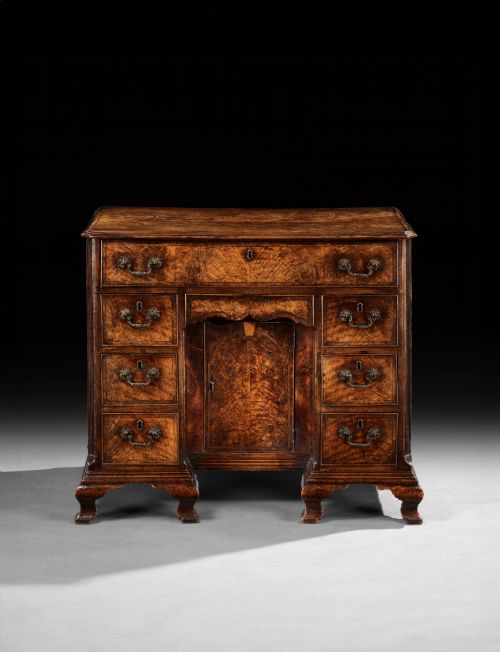
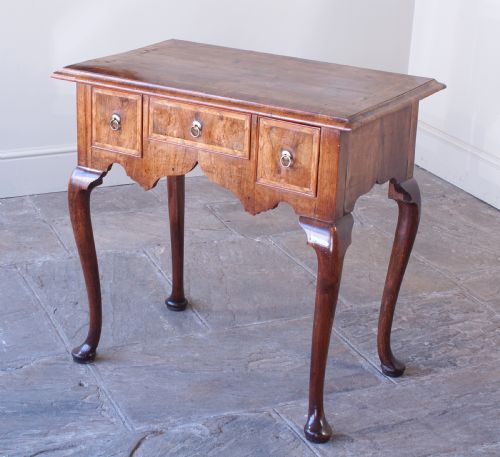
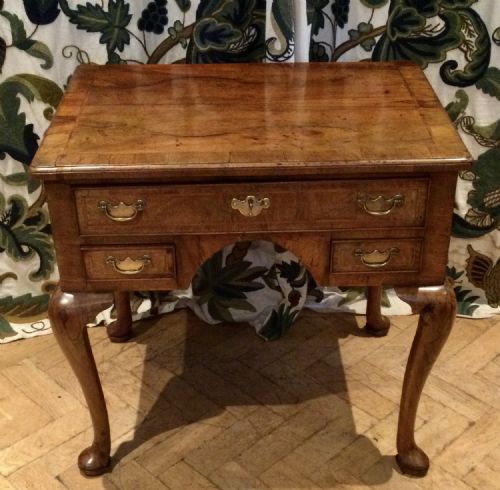
The search for an 18th century dress figure brings together walnut desks, lowboys, and dressing chests alongside porcelain figurines from the Georgian period.
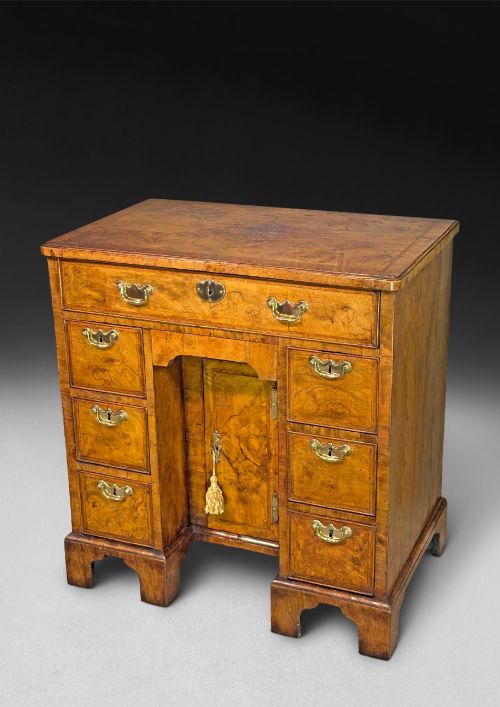
Buyers encounter walnut kneehole desks from the George I and George II eras, as well as porcelain figures produced by factories like Derby and Samson.
Some examples date from the Victorian revival periods while others originate directly in the eighteenth century.
Materials and construction methods
Furniture pieces utilise figured walnut, burr walnut, and oak timbers, often displaying carefully matched grain patterns across drawer fronts and table tops.
Porcelain figurines are shaped from ceramic pastes and finished with hand-painted enamel colours to depict human subjects in period attire.
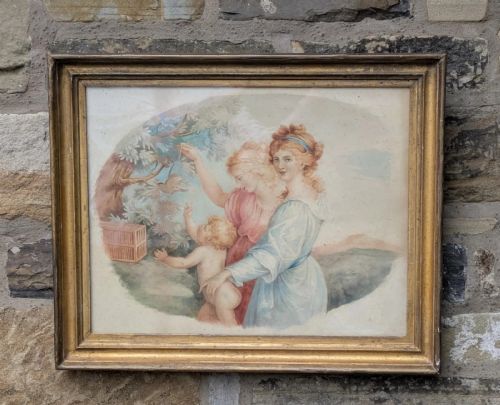
The listings span walnut furniture from the George I and George II periods alongside porcelain figures and watercolours.
Differences in quality and execution
Quality separates through the choice of timber figurations, such as burr and fiddleback walnut veneers, compared to plainer grain selections.
The crispness of modelled detail in porcelain figures and the originality of surfaces on wooden desks determine the standing of individual pieces.
Charles D Agar·Philip Mercier·Samson·Derby
The 18th Century Dress Figure Glossary
- Lowboy
- A small side table or dressing table fitted with drawers, commonly produced in walnut during the eighteenth century.
- Kneehole desk
- A compact desk featuring a central recessed space for the legs, flanked by pedestals of small drawers.
- Figured walnut
- Timber exhibiting highly decorative grain patterns, prized by cabinet makers for grand domestic furniture.
- Porcelain figurine
- A small ceramic sculpture moulded in the form of a human figure and decorated with coloured glazes.
18th Century Dress Figure: Frequently Asked Questions
What is an 18th century dress figure?
An 18th century dress figure encompasses both antique porcelain ceramic pieces and wooden dressing furniture associated with the Georgian era.
The listings combine small porcelain figures in period costume with kneehole desks and lowboys used for grooming.
How were walnut desks made?
Cabinet makers built these desks using oak and pine secondary timbers faced with figured and burr walnut veneers.
Craftsmen arranged the wood grain carefully to create symmetrical patterns across the drawer fronts and writing surfaces.
How do I spot revival pieces?
Revival items date from the Victorian period or later years while adopting earlier George II or Queen Anne design conventions.
Examining the construction methods, wood ageing, and stylistic details helps distinguish these later interpretations from genuine eighteenth-century work.