




French Ceramic Figurine
A french ceramic figurine brings centuries of continental craftsmanship, charm and character straight to a cabinet.
French Ceramic Figurine
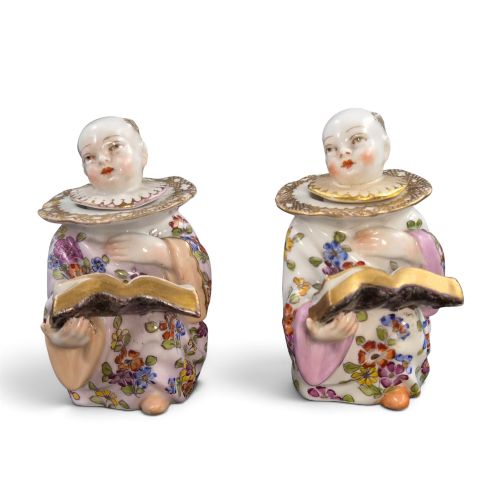
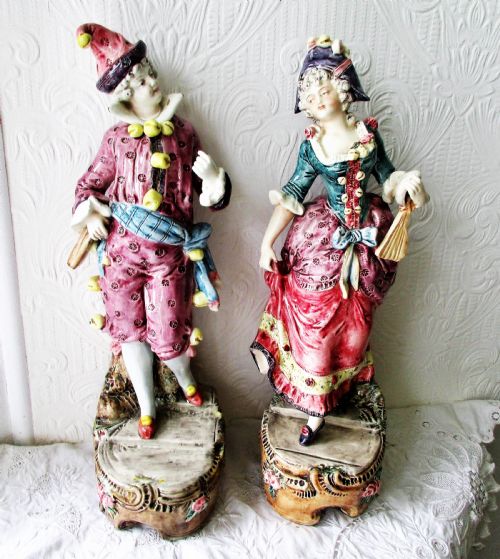
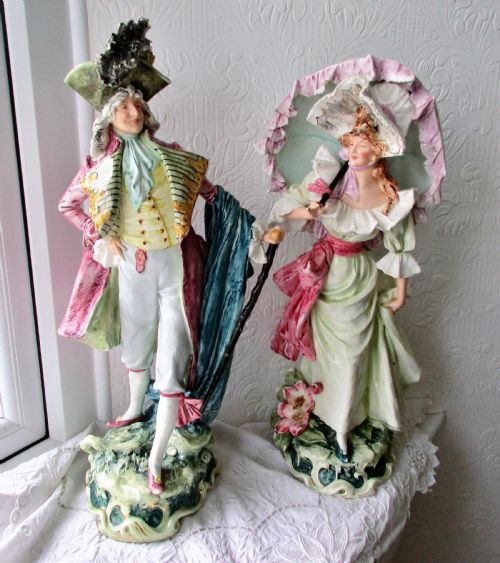
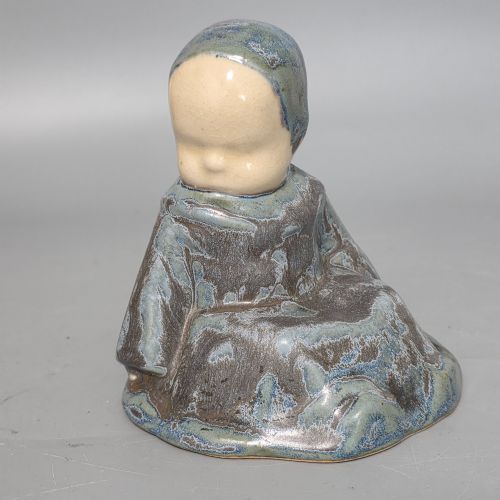
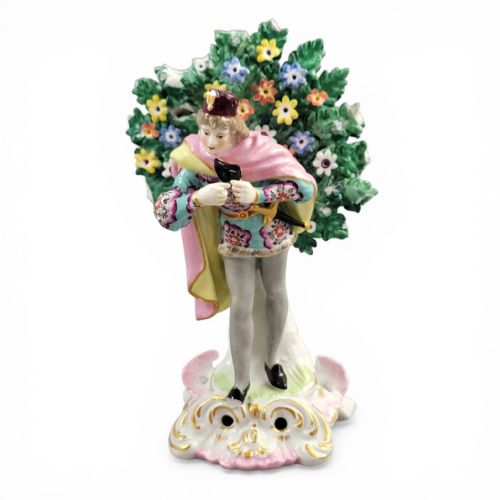
A french ceramic figurine encompasses a wide spectrum of historical objects, from nineteenth-century porcelain groups to art deco earthenware. The pieces on this page span diverse forms, including decorative sculptures, inkwells, lamps and figural perfume bottles.
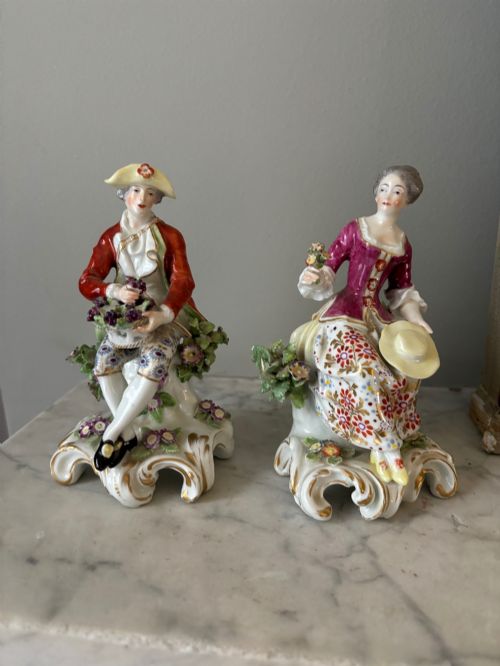
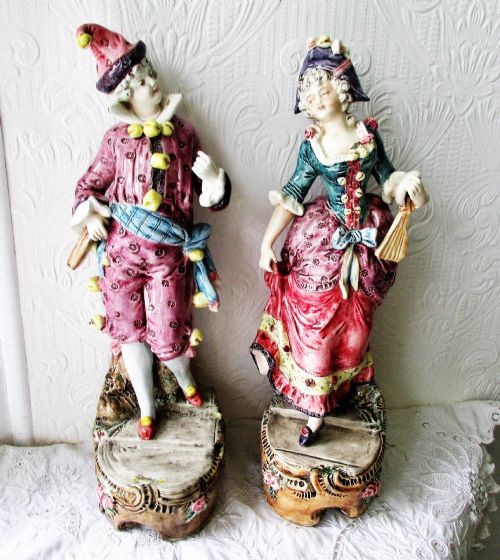
Nineteenth-century examples frequently lean towards neoclassical or rococo revival aesthetics, depicting gallants, shepherdesses and mythological subjects. Twentieth-century iterations shift towards art deco depictions of animals, flapper girls and stylised figures from regional potteries like Quimper.
Paris porcelain workshops and factories such as Edmé Samson dominate the selection, often producing pieces inspired by earlier English or continental traditions. Buyers encounter everything from delicate biscuit porcelain lace groups to robust earthenware carnival figures.
Materials and production techniques
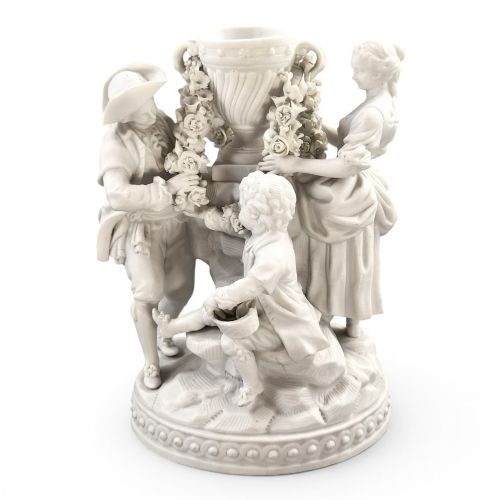
Makers utilised various ceramic bodies, predominantly hard-paste and soft-paste porcelain, alongside earthenware, stoneware and unglazed bisque porcelain. Biscuit porcelain offered a matte, marble-like finish popular for sculptural groups and portrait busts.
Decoration relied heavily on hand-painted enamel colours, rich gilding with gold leaf, and glossy or crackle glazes. Finer details often incorporated applied floral garlands, delicate porcelain lace, and glass eyes in animalier sculptures.
French Ceramic Figurine Retail Price Guide 2026
Typical asking prices for french ceramic figurine among the pieces listed under this phrase on Sellingantiques today, from the lower quarter to the upper quarter. They describe what is for sale here now, not the wider market.
Listings feature periods spanning from the eighteenth century to the art deco era, incorporating materials from soft-paste porcelain to stoneware.
Markers of distinction and quality
Quality rests in the crispness of the moulding and the delicacy of the hand-painted details, particularly facial expressions and costume patterns. Superior pieces maintain fine definition in fingers, foliage and drapery without losing structural clarity.
The sophistication of the glaze and gilding distinguishes workshop output, where precise brushwork and controlled firing elevate the piece. Maker marks and imitation anchor or gold marks also indicate the provenance and ambition of the Paris potteries.
Edmé Samson·Vion & Baury·Letu & Mauger·Berthe Savigny·Jacob Petit·Bourdois & Bloch·La Coutille Factory·Niderviller Porcelain
The French Ceramic Figurine Glossary
- Biscuit porcelain
- Unglazed white porcelain fired to a matte, tactile finish resembling marble. This body was favoured for neoclassical sculptures and detailed portrait busts.
- Faience
- Tin-glazed earthenware produced across continental Europe. It provides an opaque white surface suitable for painted decoration.
- Soft-paste porcelain
- An artificial porcelain composition fired at lower temperatures than hard-paste. It possesses a warm, slightly creamy translucency.
- Gold leaf
- Extremely thin sheets of beaten gold applied to ceramic surfaces for highlights and trim. It frequently accentuates Rococo revival garments and bases.
- Chinoiserie
- European artistic style reflecting Chinese motifs and cultural themes. This aesthetic appears on eighteenth-century and nineteenth-century figure groups.
French Ceramic Figurine: Frequently Asked Questions
How do I identify biscuit porcelain?
Biscuit porcelain is characterised by its unglazed, matte surface texture which resembles smooth marble rather than shiny ceramic. It lacks the glossy vitreous sheen found on standard glazed figures.
This material allowed makers to capture extremely fine details in facial expressions and drapery without the glaze softening the edges during firing.
What is Paris porcelain?
Paris porcelain refers to the output of numerous independent workshops and decorating studios operating in and around Paris from the eighteenth century onwards. These makers often purchased blank porcelain bodies or produced their own inventive wares.
Stylistically, they drew on diverse inspirations, ranging from neoclassical revival models to direct interpretations of Chelsea and Derby figures.
Why do some figures have imitation marks?
Many nineteenth-century Paris factories, notably Samson, produced high-quality figures in the style of earlier European potteries like Meissen, Chelsea or Derby. They added simulated marks as a tribute to those historic traditions rather than as simple deception.
These pieces are now collected in their own right for their exceptional craftsmanship and adherence to historical forms.
How should I display ceramic figures?
Ceramic and porcelain figures benefit from stable placement within enclosed cabinets away from direct sunlight and heavy foot traffic. Ensuring they rest on level surfaces protects delicate extremities like lace, fingers and applied floral garlands.
Avoid positioning them near heat sources that might stress historic glazes or fragile joints over time.