


Rococo Porcelain Lady
These rococo porcelain lady pieces bring the ornate grace of eighteenth-century court style into your home.
Rococo Porcelain Lady
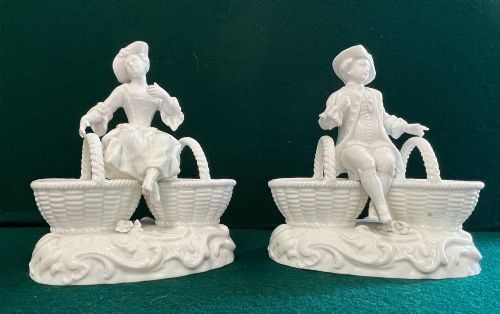
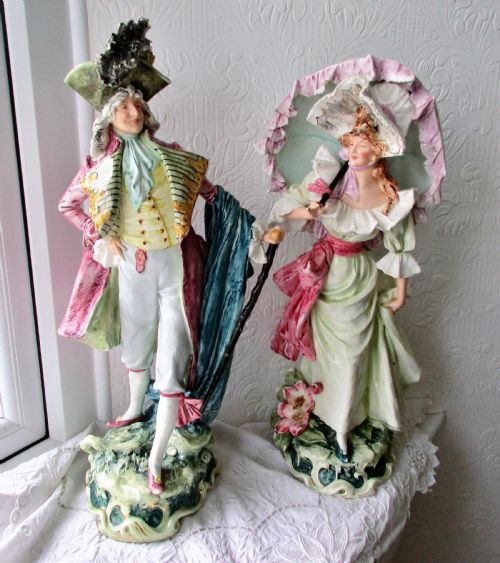
A rococo porcelain lady represents the theatrical elegance and playful charm of eighteenth-century European courts, cast in glazed or biscuit ceramic. When you search for a rococo porcelain lady, you encounter standalone figurines, mounted writing cabinets, and decorative vases carrying similar motifs. These figures wear voluminous skirts, elaborate bodices, and powdered wigs, often posed in theatrical gestures or quiet repose.
The pieces appearing on this page span several distinct periods, reaching from eighteenth-century originals down to nineteenth-century revivals. Eighteenth-century examples originate from factories such as Meissen or Ludwigsburg, capturing the true spirit of the period. Nineteenth-century interpretations, including pieces in the style of Vion et Baury or Samson, emulate the earlier forms with considerable technical skill and distinct ceramic bodies.
Materials and production methods
Makers integrated ceramic plaques directly into larger pieces of furniture, combining porcelain with kingwood, rosewood, and ormolu mounts. Cabinets and writing desks feature Sevres porcelain plaques set into wooden frames, bordered by cast and gilt brass ornamentation. This combination of ceramic and cabinetmaking demonstrates the diverse applications of porcelain within domestic decoration.
One sleeping lady rests indefinitely inside an armchair, proving that even eighteenth-century court figures occasionally required a nap.
Distinctions in quality
Quality rests upon the crispness of the modelling and the sensitivity of the hand-painted details on the ceramic surface. Superior pieces exhibit fine definition in the facial expressions, lace borders, and hand-modelled flowers, whereas lesser examples show softer contours and hurried brushwork. The precision of the ormolu mounts and the selection of figured kingwood similarly elevate the status of integrated furniture pieces.
The authority of the manufacturer also dictates the standing of a piece within its category. Figures bearing direct factory marks from Meissen or Ludwigsburg demonstrate an established standard of period execution. Revival pieces rely entirely upon the individual sculptor's skill in capturing the movement and vitality associated with the French rococo aesthetic.
Meissen·Ludwigsburg·Samson·Vion et Baury·Robert Strachan and Co
The Rococo Porcelain Lady Glossary
- Biscuits
- Unglazed white porcelain fired to create a matte, marble-like surface texture. This finish became popular in the nineteenth century for figures.
- Ormolu
- Gilt-bronze mounts applied to furniture and decorative objects for ornamentation. The technique involves treating brass or bronze with an amalgam of gold.
- Faience
- Tin-glazed earthenware produced across Europe, distinct from true porcelain. It offers a heavier body and softer glaze than hard-paste ceramic.
- Sevres
- The premier French porcelain manufactory established in the eighteenth century. Its plaques and vessels feature distinctive colours and rich gilding.
- Kingwood
- A dense tropical timber with rich violet-brown figuring utilised in fine French cabinetry. Makers prized it for veneering small desks and cabinets.
Rococo Porcelain Lady: Frequently Asked Questions
What is a rococo porcelain lady?
A rococo porcelain lady is a ceramic figurine or decorative plaque depicting a woman in eighteenth-century court attire, styled with asymmetric curves and ornate detail. These pieces capture the theatrical elegance of the French Louis XV period.
They appear both as standalone cabinet figures and as ceramic inserts mounted into nineteenth-century writing desks and cabinets.
How do I tell eighteenth century from nineteenth century?
Eighteenth-century figures typically display the paste characteristics, factory marks, and modelling conventions of early European kilns such as Meissen. Nineteenth-century revival pieces often feature heavier bases, different glaze compositions, or distinct maker marks.
Examining the underside of the ceramic and the style of any painted details helps clarify the period of production.
Where were these porcelain figures made?
European porcelain figures originated in major ceramic centres across Germany and France, including Meissen, Ludwigsburg, and Paris. French cabinetmakers subsequently incorporated these ceramic elements into desks and decorative furniture.
Regional factories developed distinct clay bodies and painting styles that identify their geographical origin.
How should I care for porcelain and ormolu?
Dust porcelain surfaces gently with a soft, dry brush and avoid harsh cleaning agents that might damage delicate enamel colours. Keep gilt-bronze mounts free of moisture to preserve the original metal finish.
Stable room temperatures and protection from direct sunlight prevent fading and structural stress on combined furniture pieces.