


Cobalt Blue Tableware
Cobalt blue tableware brings deep ceramic colour and brilliant glass to the dining table, offering centuries of historic craftsmanship for modern meals.
Cobalt Blue Tableware
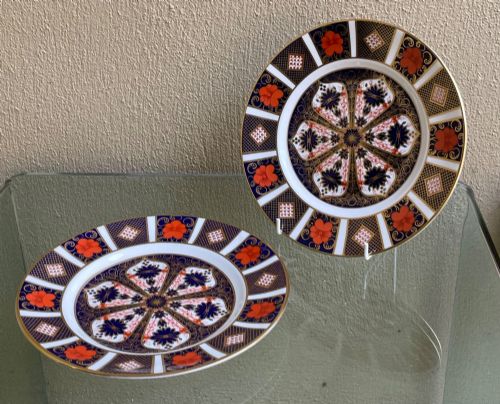
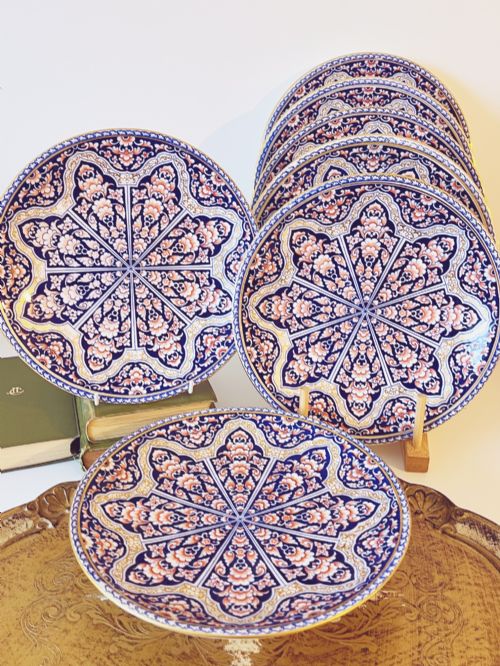
The most common versions met here include nineteenth-century transfer-printed pottery, rich porcelain dessert services, and delicate glass pieces such as Georgian cream jugs and sugar bowls. These items capture the enduring appeal of deep blue ceramic pigments and cobalt glass in domestic settings.
How they were made
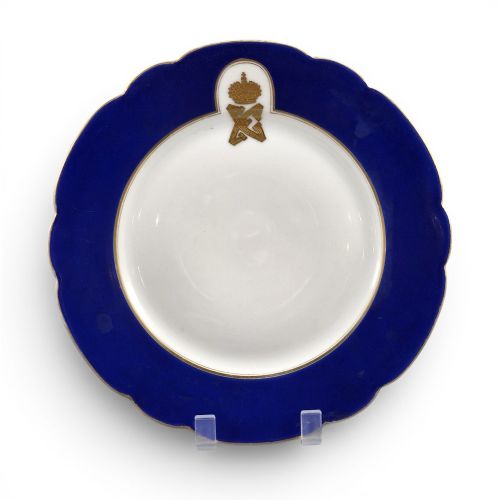
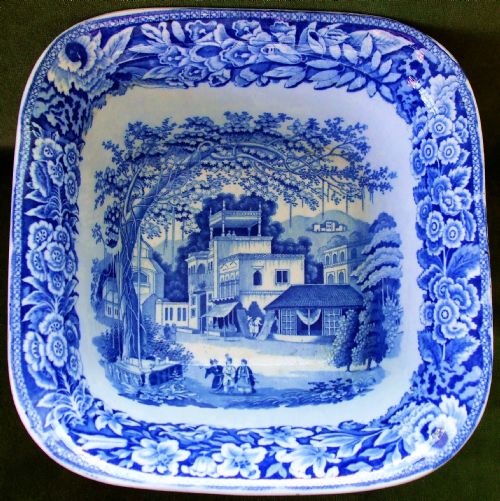
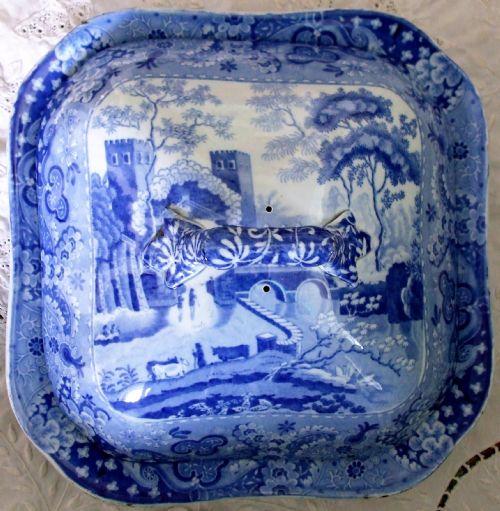
Pottery and porcelain items rely on cobalt oxide glaze or blue transfer printing applied to earthenware and ironstone bodies before firing at high temperatures. This technique ensures the deep blue decoration bonds permanently with the ceramic surface.
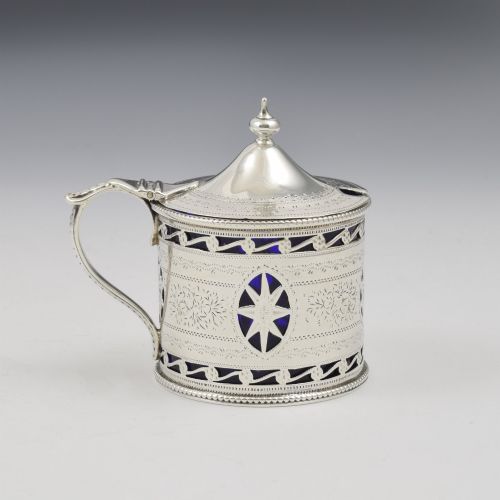
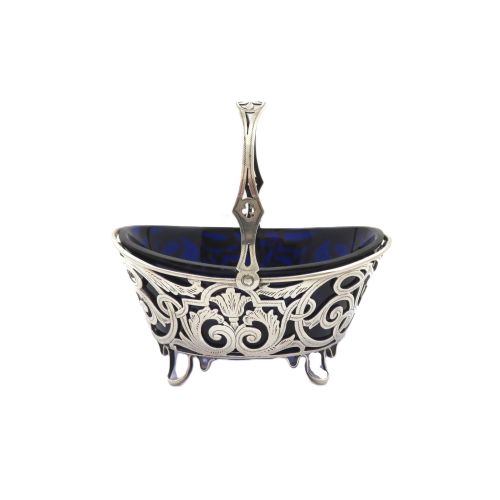
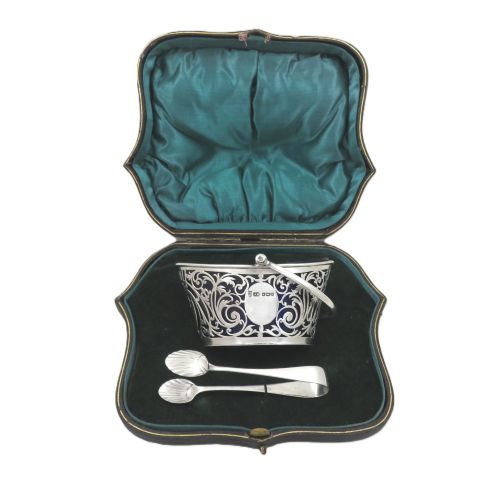
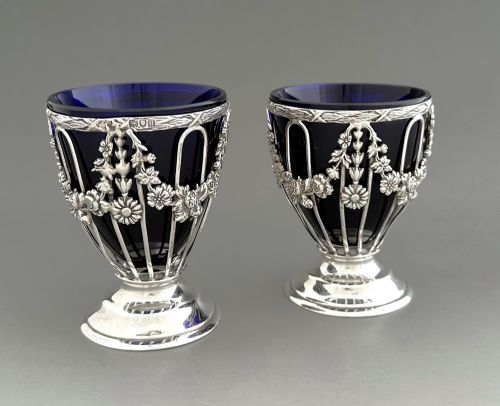
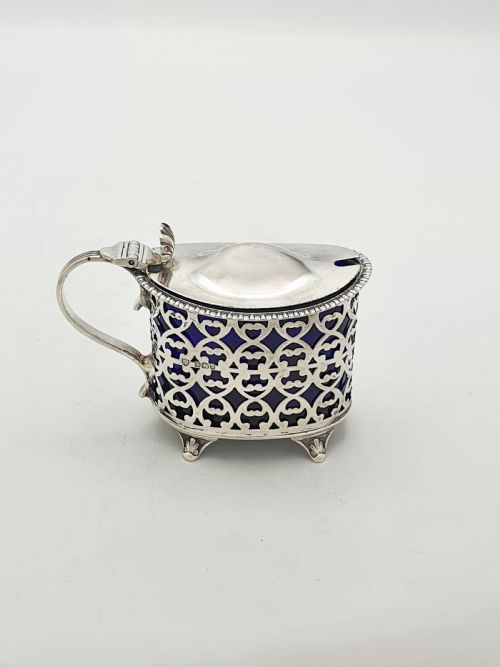
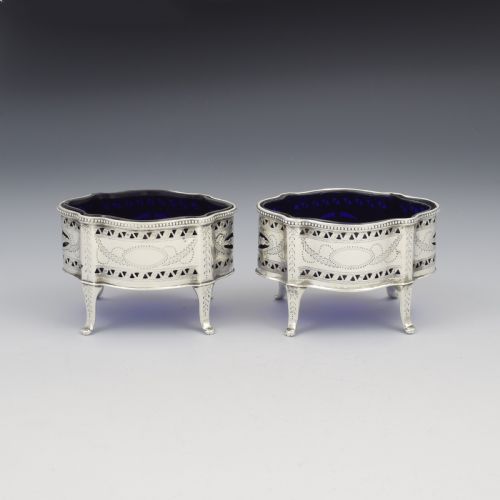
Glassware is formed using cobalt to colour the molten metal directly throughout, seen clearly in Bristol blue vessels and pressed glass salt liners. Silverwork incorporates pierced wirework and cast mounts to frame and hold these fragile glass and porcelain components securely.
Listings span the eighteenth, nineteenth and early twentieth centuries, incorporating Georgian, Victorian, Edwardian, and Art Deco design periods.
What varies in quality
Quality in these items rests on the crispness of the transfer print, the evenness of the cobalt glaze, and the weight of the underlying silver or ceramic body. Finer pieces display hand-painted precision and crisp moulding rather than blurry transfers or muddy glazes.
The presence of undamaged original components, such as matching glass liners in silver salt cellars or complete sets of plates, distinguishes standard production items from exceptional surviving examples of antique tableware.
Royal Crown Derby·Nathan and Hayes·J. and R. Riley·J. and R. Clews·Mintons·Coalport·Ridgways China·Grainger and Co Royal Worcester·Chamberlain Worcester·David Andersen
The Cobalt Blue Tableware Glossary
- Transfer printing
- A technique where a design is engraved on a copper plate, printed onto tissue paper, and transferred onto unglazed or bisque pottery before firing. This method allowed intricate patterns like eastern street scenes to be reproduced consistently.
- Ironstone
- A heavy, durable type of earthenware patented in the nineteenth century to imitate Chinese porcelain. Makers such as Mason's utilised this sturdy body for large dinner services and tureens.
- Majolica
- A colourful lead-glazed earthenware introduced in the Victorian period, known for vibrant moulded relief decoration. It often forms striking cheese dishes and serving pieces.
- Guilloche enamel
- A decorative technique where engine-turned metal is covered with translucent enamel, allowing the geometric pattern underneath to show through. This finish appears on silver gilt napkin rings.
- Wrythened
- A twisted or spiralled decorative moulding often found in Georgian glassware. This optical effect catches the light across cream jugs and egg cups.
Cobalt Blue Tableware: Frequently Asked Questions
Are these ceramic pieces safe for daily dining?
Many nineteenth-century plates and bowls remain structurally robust enough for occasional modern dining use. However, crazing in older earthenware can absorb liquids and food oils over time.
Hand washing is essential for all antique ceramics, as modern dishwashers use aggressive detergents and high heat that will ruin historic glazes and fragile silver gilt.
How can I date transfer-printed pottery?
Transfer-printed pottery is dated by examining the backstamps, the ceramic body, and the specific pattern name recorded in factory archives. Makers often changed their registry marks or style identifiers across decades.
Comparing the depth of the blue transfer and the style of the border against known period examples helps narrow down the exact manufacturing window.
What is the purpose of a spoon warmer?
Victorian spoon warmers were decorative ceramic vessels filled with hot water from the sideboard kettle. They kept silver mustard and gravy spoons warm during formal multi-course meals.
Guests or servants would retrieve the warmed spoons when serving sauces or condiments from matching tureens.