


Staffordshire Pottery Tureen
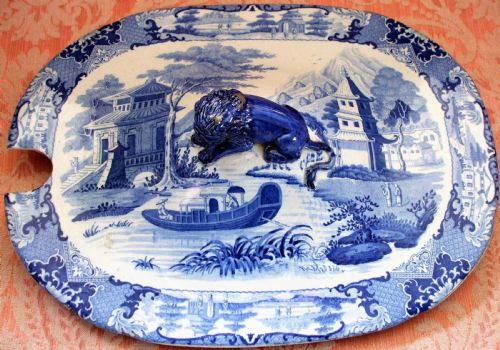
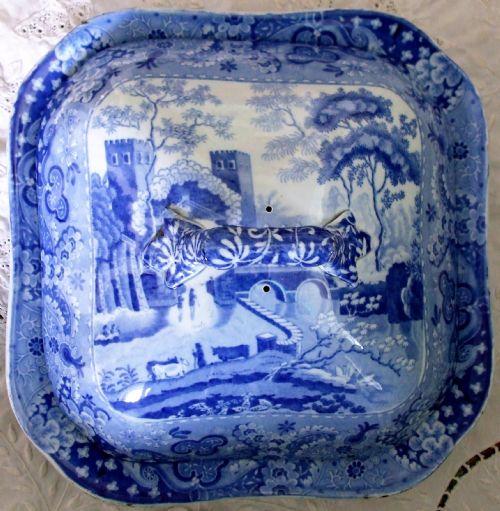
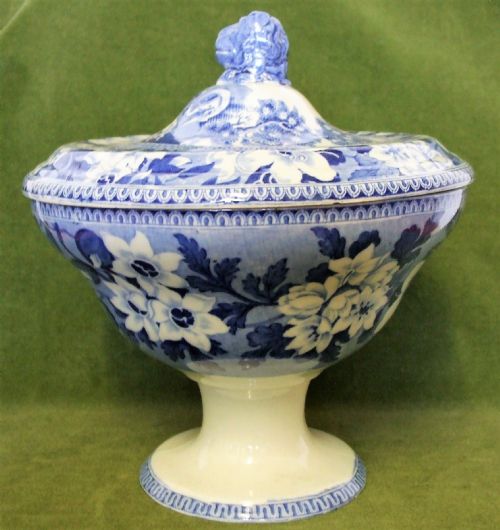
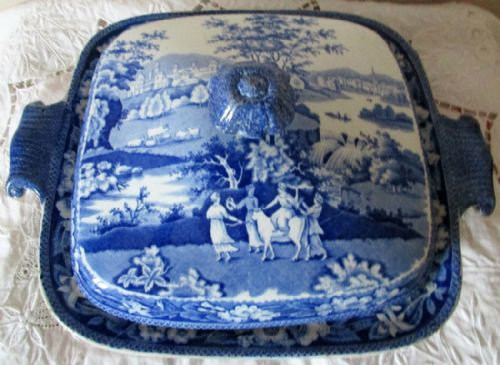
These staffordshire pottery tureen pieces bring robust 19th-century utility and charming transfer-printed character directly to the table.
Staffordshire Pottery Tureen
When searching for a staffordshire pottery tureen, collectors encounter substantial vegetable tureens, sauce vessels, and novel animal-shaped egg crocks. These domestic pieces span the Georgian, Victorian, and Edwardian periods.
The selections here highlight blue and white transfer-printed tableware alongside figural bird and animal forms like hens, doves, and cabbages.
Materials and Methods
Potters shaped these vessels from earthenware and pearlware, applying fluid glazes and rich enamel colours to the finished bodies. Transfer printing allowed workshops to repeat complex topographical and pictorial scenes across large dinner services.
Specialised lead glazes provided a glossy surface finish, protecting the underlying ceramic body and the delicate blue pigments from daily wear.
Listings feature earthenware and pearlware materials alongside transfer-printed patterns spanning the Georgian and Victorian eras.
Assessing Quality
Excellence in these items rests upon the crispness of the transfer print and the clarity of the glaze across complex mouldings. Well-modelled figural tureens display sharp feather or leaf details rather than softened contours from worn production moulds.
The finest examples retain matching covers and stands, showing careful alignment in the blue and white patterns and minimal kiln distortion during firing.
Robert Hamilton·J. & R. Clews·John Rogers & Son·John and Richard Riley·James Wallace & Co.
The Staffordshire Pottery Tureen Glossary
- Pearlware
- A refined earthenware body featuring a faint bluish tinge in the glaze, developed to rival porcelain. It dominated Staffordshire production in the early 19th century.
- Transfer printing
- A decoration technique where a design is engraved on a copper plate, inked, and transferred via tissue paper onto the ceramic surface before glazing.
- Flow blue
- A Staffordshire style where cobalt blue ink intentionally blurred during the kiln firing, creating a soft, hazy effect across the ceramic body.
- Earthenware
- Porous ceramic fired at lower temperatures, requiring an impermeable glaze to hold liquids effectively.
- Vegetable tureen
- A large covered serving vessel designed for holding cooked vegetables at the dining table, often accompanied by a matching undertier or stand.
Staffordshire Pottery Tureen: Frequently Asked Questions
How do I date a staffordshire pottery tureen?
Dating relies on stylistic clues, ceramic bodies such as early pearlware versus later ironstone, and printed maker marks on the base. Archival pattern names also help narrow the decade of production.
Changes in glaze formulation and the depth of the blue transfer print further distinguish Georgian examples from later Victorian pieces.
Can I use these tureens for serving food?
While structurally sound, antique earthenware requires careful hand washing and gentle handling to protect the historic glaze and ceramic body. Modern dishwashers and microwaves should be strictly avoided.
Displaying them or using them for dry presentation preserves the fragile surfaces from thermal shock and staining.
What is a hen on nest tureen?
These figural pieces combine a lower basket-moulded bowl with a top cover shaped as a sitting hen, pigeon, or other bird. They served as decorative egg crocks or warm table containers.
Victorian dining tables often featured novelty animal ceramics to add rustic charm to breakfast and tea services.
Why do some blue patterns look blurry?
The hazy appearance is known as flow blue, caused by chemical vapours introduced deliberately during the kiln firing process. Potters embraced this diffusion to give the printed scenery a painterly depth.
This aesthetic choice became particularly popular during the mid-19th century across child and adult dinner services.