



Covered Vegetable Bowl
A covered vegetable bowl brings the formal dining table of the Georgian, Victorian and Edwardian periods into domestic service.
Covered Vegetable Bowl
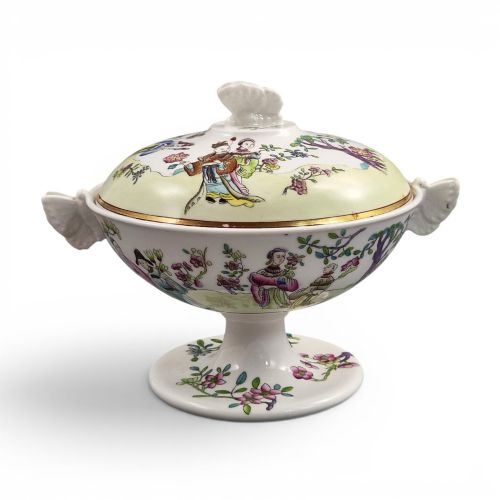
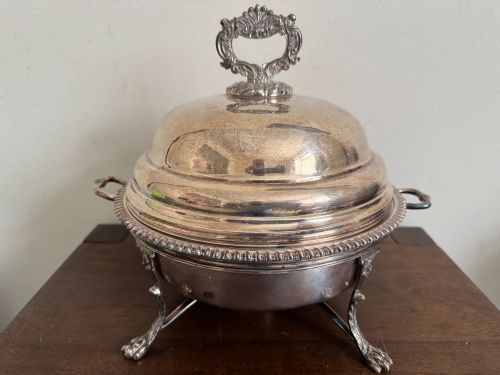
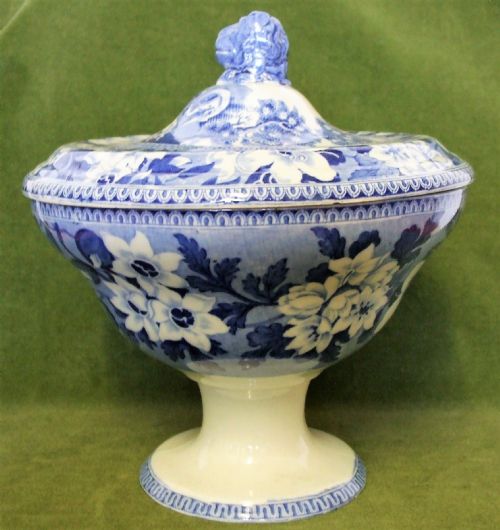
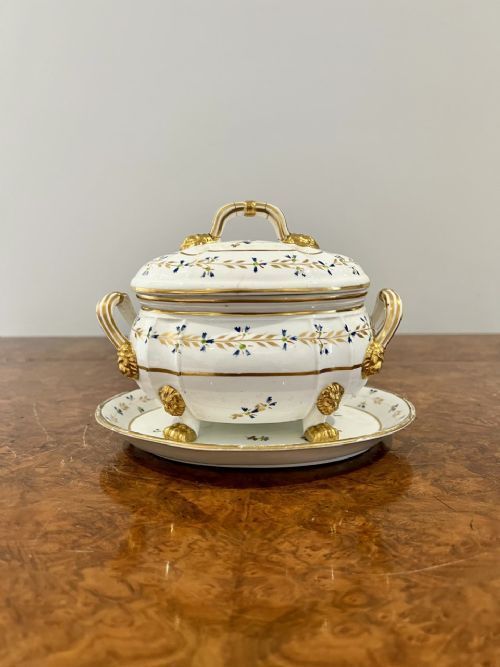
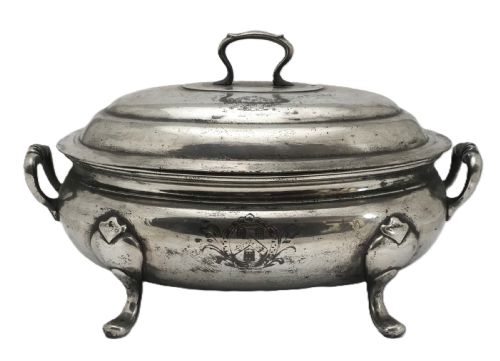
A covered vegetable bowl is a lidded ceramic, metal or porcelain vessel designed for serving food at the dining table. The listings here comprise earthenware, ironstone, porcelain and silver plate forms spanning the eighteenth, nineteenth and early twentieth centuries.
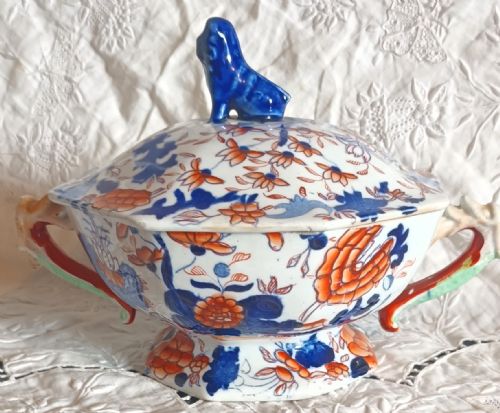
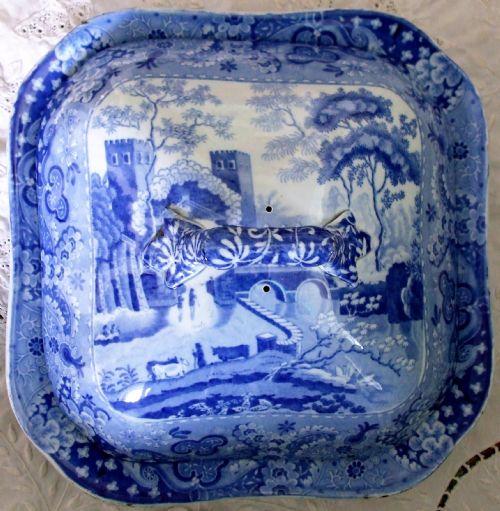
Buyers will encounter earthenware pottery decorated with blue and white transfer prints, heavy ironstone in Chinese export patterns, and silver plated entree dishes from Edwardian makers. These serveware items functioned as part of larger dinner services or standalone supper sets.
The objects take the form of tureens, serving dishes and pedestal bowls originating from English, French and Chinese kilns and workshops. Each piece retains its matching lid, a crucial component for keeping table provisions warm.
How they were made
Potters shaped earthenware and porcelain bodies on the wheel or pressed them into moulds, applying cobalt blue transfer prints or hand-painted enamels before firing. Ironstone was utilised for durability, providing a dense ceramic base suited to heavy kitchen and dining use.
Silver plated and Old Sheffield plated examples relied on a base metal foundation fused or electroplated with silver, often finished with applied handles and engraved crests. Gilding and gold leaf accents completed the decoration on fine porcelain versions from factories such as Worcester and Spode.
One cheerful cabbage tureen from the late nineteenth century brings a touch of garden foliage directly to the dining table.
What varies in quality
The standard of a covered vegetable bowl rests in the crispness of its transfer printing, the delicacy of its porcelain paste, or the weight and thickness of its silver plate. Finer pieces display hand-painted enamels and intricate gilding applied over superior ceramic bodies.
Maker attribution separates standard utilitarian vessels from works bearing the marks of established factories like Mason's, Copeland and Garrett, or Flight, Barr and Barr. The preservation of original matching covers and stands determines the overall integrity of the piece.
J. & R. Clews·John Rogers & Son·Mappin and Webb·Hamilton & Inches·Doulton Burslem·Flight Barr & Barr·James Wallace & Co·Copeland and Garrett·Christofle·Edm'e Samson
The Covered Vegetable Bowl Glossary
- Ironstone
- A dense, durable type of earthenware patented in the nineteenth century to rival true porcelain. It withstands heavy use while accepting complex transfer-printed designs.
- Transfer print
- A decorative technique where an engraved copper plate transfers a design onto paper and then onto unglazed or biscuit pottery. This method allowed intricate scenes like castle patterns to be applied consistently.
- Entrée dish
- A shallow covered serving vessel designed for side dishes or meat courses on the formal dining table. These pieces often feature removable handles for versatile serving.
- Old Sheffield plate
- A composite material made by fusing a thin sheet of silver to a thicker copper ingot before rolling them into sheets. This technique predates modern electroplating.
- Tureen
- A deep covered bowl used for serving soups, sauces or vegetables. They frequently sit upon fixed or separate ceramic stands to protect the dining surface.
Covered Vegetable Bowl: Frequently Asked Questions
What was a covered vegetable bowl used for?
These vessels held cooked vegetables, potatoes or sauces on the dining table, keeping the contents warm beneath a matching lid during long meals.
They formed part of larger dining services used by households throughout the Georgian and Victorian eras.
How do I date an ironstone tureen?
Dating relies on maker's marks stamped into the ceramic base, alongside the style of transfer printing and the colour palette employed.
Early nineteenth-century pieces often feature Chinese export patterns and impressed factory names specific to Staffordshire potters.
Can I use these silver plated dishes daily?
Silver plated serveware requires gentle hand washing to preserve the underlying metal and any delicate engraving.
Many buyers choose to use sturdy ironstone or porcelain bowls for regular dining while displaying silver plated dishes.