




Georgian Blue Pottery
Georgian blue pottery encompasses earthenware and creamware vessels shaped into plates, platters, tureens and jugs decorated in cobalt oxide.
Georgian Blue Pottery
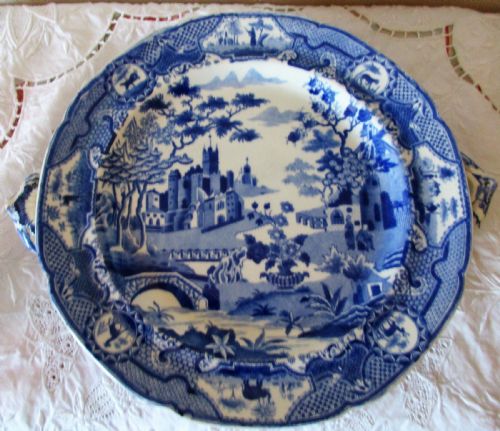
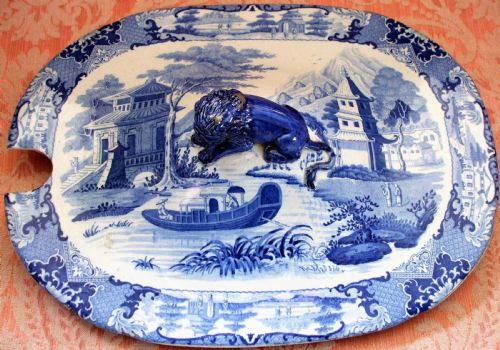
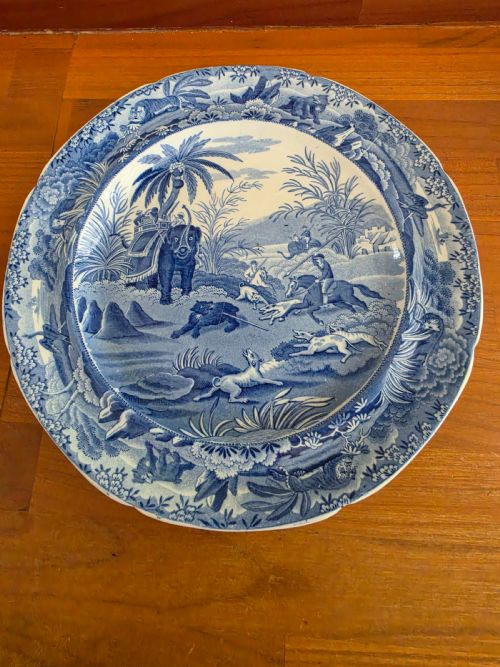
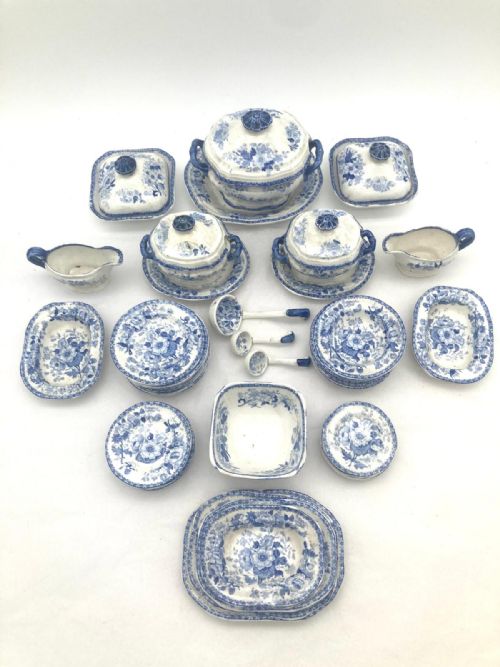
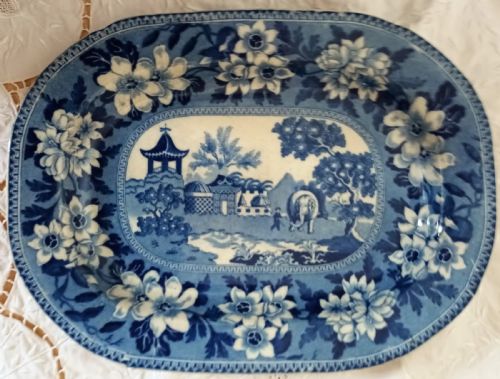
Georgian blue pottery covers functional and decorative items produced during the eighteenth and nineteenth centuries, including plates, serving platters, tureens, and bowls. These pieces often feature blue transfer-printed landscapes, architectural scenes, or botanical motifs.
Materials and Techniques
Potters shaped earthenware, creamware, and ironstone bodies before applying cobalt oxide pigments, which withstood high kiln temperatures to produce deep blue tones. Tin glazes and salt glazes provided smooth protective surfaces across domestic vessels.
Transfer printing allowed workshops to apply intricate copperplate engravings onto paper and press them onto the ceramic body. Hand-painted tin-glazed pieces and polychrome enamel highlights appear alongside printed designs.
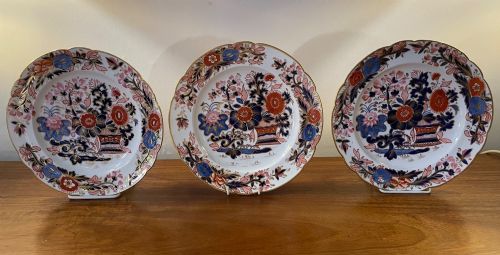
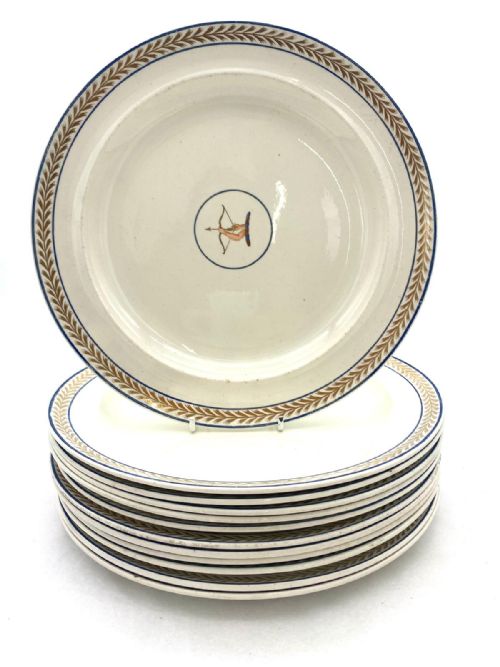
Listings feature earthenware, pearlware, and ironstone vessels spanning the eighteenth and nineteenth centuries, decorated with cobalt oxide transfer prints and tin glazes.
Assessing Craftsmanship
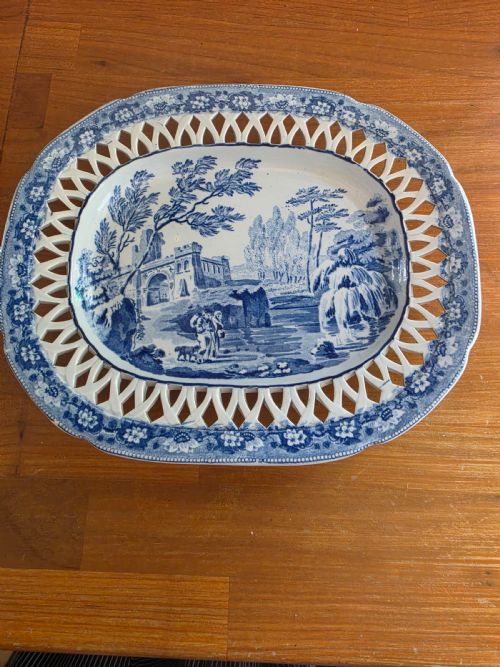
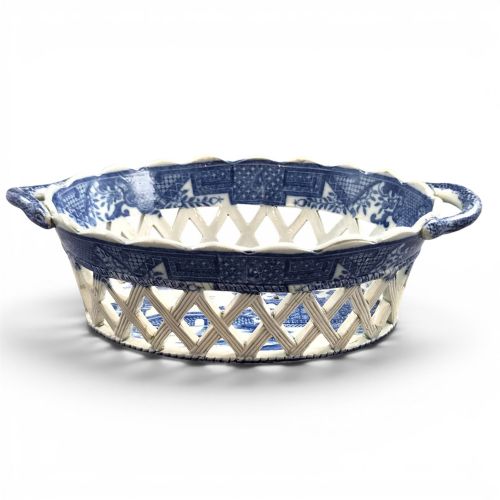
Quality rests upon the clarity of the transfer print, the evenness of the glaze, and the sharpness of the moulded details on platters and baskets. Stronger cobalt saturation creates deeper contrast in architectural and landscape scenes.
Well-potted forms with minimal kiln warping and intact handles or pierced rims distinguish finer production. Maker marks and named patterns indicate output from established potteries.
Wedgwood·Davenport·Spode·Minton·John Rogers and Son
The Georgian Blue Pottery Glossary
- Transfer printing
- A method of decorating ceramics by engraving a design onto a copper plate, printing it on tissue paper, and pressing it onto the unglazed or bisque ceramic body before glazing.
- Pearlware
- A refined earthenware developed in the late eighteenth century featuring a thin glaze with a slight bluish tinge that pooled in recesses to mimic Chinese porcelain.
- Tin-glazed earthenware
- Pottery covered with a glaze made opaque by the addition of tin oxide, providing a white surface for hand-painted decoration.
- Ironstone
- A heavy, durable type of ceramic patented in the early nineteenth century designed to resist chipping and cracking during daily use.
- Cobalt oxide
- A metallic compound utilised by potters to achieve intense blue coloration under the glaze during high-temperature firing.
Georgian Blue Pottery: Frequently Asked Questions
Were these items used daily?
Many plates, platters, and tureens served functional roles on dining tables for serving meals during the Georgian and Regency eras. Apothecary jars and wet drug containers held medical preparations in dispensaries.
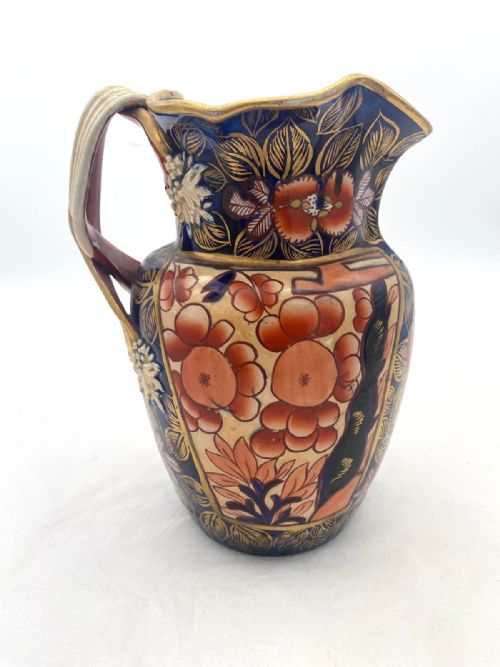
Other forms such as decorative chargers, vases, and basketware were primarily ornamental items displayed in domestic interiors. Jugs and pitchers transitioned between kitchen utility and sideboard display.
How do I distinguish pearlware from creamware?
Creamware displays a warm, pale yellow or ivory body with a transparent glaze that pools in richer cream tones. It represents the standard earthenware body of the late eighteenth century.
Pearlware exhibits a whiter body achieved by adding small amounts of cobalt to the glaze, creating a faint blue pooling effect around foot rims and crevices.
What subjects appear in the patterns?
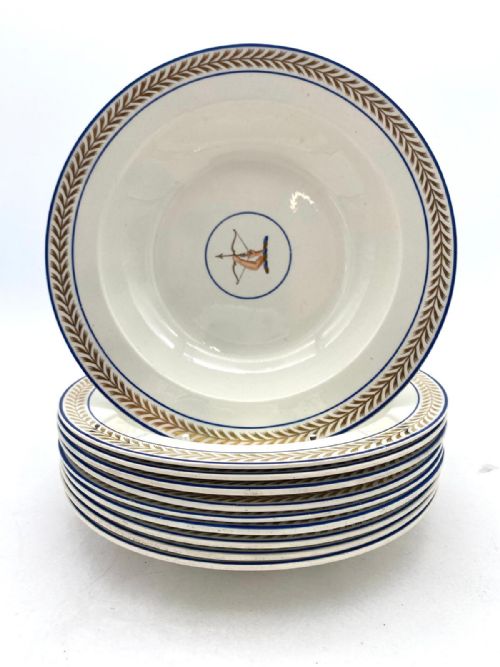
Landscape scenes featuring rivers, castles, bridge structures, and eastern street views dominate the transfer-printed repertoire. Armorial crests, botanical sheets, and historical events also decorate domestic tableware.
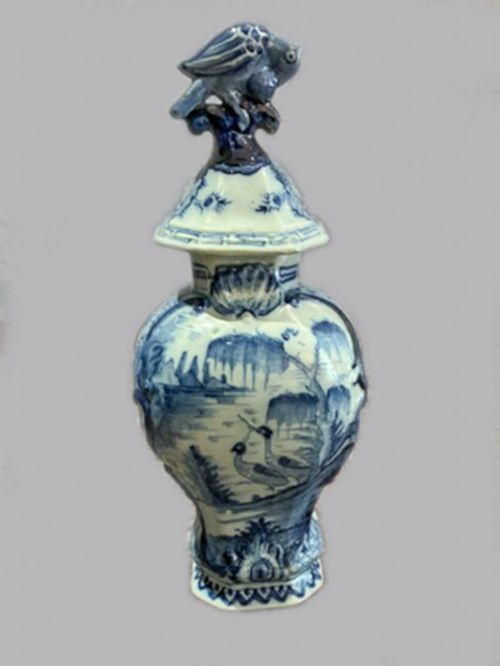
Dutch and German delftware often displays floral motifs, portraits, or abstract tin-glazed brushwork. Chinoiserie designs adapt oriental imagery into popular British ceramic formats.