

Cobalt Blue Pitcher
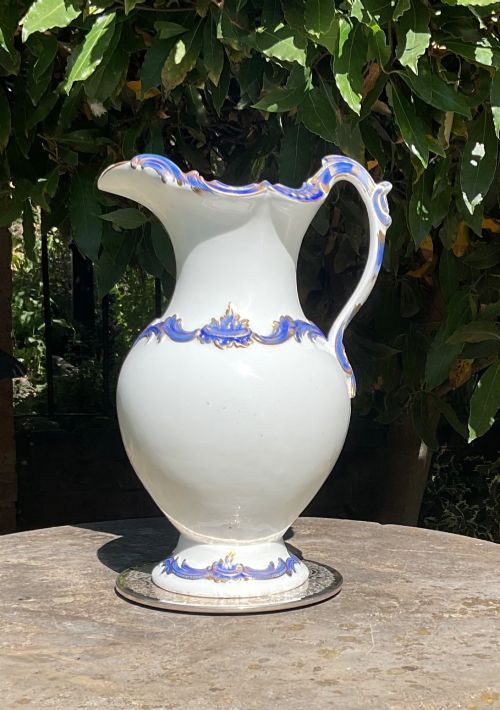
A cobalt blue pitcher brings deep underglaze colour and centuries of ceramic artistry straight to the table.
Cobalt Blue Pitcher
When searching for a cobalt blue pitcher, buyers encounter an array of vessels spanning the eighteenth, nineteenth, and early twentieth centuries, produced across Britain, Europe, and Asia.
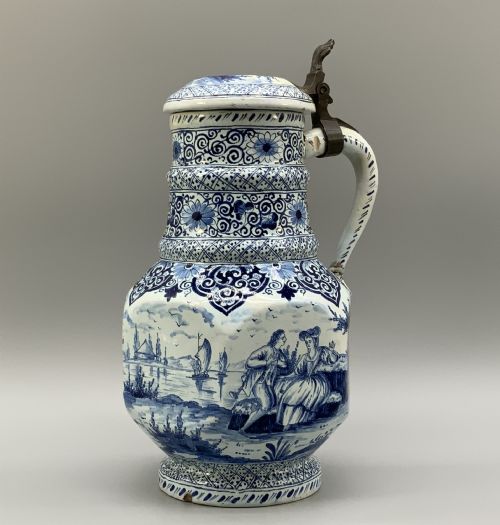
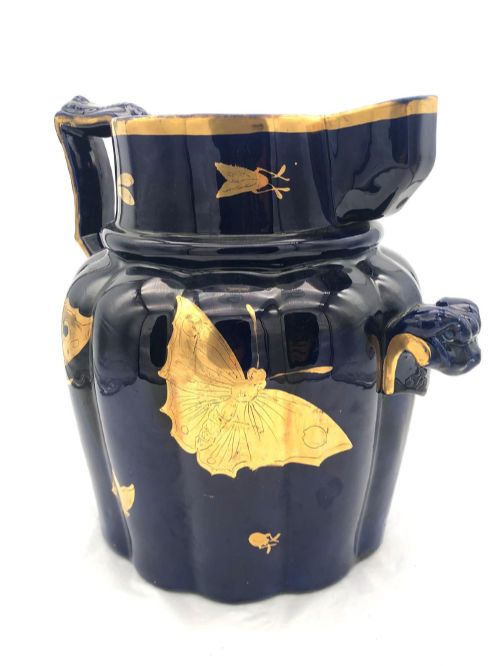
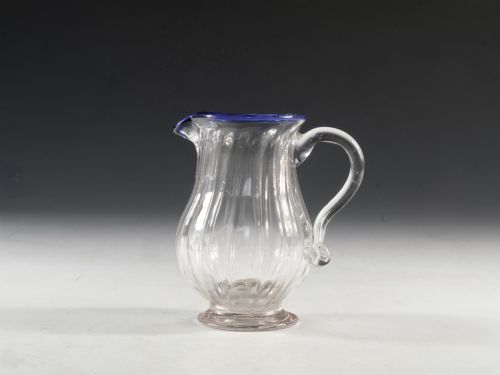
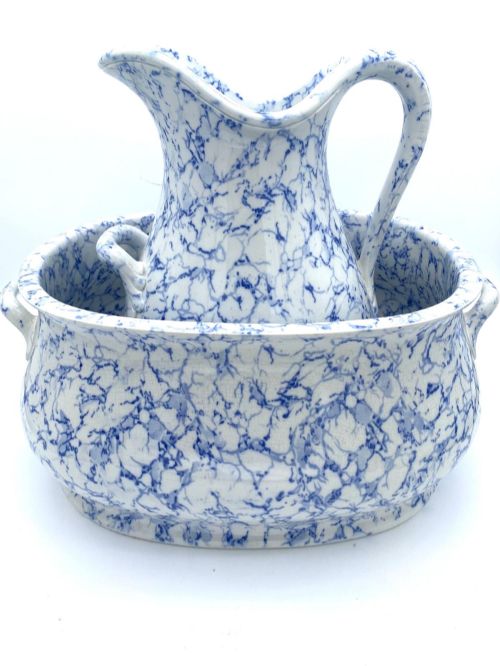
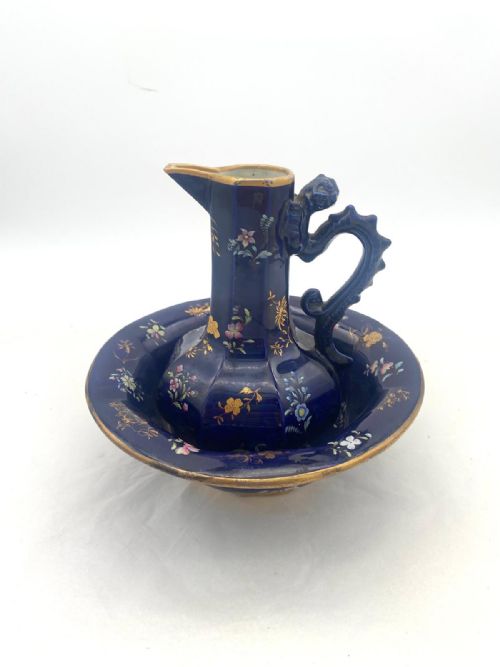
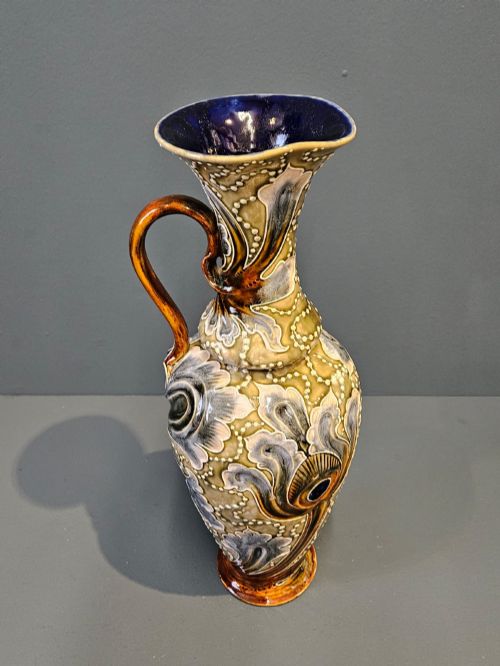
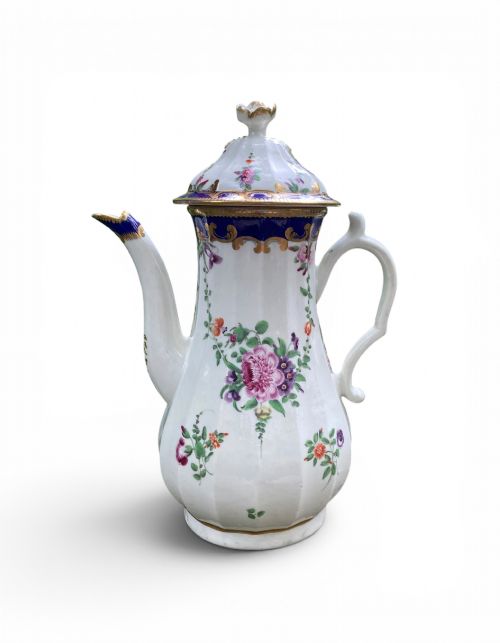
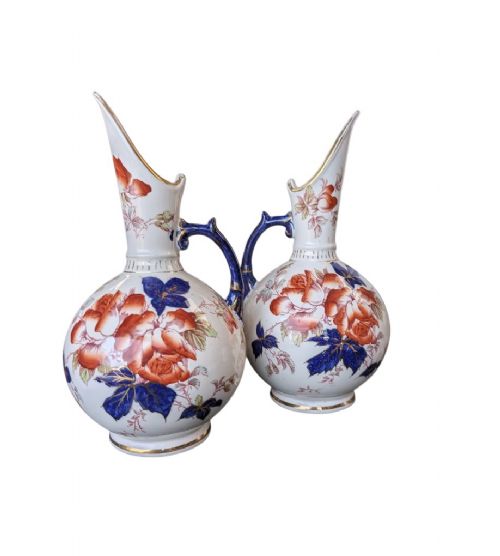
The selections on this page range from heavy ironstone ewers and salt-glazed stoneware jugs to delicate porcelain cream jugs and large basin sets.
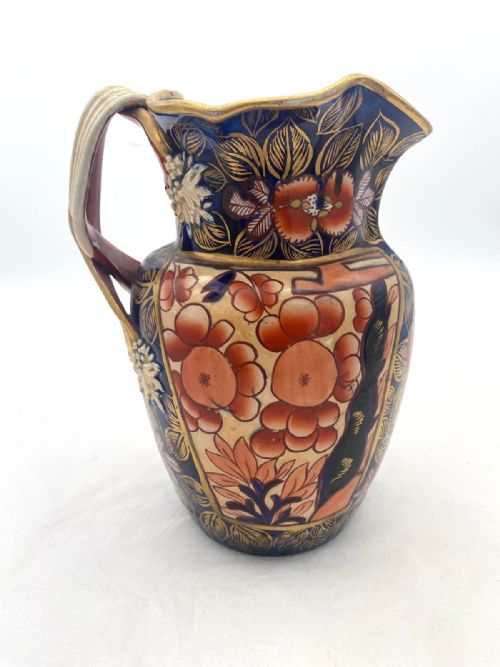
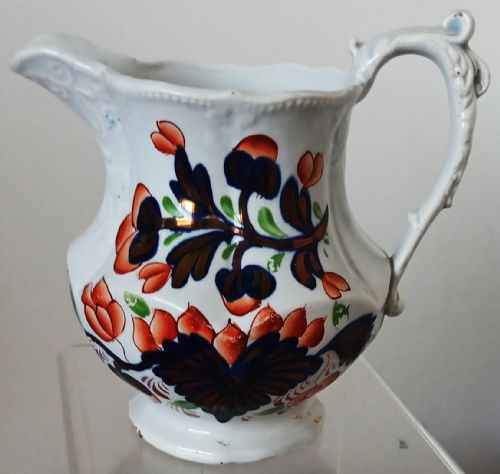
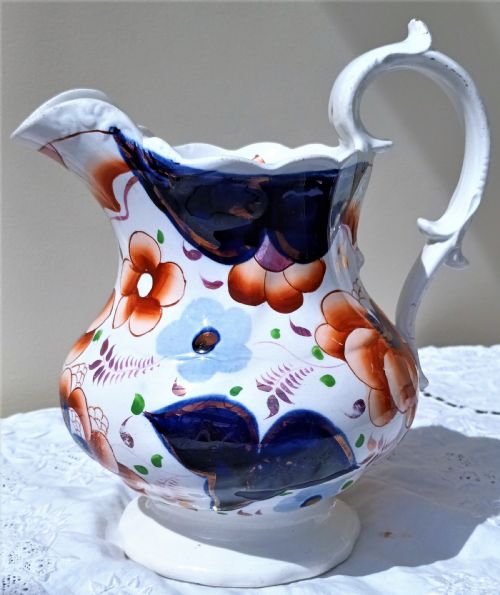
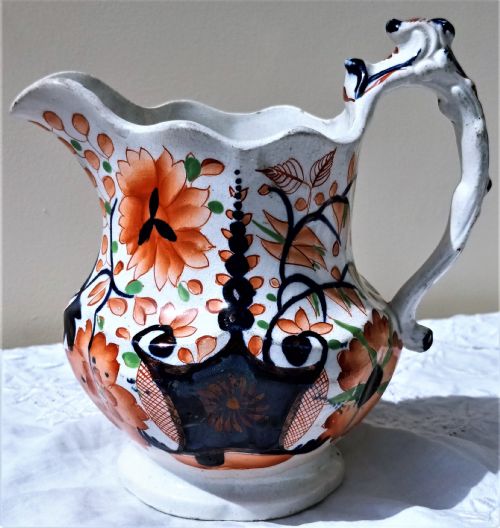
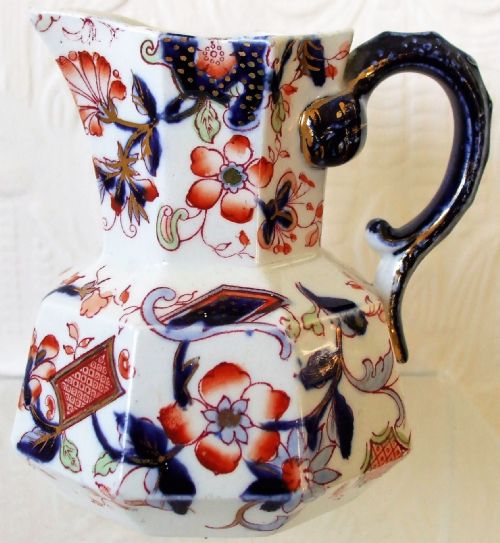
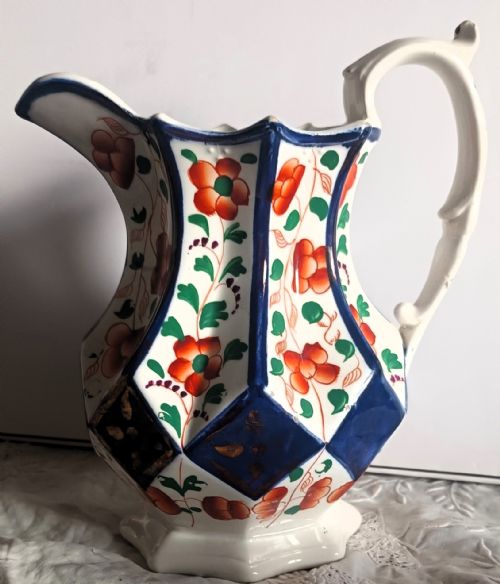
Victorian Gaudy Welsh patterns, German Westerwald salt glaze, and Mason's ironstone pieces represent the most frequent styles encountered by collectors in this category.
Materials and Techniques
Potters achieved the characteristic deep blue decoration using cobalt oxide beneath clear lead glazes or on salt-glazed stoneware bodies fired at high temperatures.
Ironstone, porcelain, and earthenware formed the structural bodies, often enhanced with hand-painted motifs, transfer printing, or occasional applications of gold leaf and gilt.
Markers of Quality
Quality in these vessels rests on the crispness of the underglaze transfer or the precision of the hand-painted brushwork, alongside the stability and weight of the ceramic body.
Pewter lids, moulded serpent or grotesque handles, and well-preserved gilt highlights elevate utilitarian jugs into decorative works of high craftsmanship.
Minton·Masons Ironstone·Doulton Lambeth·Simon Peter Gerz
The Cobalt Blue Pitcher Glossary
- Ironstone
- A dense, durable type of earthenware patented in the nineteenth century to provide a tough alternative to porcelain. It takes cobalt blue transfer patterns exceptionally well.
- Salt Glaze
- A finish created by throwing common salt into the kiln during high-temperature firing, producing a characteristic orange-peel texture on stoneware jugs.
- Hydra Jug
- A vessel featuring a specific moulded handle shape resembling a mythical creature or snake, frequently produced by English ironstone potteries.
- Gaudy Welsh
- A style of colourful pottery decorated with cobalt blue, copper lustre, and iron-red accents, popular during the nineteenth century.
Cobalt Blue Pitcher: Frequently Asked Questions
How were antique pitchers used?
These vessels served practical domestic roles carrying water, cream, or beer at the dining table, while larger examples formed parts of bedroom washstand sets.
Over time, many transitioned from utilitarian kitchenware into decorative display pieces valued for their rich cobalt decoration.
How do I date a ceramic pitcher?
Dating relies on examining the ceramic body, glaze characteristics, and maker marks stamped or painted on the base. Transfer-printed patterns and stylistic clues like handle shapes also point to specific manufacturing decades.
Heavier ironstone and salt-glazed stoneware typically indicate nineteenth-century or earlier origins, whereas finer porcelain specimens often align with Georgian or Victorian periods.
Can I use these pitchers daily?
While sturdy materials like ironstone and stoneware were built for robust daily use, antique pieces deserve careful handling to preserve their glazes and delicate spouts. Hand washing remains essential to protect any surface gilding or enamel decorations.
Displaying them safely on shelves or tables lets you enjoy the deep blue hues without risking thermal shock or accidental chips.
What is salt-glazed stoneware?
Salt-glazed stoneware is a hard, vitrified pottery created by introducing salt into the kiln at peak firing temperatures. The sodium reacts with the silica in the clay body to form a durable, glossy coating.
This technique produced robust German Westerwald jugs capable of holding liquids securely without absorbing moisture.