




Cobalt Blue Imari Ware
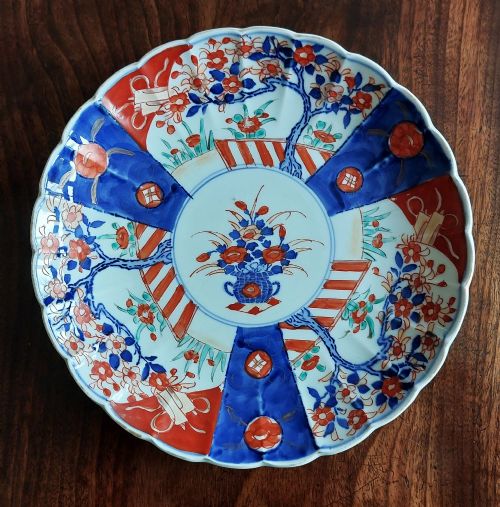
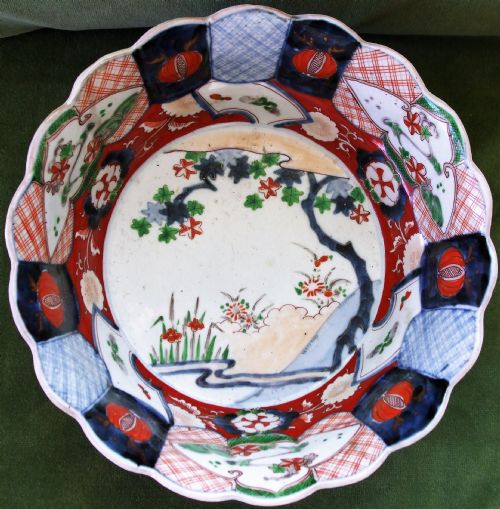
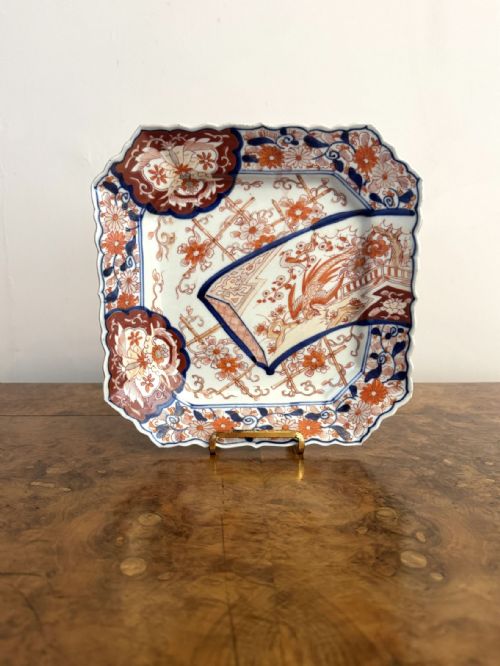
Cobalt blue imari ware brings together rich underglaze blue and iron red pigment on ceramic, offering striking pattern work for display.
Cobalt Blue Imari Ware
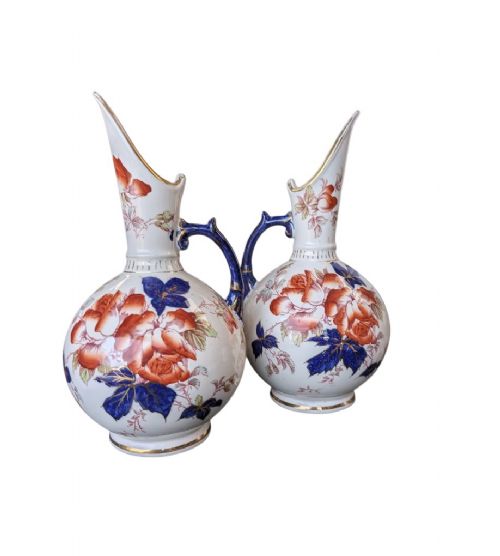
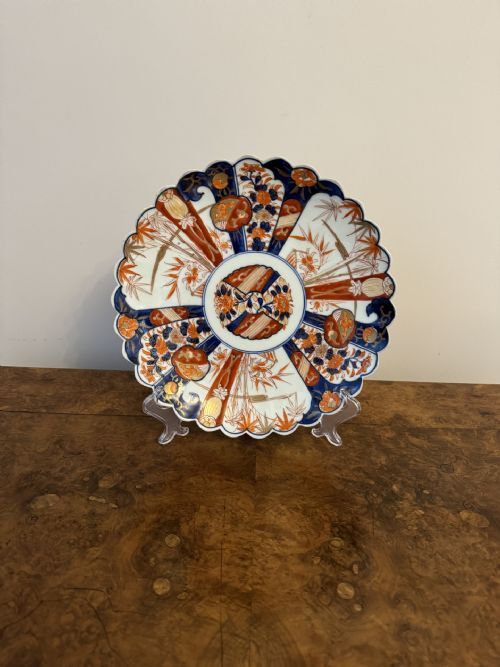
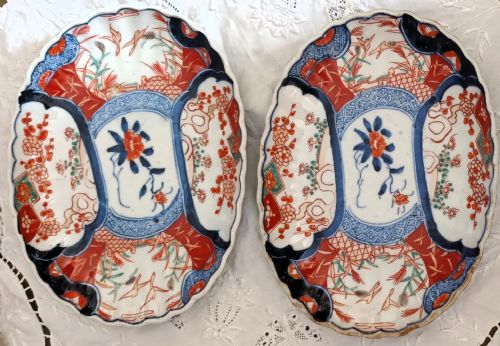
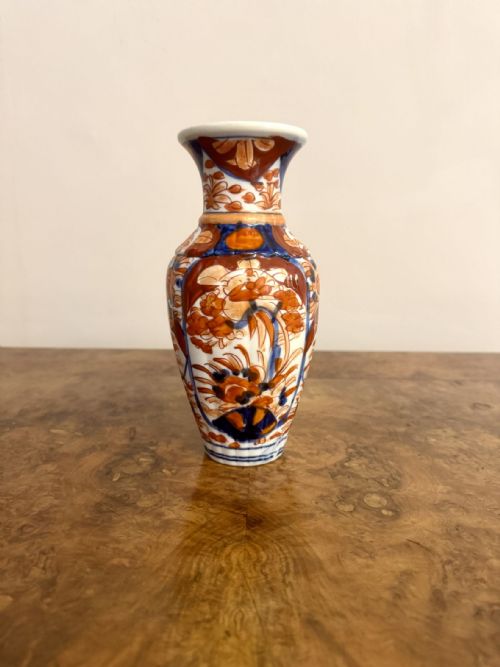
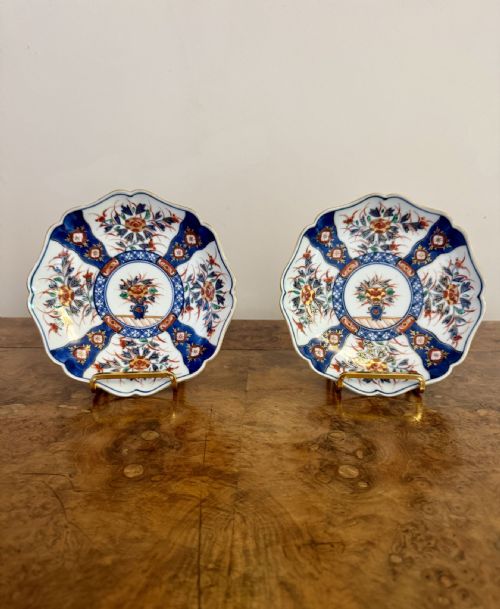
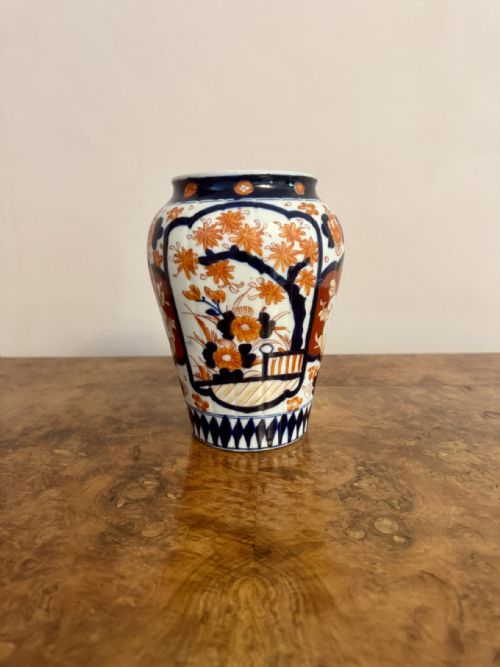
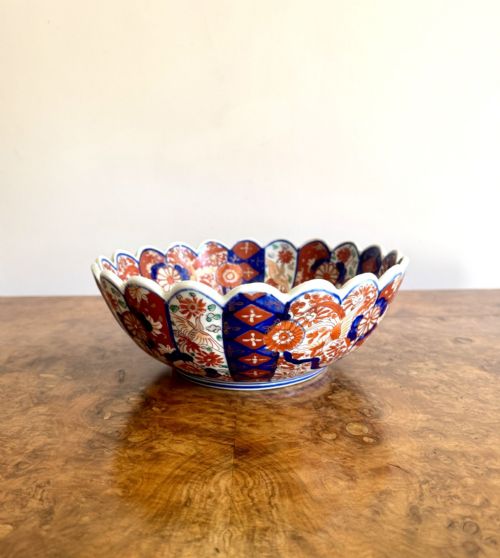
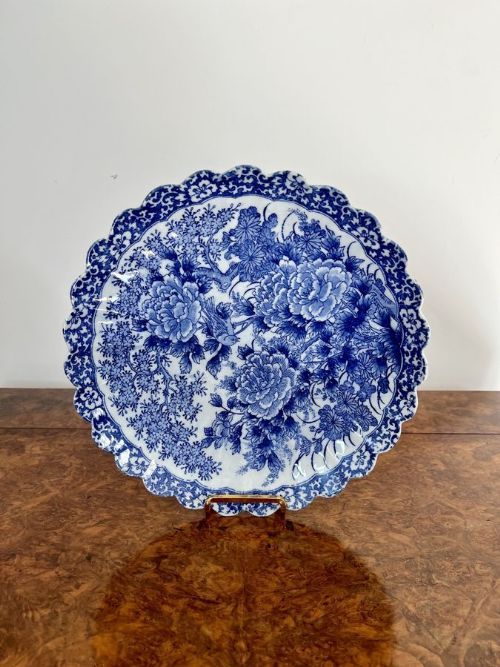
Cobalt blue imari ware comprises decorative ceramic pieces originating primarily from Japanese periods such as the Meiji and Edo eras, alongside British interpretations like Edwardian porcelain. Buyers encountering these listings will most frequently find decorative plates, chargers, bowls, and vases formed with distinct scalloped or hexagonal edges.
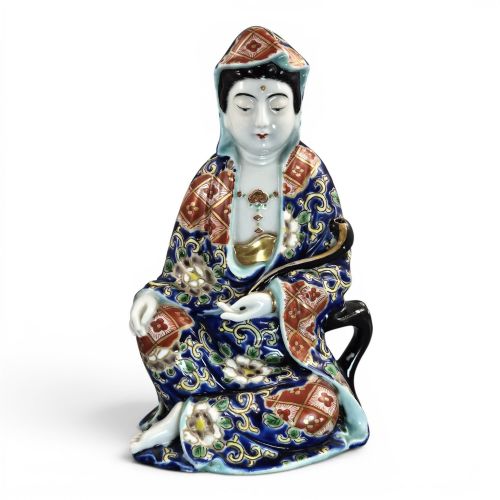
The selection ranges from 18th century garnitures to late 19th century chargers and Victorian pitchers, reflecting centuries of export production. Ceramic figures also appear, such as depictions of figures from Japanese history.
These items were traditionally created for display and ornamental use within interiors, employing characteristic colour palettes that remain distinct from standard blue and white porcelain.
How they were made
Ceramic bodies such as hard-paste porcelain form the foundation of these vessels, shaped into plates, bowls, and vases. Artisans applied cobalt glaze beneath a clear finish to achieve the deep blue tones characteristic of the ware.
Overglaze enamels, particularly iron red, were added alongside gold leaf and gilt details to create the layered visual depth associated with the style.
Listings feature hard-paste porcelain vessels decorated with cobalt glaze, gold leaf, and enamel across the Victorian, Edwardian, and earlier periods.
What varies in quality
The crispness of the hand-painted cobalt blue underglaze and the precision of the overlying enamel work set superior examples apart from simpler production. Pieces featuring intricate gilt accents and well-preserved gold leaf demonstrate higher workshop standards.
Form and moulding also dictate distinction, with complex shapes like fan-shaped plates, shell-shaped dishes, and large garniture sets requiring greater technical skill from the potter than standard round vessels.
Royal Crown Derby
The Cobalt Blue Imari Ware Glossary
- Imari palette
- A traditional decorative scheme utilising cobalt blue, iron red, and gold on a white ceramic ground. This combination creates high contrast and rich visual texture across the surface.
- Charger
- A large decorative plate intended for display on a wall or sideboard rather than for dining use. These substantial pieces often showcase the most elaborate patterns.
- Garniture
- A matched set of three or more vases designed to be displayed together on a mantelpiece or cabinet. They share a unified decorative theme.
- Meiji Period
- A Japanese historical era spanning from 1868 to 1912, known for prolific ceramic production aimed at export markets. Pieces from this time often exhibit fine detail.
- Hard-paste porcelain
- A durable ceramic material fired at high temperatures, composed of kaolin and petuntse. It provides a dense, resonant base for painted glazes.
Cobalt Blue Imari Ware: Frequently Asked Questions
How were imari plates used historically?
Historic households utilised large imari chargers and plates primarily for display on dressers and tables rather than everyday dining. Their bold metallic and blue decoration made them status symbols in both Asian and European interiors.
Over time, matching garnitures and vases became central decorative ornaments for formal reception rooms.
How do I identify a meiji period piece?
Meiji period items often display dense, vibrant cobalt blue underglaze combined with heavy iron red enamel and gold gilt highlights. The porcelain bodies tend to be crisp, reflecting advanced manufacturing techniques of the late nineteenth century.
Form variations from this era frequently include scalloped edges, hexagonal bowls, and large display chargers.
Can I display these plates on walls?
Displaying antique plates and chargers on walls is a traditional method for showcasing the detailed surface patterns. Using properly padded spring hangers ensures the ceramic rim remains protected while mounted.
Ensure placement avoids direct, harsh sunlight to preserve the vibrant red enamels and gilt leaf over time.
What is the difference between Japanese and English imari?
Japanese imari was imported into Europe from the Edo and Meiji periods, establishing the foundational aesthetic of cobalt blue and iron red decoration. European potteries, such as Edwardian makers, later adapted these distinct pattern traditions onto their own local porcelain bodies.
British interpretations often incorporate specific regional pattern numbers alongside the classic palette.