




19th Century Imari Pottery
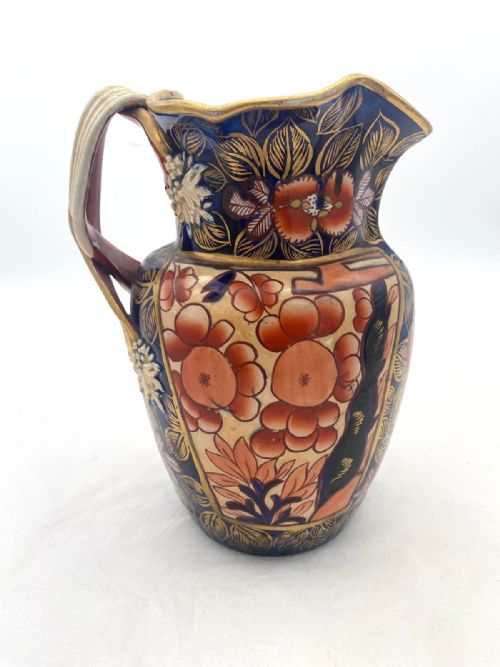
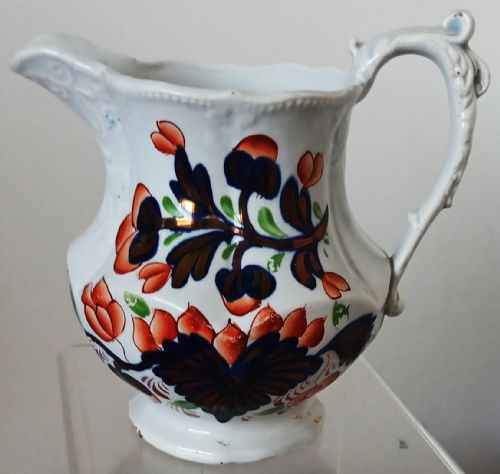
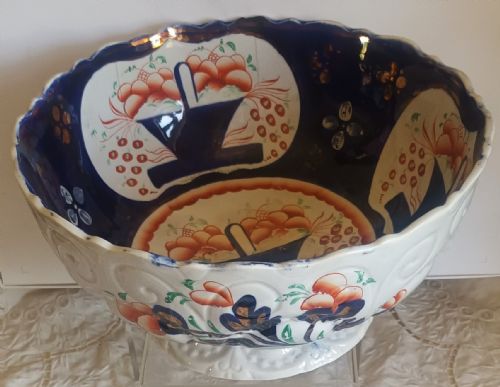
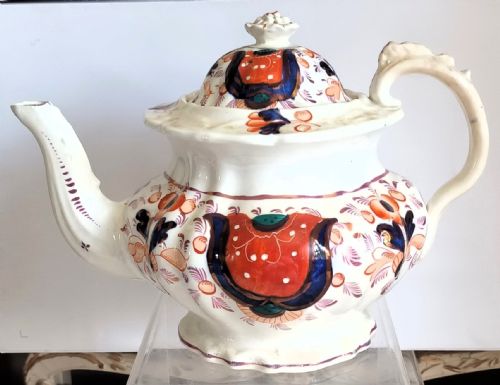
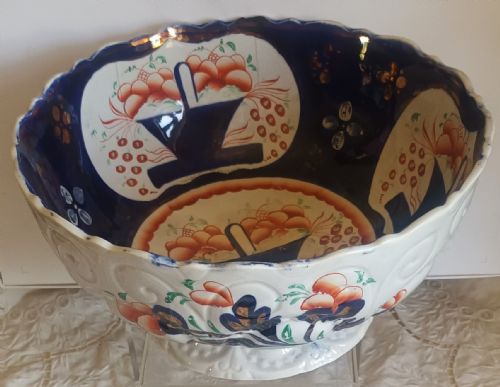
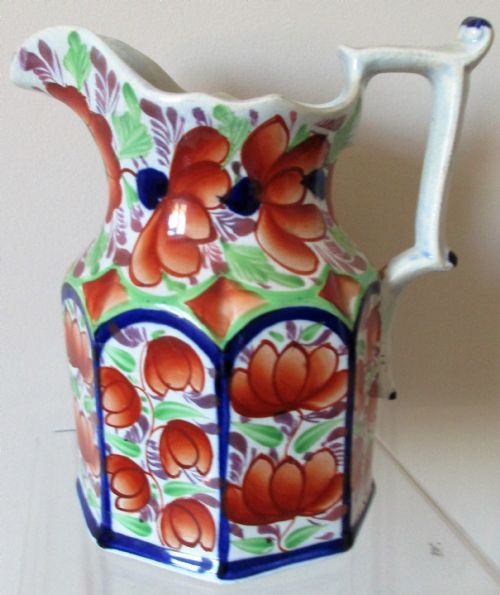
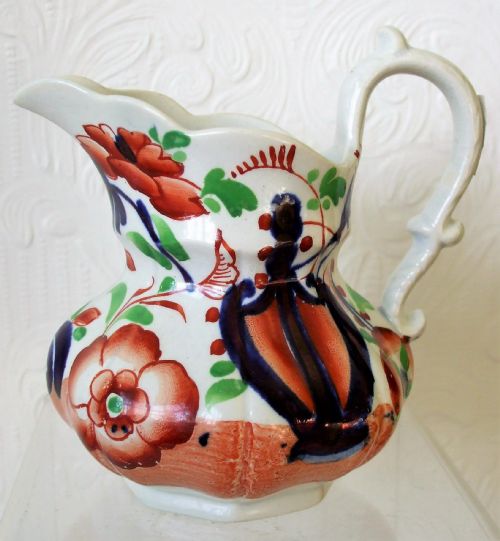
These 19th century imari pottery pieces bring rich cobalt blue, iron red, and gold leaf highlights to decorative vases, jugs, and bowls.
19th Century Imari Pottery
When you search for 19th century imari pottery, you encounter a distinct cross-cultural dialogue between Japanese export wares and British Staffordshire interpretations. Japanese pieces from the Edo and Meiji periods deliver traditional vases and bowls decorated in the classic palette. Alongside them sit British Staffordshire and Welsh potteries producing ironstone jugs and earthenware plates in bold Imari colours.
The British examples frequently adopt patterns such as Bethesda, Grape, Basket of Flowers, and Pagoda under Victorian and Georgian styles. Meanwhile, Japanese pieces demonstrate large scale vases and porcelain bowls originating around the 1850s to 1890s. This selection merges traditional Japanese porcelain with robust British ironstone and earthenware forms.
Materials and construction
Potters built these items using ceramic, porcelain, earthenware, and ironstone bodies shaped into octagonal jugs, soup tureens, and footed bowls. The robust ironstone body supported heavy domestic use, whilst finer porcelain accommodated delicate Japanese vases.
Makers applied intricate hand-painting utilising enamel pigments alongside gold leaf highlights over glazes. Copper lustre and cobalt blue underglazes defined the visual depth of the patterns across both Japanese and British workshops.
Materials documented across the collection include porcelain, earthenware, ironstone, enamel, glaze, gold leaf, and copper lustre.
Assessing quality in these wares
Quality rests upon the crispness of the enamel application and the precision of the gold leaf detailing across the surface. Pieces displaying sharp cobalt blue lines and vibrant iron red tones separate finer examples from softer, blurred transfers.
The weight and ringing tone of the porcelain or ironstone body indicate the density and purity of the ceramic material used during manufacturing.
Mason's·John Ridgway·Ridgways China·Davenport
The 19th Century Imari Pottery Glossary
- Imari palette
- A decorative scheme employing cobalt blue, iron red, and gold leaf highlights. Originating in Japan, British potteries adopted this striking colour combination during the Georgian and Victorian eras.
- Ironstone
- A durable type of earthenware patented in the 19th century. It resists chipping and provided a sturdy base for large jugs, tureens, and soup bowls.
- Meiji Period
- The era in Japanese history spanning from 1868 to 1912. Many Japanese porcelain vases and bowls listed originate from this phase of production.
- Gaudy Welsh
- A style of 19th-century Staffordshire and Welsh pottery decorated in vibrant Imari-inspired colours. Patterns such as Pagoda and Basket of Flowers frequently appear on these jugs and bowls.
19th Century Imari Pottery: Frequently Asked Questions
What is imari pottery?
Imari pottery refers to ceramics decorated in a distinctive palette of cobalt blue, iron red, and gold leaf. The style originated in Japan and heavily influenced 19th-century British potteries.
British makers produced their own interpretations on ironstone and earthenware, whilst Japanese workshops exported traditional porcelain vases and bowls.
How do I identify British imari from Japanese imari?
British pieces often appear as ironstone jugs, soup tureens, and plates bearing named patterns like Bethesda or Pagoda. They reflect Georgian and Victorian tastes.
Japanese items typically comprise porcelain vases and bowls created during the Edo and Meiji periods, featuring traditional motifs painted over the glaze.
Were these pieces used daily or displayed?
Many ironstone jugs, soup bowls, and tureens served functional dining purposes in 19th-century households. Their durable ceramic and ironstone bodies accommodated regular handling.
Larger vases and decorative bowls served primarily as ornamental display pieces in Victorian and Meiji interiors.
What materials make up these items?
The pieces utilise ceramic, earthenware, porcelain, and heavy ironstone as their primary body materials. Glazes seal the clay surfaces before enamel decoration is applied.
Gold leaf and copper lustre frequently accent the cobalt blue and iron red painted motifs across the pottery.