


Meiji Era Japanese Ceramics
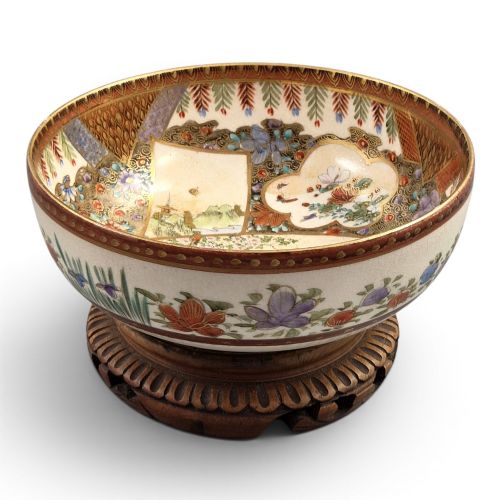
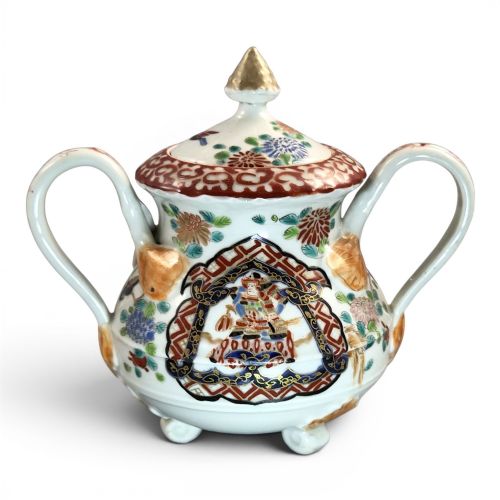
These meiji era japanese ceramics span robust earthenware and painted porcelain, offering collectors intricate Satsuma and Imari decorative objects from the late nineteenth century.
Meiji Era Japanese Ceramics
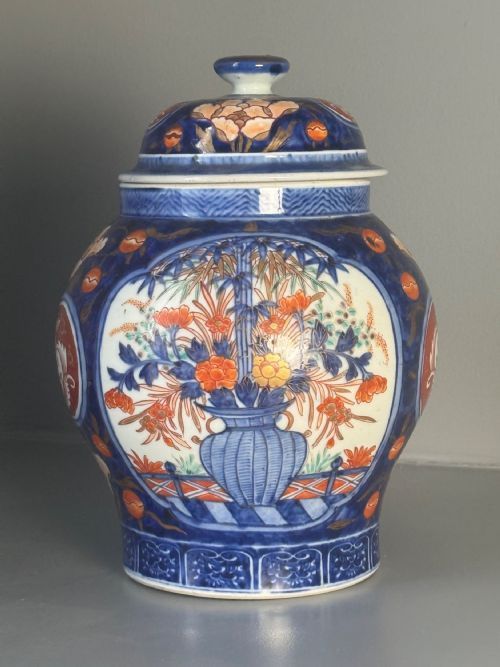
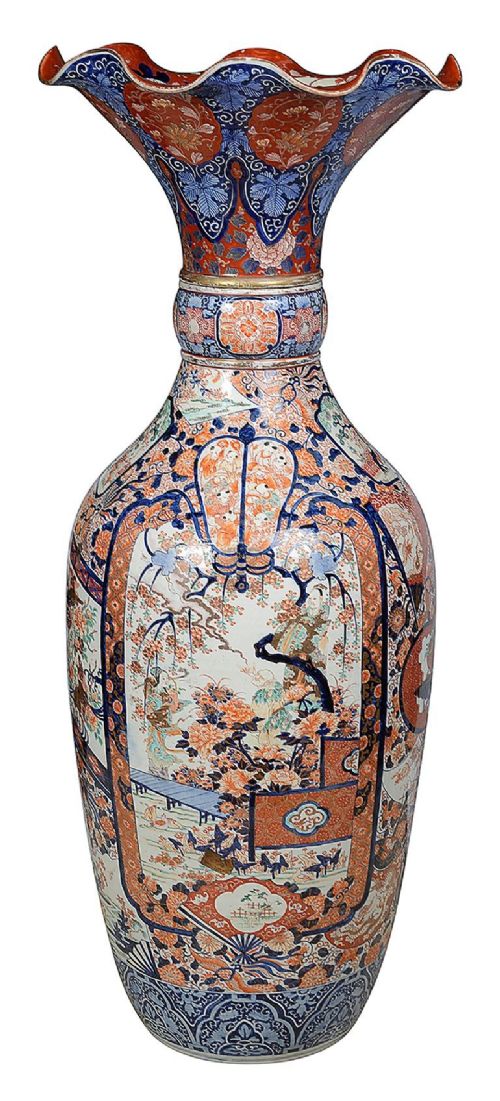
When you search for meiji era japanese ceramics, you encounter a diverse range of objects spanning large floor vases, chargers, bowls, and intricate okimono figures. These pieces originate primarily from the late nineteenth century and the early twentieth century, aligning with the Meiji period and the overlapping Meiji-Taisho transition.
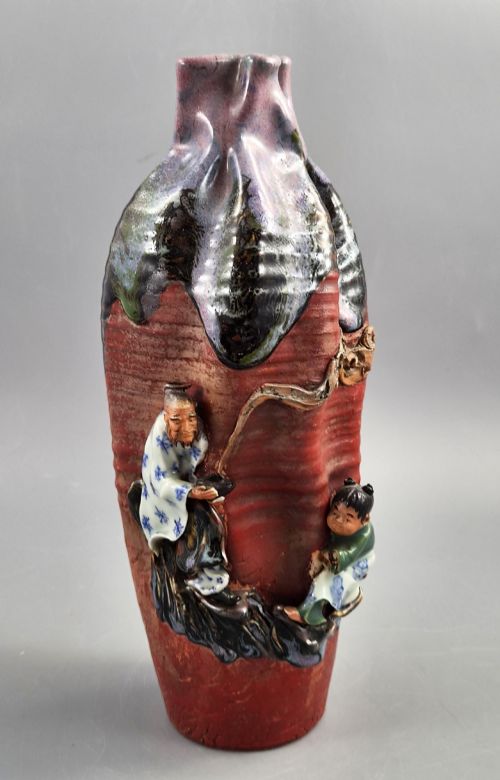
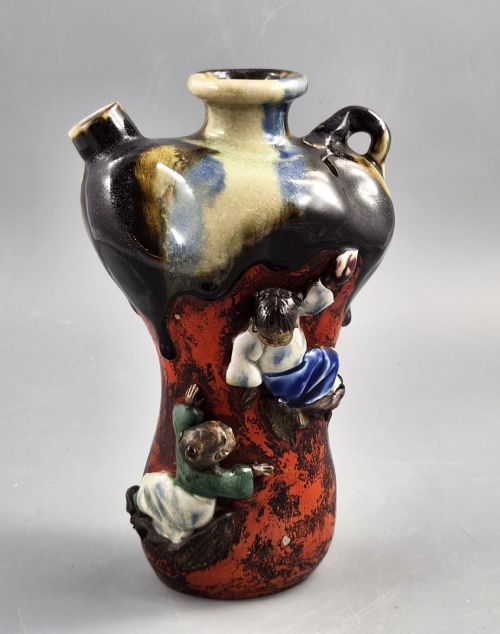
Vases and decorative vessels dominate the selection, including grand Imari pieces alongside delicate Satsuma wares featuring samurai scenes and figural motifs. Collectors frequently find regional variations such as Kyoto-Satsuma bowls, Kutani porcelain, and specialised forms like Sumida Gawa pottery and Totai Shippo cloisonne bark vessels.
Materials and Technique
The making of these pieces relies on traditional ceramic bodies of earthenware, terracotta, and porcelain, often enriched with detailed hand-painted enamel and gold leaf decoration. Artisans applied complex glazes, ranging from standard finishes to lavender flambé, and occasionally incorporated alternative mediums such as wood, lacquer over black paint, and cloisonne wirework.
Signatures and marks stamped or painted onto the base reveal the involvement of notable workshops and individual makers. Master potters utilised precise hand-painting techniques to depict figures, landscapes, and wildlife like koi and Mandarin ducks across chargers, dishes, and incense burners.
Mandarin ducks carved as okimono figures bring domestic waterfowl charm into the formal lineup of dragons and samurai.
Craftsmanship and Execution
Quality in these ceramics rests upon the crispness of the hand-painted detail and the complexity of the decorative scheme. Pieces featuring finely rendered facial expressions on figures or meticulous gilt work distinguish themselves from simpler, more repetitive commercial output.
The physical scale and structural ambition of the object further separate standard examples from superior items. Large garnitures, massive floor vases, and specialised forms with signed maker marks demonstrate a higher degree of artistic ambition from the kilns.
Ban-ni·Inoue Ryosai·Kozan·Fukagawa Mark·Kinkozan·Makuzu Kozan II·Chosei Mark·Shuzan·Yasuda·Kotobuki-do
The Meiji Era Japanese Ceramics Glossary
- Satsuma
- A type of Japanese earthenware featuring a crackle ivory glaze decorated with polychrome enamels and gold. It originated in Satsuma Province before production spread widely to urban centres like Kyoto.
- Imari
- A style of Japanese porcelain characterised by underglaze blue and overglaze red, green, and gold designs. These wares were traditionally exported from the port of Imari.
- Kutani
- Japanese porcelain known for bold, brightly coloured pictorial designs and extensive use of red and gold. Kutani plates and vases frequently display intricate narrative scenes and natural motifs.
- Okimono
- A standalone Japanese decorative figurine or carving intended for display on a tokonoma alcove or shelf. These ornamental sculptures depict animals, historical figures, or mythological subjects.
- Totai Shippo
- A specialised technique involving cloisonné enamel applied directly over a ceramic or porcelain body rather than metal. This method creates textured surfaces resembling tree bark or carved lacquer.
Meiji Era Japanese Ceramics: Frequently Asked Questions
How do I identify Satsuma ware?
Satsuma ware is recognised by its characteristic ivory-coloured earthenware body covered in a fine, web-like crackle glaze. The surfaces are typically embellished with dense enamel paintings and raised gold details depicting figures, flowers, and historical narratives.
Most authentic pieces carry signature marks on the base identifying the studio, artist, or producing family. Examining the weight and the texture of the earthenware beneath the glaze helps distinguish true Satsuma from later reproductions.
What is the difference between Imari and Kutani?
Imari porcelain relies on a strict palette of underglaze cobalt blue and overglaze iron red, complemented by gold highlights. The patterns often feature floral and geometric panels arranged in symmetrical, structured compositions.
Kutani porcelain, by contrast, utilises a much wider and bolder range of enamel colours, dominated by intense greens, yellows, purples, and reds. Kutani decoration tends to focus on pictorial scenes, landscapes, and elaborate figures rather than repeating geometric borders.
How were these decorative vases used?
During the Meiji period, many of these large decorative vases and garnitures were produced specifically for export to Western markets, where they decorated Victorian drawing rooms and parlours. Smaller vessels, such as miniature vases and incense burners, were intended for intimate interior display.
In Japanese domestic interiors, ceramic vessels and okimono figures held specific roles within traditional decorative arrangements, such as accenting a formal reception room or housing seasonal floral displays.
Are signed pieces more desirable?
Signed pieces bearing the marks of recognised studios or master artisans generally command greater attention from collectors. These signatures provide valuable historical context regarding the specific kiln, region, and period of manufacture.
Unsigned pieces can still exhibit exceptional artistic quality and craftsmanship, but identifiable signatures from prominent makers help confirm authenticity and workshop origin.