
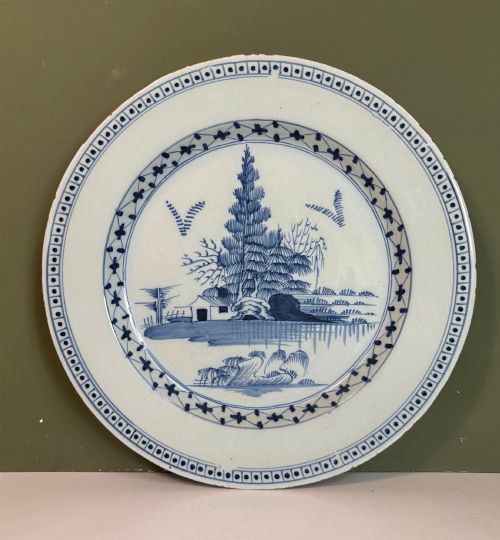

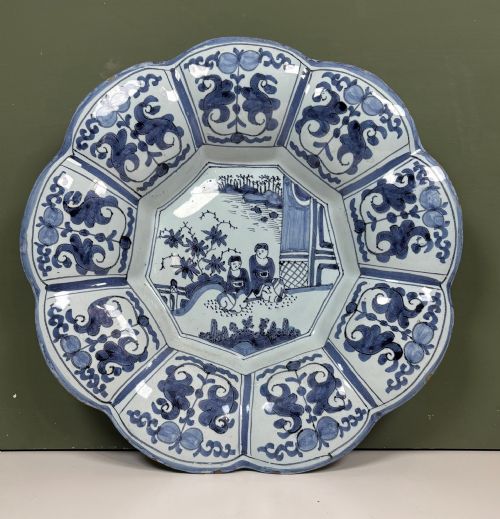

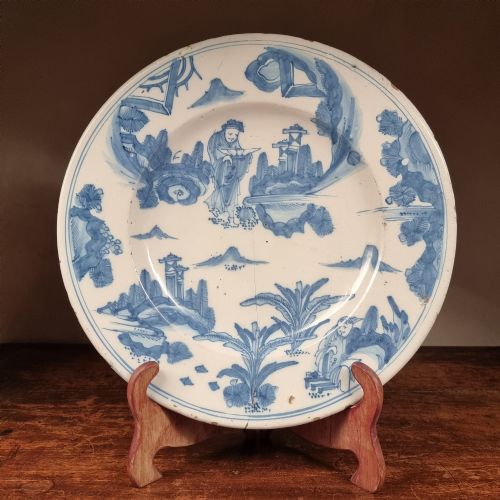
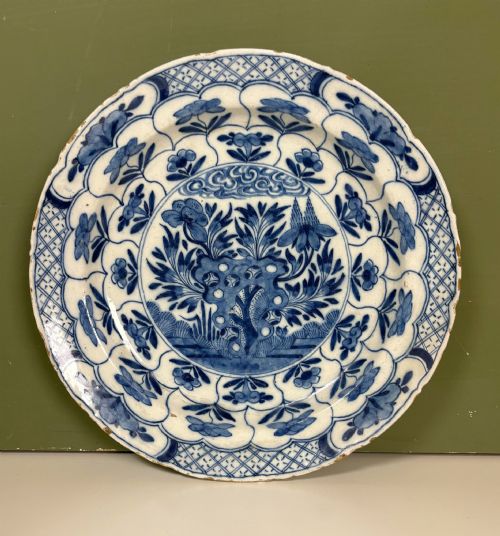
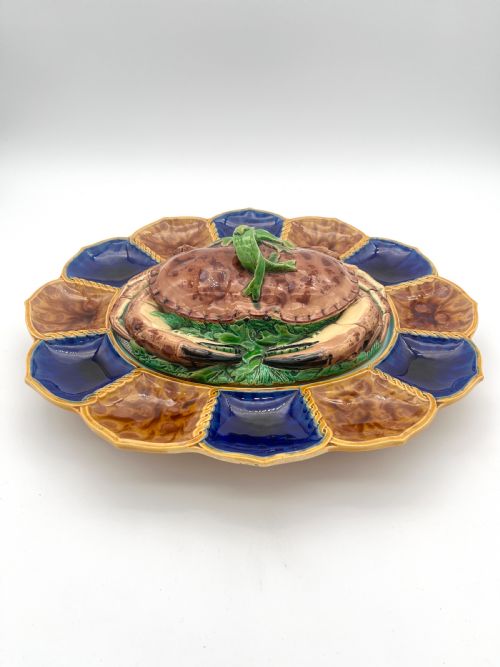


Cobalt Blue Earthenware Plate
A cobalt blue earthenware plate brings centuries of rich ceramic history to your table, offering deep pigment and classic form.
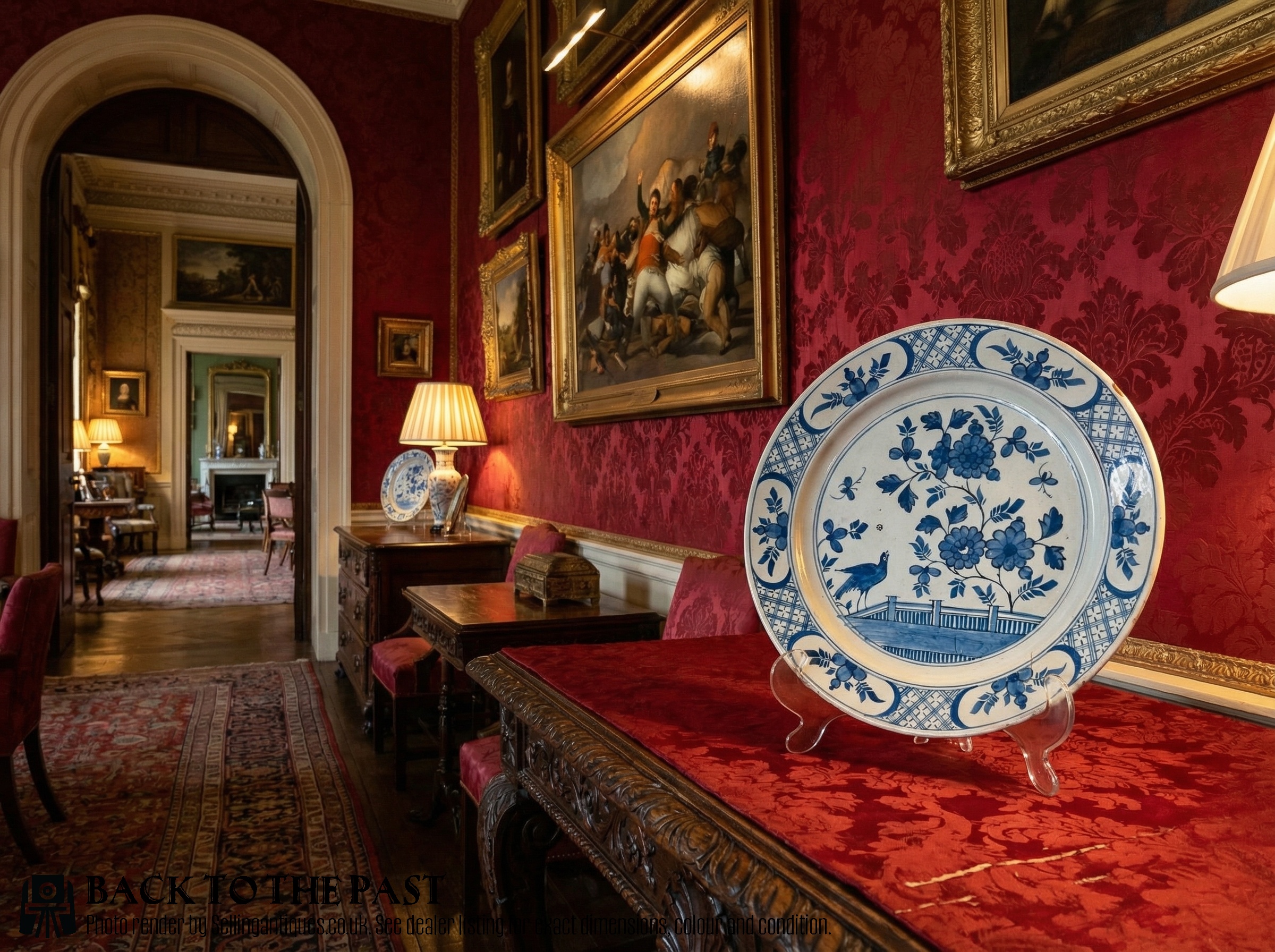
Cobalt Blue Earthenware Plate
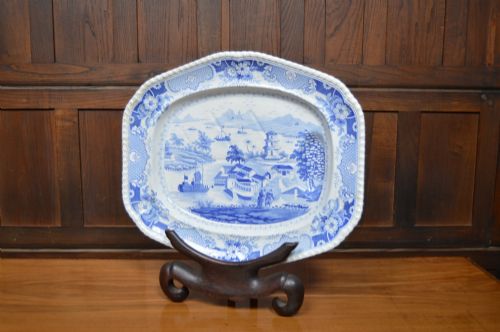
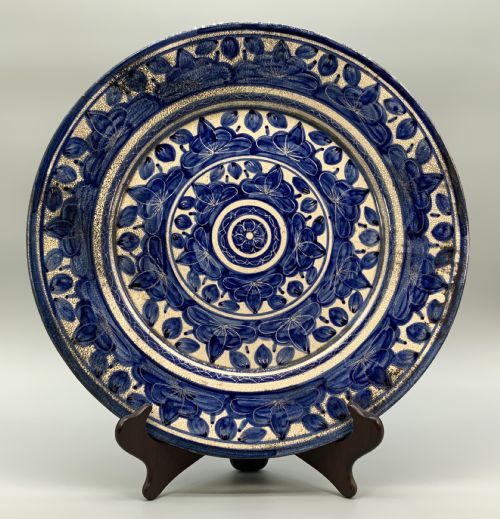
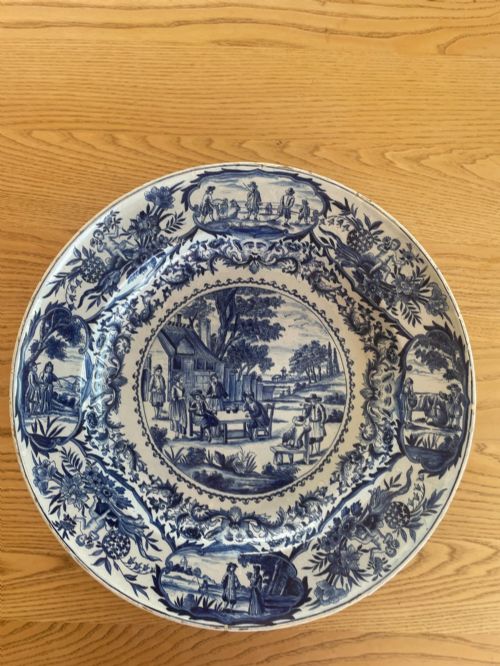
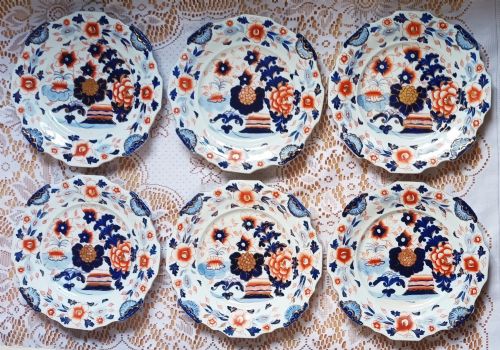
When you search for a cobalt blue earthenware plate, you encounter a focused selection of tablewares spanning the seventeenth, eighteenth, and nineteenth centuries. The majority of pieces appearing here take the form of chargers, shallow bowls, and serving platters rather than standard dining plates.
Origins stretch across English potteries, Dutch Delftware workshops, and continental European centres. Pieces range from early tin-glazed earthenware dishes to nineteenth-century transferware and majolica items.
Buyers typically find earthenware bodies decorated in strong cobalt pigment, often displaying traditional blue and white patterns influenced by Dutch, Georgian, and Victorian aesthetics.

How they were made
Potters shaped local clays into earthenware bodies before applying tin glaze or clear glaze surfaces. Artisans painted designs directly using cobalt oxide pigment, which bonded into the glaze during firing.
Later nineteenth-century pieces utilised transfer printing techniques to apply detailed blue and white patterns onto ceramic and ironstone surfaces before final glazing.
Cobalt Blue Earthenware Plate Retail Price Guide 2026
Typical asking prices for cobalt blue earthenware plate among the pieces listed under this phrase on Sellingantiques today, from the lower quarter to the upper quarter. They describe what is for sale here now, not the wider market.
Some antique plates depict bustling pastoral scenes and classical ruins, secretly wishing they were still sitting in a grand Georgian dining room.
What varies in quality
Quality separates ordinary utilitarian wares from pieces created by skilled hands through the clarity and depth of the cobalt pigment applied to the surface. Sharpness in hand-painted brushwork or precision in transfer printing distinguishes finer examples.
The stability of the earthenware body and the uniformity of the glaze finish dictate how well a charger or plate has survived centuries of use.
Van Genden·Stubbs·Thomas Lakin·William Adam
The Cobalt Blue Earthenware Plate Glossary
- Earthenware
- Porous ceramic pottery fired at lower temperatures. It requires a glaze, such as tin glaze, to become waterproof.
- Tin-Glaze
- An opaque white glaze containing tin oxide. It provides a smooth background for hand-painted cobalt pigment decoration.
- Cobalt Pigment
- A metallic oxide colourant. It produces an intense blue shade that remains stable at high kiln temperatures.
- Charger
- A large decorative plate or platter. Historically used for ceremonial dining or displayed upright on walls and dressers.
- Transferware
- Pottery decorated by pressing a printed paper design from an engraved copper plate onto the ceramic body.
Cobalt Blue Earthenware Plate: Frequently Asked Questions
How do I display an antique charger?
Large chargers were historically set upon sideboards or hung directly on walls to showcase their detailed cobalt decoration. Ensure you use secure, padded wall hangers designed specifically for heavy earthenware.
Keep them away from direct sunlight and areas prone to heavy moisture changes to protect the historic glaze.
Can I use these plates for dining?
Most historic earthenware plates and chargers from the seventeenth and eighteenth centuries are intended for display or light service. Their porous clay bodies and delicate tin-glazed surfaces require careful handling.
Wash them by hand in lukewarm water without harsh detergents rather than placing them in a modern dishwasher.
How do I tell Delftware from later transferware?
Delftware pieces feature hand-painted brushwork applied over an opaque tin glaze, often showing subtle individual variations in the blue pigment. Transferware relies on mechanically applied patterns beneath a clear glaze.
Closer inspection with a magnifying glass reveals the fine dotted stippling pattern characteristic of nineteenth-century transfer printing.
What periods do these plates represent?
The selection covers several distinct eras, stretching from seventeenth-century Dutch works through Georgian English production into Victorian majolica and transferware. Each era employed different glazing methods and decorative motifs.
Matching the glaze type and potting style helps narrow down the approximate decade of manufacture.