


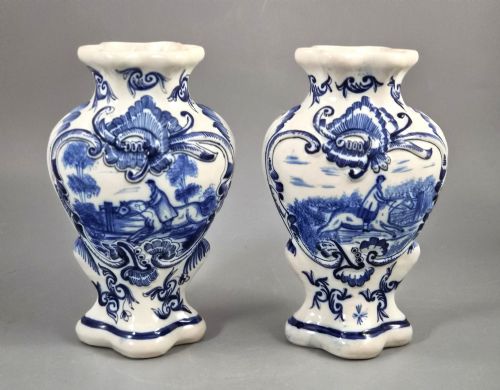
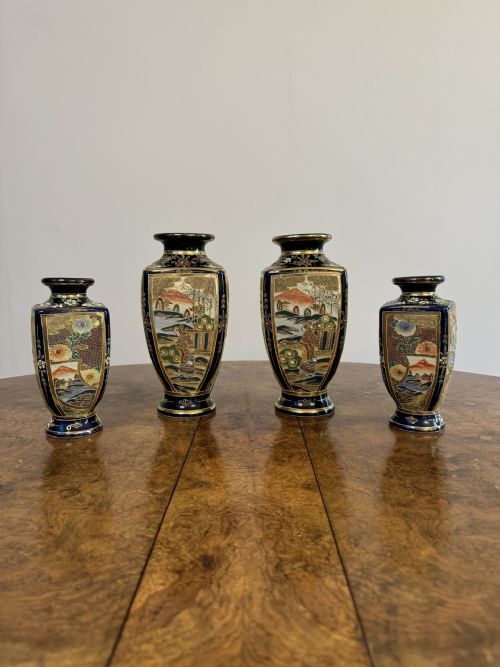
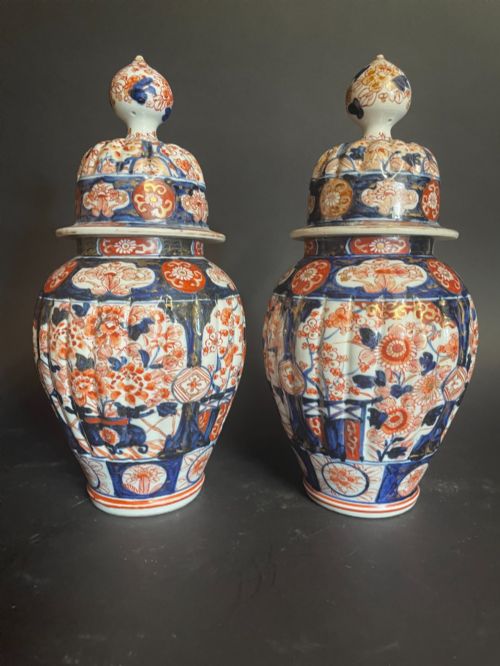
Cobalt Blue Decorative Vase
When you handle a cobalt blue decorative vase, you hold a piece defined by deep metallic colour, ceramic weight and centuries of international kiln traditions.
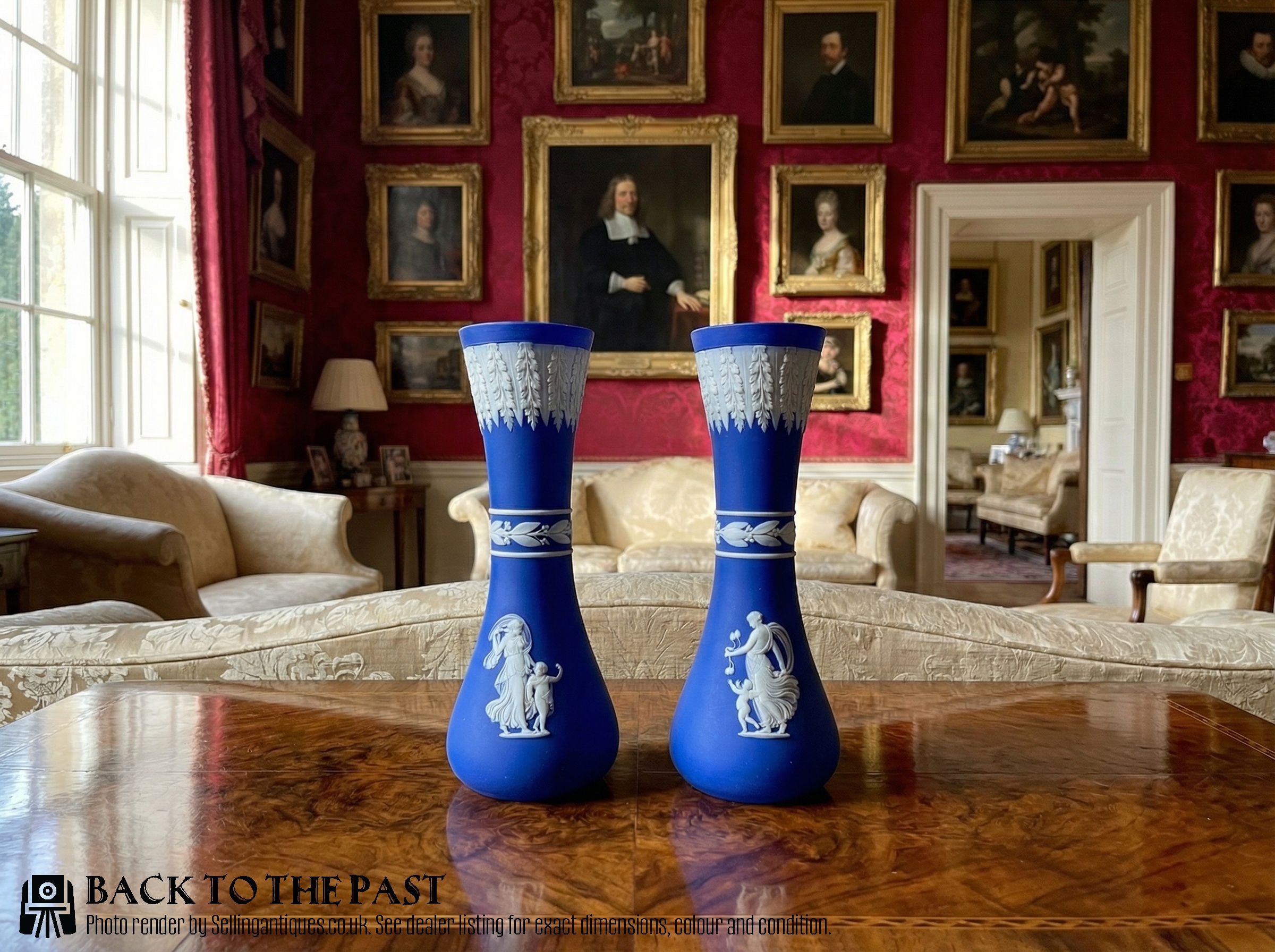
Cobalt Blue Decorative Vase
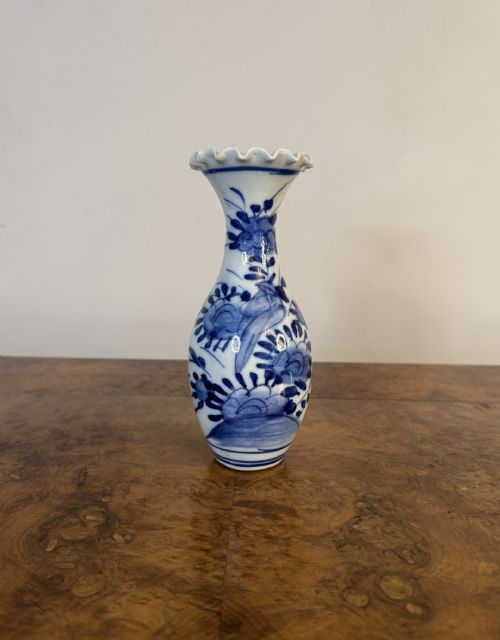
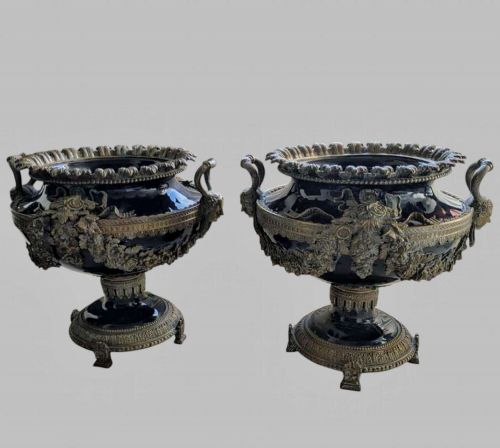
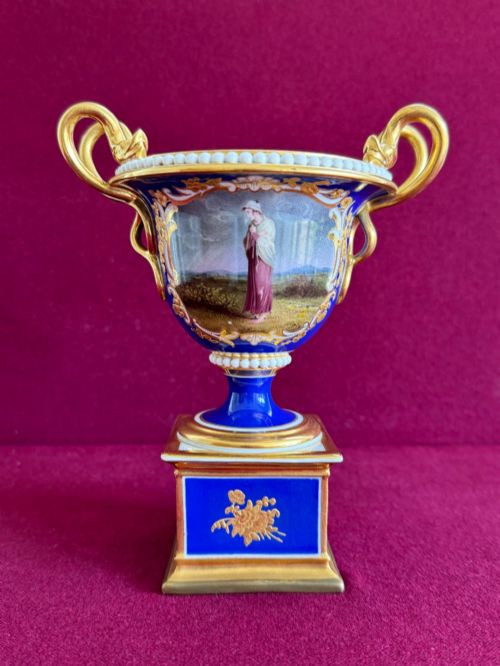
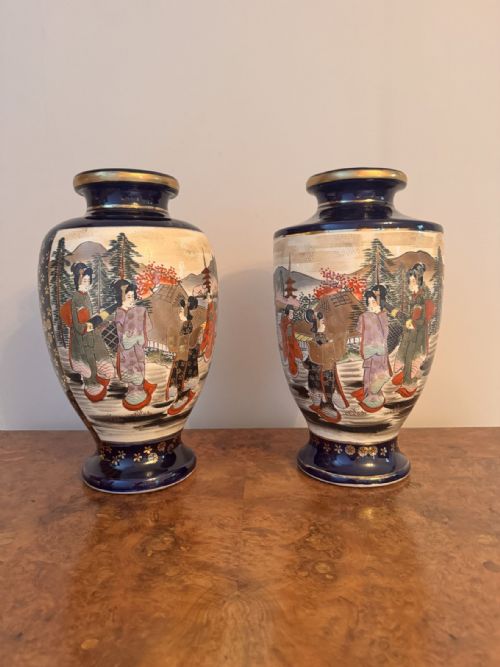
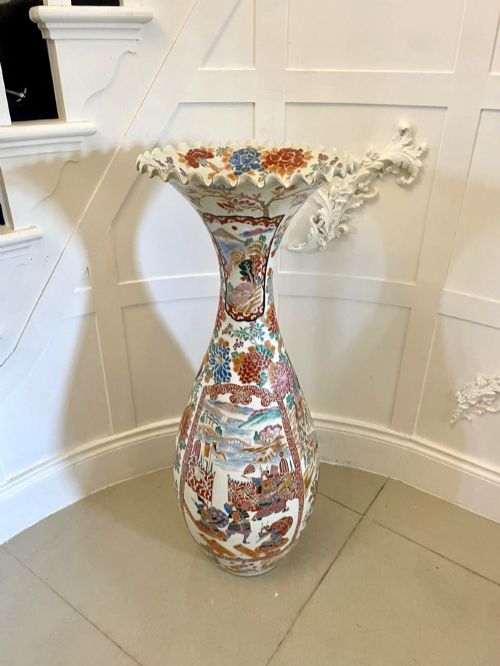
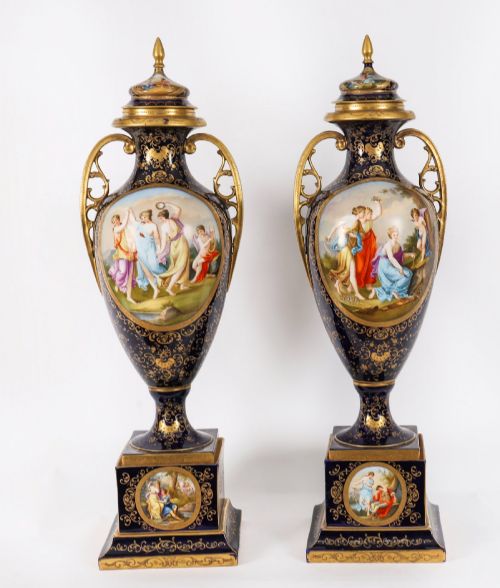
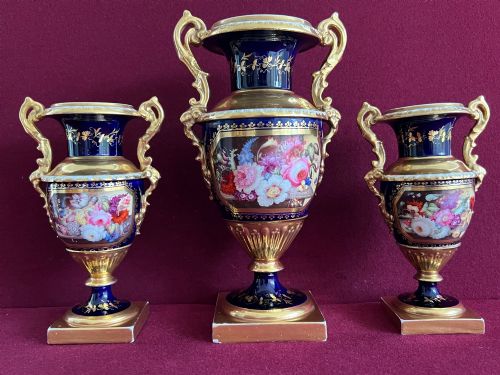
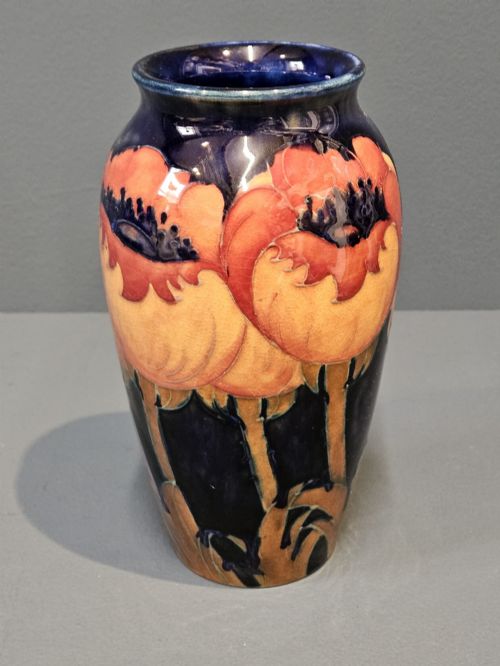
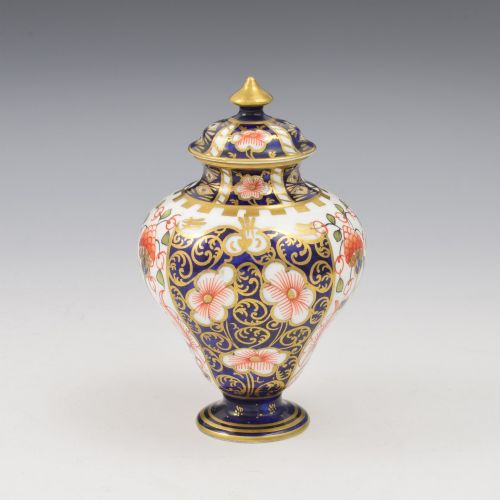
A cobalt blue decorative vase spans varied international workshops, ranging from Victorian English earthenware and porcelain to Japanese Imari and Satsuma output from the nineteenth century. Buyers examine diverse forms here, including lidded ginger jars, campagna urns, floor-standing vessels and cabinet bud vases.
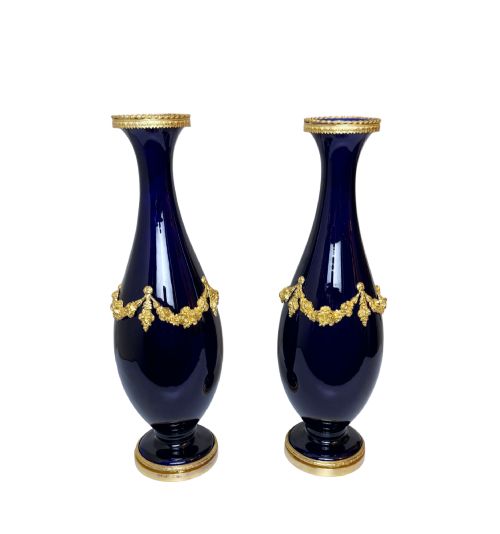
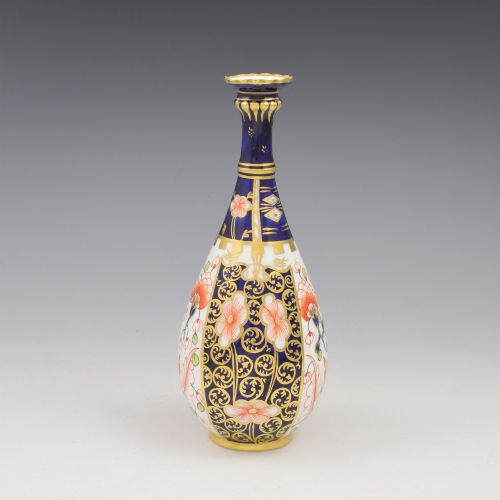
The selection reflects distinct eras, drawing heavily from the nineteenth century, Edwardian period, and eighteenth-century pieces like Chinese Canton enamel on copper. Makers employed cobalt to achieve rich ground colours, often pairing the pigment with gilt trim, hand-painted pastoral scenes or raised enamel motifs.
How they were made
Potters applied cobalt oxide to ceramic bodies before firing, enduring high kiln temperatures to yield a permanent, luminous blue glaze beneath transparent layers. Workshops then added gold leaf, gilt bronze mounts, or enamel details over the glaze in secondary decorative firings.
Earthenware, stoneware, and porcelain formed the structural body of these vessels, shaped via wheel-throwing or moulding techniques. Artisans integrated metal elements such as ormolu trim, silver cabochons, and bronze mounts to complete the decorative scheme.
Cobalt Blue Decorative Vase Retail Price Guide 2026
Typical asking prices for cobalt blue decorative vase among the pieces listed under this phrase on Sellingantiques today, from the lower quarter to the upper quarter. They describe what is for sale here now, not the wider market.
Materials span copper vessels with Chinese Canton enamel, terracotta with silver mounts, and French glass paired with ormolu trim.
What varies in quality
The precision of the hand-painted brushwork and the crispness of the gilt detailing separate standard productionware from superior studio output. Painters who executed intricate landscape panels or complex moriage relief work achieved greater depth and definition across the blue ground.
The integration of mounts and covers dictates overall refinement, where cast ormolu and bronze fit the ceramic body with exact alignment. Heavier porcelain weight, balanced proportions, and documented attribution to specific potteries or decorators elevate individual pieces.
Royal Crown Derby·Fourmaintraux-Courquin·Doulton Lambeth·Coalport·Stevenson and Hancock·Carlton Ware·Spode·Kinkozan·Nanzan·Flight Barr and Barr·Samuel Alcock·Wedgwood
The Cobalt Blue Decorative Vase Glossary
- Imari
- A style of Japanese porcelain decorated in underglaze blue, iron red, and gold. This palette originated in Arita and heavily influenced European ceramic design.
- Moriage
- A type of Japanese ceramic decoration featuring raised clay dots and lines applied before firing. Artisans often highlighted these textured patterns with heavy gold leaf.
- Campagna urn
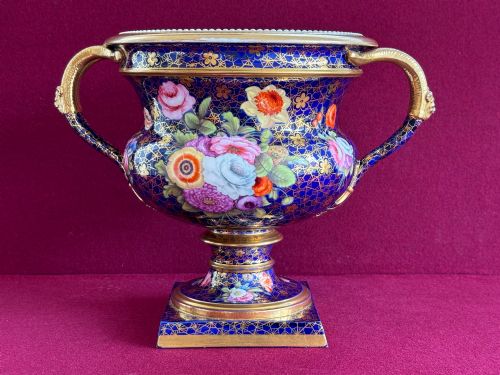
- A bell-shaped classical vessel form raised on a pedestal foot with twin handles. English factories frequently produced these decorative pieces during the nineteenth century.
- Garniture
- A set of three or more matching vases designed for display together on a mantelpiece or cabinet. These groupings often feature a central lidded jar flanked by matching beakers or baluster vases.
Cobalt Blue Decorative Vase: Frequently Asked Questions
How do I date a cobalt blue decorative vase?
Examine the base for factory marks, impressed stamps, or handwritten painter signatures that correspond to known operating periods of the pottery. Material composition, such as bone china versus earthenware, and the style of the gilt or enamel decoration also indicate the era of manufacture.
Compare the form and glaze characteristics against documented examples from the same workshop or region. Nineteenth-century pieces often display distinct potting techniques and hand-mixed cobalt shades that differ from later twentieth-century output.
What is the difference between Satsuma and Imari ware?
Satsuma ceramics feature an ivory-coloured, crackle-glaze earthenware body decorated with detailed polychrome enamels and raised gold moriage. These pieces typically depict figures, landscapes, or religious scenes.
Imari ware utilises a hard porcelain body painted primarily in deep cobalt blue underglaze, complemented by iron red and gilt overglaze highlights. The patterns frequently incorporate geometric borders, floral panels, and stylized brocade motifs.
How should I display a large floor vase?
Position a heavy floor vase in a secure corner or alcove away from high-traffic walkways to prevent accidental impacts. Placing the vessel on a stable, flat surface ensures proper weight distribution for large ceramic bodies.
Keep the piece out of direct sunlight to protect the integrity of any delicate overglaze enamel or gold leaf details. Pair the vessel with complementary room tones that highlight the depth of the cobalt blue glaze.
Are lidded jars and ginger jars interchangeable?
Ginger jars originally served to transport spices and storage items, featuring a broad shoulder and a short, straight neck designed to accommodate a lid. Decorative lidded jars encompass a wider variety of urn and vase shapes intended purely for display.
While both forms feature matching covers, ginger jars maintain a distinct globular silhouette. Collectors evaluate the presence of the original matching cover as a key factor in the completeness of the piece.