



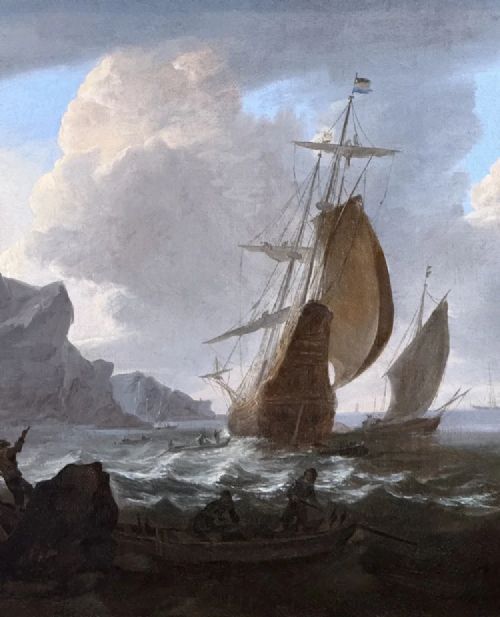
Coastal Landscape Oil Artwork
Coastal landscape oil artwork brings the movement and light of the shore directly onto the wall through pigment and canvas.
Coastal Landscape Oil Artwork
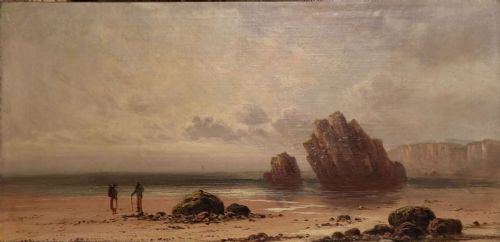
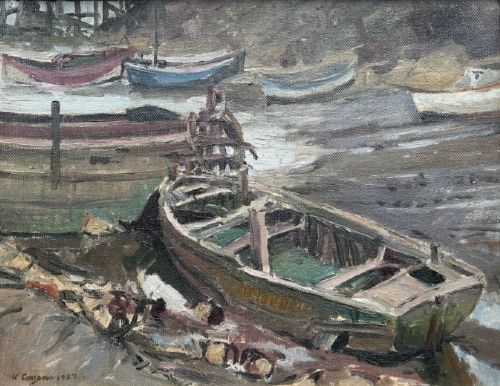
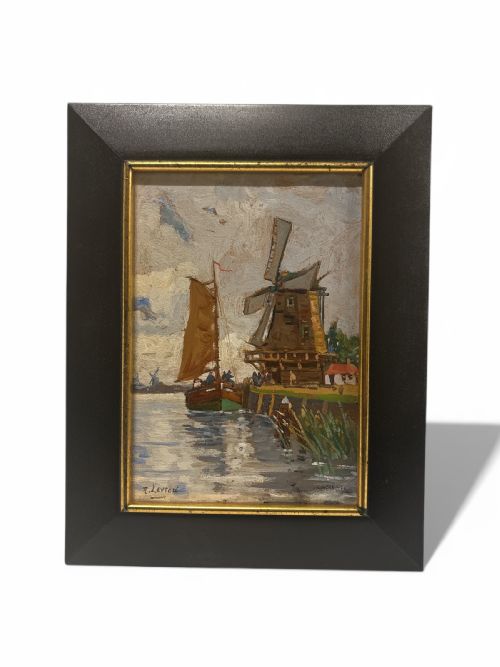
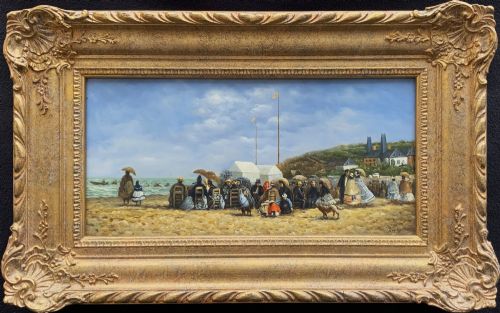
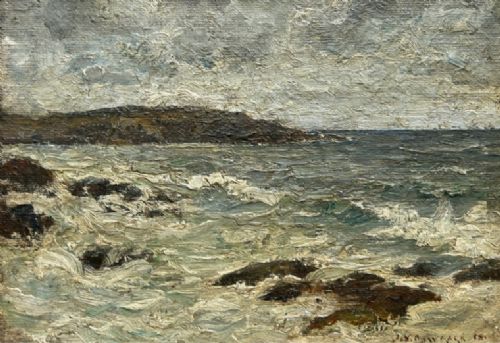
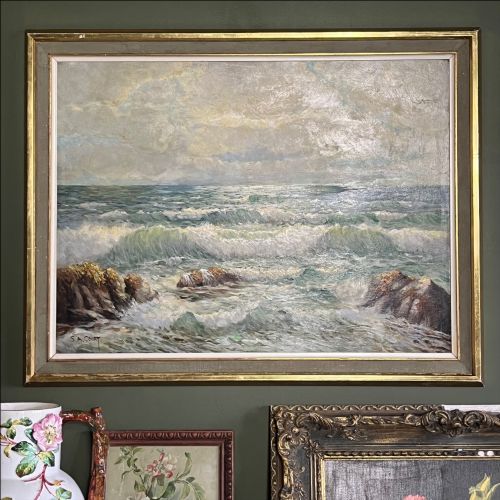
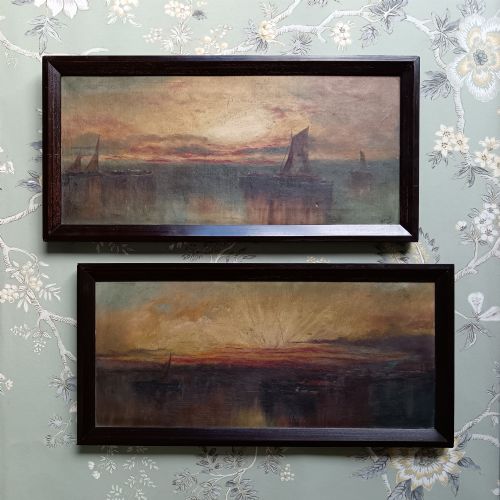
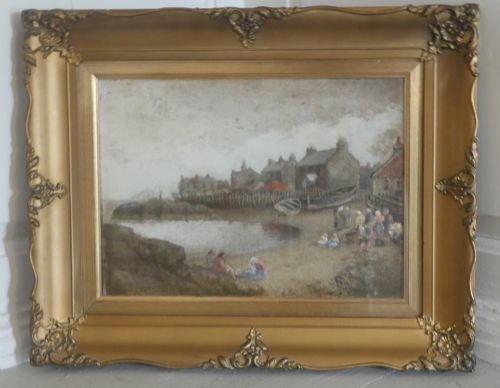
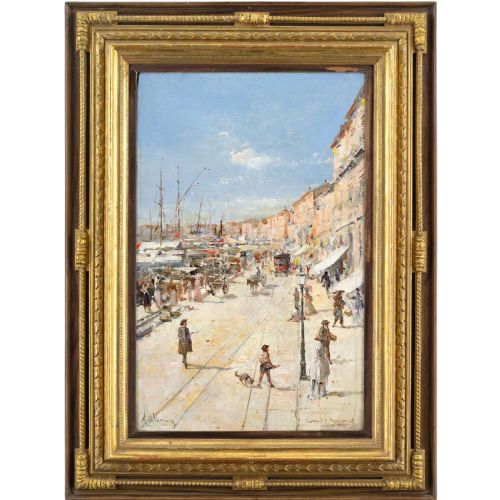
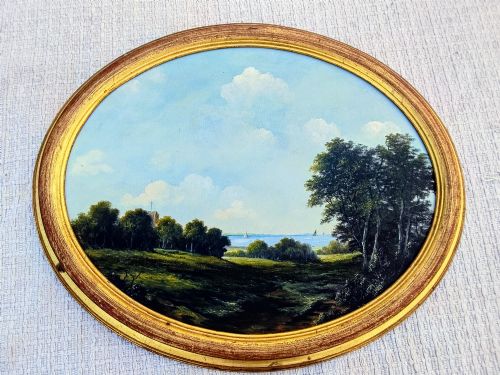
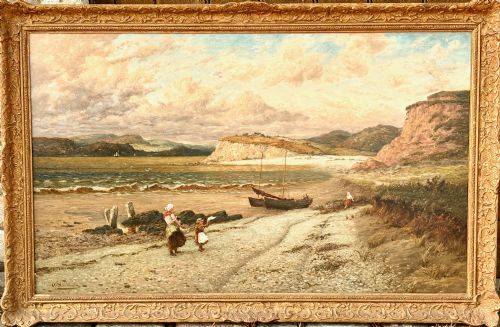
A coastal landscape oil artwork captures harbours, open seas, and rocky shores across multiple decades and artistic movements. These pieces range from intimate nineteenth-century maritime scenes to mid-century British and French interpretations of the coast. Canvas and board provide the primary supports for these coastal depictions, often framed in gilt timber.
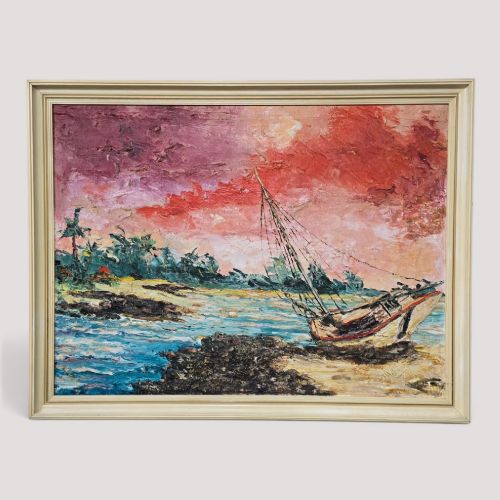
The selection includes en plein air views of Cornwall, bustling harbour scenes from Sicily and Morecambe Bay, and quiet depictions of sailboats at sunset. Painters in these listings utilise thick impasto strokes or smooth brushwork to record the shifting conditions of the sea and sky.
Materials and construction
Artists apply oil paint to prepared surfaces of canvas or board, working either in the open air or within the studio. Pigments are built up in layers or applied with thick impasto to create texture, particularly when depicting crashing waves or rugged cliffs.
Frames made of wood, frequently finished with gilt, enclose the paintings to protect the edges and complement the composition. The physical support often bears the signature of the painter or period markings.
Smugglers on horseback share the coastline with serene sailboats and crashing sunset waves.
Elements of distinction
Quality rests in the handling of light and atmosphere, where skilled brushwork conveys the movement of wind and water convincingly. The depth of the pigment layers and the strength of the composition separate standard regional works from more accomplished paintings.
The condition of the original canvas or board and the integrity of the framing contribute to the overall standing of the piece. Works that retain their original signed attribution and surface texture hold greater visual presence.
Clifford Hanney·Sidney A Court·B Nash·Edward Mills·Augusto Alberici·Bonaventura Peeters·Lucy Pratt·Clive Browne·Peter Brannan·Paul Bret·Bernard Benedict Hemy·Thomas Creswick·James Fry·Ethel Sands·Donald McIntyre·Cecil Allan Mould·Charles Euphraisie Kuasseg·John Wilson Carmichael·Abraham Cooper·John Moore of Ipswich·William Henry Williamson·John Holland·Erich Mercker
The Coastal Landscape Oil Artwork Glossary
- Impasto
- Paint applied thickly to a surface, standing out in relief from the plane. This technique adds tactile dimension to representations of rough seas and rocky shores.
- En plein air
- The practice of painting outdoors to capture direct observation of light and weather. Artists working this way finish their compositions in front of the coastal subject.
- Maritime art
- Painting that depicts ships, harbours, and coastal views. This genre encompasses both calm coastal inlets and turbulent open-water scenes.
- Gilt frame
- A wooden picture surround covered with a thin layer of gold leaf or metallic paint. These frames enhance the visual weight of nineteenth-century and early twentieth-century oil paintings.
Coastal Landscape Oil Artwork: Frequently Asked Questions
What periods do these paintings cover?
The available selection spans from the nineteenth century through the mid-twentieth century, including Victorian works and mid-century modern pieces.
Earlier examples often focus on traditional maritime scenes, while later works reflect impressionist and modernist approaches to coastal views.
What surfaces were used for these artworks?
Painters utilised canvas and wooden board as the primary supports for their oil pigments. Many of these surfaces remain housed in their original gilt wooden frames.
Canvas allows for larger compositions, whilst board provides a rigid support often utilised for smaller en plein air studies.
How should I hang a coastal oil painting?
These works require secure wall fixings suited to the weight of the wooden frame and canvas support. Direct sunlight should be avoided to protect the oil pigments and gilt finishes over time.
Positioning the painting at eye level in a room with stable humidity helps preserve the condition of the board or canvas.
Are these coastal paintings signed by artists?
Many pieces feature visible signatures, inscriptions, or attribution to specific painters active during the nineteenth and twentieth centuries. Some works include titled subjects on the reverse or frame.
Indistinct signatures also appear, reflecting the age and handling of older oil paintings.