



Impressionist Beach Landscape Oil
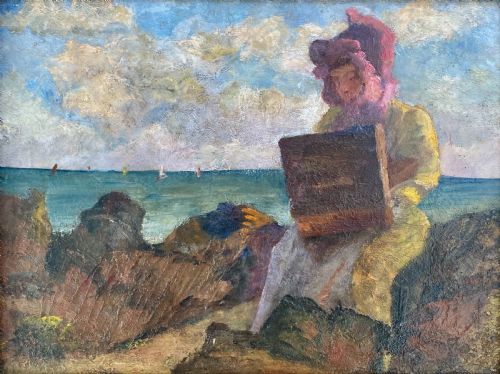
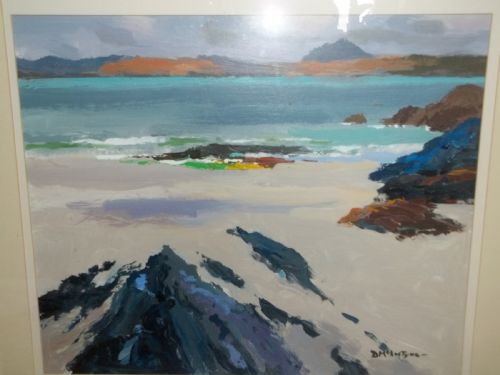
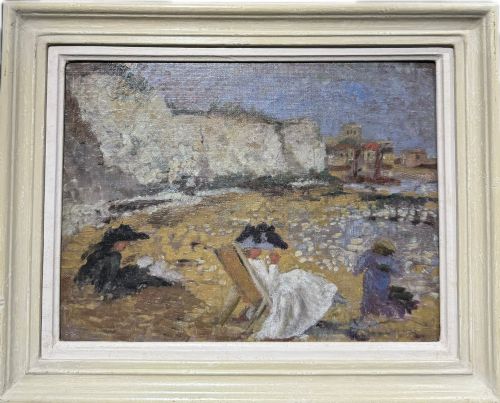
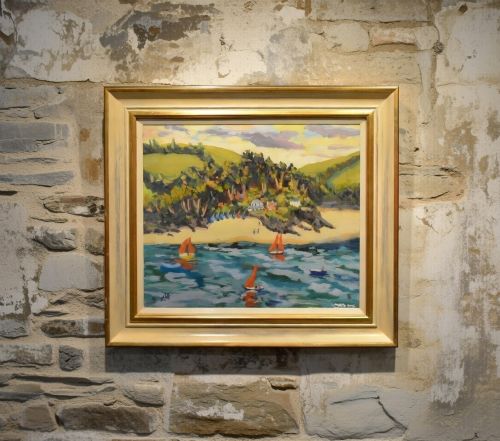
Impressionist beach landscape oil works capture light and atmosphere by the water, offering a direct window into coastal life from past decades.
Impressionist Beach Landscape Oil
An impressionist beach landscape oil brings together the dynamic play of natural light upon sand, sea, and sky. When you explore this selection, you encounter works spanning from the nineteenth century through to mid-century modern interpretations.
The pieces on this page lean heavily towards British and French impressionism alongside European school visions. You will find coastal scenes ranging from quiet Welsh bays and Scottish borders to Devon shores and French coastal vistas.
Framed formats dominate the selection, utilising wood, gesso, and gilt to complement the canvas or board surfaces. These paintings preserve momentary observations of tides, lighthouses, and figures by the shoreline.
Markers of distinction
Quality rests in the handling of light and the surety of the brushwork rather than the mere presence of a signature. A stronger piece demonstrates a confident grasp of atmosphere, successfully rendering the luminosity of sky and water.
The cohesion of the composition and the preservation of the painted surface dictate the standing of an individual work. Original frames suited to the period also add context and integrity to the whole object.
Impressionist Beach Landscape Oil Retail Price Guide 2026
Typical asking prices for impressionist beach landscape oil among the pieces listed under this phrase on Sellingantiques today, from the lower quarter to the upper quarter. They describe what is for sale here now, not the wider market.
The listings span multiple decades from the nineteenth century through to the 1960s, featuring oil paint on canvas and board.
Donald McIntyre·Sir David Murray RA·Owen Bowen·Robert Macaulay Stevenson·William Greaves·Alfred Egerton Cooper
The Impressionist Beach Landscape Oil Glossary
- Impressionism
- A nineteenth-century painting style focusing on the visual impression of the moment, particularly shifting light and ordinary subject matter. It relies on visible brush strokes and open composition.
- Plein air
- Painting executed outdoors rather than in a studio, allowing the artist to observe direct natural light on coastal subjects. This method underpins much of the work seen here.
- Gesso
- A plaster-like mixture applied to wood or canvas as a base for painting or moulded onto frames to receive gilt finishes. It provides a smooth, stable ground for decorative elements.
- Gilt
- A thin layer of gold or gold-coloured material applied to frame surfaces. It reflects light and frames the oil painting effectively.
- Board
- A rigid flat substrate used instead of canvas for painting. It offers a firm surface for swift oil sketches.
Impressionist Beach Landscape Oil: Frequently Asked Questions
How do I date an impressionist beach oil?
Dating relies on stylistic clues, framing materials, and recorded active periods of the artists involved. Many pieces carry signatures or exhibition labels on the reverse that help narrow down the decade.
Changes in canvas preparation and frame construction over the nineteenth and twentieth centuries also offer reliable physical evidence for the period of creation.
Where should I hang a coastal oil painting?
These works suit spaces with stable temperature and humidity away from direct, harsh sunlight to protect the oil paint and canvas. Placing them on neutral walls allows the natural light within the composition to stand out.
Ensure the hanging height aligns with eye level so the brushwork and texture can be appreciated at close range.
What is plein air painting?
Plein air refers to the practice of painting outdoors to capture the shifting effects of light and weather on the shore in real time. Artists working this way finish their compositions rapidly to record transient atmospheric conditions.
This method gives beach landscapes their spontaneous energy and immediate sense of place.
How do I care for an oil painting on board?
Keep the surface clean using a soft, dry brush to gently remove dust from the paint and the frame rebate. Avoid using water or chemical cleaners on either the canvas or the wooden support.
Protect the back of the board or canvas from moisture and physical pressure by ensuring the hanging wire and fixings remain secure.