



Framed Maritime Seascape Art
Framed maritime seascape art brings coastal views, naval engagements and harbour scenes into domestic rooms through historical paintings and watercolours.
Framed Maritime Seascape Art
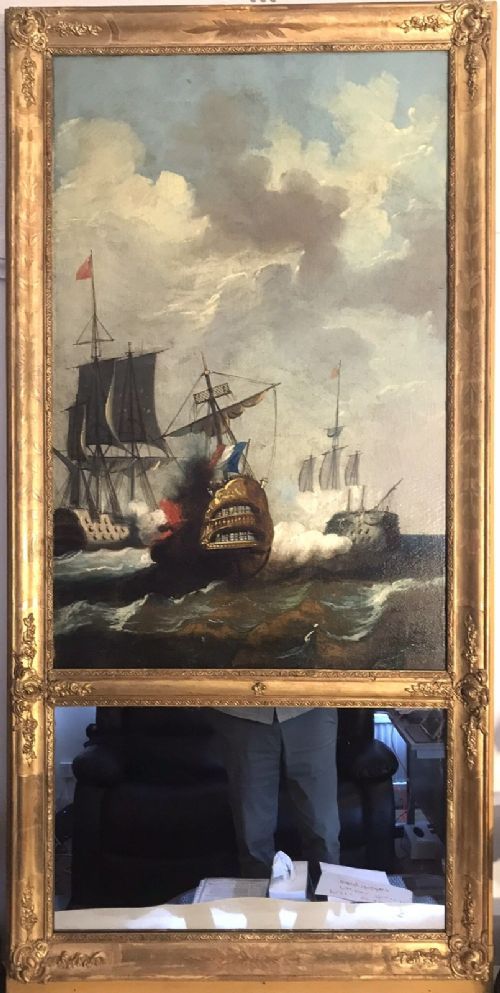
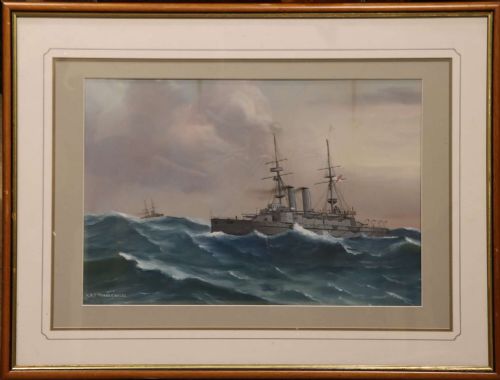
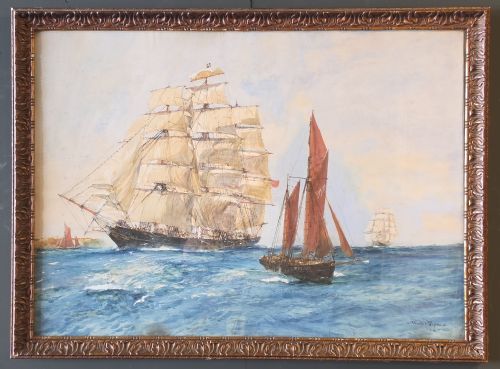
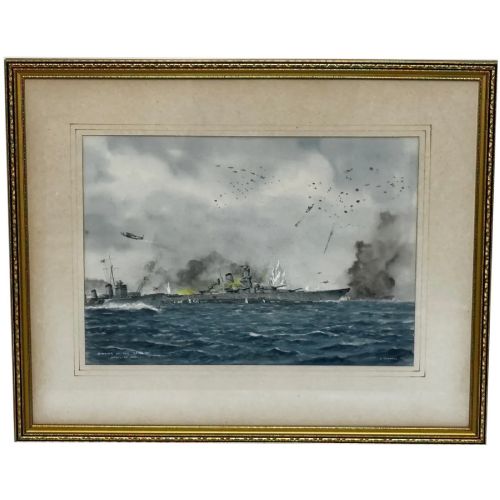
Framed maritime seascape art captures marine life, coastal topography and naval history across various centuries and artistic movements. Buyers find depictions ranging from calm harbour inlets to vessels navigating rough seas and wartime engagements.
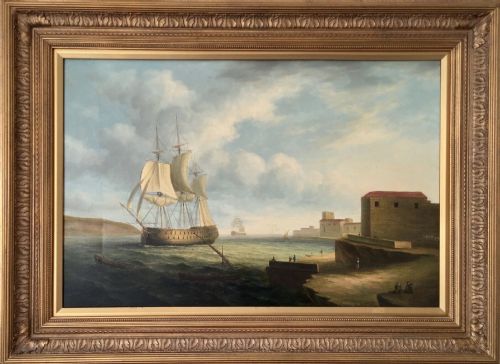
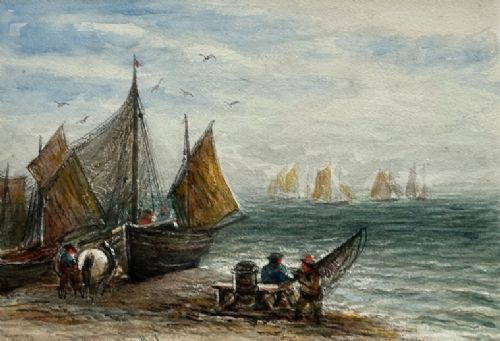
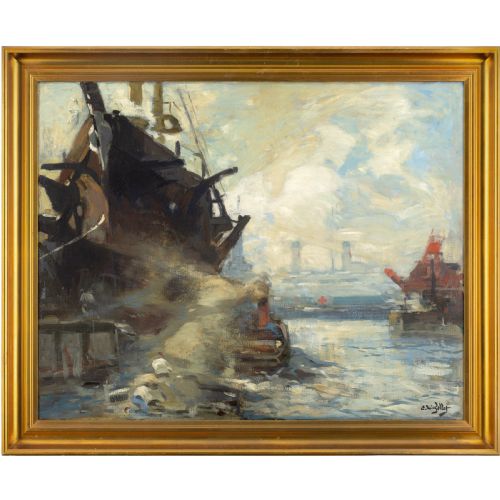
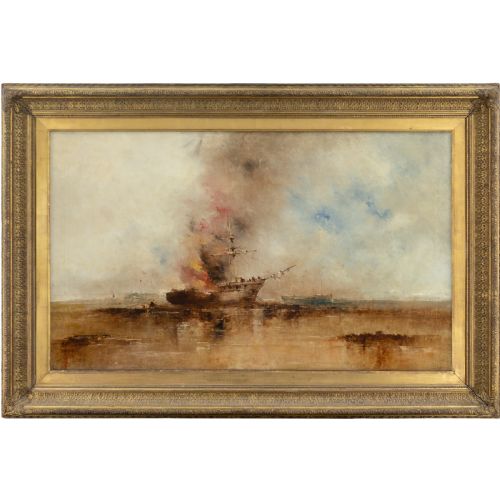
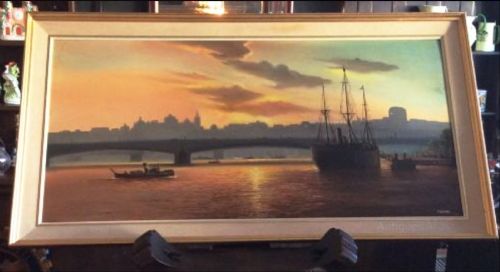
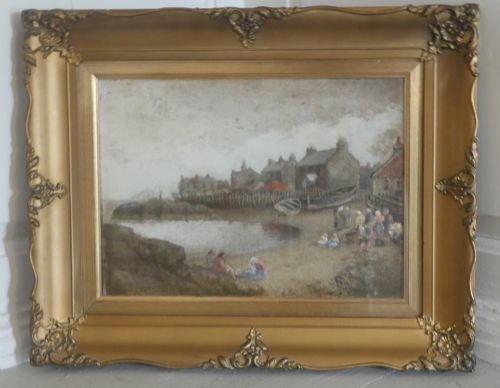
Examples display specific locations such as Valletta Harbour, Brighton Beach, St Ives and the Thames at Waterloo Bridge. Many pieces retain their original or period gilt wood frames, completing the presentation.
Materials and construction methods
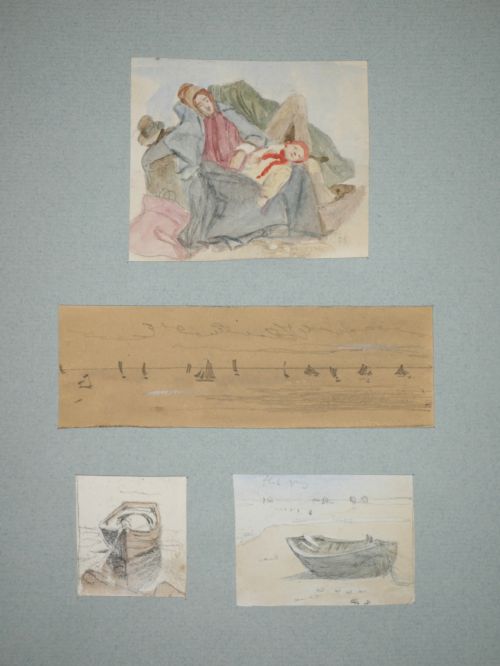
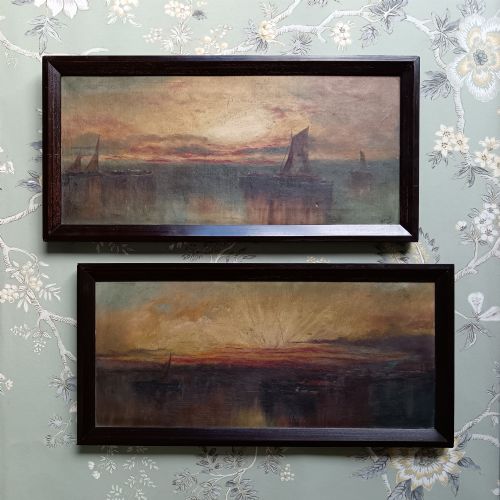
Artists relied primarily on oil paint applied to canvas, board or panel to build depth and texture within marine scenes. Watercolours on paper offered a lighter medium for capturing coastal weather and atmospheric light.
Framing utilised wood, frequently finished with gilt to complement the imagery and protect the edges of the canvas or paper support. Glass often covers works on paper to shield the delicate pigments from moisture and dust.
Listings feature works spanning the 17th, 19th and 20th centuries, executed in oil and watercolour on canvas, board, panel and paper.
Factors determining quality
Quality rests upon the artist's ability to render water, light and atmospheric conditions convincingly within the composition. Detailed rigging, accurate vessel architecture and dynamic movement separate proficient maritime works from standard topographical records.
The condition of the pigment and the integrity of the original support influence the overall standard of each piece. Surviving frames matching the period of the artwork enhance the contextual completeness of the presentation.
James Hardy·James Orrock·Eugène-Louis Gillot·William McAlpine·Charles Edward Dixon·Eric Tufnell·William Banks Fortescue·John Rose Miles·James Kay·Frank Watson Wood·William Broome·Bernard Gribble·Bonaventura Peeters·Frank William Scarbrough·F. Corpuz·Peter Brannan·Francis Moltino·Bernard Benedict Hemy·Thomas Creswick·Lucy Pratt·Willem Bos·Cecil Allan Mould·John Wilson Carmichael·Lai Fong
The Framed Maritime Seascape Art Glossary
- Seascape
- A work of art depicting the sea, coastal views or marine vessels. These compositions focus primarily on open water or coastal topography.
- Gilt wood
- Wood coated with a thin layer of gold leaf or gold paint. This finish frequently appears on antique frames surrounding oil paintings and watercolours.
- Panel
- A flat piece of wood used as a rigid support for painting instead of stretched canvas. Artists utilised panels extensively for smaller or detailed works.
- Watercolour
- A paint consisting of pigment suspended in a water-based solution applied to paper. This medium suits translucent washes of light and sky.
- Gouache
- An opaque water-based paint similar to watercolour but mixed with a binding agent to create solid areas of colour. It often highlights foam and clouds in marine art.
Framed Maritime Seascape Art: Frequently Asked Questions
What periods do these artworks cover?
The collection spans from seventeenth-century Dutch maritime works through nineteenth-century Victorian pieces up to mid-twentieth-century examples.
Victorian and Edwardian periods are particularly well represented among the paintings and watercolours available.
Are all the paintings supplied with frames?
Many pieces arrive within period gilt wood frames that complement the style and date of the artwork.
Framing details vary, with some listings specifically noting original surrounds or glass protection for works on paper.
How do I identify the subject of a marine painting?
Artists often titled their works or inscribed locations directly on the reverse or within the composition itself.
Recognisable landmarks such as bridges, specific harbours or named vessels help establish the exact geographic context.
What is the difference between oil and watercolour marine art?
Oil paintings utilise heavy pigments on canvas or board to create textured surfaces and deep atmospheric contrasts.
Watercolours employ fluid pigments on paper, offering delicate transparency suited to coastal light and weather.