




Classical Mythological Art
Classical mythological art brings divine narratives of gods, nymphs, and ancient legends directly into domestic spaces through enduring visual forms.
Classical Mythological Art
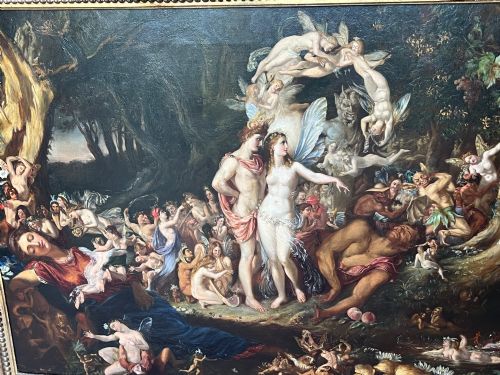
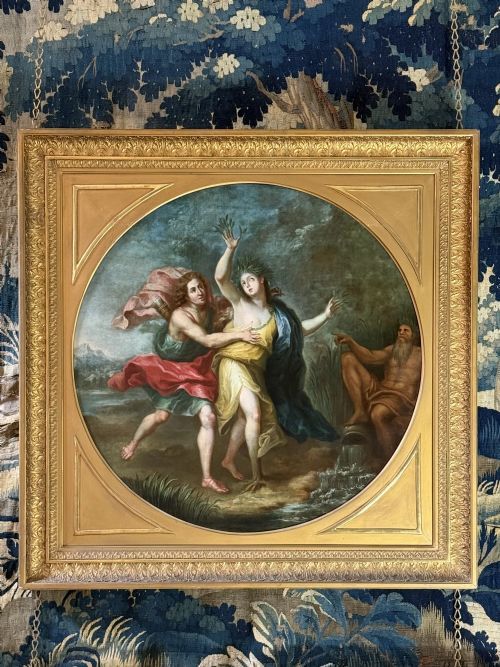
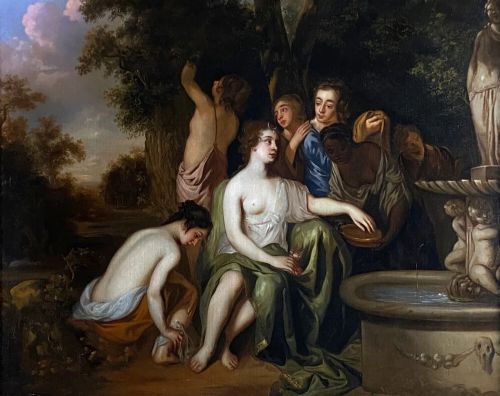
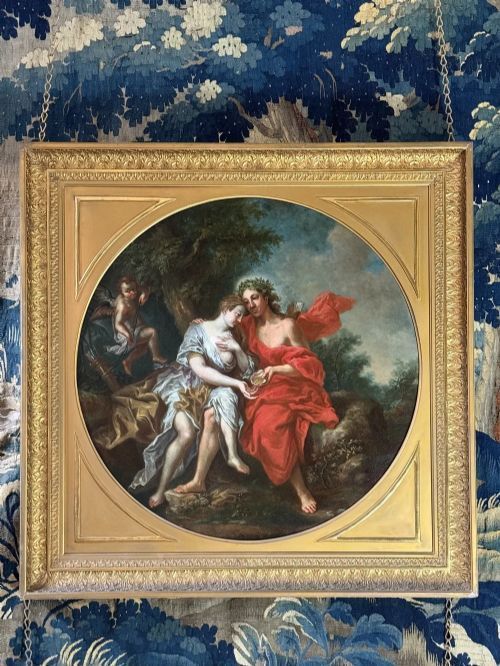
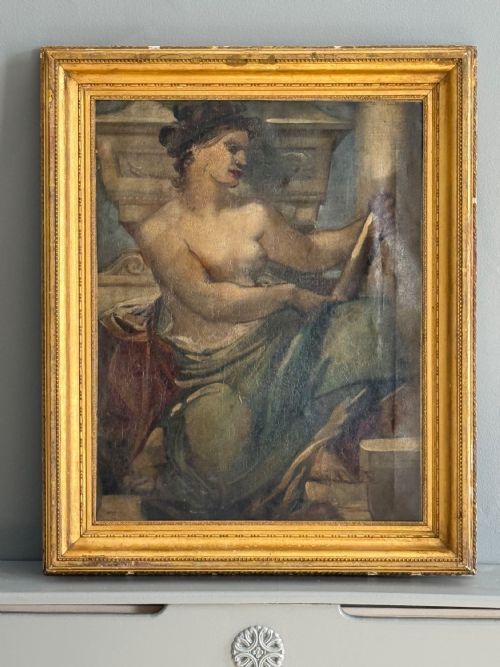
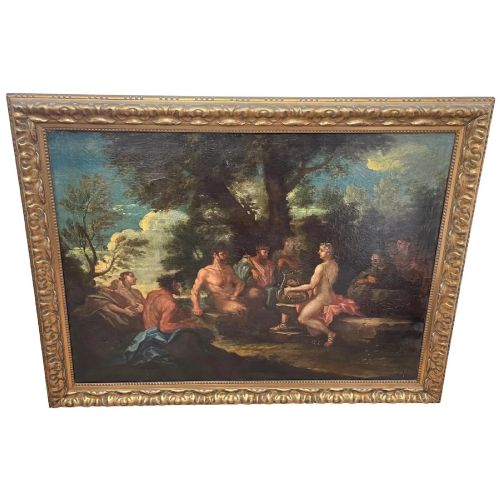
Classical mythological art encompasses paintings, prints, drawings, sculptures, and plaques depicting deities, heroes, and legendary tales from Greco-Roman tradition. Collectors pursuing classical mythological art encounter interpretations ranging from Baroque and Rococo canvases to nineteenth-century academic works and early twentieth-century bronzes.
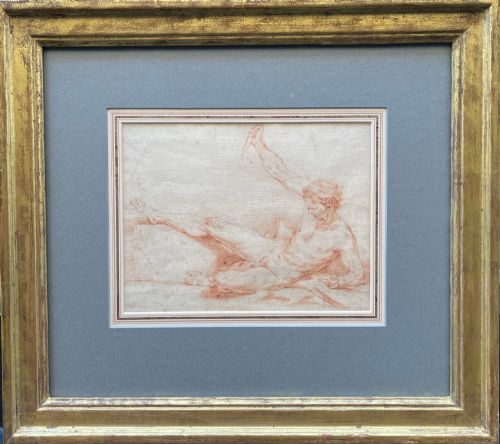
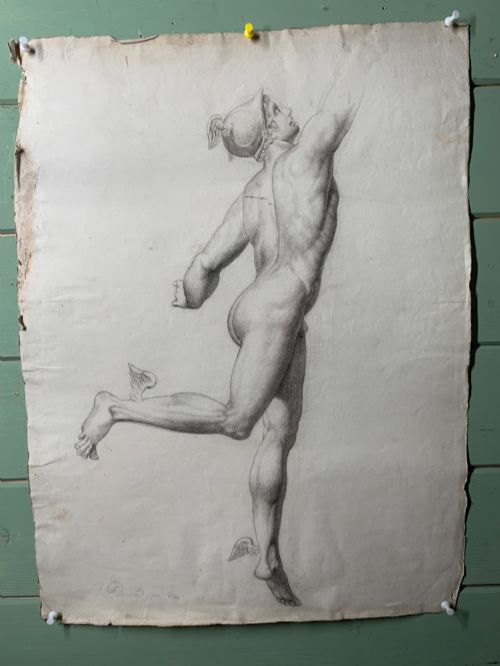
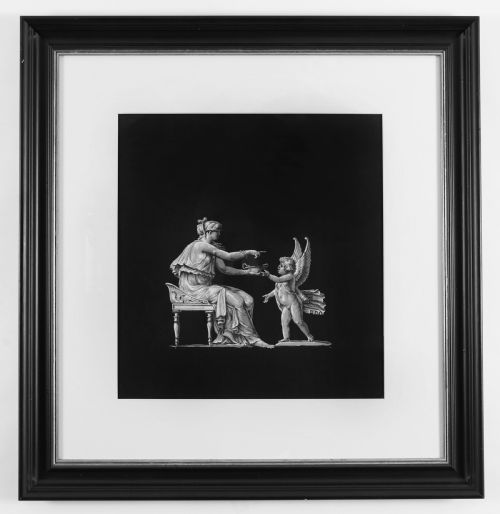
Oil paintings on canvas or panel dominate the selection, often accompanied by works on paper, terracotta figures, and metal wall reliefs. Pieces date primarily from the seventeenth century through to the art deco period, reflecting shifting stylistic interpretations of ancient narratives.
Materials and Construction Techniques
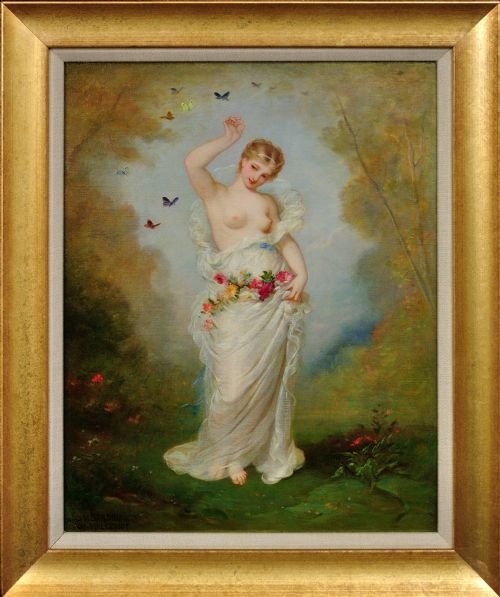
Painters utilised oil on canvas or wood panels, sometimes applying gouache or watercolour on paper for delicate mythological scenes and portraiture of deities. Pigments were layered to achieve atmospheric depth in landscapes framing bathing nymphs or divine encounters.
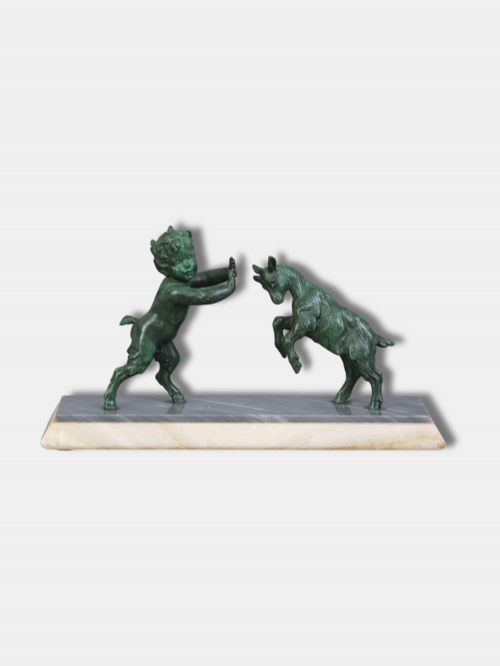
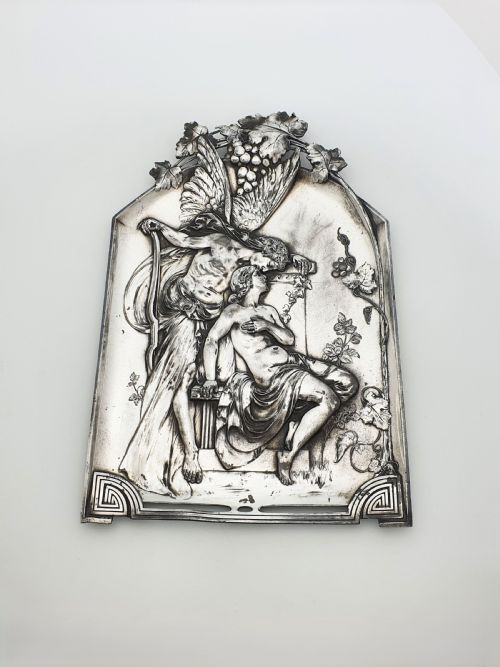
Sculptors and metalworkers shaped bronze, terracotta, porcelain, and silver plating into figurative groups and relief plaques. Carved wooden elements and giltwood frames further complement many of the flat works originating from continental and British workshops.
Several depictions feature Pan piping away to woodland animals, proving that even ancient deities enjoyed a quiet afternoon tune.
Distinctions in Quality
In sculptural pieces, crispness in the casting of bronze or the fine modelling of terracotta determines the distinction between ordinary commercial outputs and works exhibiting sculptural depth.
Charles Antoine Coypel·Sir Peter Lely·Emile Carlier·Peter Paul Rubens·Pierre Le Faguays
The Classical Mythological Art Glossary
- Neoclassical
- A style drawing inspiration from the classical art and culture of ancient Greece and Rome. This aesthetic prioritises severe lines, symmetry, and heroic subject matter.
- Academic
- Art produced under the influence of European academies of art, adhering to strict standards of composition, finish, and historical themes. Such works frequently depict legendary narratives with polished anatomical realism.
- Baroque
- A period characterised by exaggerated motion, drama, and tension in visual art. Works from this era utilise rich colour palettes and theatrical lighting to convey intense emotion.
- Giltwood
- Wood that has been treated with gold leaf or a gold-coloured finish. This material frequently frames important oil paintings and mirrors.
- Terracotta
- Unglazed, brownish-red fired clay utilised for sculptural figures and plaques. The medium allows modellers to capture immediate hand-worked textures before firing.
Classical Mythological Art: Frequently Asked Questions
What subjects appear in classical mythological art?
These works depict narratives from ancient Greek and Roman mythology, featuring figures such as Venus, Diana, Apollo, Cupid, and various nymphs and satyrs. Scenes often capture dramatic divine encounters, romantic pursuits, or pastoral tranquility.
Artists drew inspiration from classical literature to portray human emotion and allegory through the guise of immortal beings.
How were these artworks displayed historically?
Paintings and framed drawings typically hung within formal reception rooms, galleries, and private libraries of European estates. Bronze sculptures and porcelain figurines adorned mantelpieces, tables, and dedicated display cabinets.
Larger tapestries and wall plaques served to decorate expansive architectural spaces, integrating classical narratives directly into interior wall designs.
How should I care for antique oil paintings?
Protect canvas and panel paintings by keeping them away from direct sunlight, excessive heat sources, and fluctuating humidity levels. Gentle dusting with a soft, dry brush preserves the surface without disturbing the aged paint layers.
Avoid using liquid cleaners or chemical solvents on historic varnishes and consult a professional conservator for deep cleaning.
How do I distinguish nineteenth-century academic works?
Nineteenth-century academic pieces display meticulous draftsmanship, smooth brushwork that conceals individual strokes, and idealised human forms derived from classical sculpture. These compositions emphasise narrative clarity and emotional restraint.
Signatures, framing styles, and exhibition labels often provide further context to pinpoint the exact period of production.