


Classical Allegory Painting
A classical allegory painting brings mythological narratives and symbolic figures into your room through rich oils and detailed watercolours.
Classical Allegory Painting
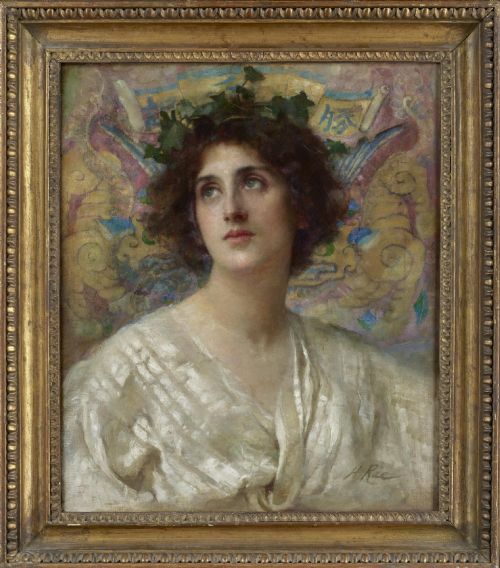
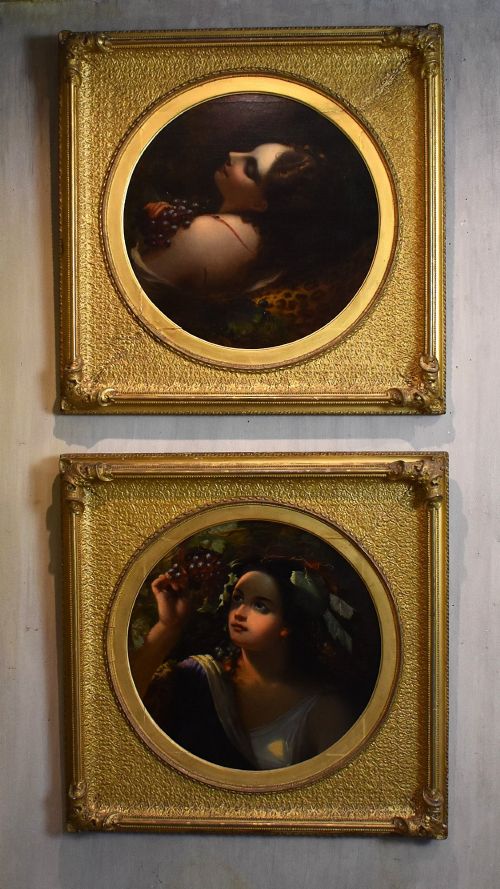
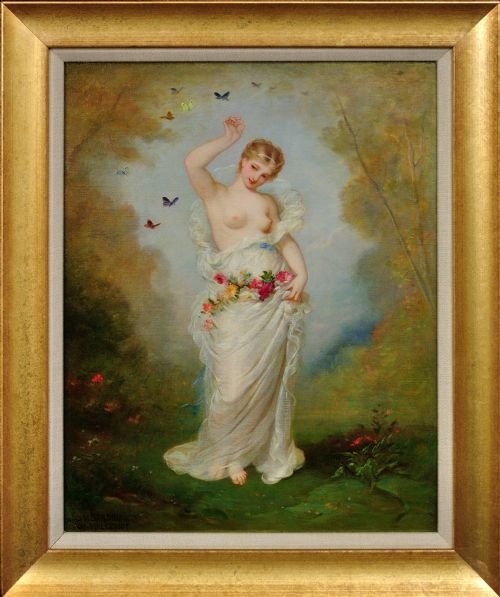
A classical allegory painting draws upon mythological scenes, romantic themes, and ancient deities to convey deeper symbolic meaning. When you search for a classical allegory painting, you encounter works spanning the seventeenth, eighteenth, and nineteenth centuries.
The pieces on this page appear in various forms including oil on canvas, framed oil paintings, and delicate watercolour on paper. Subjects range from Roman goddesses and mythical gods to literary scenes.
Continental schools, French Academic styles, and Victorian Classicism dominate the visual language of these artworks. Works attributed to specific circles or named artists sit alongside continental pieces from the early nineteenth century.
Materials and methods
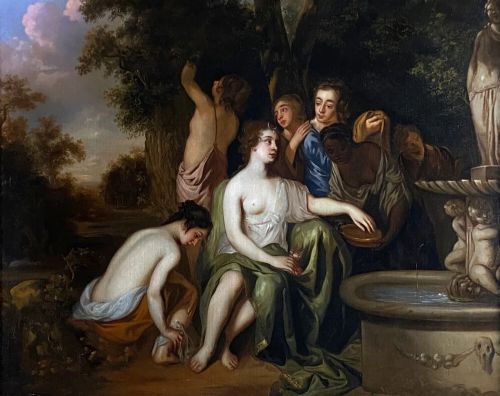
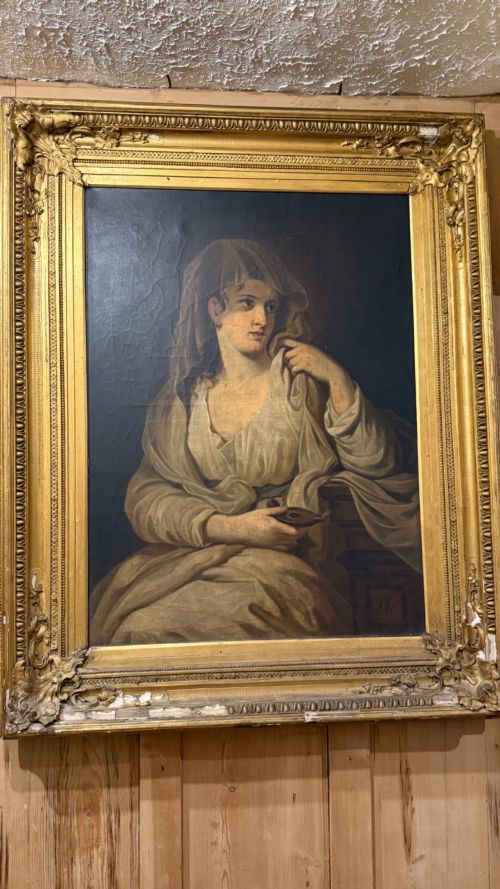
Artists built these works primarily using oil paint on canvas or stretched fabric, framed in giltwood and wood. The application of oil pigment allowed for rich tonal depth in rendering figures such as Diana, Flora, or Paolo and Francesca.
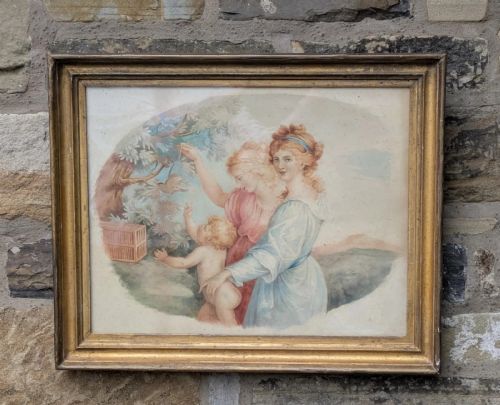
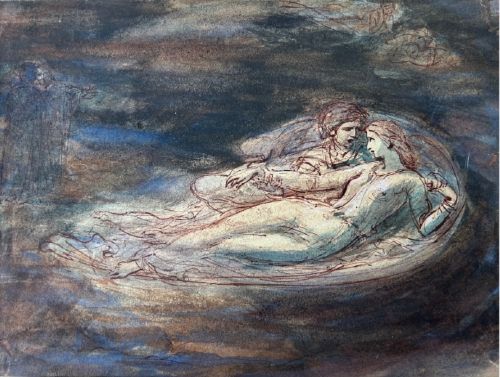
Other examples utilise watercolour, ink, and wash on paper, captured under glass. These works rely on fine linework and translucent washes to delineate classical forms and youthful figures.
Framing often complements the period, utilising carved and gilded wood surrounds that protect the canvas or paper beneath.
Even ancient goddesses need a bath, as Diana proves in seventeenth-century oils.
Assessing quality
Quality rests upon the handling of anatomy, drapery, and narrative tension within the composition. Masterful brushwork distinguishes works by named hands from standard continental school output.
The preservation of the pigment layer and the integrity of the canvas or paper dictate the visual power of the piece. Frame craftsmanship also plays a role, with period giltwood surrounds adding depth to the presentation.
Sir Peter Lely·Theodore Jensen·André Charles Voillemot·Arthur Heinrich Wilhelm Fitger·Nathaniel Hone
The Classical Allegory Painting Glossary
- Neoclassical
- A style rooted in the art and culture of ancient Greece and Rome. It prioritises restraint, line, and classical subject matter.
- Baroque
- An artistic style from the seventeenth century characterised by drama, rich colour, and dynamic movement. It informs works associated with earlier British and continental circles.
- Pre-Raphaelite
- A nineteenth-century movement that rejected academic conventions in favour of detailed observation and glowing colour. It appears in ink and wash sketches on this page.
- Giltwood
- Wood carved and coated with gold leaf or a gold-coloured finish. It provides traditional framing for many nineteenth-century oils.
- Academic Style
- Art produced under the influence of European academies of art. It emphasises mythological themes and polished technique.
Classical Allegory Painting: Frequently Asked Questions
What is a classical allegory painting?
A classical allegory painting is a work of art that uses mythological figures, gods, and symbolic narratives to tell a visual story. These pieces draw on ancient traditions to explore human emotion and history.
They appear in oil on canvas, framed oils, and watercolour sketches from the seventeenth century onward.
How do I hang a framed oil painting?
Framed oil paintings require secure wall fixings suited to the weight of the wood and giltwood frames. Hang them away from direct sunlight to protect the pigments.
Ensure stable room temperature and humidity to preserve both the canvas and the historical frame.
How do I tell nineteenth century pieces apart?
Nineteenth-century works on this page span several distinct movements including Pre-Raphaelite, French Academic, and Victorian Classicism. Examine the brushwork, subject matter, and materials to identify the specific stylistic approach.
Paintings range from mythological scenes of gods and nymphs to literary sketches in ink and wash.