



Classical Figurative Artwork
Classical figurative artwork brings together centuries of painted and sculpted human forms, offering a direct link to mythological and historical traditions.
Classical Figurative Artwork
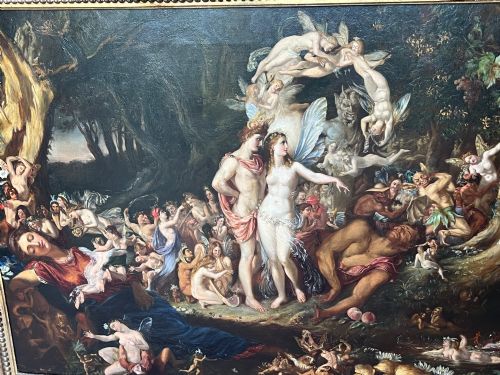
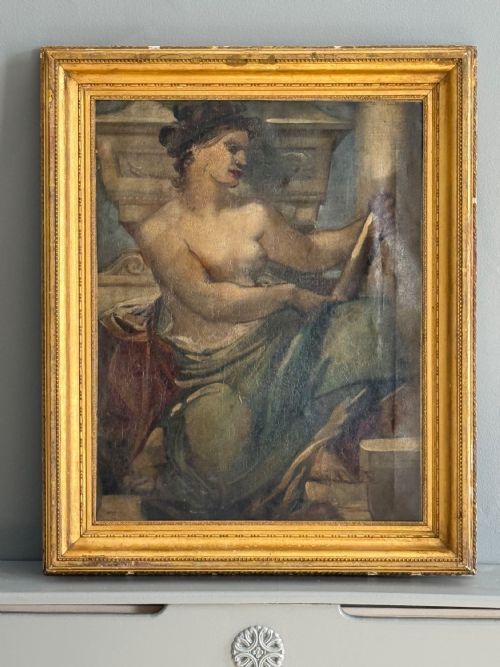
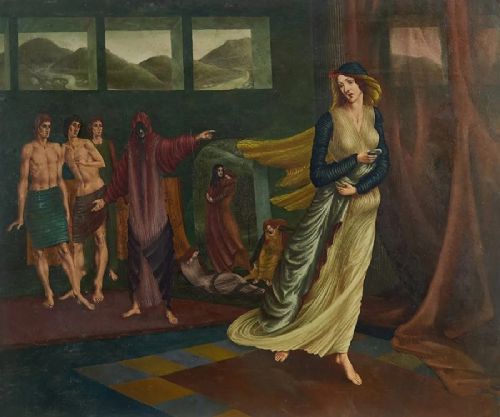
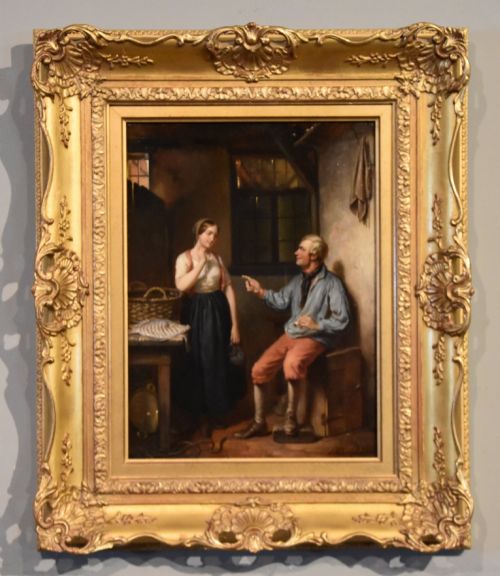
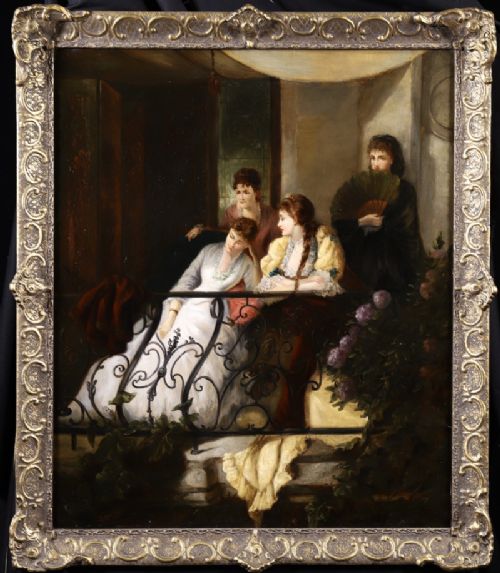
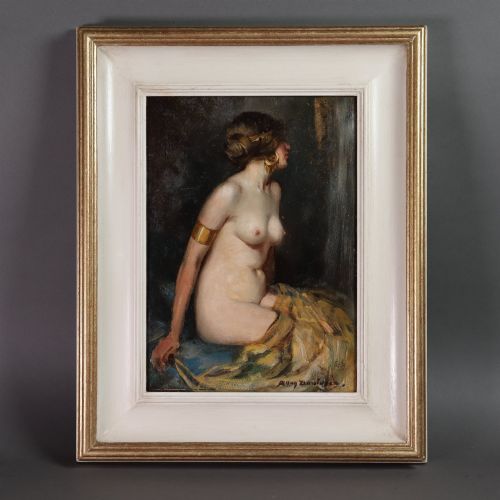
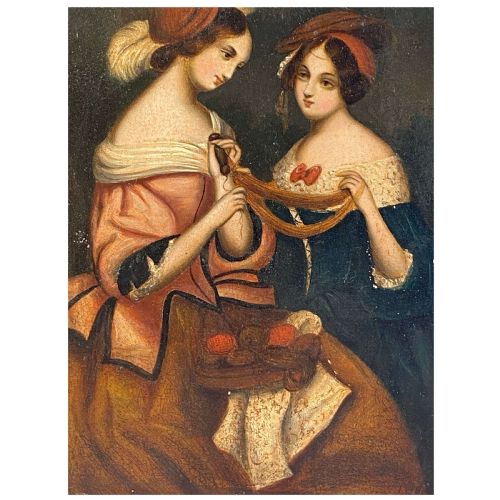
Classical figurative artwork encompasses paintings, watercolours, prints, and sculptures that place the human form at the centre of the composition. When searching this phrase, you encounter depictions drawn from mythology, historical genre scenes, and intimate portraits.
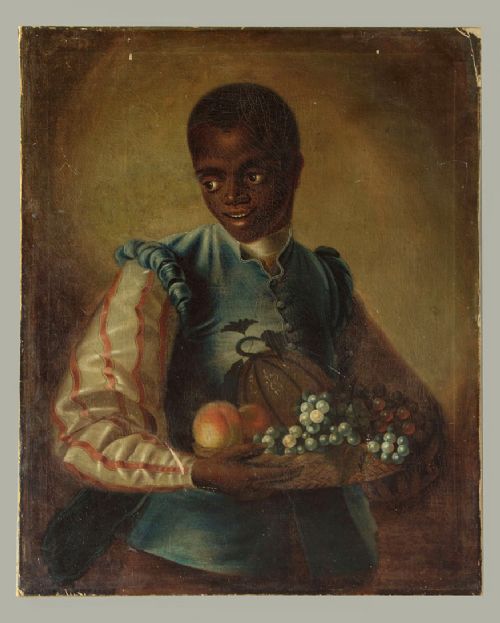
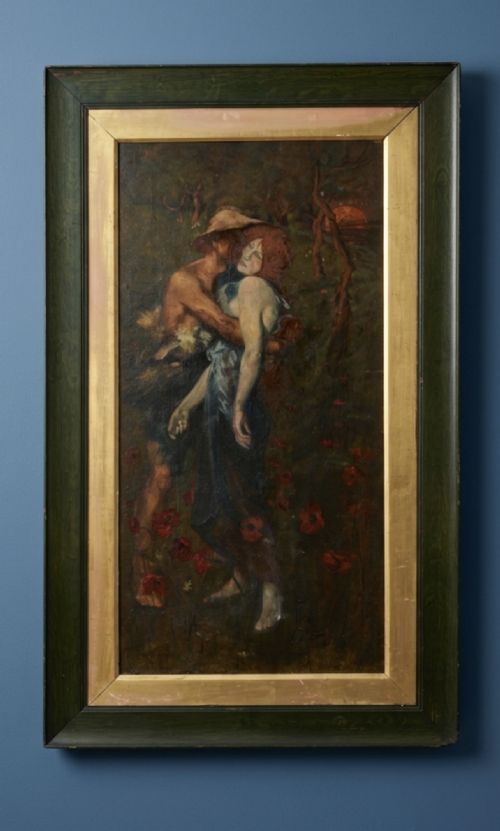
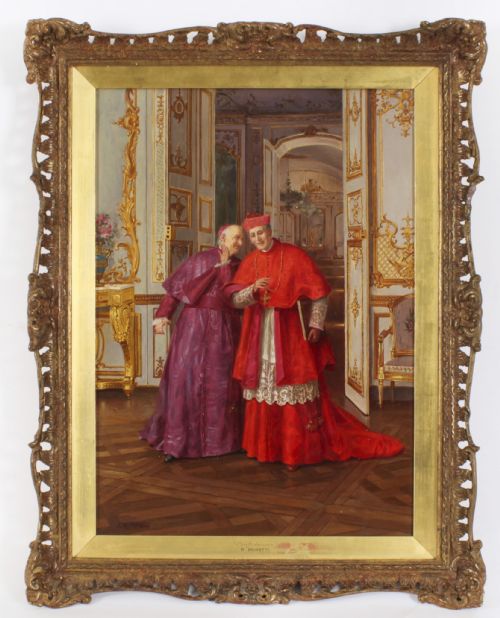
The selection on this page relies heavily on nineteenth-century academic and romantic traditions alongside earlier eighteenth-century compositions. These pieces range from large oil paintings on canvas to delicate plaster busts and bronze statues.
Materials and methods
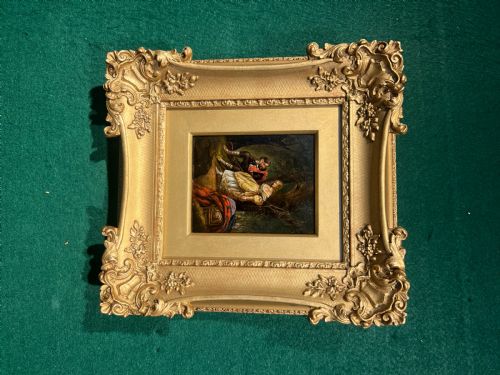
Oil on canvas and wood panels form the primary medium for the painted works in this collection, often paired with gesso and gilt wood framing. Painters utilised traditional layering techniques to achieve depth in drapery and skin tones.
Sculptural works rely on durable mediums such as bronze and plaster to capture bodily musculature and expression with precision. Etchings and lithographs provide printed interpretations of classical subjects on paper.
Listings feature oil paintings, watercolours, bronzes, and plaster busts spanning from the seventeenth century through the mid-twentieth century.
Distinctions in quality
Quality rests upon the artist's command of human anatomy, proportion, and expressive posture. Superior examples demonstrate confident brushwork or sculptural casting that communicates movement and emotion naturally.
The integrity of the supporting materials, including period frames and original panels, influences the overall standing of a piece. Finer works retain their original surface texture without heavy-handed modern restoration obscuring the underlying pigment.
Sir Joseph Noel Paton·James Stroudley·Renato Moretti·Jacob Akkersdijk·Margaret Maitland Howard·Antoine Calbet·Allan Douglas Davidson·Antonio Merente·Friedrich von Kaulbach·Jean-baptiste Joseph Pater·James Clark·Fernand Jean Barbier·Augustus Jules Bouvier·Pablo Picasso·Bartolome Murillo·Polidoro de Caravaggio·Igor Talwinski·Willem Johannes Martens·Karel Frans Philippeau
The Classical Figurative Artwork Glossary
- Academic
- Pertaining to the style prescribed by nineteenth-century European art academies, emphasising rigorous adherence to classical form and historical subjects. This approach prioritised polished finishes and correct anatomy.
- Genre scene
- A painting depicting aspects of everyday life, often featuring ordinary people in domestic or social settings. These works capture narrative moments rather than formal portraiture.
- Gesso
- A plaster-like mixture applied to wood or canvas as a base for painting or moulded to create decorative relief on frames. It provides a smooth, absorbent surface for gilding and pigment.
- Lithograph
- A printmaking method based on the repulsion of oil and water on a flat stone or metal plate. Artists use this technique to produce multiple tonal impressions of figurative drawings.
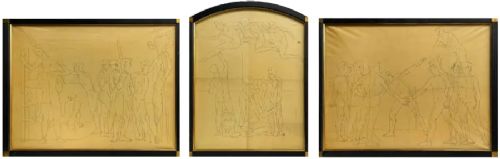
- Triptych
- A work of art divided into three sections, typically hinged panels displayed together. This format is frequently utilised for narrative scenes requiring a central focus flanked by supporting wings.
Classical Figurative Artwork: Frequently Asked Questions
What defines a classical figurative artwork?
These pieces focus on the human body, drawing inspiration from classical mythology, historical narratives, and traditional portraiture. They span multiple centuries of European artistic expression.
Subjects range from mythological figures like Pan and Theseus to intimate interior genre scenes and formal portraits.
How should I display a large oil painting?
Large canvases require sturdy wall anchors and careful placement away from direct sunlight to protect the oil pigments and gesso frames. Adequate wall space allows the composition to be viewed from a comfortable distance.
Pairing the piece with traditional lighting enhances the depth of the nineteenth-century brushwork.
Are bronze sculptures heavy?
Bronze statues possess a substantial physical weight due to the density of the metal alloy used in casting. This weight provides natural stability when placed on flat surfaces.
Ensure that pedestals or display cabinets are rated to support the load safely.
How do I care for antique paper prints?
Paper artworks and lithographs require framing behind UV-protective glass to prevent fading from ambient light. Keeping them in stable humidity conditions protects the paper fibres from degradation.
Avoid hanging delicate watercolours and prints in damp environments such as kitchens.