


German 19th Century Art
German 19th century art brings together oil paintings, porcelain plaques and carved wood objects that reflect the distinct regional styles of the period.
German 19th Century Art
When you search for German 19th century art, you encounter oil paintings on canvas and panel alongside detailed porcelain plaques, carved wood figures and folk art pieces. The selection spans portraits, townscapes, rural landscapes and genre scenes created across the nineteenth century.
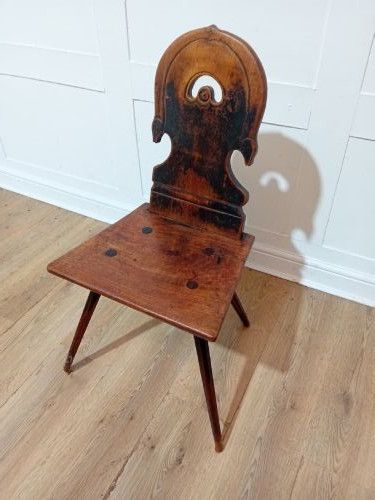
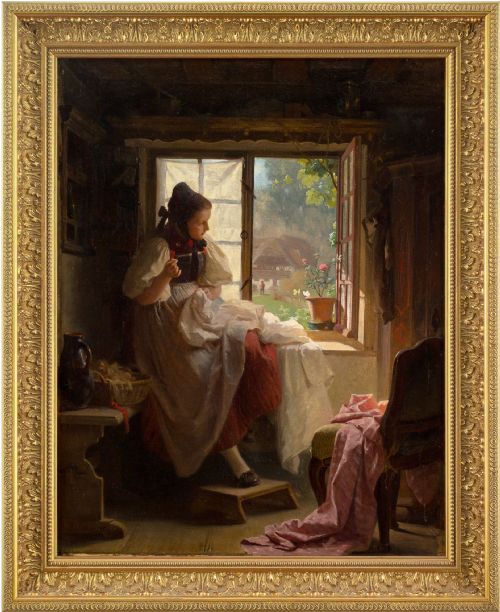
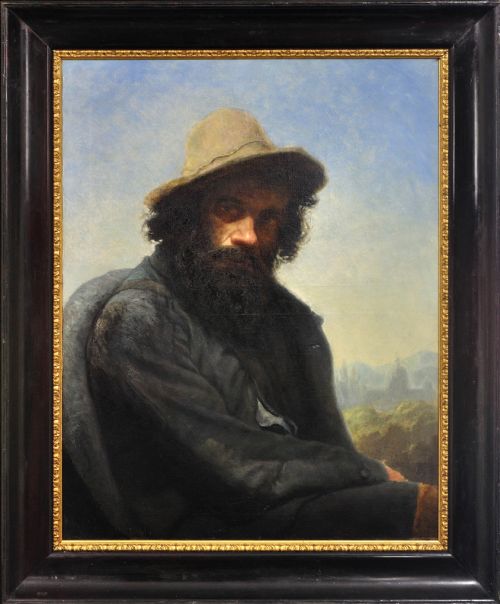
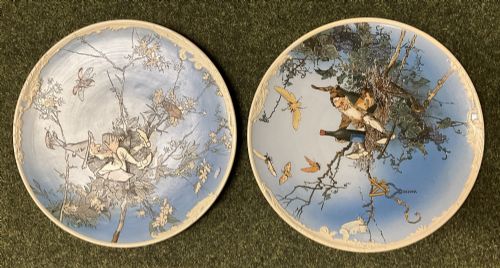
Framed oil paintings dominate the works available, often featuring canvas or panel supports enclosed in giltwood and gesso frames. Alongside these paintings, items such as hand-painted Mettlach pottery plaques, KPM porcelain plaques and Black Forest carvings represent the period's diverse output.
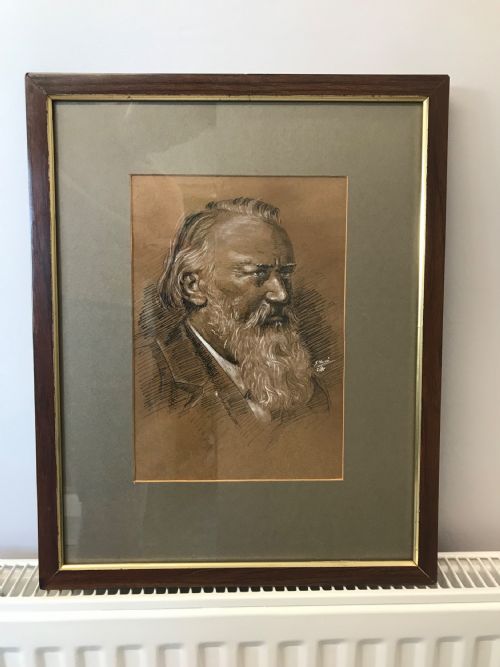
The objects cross several aesthetic movements, including Biedermeier domestic scenes, 19th century realism, romantic landscapes and regional folk traditions. Works range from intimate portrait drawings to large castle and landscape oil paintings.
Materials and Techniques
Painters utilised oil on canvas and wood panel, applying pigments to capture light in townscapes and detail in portraiture. Works on paper involve pen, ink, wash and gouache, often framed behind glass.
Sculptural pieces rely on wood, papier-mâché, and porcelain. Wood items incorporate hand carving and turning, while porcelain plaques feature intricate hand painting fired in kilns and housed within gilt frames.
A travelling artist once sketched a quaint Coblentz lodging on paper.
Assessing Quality in the Range
Quality depends on the precision of the hand painting and the depth of detail in carved wooden objects or porcelain plaques. Works by named artists with documented exhibition histories or factory marks from makers like KPM stand apart from unsigned pieces.
The integrity of the original framing, such as giltwood and gesso surrounds, influences the overall presentation. Finer works display careful brushwork control in oil paintings and crisp definition in moulded plaques and carved panels.
Max Kaltenmoser·Albin Mattenheimer·Carl Adolf Mende·Heinrich Harder·Karl Herrle·Ludwig Hermann·Joseph Emmanuel Weiser·Wilhelm Alexander Meyerheim·Arthur Heinrich Wilhelm Fitger·Ferdinand Barth
The German 19th Century Art Glossary
- Giltwood
- Wood carved and coated with gold leaf or gold paint. It frequently appears on nineteenth-century picture frames.
- Gesso
- A plaster mixture applied to wood frames or panels as a base for gilding or painting. It provides a smooth surface for decorative mouldings.
- Porcelain Plaque
- A flat ceramic tablet fired at high temperatures and painted with enamel colours. Makers such as KPM produced these for detailed pictorial scenes.
- Oil on Canvas
- Pigment mixed with drying oil applied to a woven fabric support. This technique underpins the majority of the period's framed paintings.
German 19th Century Art: Frequently Asked Questions
What subjects appear in these paintings?
The paintings depict a variety of subjects, including rural landscapes, townscapes, domestic genre scenes, and portraits of composers and families.
Artists recorded daily life, historical settings, and architectural views across Germany and surrounding regions during the nineteenth century.
How do I identify a KPM porcelain plaque?
KPM plaques feature fine hand-painted enamel details depicting historical or narrative scenes, often marked with the factory's royal sceptre stamp.
They usually appear framed in giltwood and represent the high standard of Berlin porcelain production in the period.
What is Black Forest carving?
Black Forest carving refers to decorative wooden objects, such as nutcrackers, panels, and household items, produced in the mountainous region of Germany.
These pieces typically showcase skilled hand carving depicting animals, foliage, or rustic scenes.
How were these artworks framed?
Many nineteenth-century oil paintings and plaques use frames made of wood finished with gesso and gold leaf.
These gilt frames were designed to complement the artwork and often bear the marks of the period's framing techniques.