



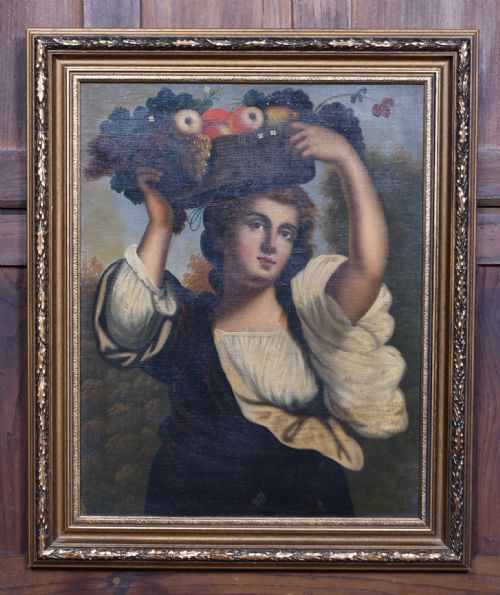


Continental School Artwork
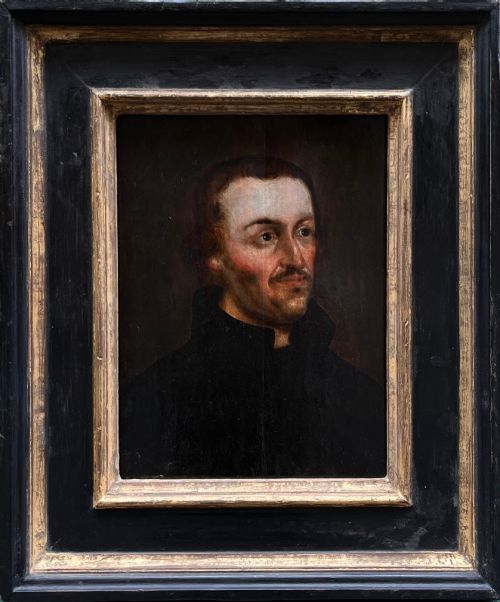
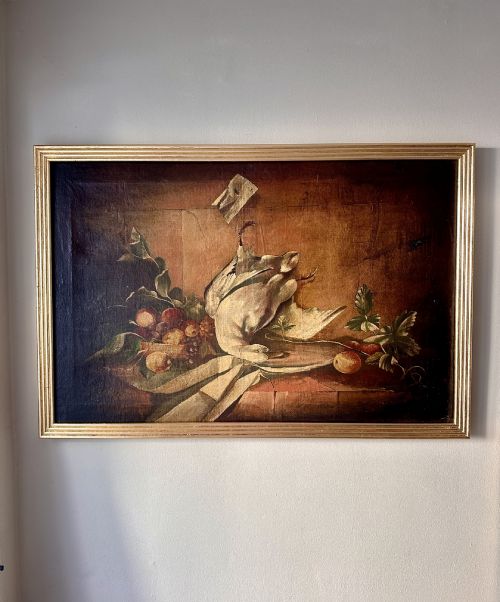
Continental school artwork encompasses oil paintings spanning from the seventeenth to the twentieth century, offering buyers historic portraits, landscapes, and still lifes.
Continental School Artwork
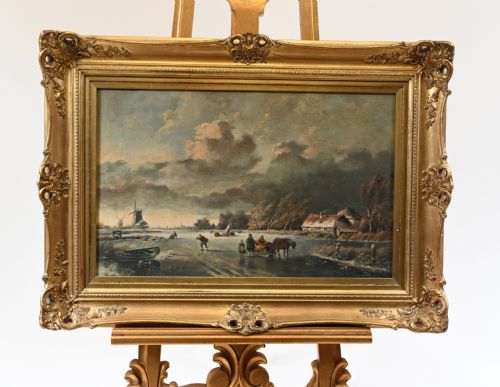
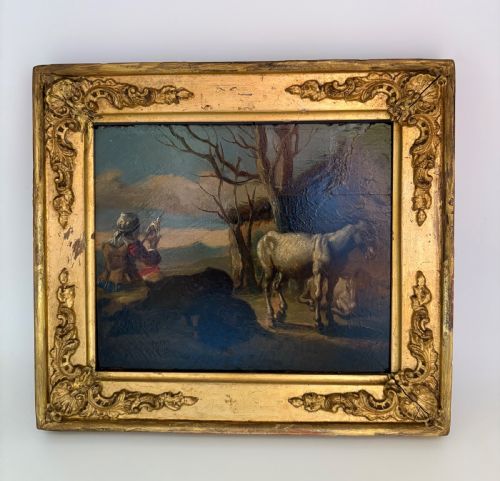
Continental school artwork includes oil paintings created across various European regions, reflecting distinct historical movements and local traditions from the seventeenth century onward. Buyers searching for continental school artwork encounter a diverse range of subjects, from expansive landscapes and moody Dutch scenes to detailed portraits and harbour views.
The pieces appearing most frequently on this page date from the nineteenth century, often housed in period giltwood frames. These works showcase regional styles such as Dutch, Italian, and German schools, demonstrating how artists across Europe approached composition and lighting during their respective eras.
How they were made
Makers utilised traditional mediums like oil paint applied to canvas, wood panels, oak panels, copper plates, or board. These durable supports formed the foundation for layered brushwork, impasto textures, and meticulous glazing techniques.
Frames play an integral role in the presentation of these paintings, frequently employing giltwood and carved gilt wood to complement the pictorial depth. The combination of stable supports and rich oil pigments ensured the longevity of these historical canvases.
At least one nineteenth-century canvas depicts a mythical encounter with a god and a naked nymph.
What varies in quality
Quality in these paintings rests on the surety of the brushwork, the depth of the composition, and the atmospheric rendering of light and shadow. Works that display confident handling of the medium and careful anatomical or architectural perspective stand apart from more formulaic student or workshop productions.
The integrity of the original support and the survival of the period gilt frame significantly influence the overall character of a piece. Finer examples maintain their original canvas tension and pigment saturation without heavy-handed later restoration obscuring the hand of the artist.
T. Bergman·Philipp Peter Roos·Allan Douglass Mainds
The Continental School Artwork Glossary
- Oil paint
- A slow-drying paint made by combining pigments with a drying oil, typically linseed oil. This medium allows for smooth blending and rich textural applications.
- Giltwood
- Wood that has been covered with a thin layer of gold leaf or gold paint. It frequently frames European paintings from the seventeenth to the nineteenth centuries.
- Impasto
- A technique where paint is laid onto a surface in very thick layers, usually thick enough that the brush or painting-knife strokes are visible. It adds physical texture and dimension to the painted surface.
- Panel
- A rigid flat piece of wood, such as oak, used as a support for oil paintings before canvas became the dominant medium. Wooden panels provide a stable surface for detailed brushwork.
- School
- A group of artists sharing a common style, regional origin, or adherence to the teachings of a particular master. It helps classify works whose exact authorship remains unrecorded.
Continental School Artwork: Frequently Asked Questions
What does continental school mean?
The term refers to paintings produced by artists trained or working on mainland Europe, distinct from British art traditions of the same period.
These works span various regional movements, including Dutch, Italian, and German schools, across multiple centuries.
How are these paintings framed?
Many works are housed in their original giltwood or carved wooden frames, which reflect the aesthetic tastes of their respective centuries.
Original frames contribute to the historical integrity of the artwork and complement the composition.
What surfaces were used?
Artists painted on a variety of supports, including stretched canvas, wooden panels, oak panels, copper plates, and board.
The choice of support often relates to the period and regional tradition in which the artist worked.
How do I care for an oil painting?
Keep paintings away from direct sunlight, high humidity, and rapid temperature fluctuations to protect the canvas and oil pigments.
Dust the surface gently with a soft, dry brush and avoid using liquid cleaners on the paint or frame.