



Antique Romantic Landscape
When you search for an antique romantic landscape, you enter a world of dramatic mountain vistas, serene coastal paths, and atmospheric pastoral scenes.
Antique Romantic Landscape
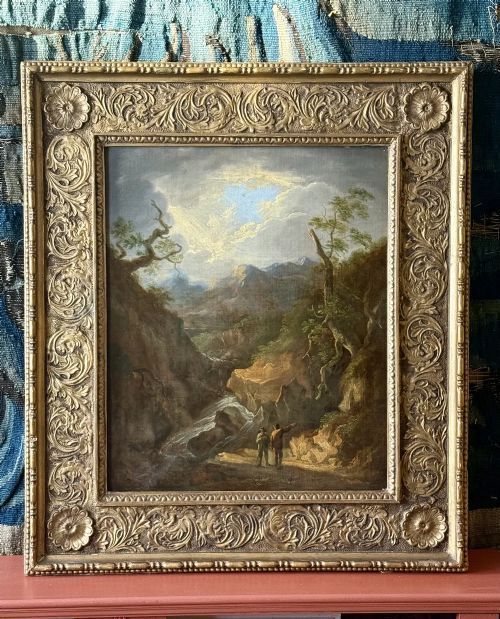
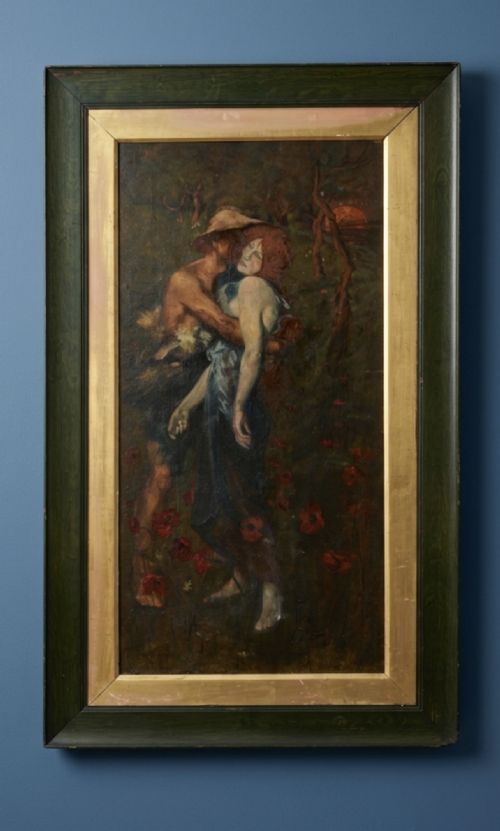
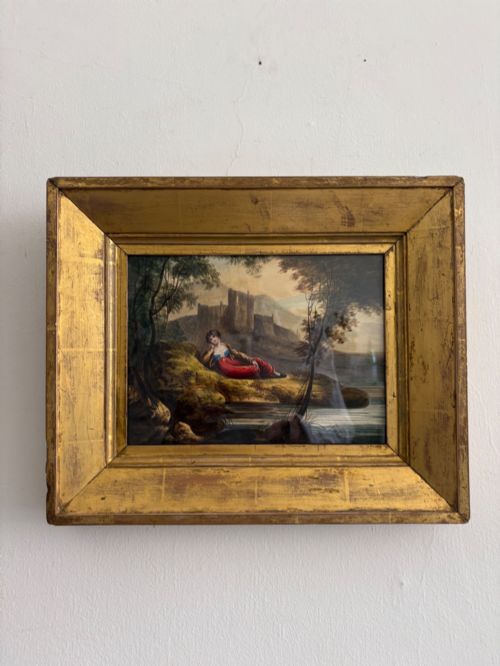
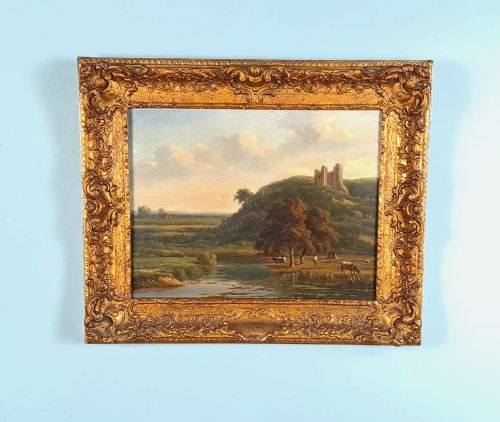
An antique romantic landscape captures the emotional power of nature through expressive brushwork and dramatic light, often focusing on mountains, coastlines, ruined castles, and pastoral idylls. These works emerge primarily from nineteenth-century European traditions, reflecting the period's fascination with the sublime and the picturesque.
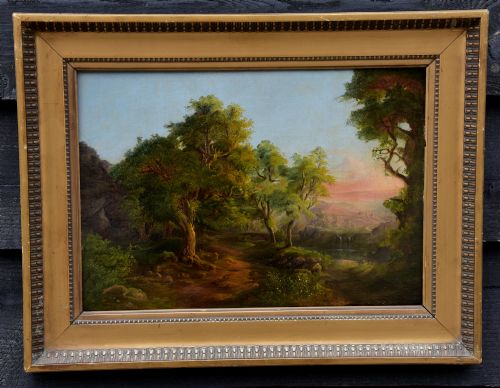
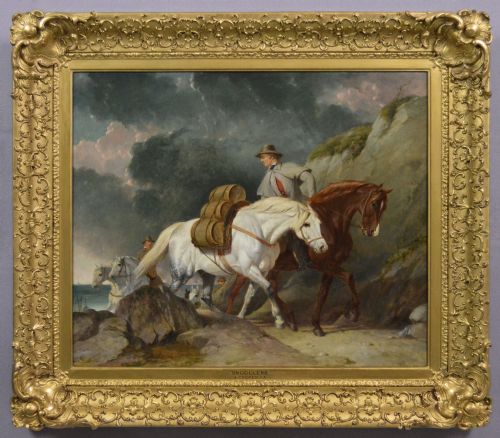
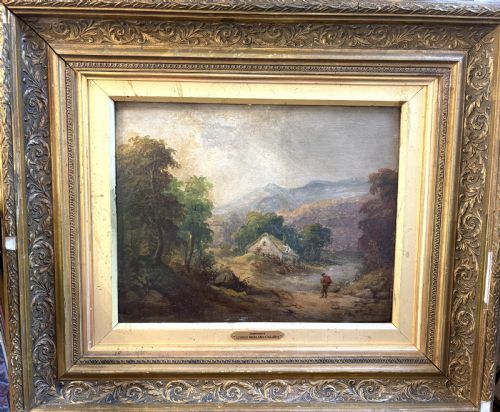
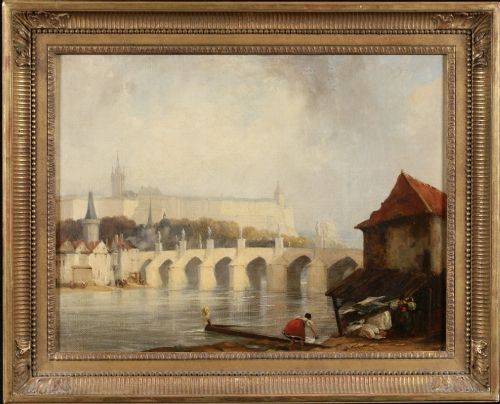
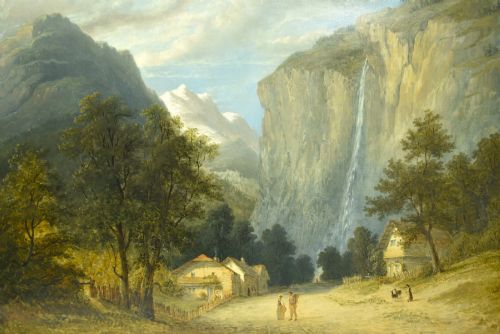
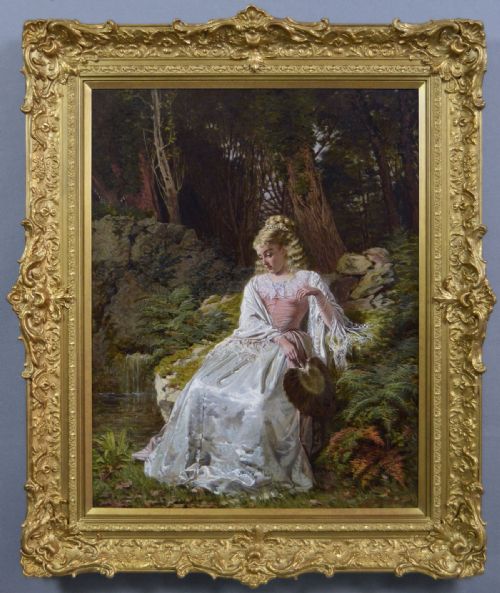
Buyers encountering this selection will find a predominance of oil paintings on canvas or board alongside watercolours and charcoal works. The subjects range widely from Scottish and Swiss alpine scenes to quiet woodland pools and bustling continental harbours, framed in period giltwood and gesso.
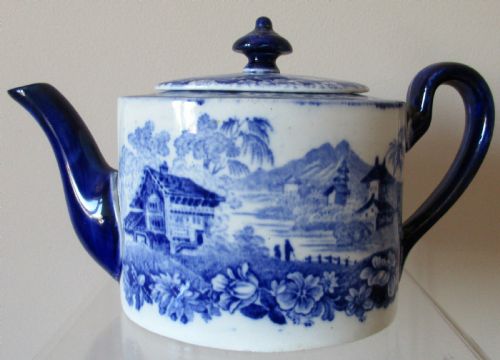
Alongside traditional paintings, the wider material record includes transfer-printed ceramics and decorative tablewares bearing pastoral and ruin motifs. These domestic pieces translate the grand aesthetic of nineteenth-century romanticism into everyday dining and display items.
Materials and Techniques
Artists traditionally built these compositions using oil paints on stretched canvas or wooden panels, applying pigment with varying brush thicknesses to create depth in skies and foliage. Watercolour paintings on paper similarly capture atmospheric light through translucent washes, sometimes combined with charcoal or ink to define architectural ruins and figures.
Frames play a crucial role in the presentation of these works, typically constructed from wood and ornamented with moulded gesso then finished in heavy gilt. These surrounds range from simple nineteenth-century profiles to elaborate baroque-revival floral motifs that complement the theatrical nature of the scenes within.
Subgenres represented include alpine views, coastal shipwrecks, woodland pools, pastoral ruins, and Scottish highlands.
Assessing Quality and Execution
Quality in these works rests upon the artist's command of light, atmosphere, and spatial depth, where subtle tonal gradations separate a commanding vista from a flat composition. The handling of peripheral elements, such as distant mountains or cloudy skies, often reveals the technical confidence of the hand behind the brush.
The integrity of the physical medium matters significantly, from the stable tension of the canvas to the preservation of the original giltwood frame. Works that retain their period framing without extensive restoration offer a more complete historical survival.
Richard Sebastian Bond·Benjamin Barker of Bath·Abraham Cooper·Thomas C Hofland·George Morland·Eugene Joseph Verboeckhoven·Abraham Hulk Snr·James de Rijk·Hendricus Joseph Dillens·Alphonse Robert·Samuel Palmer·John Constable·Andreas Schelfhout·Frederick Richard Lee·James Ward·Ludwig Hermann·Eiler Rasmussen Eilersen·Auguste Bohm
The Antique Romantic Landscape Glossary
- Gesso
- A plaster-like mixture applied to wooden frame substrates to create a smooth surface for gilding. This material allows for the crisp moulding of intricate decorative motifs.
- Giltwood
- Timber that has been coated with a thin layer of gold leaf or metallic powder. It provides the reflective, warm border characteristic of nineteenth-century framing.
- Pastoral
- A genre of art depicting rural life and idealized country scenes, typically featuring shepherds, livestock, and gentle river valleys. It evokes a peaceful harmony between humans and nature.
- Watercolour
- A painting method where coloured pigments are suspended in a water-soluble vehicle on paper. The technique relies on white paper showing through translucent washes to create luminosity.
- Sublime
- An aesthetic quality of greatness, whether physical, moral, intellectual, or artistic, that inspires awe and terror. Romantic landscape painters frequently pursued this effect through towering mountains and stormy seas.
Antique Romantic Landscape: Frequently Asked Questions
What defines a romantic landscape?
A romantic landscape focuses on emotional intensity, solitude, and the awe-inspiring power of nature rather than strict topographical accuracy. These works frequently use dramatic weather, ruins, and rugged terrain to evoke deep feeling.
Artists of this movement sought to connect the viewer directly with the untamed aspects of the natural world, setting them apart from earlier, more orderly classical views.
How should I care for oil paintings?
Oil paintings require stable indoor environments away from direct sunlight, extreme temperature fluctuations, and high humidity. Keep the canvas clean by gently dusting the surface with a soft, dry brush.
Avoid using liquid cleaners or touching the painted surface directly, as aged oils remain sensitive to moisture and friction.
Are watercolours framed differently?
Watercolours on paper require protection behind glass to prevent atmospheric damage and fading from light exposure. They are typically mounted with acid-free mats that keep the paper from touching the glazing.
Unlike heavy oil canvases in deep gesso frames, watercolours often sit in lighter mouldings that suit their delicate scale.
How do I spot period frames?
Period frames show age through minor shrinkage cracks in the gesso, hand-carved joinery, and the worn patina of the underlying gold leaf or bole. Original frames often display patination that matches the wear on the artwork they enclose.
Replacement frames typically lack this unified ageing and may use modern synthetic moulding materials rather than traditional plaster and wood.