




Dark Green Landscape Painting
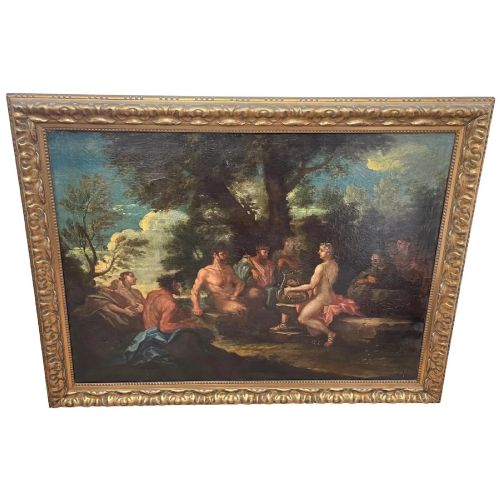
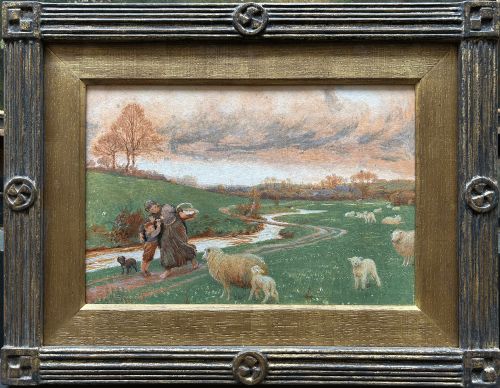
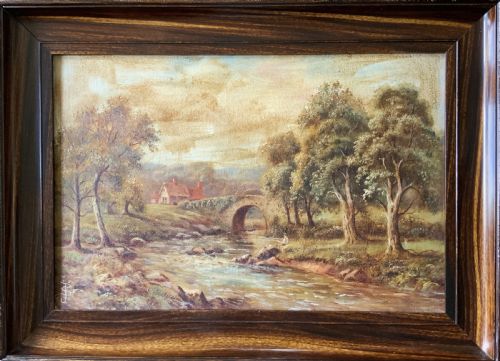
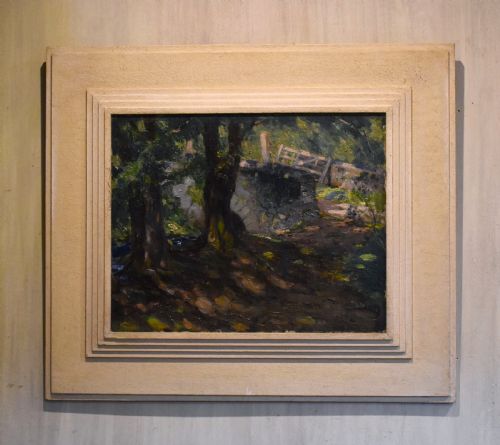
These dark green landscape painting works capture pastoral vistas and shadowed woods in oil on canvas, offering rich botanical depth for the wall.
Dark Green Landscape Painting
A dark green landscape painting centres on rich forest canopies, dusky foliage, and secluded natural vistas rendered in oils. The selection spans centuries of artistic practice, showing how painters interpreted woodlands, rivers, and mountains.
The pieces on this page draw from the 17th century through to the 1930s, encompassing Victorian idylls, British Impressionism, and Naive Folk Art. Works range from intimate country scenes to dramatic mountainous compositions.
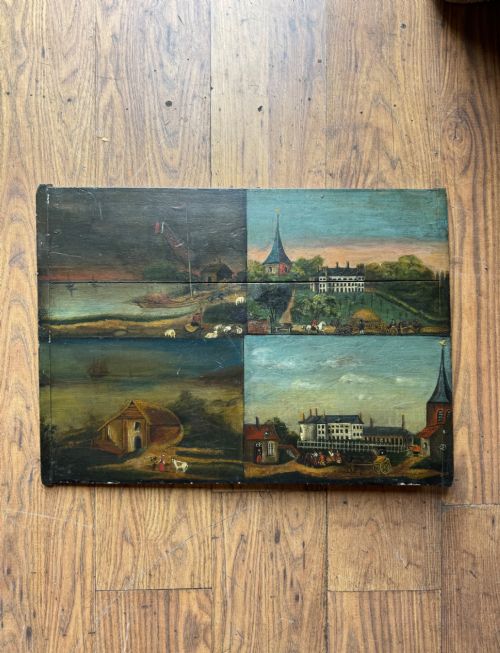
Buyers will encounter framed paintings executed in oil paint upon canvas and wood panels. These works reflect diverse regional traditions, including Dutch Golden Age approaches and English Country School interpretations.
How they were made
These works rely on oil paint applied to prepared canvas and wooden panels, utilising the slow-drying nature of the medium to build depth. Artists layered pigments to achieve heavy shadows and deep botanical tones within the foliage.
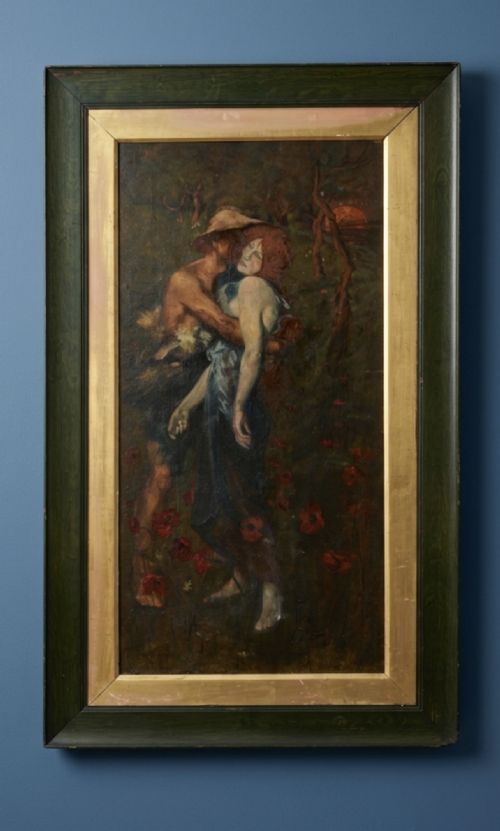
Many examples are housed within original gilt and giltwood frames that complement the painted scenes. The combination of oil on canvas and decorative wooden framing defines the physical construction of these artworks.
Several canvases capture cows, horses, and children wandering through the very woods you wish you were walking in.
What varies in quality
Quality depends upon the artist's command of light, shadow, and perspective within the natural setting. Superior works demonstrate precise handling of dense foliage and atmospheric depth rather than flat application.
The preservation of the oil paint surface and the integrity of the canvas or wood panel influence the piece. Original period frames that match the age of the painting also contribute to the overall standard.
Frederick Walker·Sydney Yates Johnson·George Cole·Thomas Hollingsworth·Ernest Higgins Rigg
The Dark Green Landscape Painting Glossary
- Oil on canvas
- Pigments mixed with drying oil applied to a stretched woven fabric support. This method allowed artists to achieve rich textures and lasting durability.
- Giltwood
- Wood carved and coated with gold leaf or a gold-coloured metallic finish. It provides ornate framing that enhances the artwork.
- Dutch Golden Age
- A period in Dutch painting spanning the 17th century noted for realistic landscape and genre scenes. Works from this tradition often feature dark, moody palettes.
- Victorian Idyllic School
- A 19th-century artistic approach focusing on idealised, harmonious rural scenes. These paintings frequently celebrate pastoral life and tranquil woodlands.
- British Impressionism
- A late 19th and early 20th-century movement concentrating on light and ordinary subject matter. Artists captured transient effects in nature using visible brushstrokes.
Dark Green Landscape Painting: Frequently Asked Questions
What periods do these paintings come from?
The selection includes pieces originating from the 17th, 18th, 19th, and early 20th centuries. Artworks span eras such as the Victorian period and the Edwardian era.
Each period brings distinct stylistic conventions to the depiction of trees, rivers, and skies. This chronology allows collectors to trace the evolution of landscape art.
How should I hang and light them?
Oil paintings require placement away from direct sunlight and excessive moisture to protect the canvas and pigment. Stable indoor temperatures prevent the wood and canvas from warping.
Picture lights mounted above the frame can highlight the dark green tones without generating damaging heat. Ensure the wall structure securely supports the weight of the framed artwork.
Are original frames common?
Many works retain period gilt or wooden frames that correspond to their creation date. These frames often show character and age consistent with the painting.
Checking the fit and backing of the frame helps confirm its association with the canvas. Original framing significantly contributes to the historical integrity of the piece.
How do I identify different landscape schools?
Stylistic clues such as brushwork, palette choices, and subject matter point to specific artistic traditions. For instance, Dutch Golden Age works emphasise deep shadows and naturalism.
Victorian and Edwardian pieces often lean towards romantic or pastoral interpretations of the countryside. Comparing composition techniques helps distinguish between folk art and academic styles.