


Antique Horse Artwork
Antique horse artwork captures the power and presence of the animal across centuries of oils, watercolours, and prints.
Antique Horse Artwork
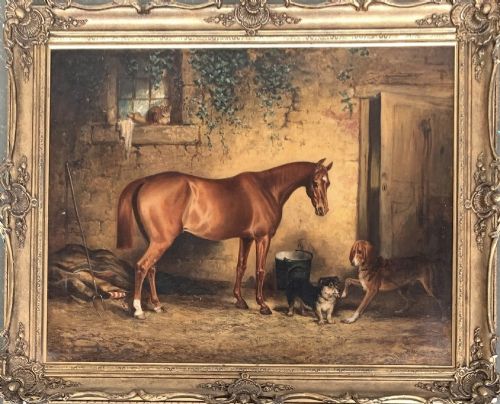
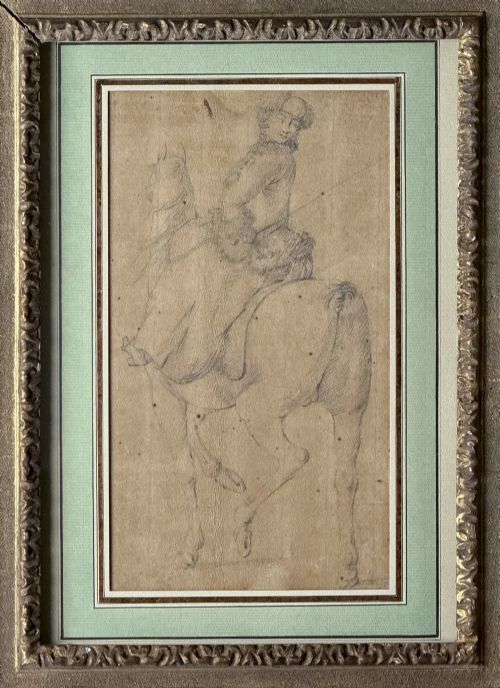
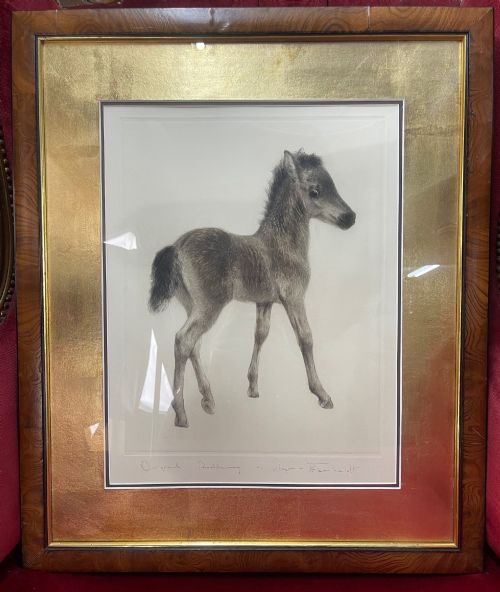
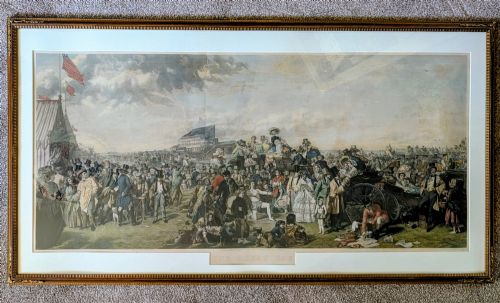
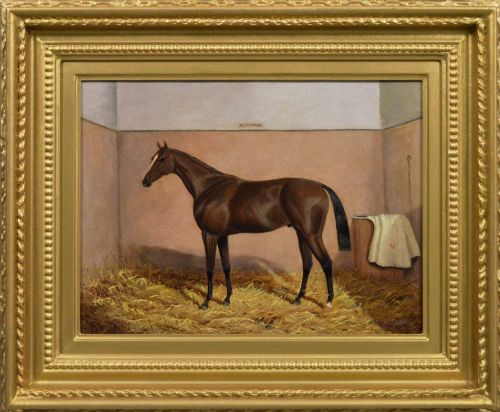
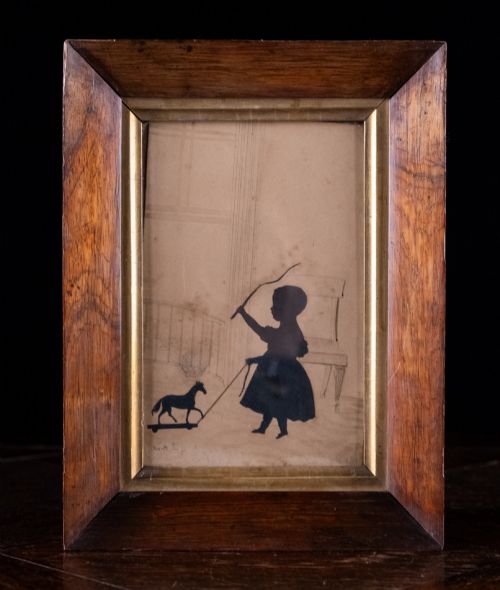
When buyers search for antique horse artwork, they encounter a diverse selection ranging from intimate equine portraits to grand sporting scenes. The pieces on this page span several centuries, including the Victorian era, the Edwardian period, and the twentieth century.
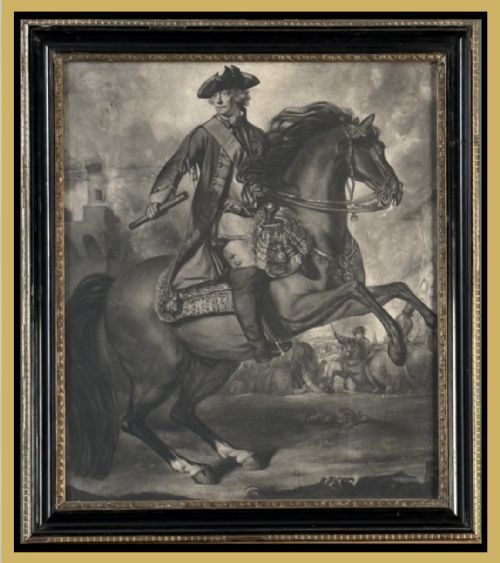
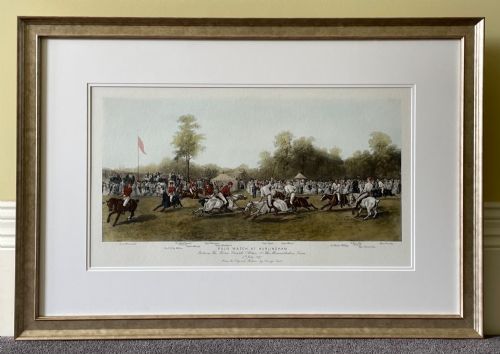
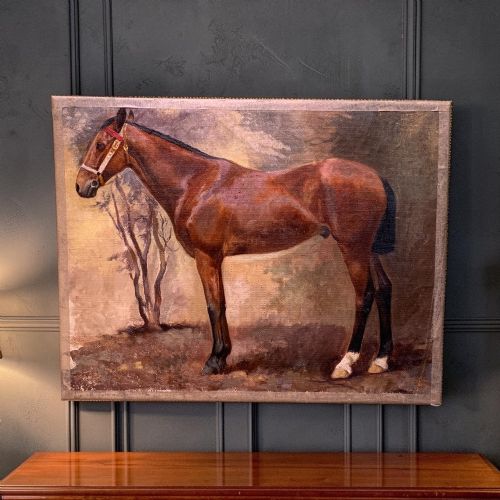
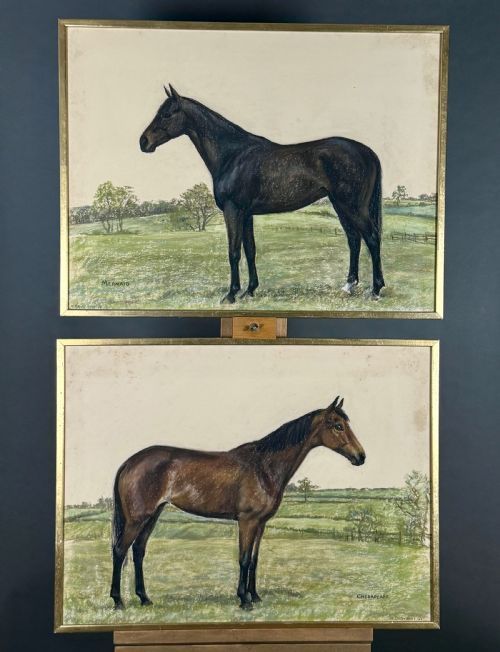
The physical forms vary from original oil paintings on canvas and panel to delicate watercolours, pastels, and framed prints. Subjects encompass named racehorses, hunting studs, coaching scenes, and rural landscapes featuring horses at work.
Origins stretch across British schools and continental European workshops, reflecting how artists recorded the animal in stable yards, on racetracks, and within pastoral landscapes.
Materials and Technique
Artists relied primarily on oil paint applied to canvas or wood panel, building up rich layers to render the musculature and coat of the horse. Watercolours and pastels on paper offer a lighter touch, often captured swiftly on location.
Frames play a structural and aesthetic role, with giltwood and carved oak surrounds enclosing the canvases and prints to protect the edges and complement the period style.
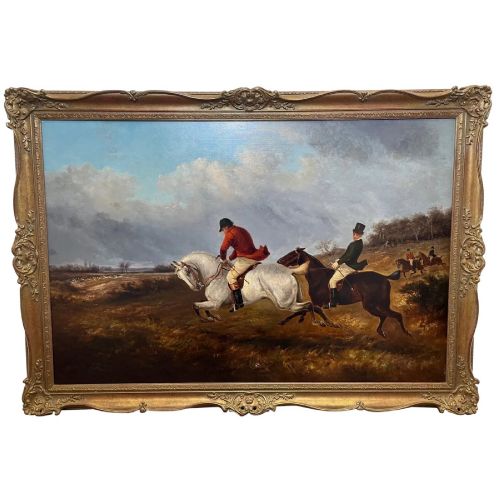
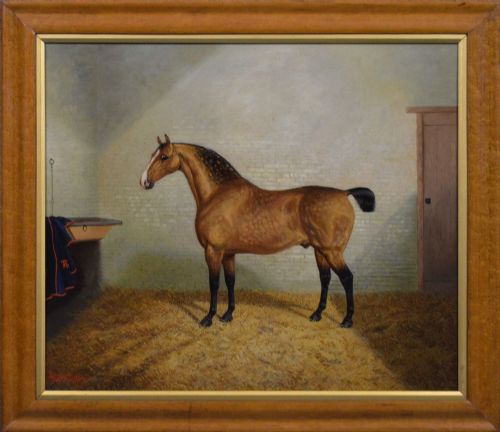
Several horses captured in these oil paintings sport particularly immaculate dapples that suggest their grooms spent hours with brush and chalk.
Evaluating the Work
Quality rests upon the artist's command of equine anatomy, posture, and expression, distinguishing a lifelike study from a rigid depiction. Handling of light across the coat and the integration of the horse within its landscape setting define the upper tier of these works.
Condition of the medium, whether stable oil paint free of excessive craquelure or well-preserved paper beneath glass, determines the enduring visual strength of each piece.
Edward Fisher·William Joseph Shayer Senior·Kurt Meyer-Eberhardt·Thomas Smythe·Albert Clark·Frederick Albert Clark·Augustin Edouart·Abraham Cooper·Henry Barraud·Fred Fitzpatrick·Ernest Payne·Edward Priestley·John Alfred Wheeler·Philip Rideout·Vernon DeBeauvoir Ward·Albert Ludovici Jnr
The Antique Horse Artwork Glossary
- Mezzotint
- A printmaking process of the intaglio family where the plate is roughened to produce dark tones and smooth areas yield light. This technique allows for subtle tonal gradations particularly suited to portraits.
- Drypoint
- A printmaking technique in which an image is scratched directly onto a metal plate with a sharp needle. The process creates a characteristic burr that holds ink and gives the printed lines a velvety appearance.
- Giltwood
- Wood that has been coated with a thin layer of gold leaf or gold paint. It is frequently found on the decorative frames enclosing nineteenth-century oil paintings.
- Equestrian
- Pertaining to horses, horse riding, or the representation of horses in art. The term applies broadly to portraits of individual animals as well as hunting and racing scenes.
Antique Horse Artwork: Frequently Asked Questions
How do I identify the age of a horse painting?
Examine the canvas preparation, stretcher construction, and framing materials alongside the stylistic conventions of the brushwork. Signatures and dates inscribed on the reverse or front often provide direct chronological evidence.
Historical clues within the scene, such as the cut of a rider's coat or the presence of specific architecture, help narrow down the decade of creation.
What is the difference between an oil painting and a print?
An oil painting is a unique, hand-painted work created directly by the artist using pigment suspended in oil on canvas or panel. Brush texture and impasto are typically visible upon close inspection.
Prints, including mezzotints and lithographs, are mechanical or hand-pulled reproductions derived from an engraved plate, stone, or block, often produced in multiple editions.
How should I care for antique paper artwork?
Keep watercolours, drawings, and prints away from direct sunlight to prevent the fading of pigments and yellowing of the paper support. Maintain stable indoor humidity levels to avoid warping or foxing.
Display the pieces behind UV-filtering glass and ensure they are mounted using acid-free materials by a professional framer.
Why are some horses named in the titles?
Many nineteenth-century patrons commissioned portraits of specific prize-winning racehorses, hunters, or family pets to record their lineage and achievements. Artists were hired to capture the exact conformation and markings of celebrated animals.
Named subjects often connect the artwork to specific studs, estates, or historical racing events documented in period records.