
Canvas Equestrian Painting
A canvas equestrian painting brings the power and presence of the horse into a room through rich oil pigments applied with enduring skill.
Canvas Equestrian Painting
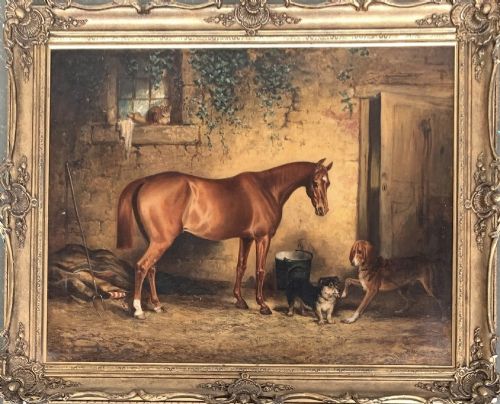
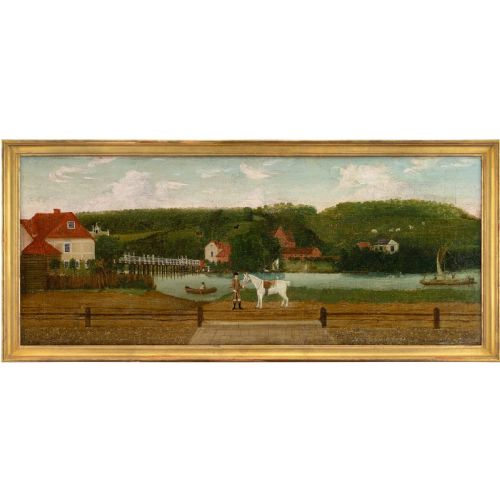
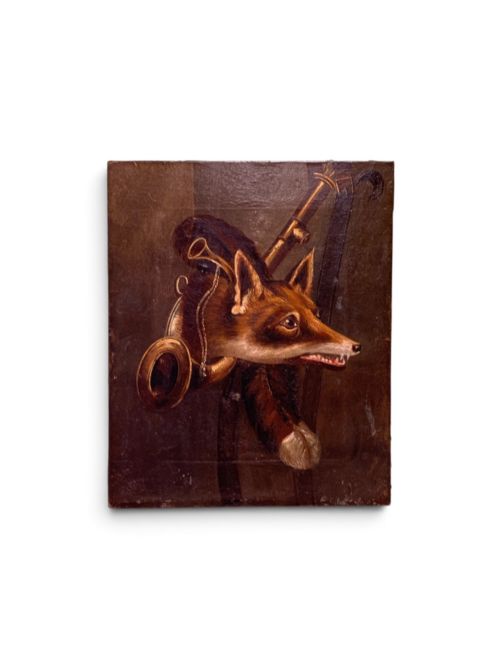
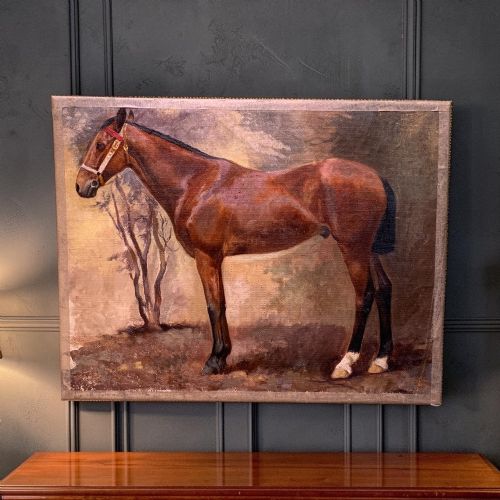
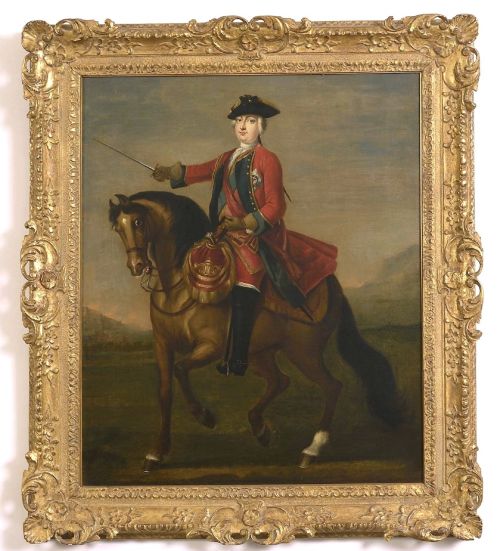
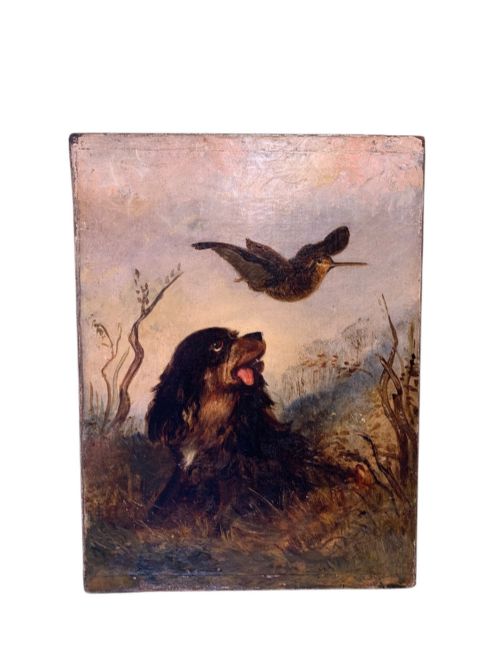
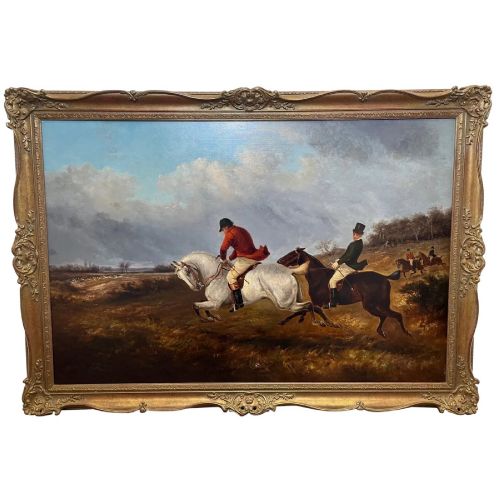
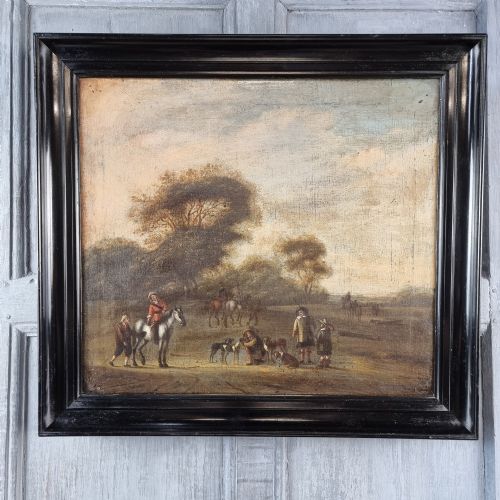
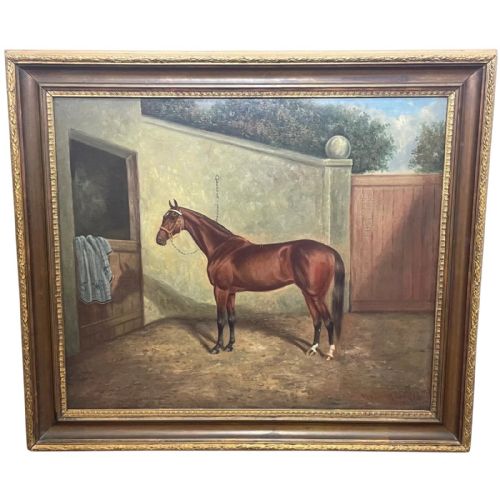
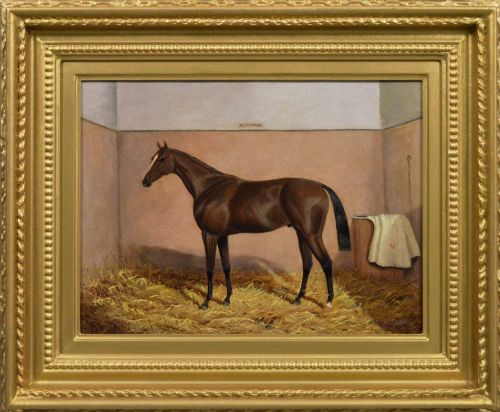
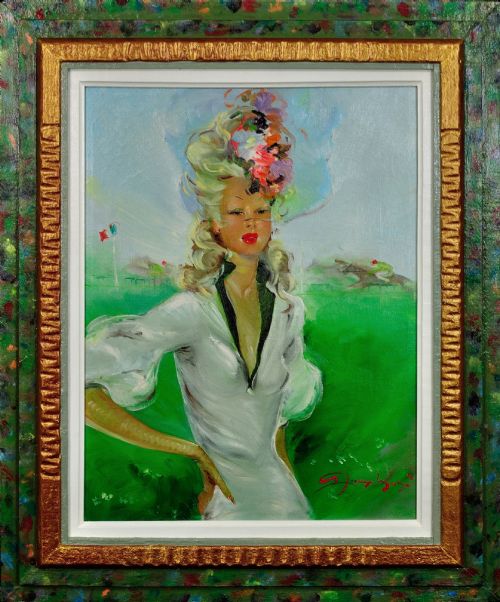
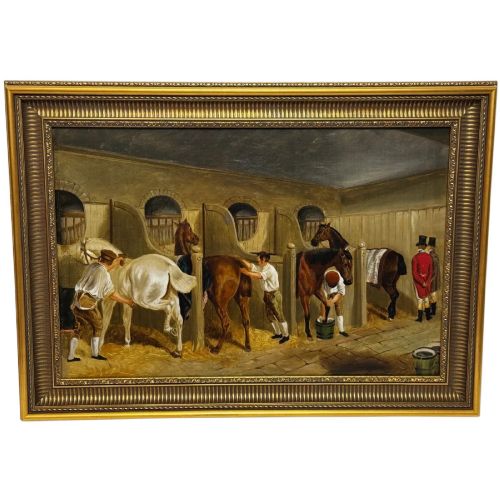
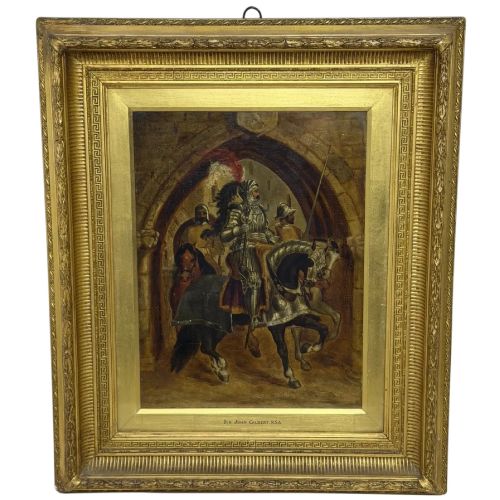
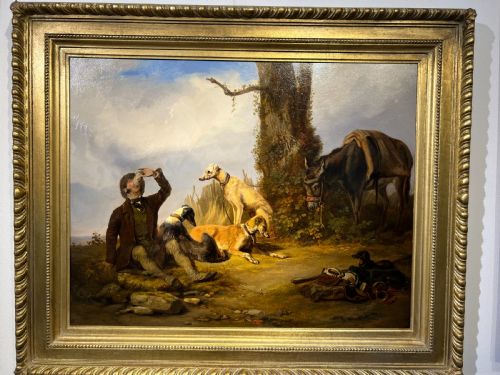
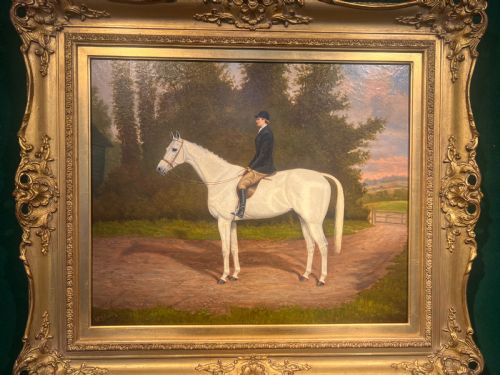
A canvas equestrian painting captures horses in various settings, ranging from individual portraits of celebrated racehorses to sweeping hunting scenes and rural landscapes. These works span multiple eras, with Victorian and twentieth-century examples appearing frequently across the selection.
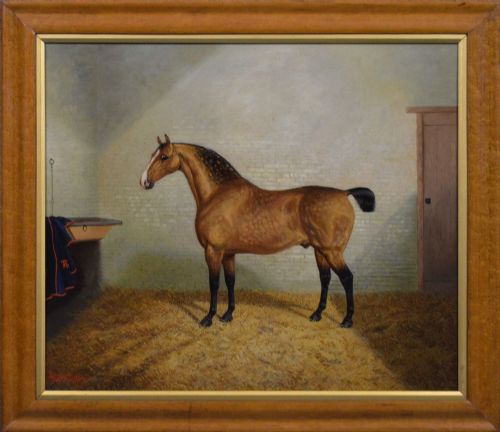
Buyers will find depictions of named winners, sturdy hunters in stables, and working ponies rendered with distinct regional character. The subjects reflect a deep historical fascination with equine form, athleticism, and sporting life.
The format of a canvas equestrian painting varies from intimate studies to large framed works that anchor a wall. Artists use traditional oil paint to bring depth and movement to the muscular physique of the horse.
Materials and Technique
Canvas serves as the primary ground for these works, providing a sturdy and textured surface that holds layered oil paint successfully over generations. Artists build depth by applying oil pigments in successive stages, blending tones to capture the sheen of a coat or the play of light across a landscape.
Giltwood and wood frames frequently enclose these pieces, offering a decorative structural boundary that complements the rich tones of the oil painting. The combination of durable canvas and skilled brushwork ensures the longevity of each equine portrait.
Several paintings capture horses sharing the landscape with early steam locomotives.
Assessing Quality and Execution
The distinction between average and exceptional work lies in the anatomical accuracy of the horse and the sensitivity of the brushwork. Master painters capture the tension in a muscle and the intelligent light in an eye with confident strokes that lesser hands miss.
Composition and background detail also elevate a piece, as skilled artists integrate the animal seamlessly into its landscape or stable environment rather than treating the setting as an afterthought. Original framing in giltwood further enhances the overall integrity of the piece.
Thomas Smythe·Albert Clark·Sir John Gilbert·Abraham Cooper·Henry Barraud·John Ferneley Senior
The Canvas Equestrian Painting Glossary
- Canvas
- A heavy woven fabric stretched across a wooden frame to serve as a sturdy support for oil painting. It offers a receptive texture that holds pigment securely over centuries.
- Giltwood
- Wood carved and coated with a thin layer of gold leaf or gold paint. This finish creates a bright, reflective border popular for framing fine art.
- Equestrian
- Pertaining to horses, horse riding, or the representation of horses in art. This category encompasses portraits, racing scenes, and hunting depictions.
- Oil Paint
- A slow-drying paint made by mixing pigments with a drying oil such as linseed. It allows artists to achieve rich colour depth and subtle blending.
Canvas Equestrian Painting: Frequently Asked Questions
What subjects appear in canvas equestrian paintings?
These works feature a wide variety of equine subjects, including named racehorses, stable portraits of hunters, and animals depicted in hunting or rural landscape settings.
Artists also recorded working horses, ponies, and racing events, capturing both specific historical animals and general scenes of sporting life.
How do I identify the period of a painting?
Stylistic clues, costume details in accompanying figures, and framing materials often point toward a specific era such as the Victorian period or the early twentieth century.
Signatures, dates inscribed on the canvas or stretcher, and historical records of the horse or artist provide further confirmation of the date.
How should I care for an oil painting on canvas?
Keep the canvas away from direct sunlight and dramatic shifts in temperature or humidity to prevent the paint and fabric from cracking or warping.
Dust the surface gently with a soft, dry brush and avoid using water or chemical cleaners on either the canvas or the frame.
Where were these paintings displayed historically?
Equestrian art traditionally hung in country houses, estate libraries, and sporting lodges to celebrate prized animals and successful racing or hunting seasons.
Today, these pieces translate well into modern interiors, serving as focal points in studies, living rooms, and hallways.