




Antique Italian Art
Antique italian art spans centuries of painted devotion, carved portraiture and luminous Venetian views.
Antique Italian Art
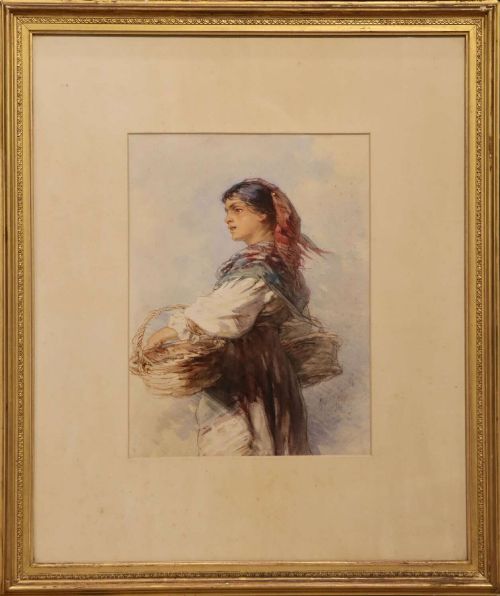
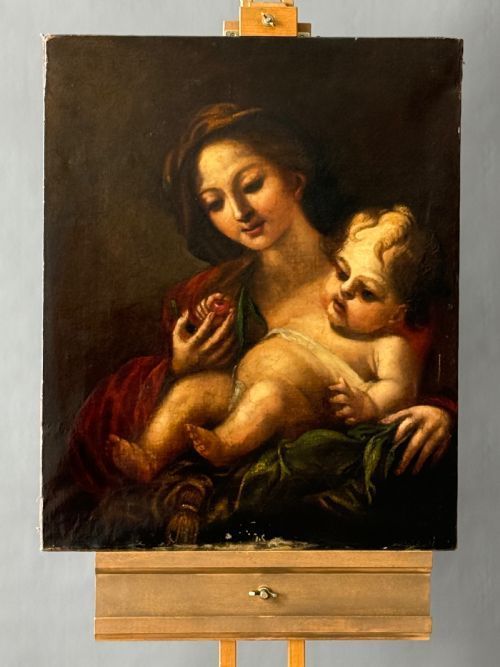
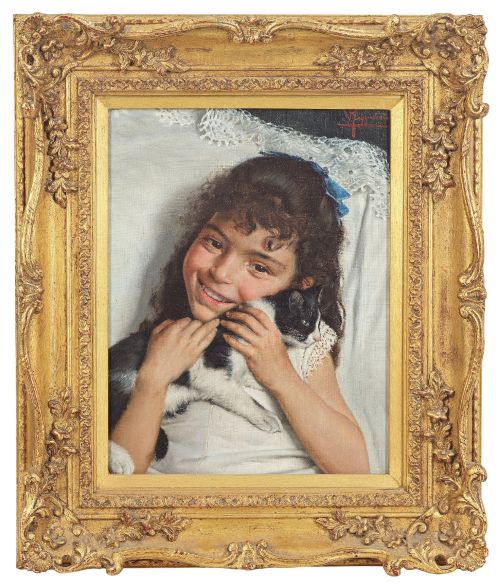
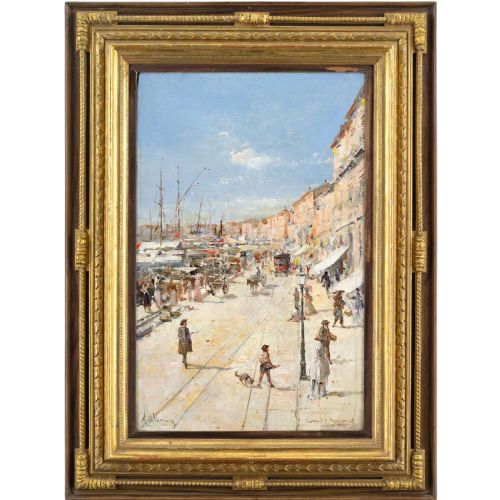
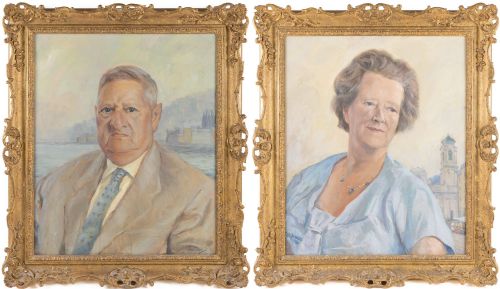
When you search for antique italian art, you encounter a rich tradition stretching from sixteenth century religious panels to nineteenth century Grand Tour watercolours. The selections on this page lean heavily towards oil paintings on canvas, capturing sacred subjects, grand canals, and aristocratic portraits.
Beyond paintings, the category encompasses carved giltwood mirrors, ecclesiastical busts, glass lamps, and delicate intaglio cameo panels. These physical remnants reflect both domestic patronage and the broader European appetite for southern European craftsmanship across the centuries.
The nineteenth century revival schools and earlier old master traditions dominate the visual landscape here. Buyers regularly find works attributed to named hands or regional schools, offering a direct link to historical Italian workshops.
Materials and methods
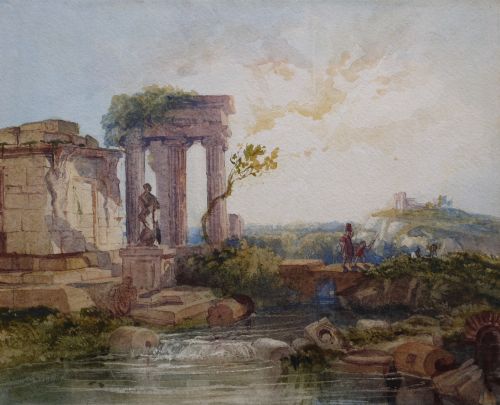
The foundation of these works typically relies on oil paint applied to canvas, often enriched with gold leaf or set inside heavily carved giltwood frames. Watercolour on paper appears frequently in topographical scenes of Venice and Rome, capturing bright Mediterranean light with fluid washes.
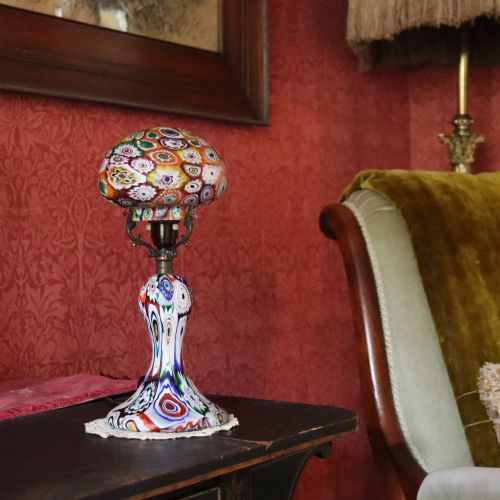
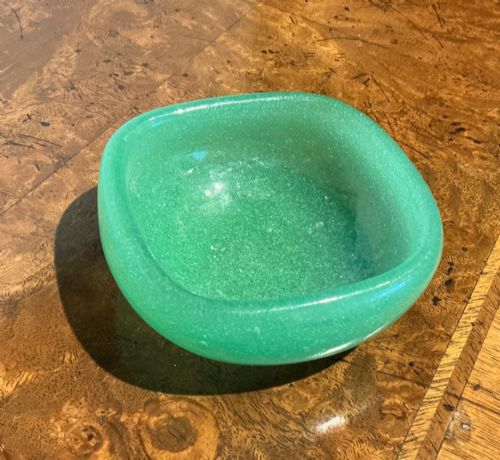
Sculptural pieces and furnishings utilise dense hardwoods like walnut, sometimes embellished with gold leaf or green paint. Specialised decorative objects employ blown glass techniques, notably murano millefiori, alongside carved gypsum and solid silver.
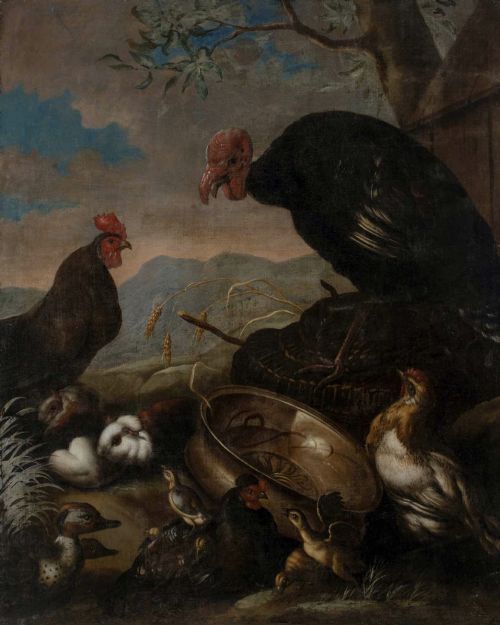
An eighteenth century depiction of birds and fowl near castle ruins proves that historical painters enjoyed domestic wildlife as much as grand portraits.
Judging quality
Quality in these works rests upon the confidence of the brushwork and the depth of the composition. A master's hand reveals itself in the rendering of textiles, facial expressions, and the subtle interplay of light across architectural ruins or water.
The preservation of the original surface, whether canvas or carved wood, dictates the desirability of a piece. Later overpainting or heavy restoration diminishes the integrity of an old master, whereas untouched surfaces retain their historical resonance.
Fratelli Toso·Angelo Maria Crivelli·Benedetto Luti·Vittorio Reggianini·Augusto Alberici·Pietro Fachetti·Alfred Pollentine·Francis Moltino·Bernardino Luini·Michelangelo Meucci·Guillaume Courtois
The Antique Italian Art Glossary
- Old Master
- A term applied to European painters of skill working before about eighteen hundred. These pieces carry centuries of stylistic evolution and religious or mythological narrative.
- Grand Tour
- The cultural journey through Italy undertaken by wealthy young Europeans in the eighteenth and nineteenth centuries. Souvenirs from this era include topographical watercolours and intaglio panels.
- Giltwood
- Wood that has been coated with a thin layer of gold leaf or gold paint. It frequently frames oil paintings and mirrors from baroque and revival periods.
- Intaglio
- A design engraved into the material so that the image sinks below the surface. Classical examples on this page include carved gypsum cameo panels.
- Pentimento
- A visible trace of earlier painting beneath a layer of paint, showing where the artist changed their mind. This phenomenon often confirms the authenticity of historical canvases.
Antique Italian Art: Frequently Asked Questions
How do I identify sixteenth century works?
Sixteenth century pieces often feature Renaissance portraiture or religious iconography with distinct linear perspective and solemn expressions. They are typically rendered in oil on panel or canvas with muted, rich pigments.
Examination of the canvas weave and stretcher construction helps confirm the age of the support. Early works also display craquelure patterns consistent with centuries of natural drying.
What is a Grand Tour painting?
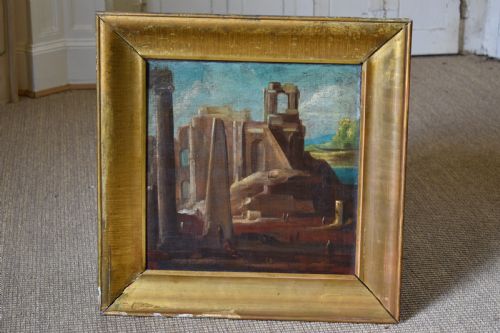
Grand Tour paintings are topographical scenes, often depicting Venetian canals or Roman ruins, created as souvenirs for travellers. Artists captured these famous vistas in oil or watercolour to document their travels.
These works frequently bear signatures of visiting British or European artists working in Rome and Venice. They serve as historical windows into nineteenth century tourism.
Are Venetian mirrors fragile?
Venetian mirrors utilise historical glass and delicate gilt or carved wooden frames that require careful environmental control. Rapid humidity changes can affect the wooden backing and silvering behind the glass.
Regular dusting with a dry, soft cloth is sufficient for maintenance. Avoid commercial liquid cleaners on antique mirrored surfaces to protect the original patina.
What subjects are common in old master paintings?
Religious narratives, mythological scenes, and formal portraiture dominate works from the seventeenth and eighteenth centuries. Artists drew heavily from classical mythology and biblical texts to commission grand pieces.
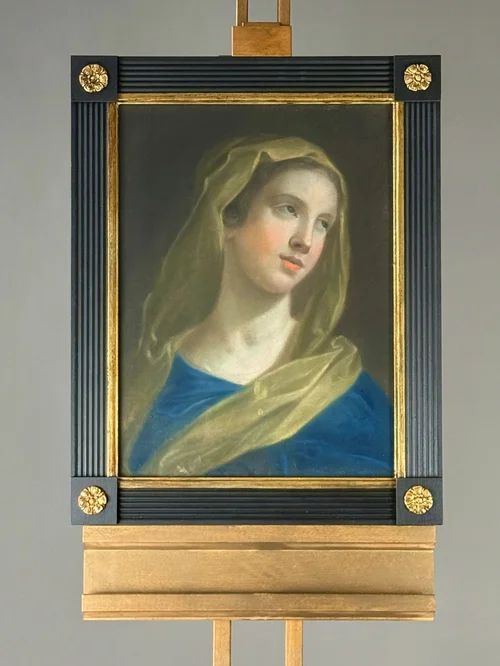
Figures like the Madonna, saints, and mythological deities such as Apollo appear repeatedly. These themes reflect the primary patrons of the church and aristocracy.