
Framed Classical Fine Art
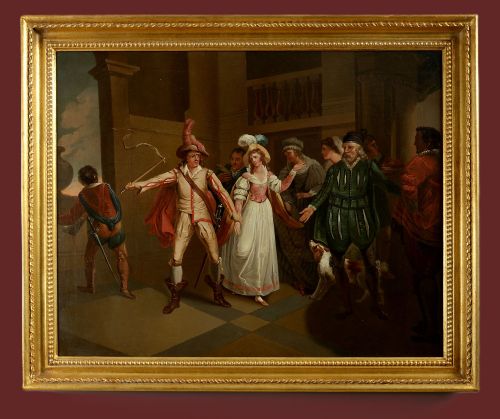
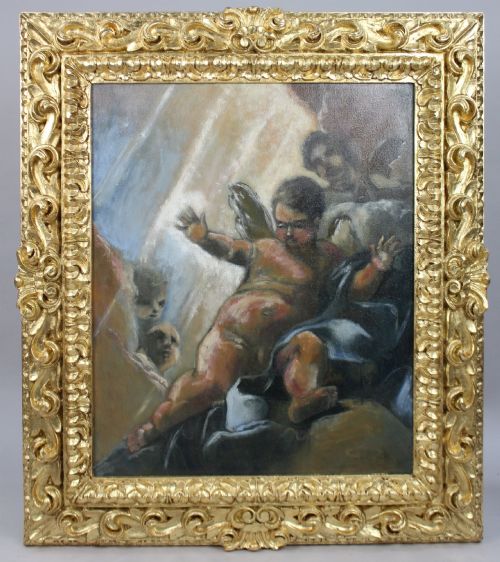
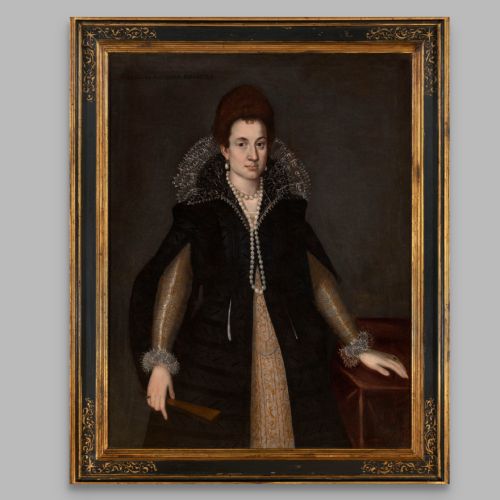
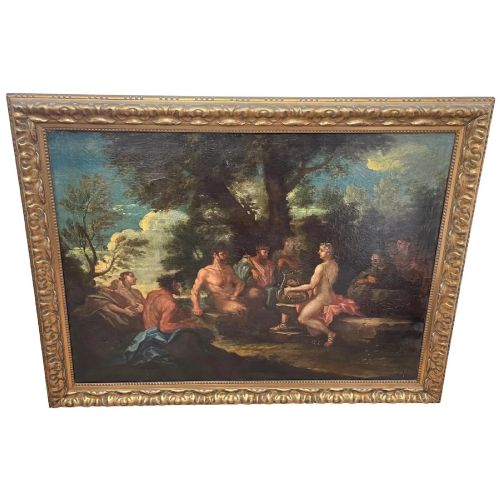
Framed classical fine art brings centuries of portraiture, mythology and landscape into rooms through oil paint, canvas and carved giltwood.
Framed Classical Fine Art
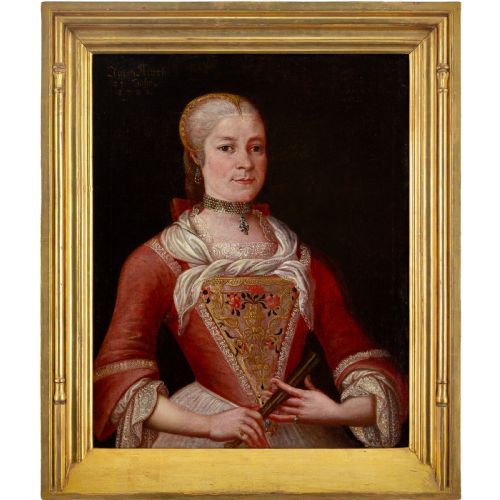
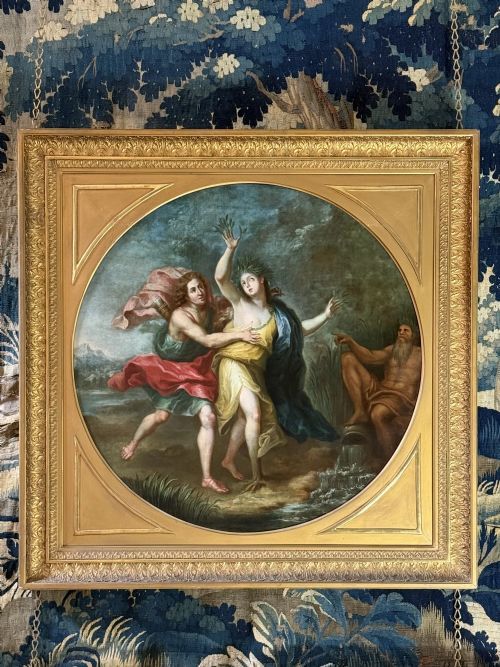
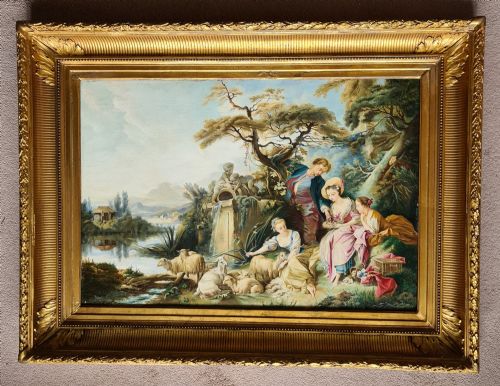
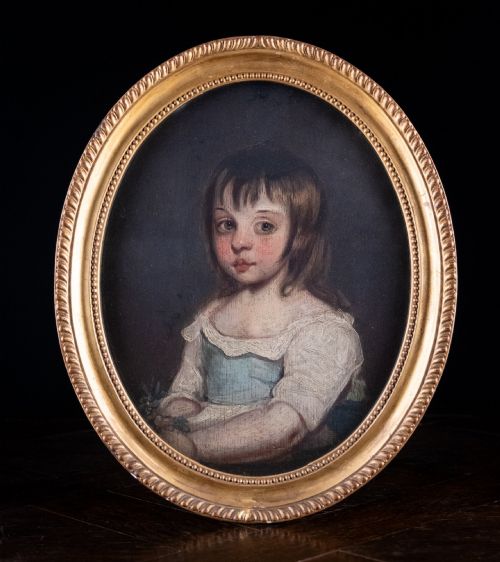
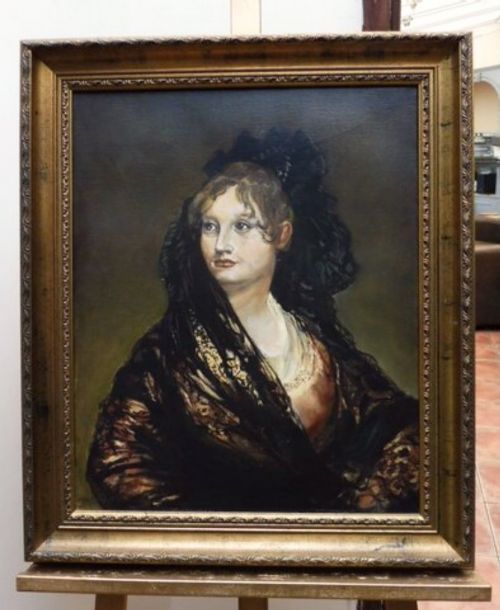
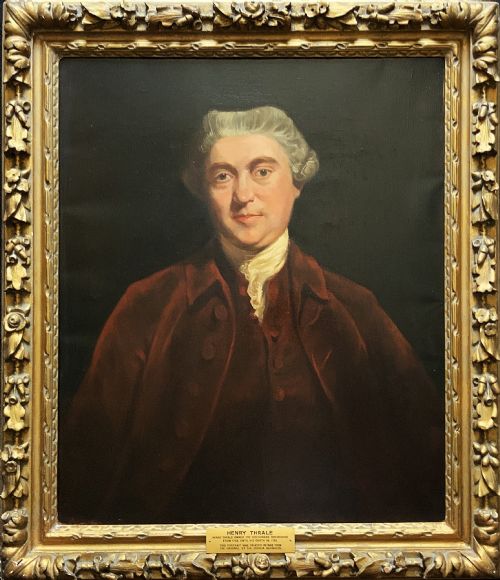
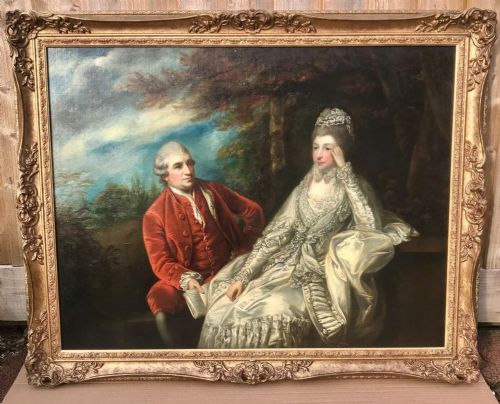
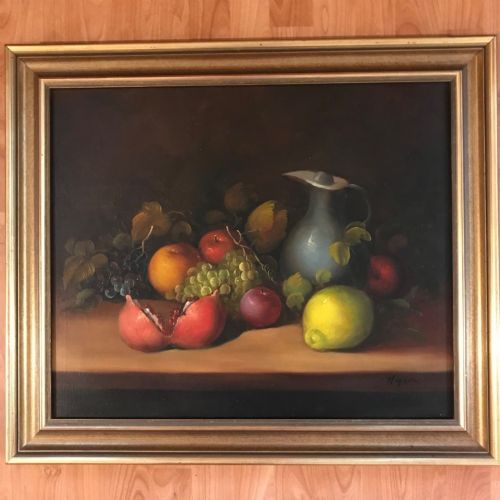
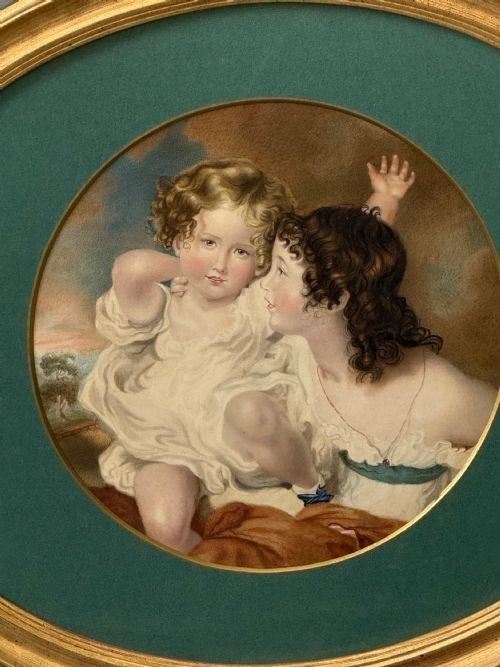
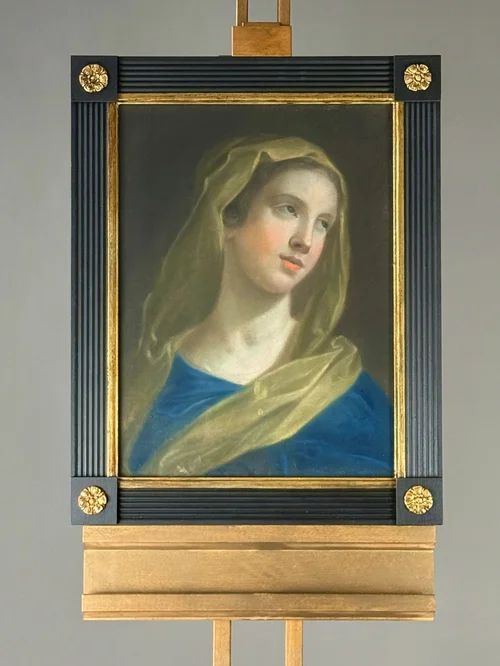
When you search for framed classical fine art, you encounter historical oil paintings, watercolours, pastels and gouache works set inside period frames. The selection centres on portraits, mythological scenes and landscapes produced across the seventeenth, eighteenth and nineteenth centuries.
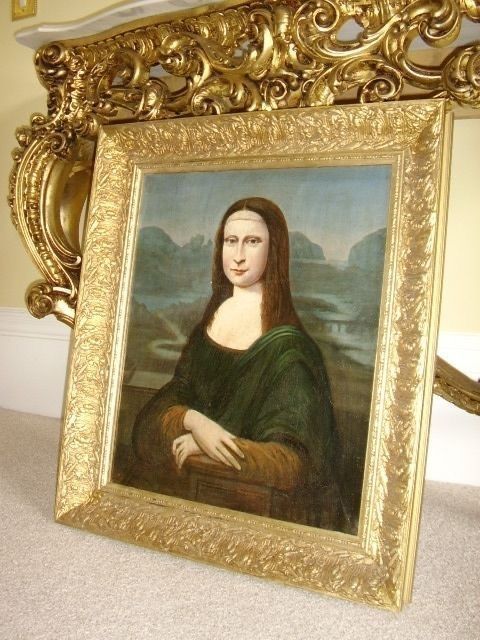
You meet studio copies after masters, regional European school portraits and framed prints executed on canvas, paper and panel. These works range from grand mythological depictions to intimate character studies created during the Georgian, Baroque and Neoclassical periods.
How they were made
Makers applied oil paint, watercolour or pastel onto stretched canvas, wood panel or heavy paper supports. Artists built up compositions using traditional pigment mixtures, varnishes and fine brushwork.
Surviving works are completed by protective surrounds constructed from wood, glass and gold leaf. Carved giltwood frames provide the structural housing that defines each piece.
Listings span periods from the 17th century through the 1930s, utilising oil paint, canvas, wood, paper and gold leaf.
What varies in quality
Quality rests in the handling of light, anatomical precision and the expressive depth of the brushwork across the surface. Works by named artists or accomplished studio circles display superior control over composition and detail.
The integrity of the original support, the stability of the pigment layer and the craftsmanship of the accompanying giltwood frame dictate the overall standing of an individual piece.
CHARLES-ANTOINE COYPEL·EDWARD FISHER·SIR JOSHUA REYNOLDS·FRANCOIS BOUCHER·FRANCISCO JOSE DE GOYA·SIR THOMAS LAWRENCE·BENEDETTO LUTI·PIETRO FACHETTI·ROBERT BYNG·JACOB PHILIPP HACKERT·HYACINTHE COLIN DE VERMONT·TOUSSAINT GELTON·JAMES STROUDLEY·GUILLAUME COURTOIS·HENRIETTA RAE·RENATO MORETTI·PHILIPPUS VILAIN·THEODORE JENSEN·TITIAN·CHARLES BELLAY·ANTOINE CALBET·JOHN WATKINS CHAPMAN·WILLIAM ETTY·ALLAN DOUGLAS DAVIDSON·CARL JOHAN FAHLCRANTZ
The Framed Classical Fine Art Glossary
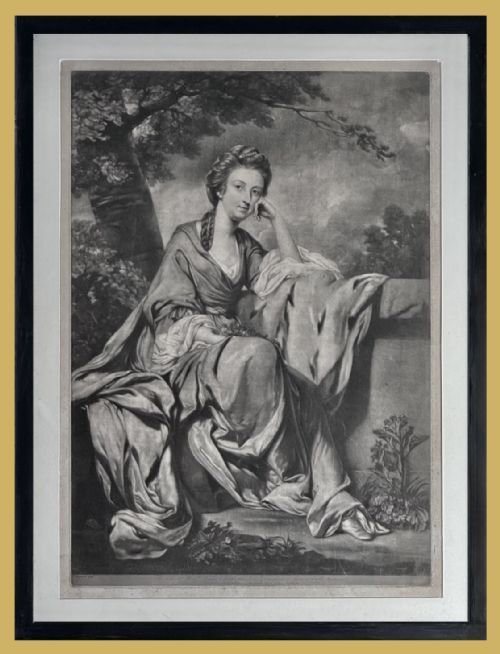
- Mezzotint
- A printmaking process where the copper plate is roughened to achieve rich tonal gradations in dark areas. This technique allows for subtle shading in portrait prints.
- Giltwood
- Wood that has been coated with a thin layer of gold leaf or gold paint. Frames built this way were standard for displaying oil paintings during the Baroque and Neoclassical eras.
- Oil on Canvas
- Pigments bound in a drying oil medium applied directly to woven textile fabric. This remains the primary material combination for historical European paintings.
- Pastel
- A dry drawing medium composed of powdered pigment and a binder formed into sticks. Artists used pastel on paper for portraits requiring soft colour transitions.
- Panel
- A flat piece of wood used as a rigid support for painting instead of stretched canvas. Panels appear frequently in earlier seventeenth-century works.
Framed Classical Fine Art: Frequently Asked Questions
What is a studio sample?
A studio sample is a work produced within an established artist workshop to demonstrate skill, record a composition or assist with larger commissions.
These pieces often reflect the stylistic attributes of the master heading the studio while remaining distinct from primary autograph works.
How do I care for oil paintings?
Oil paintings require stable indoor environments away from direct sunlight and excessive humidity fluctuations.
Dust should be removed gently from the canvas and frame using a soft, dry brush without applying moisture or cleaning solutions.
What distinguishes an 18th-century frame?
Eighteenth-century frames feature hand-carved wooden profiles finished with gesso and gold leaf layers. They often incorporate decorative corner motifs matching the aesthetic of the Georgian or Rococo periods.
Are pastels as durable as oils?
Pastels consist of unbound or lightly bound dry pigment on paper, making them more sensitive to physical disturbance than oil paint.
They require protective glass glazing and secure framing to prevent pigment loss over time.