


18th Century Folk Art
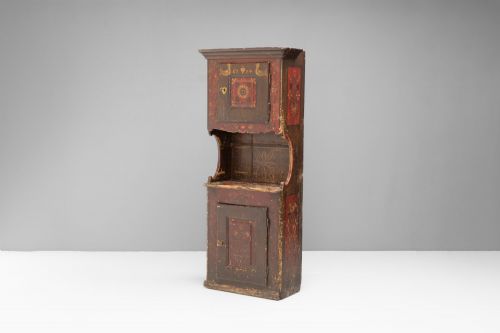
These pieces of 18th century folk art bring domestic utility and regional character into a room through honest craftsmanship.
18th Century Folk Art
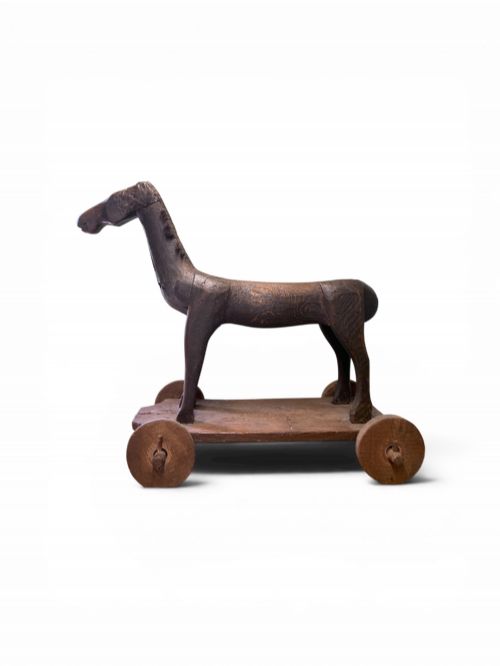
18th century folk art encompasses utilitarian objects, domestic furniture, and decorative items made by regional makers rather than court workshops. When searching this phrase, a buyer meets items shaped by local traditions across Britain, Scandinavia, and continental Europe.
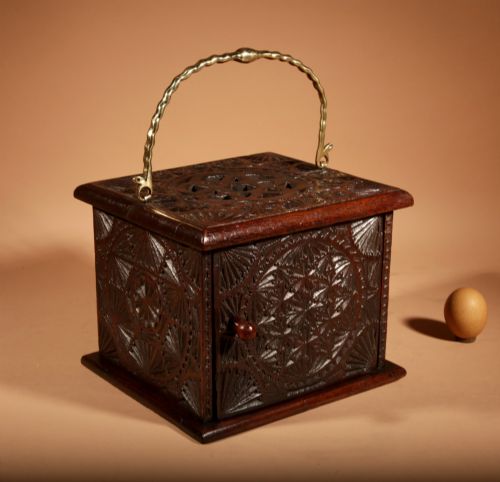
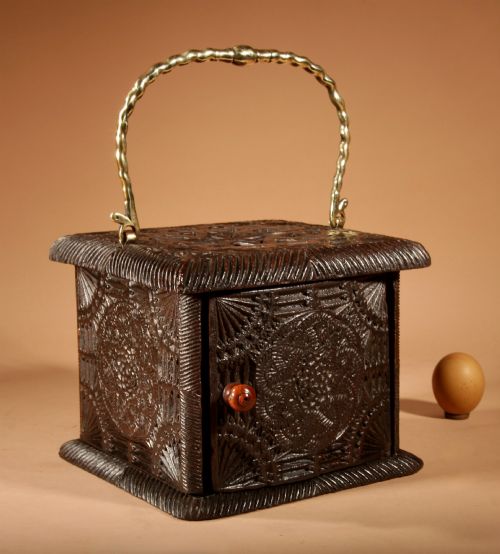
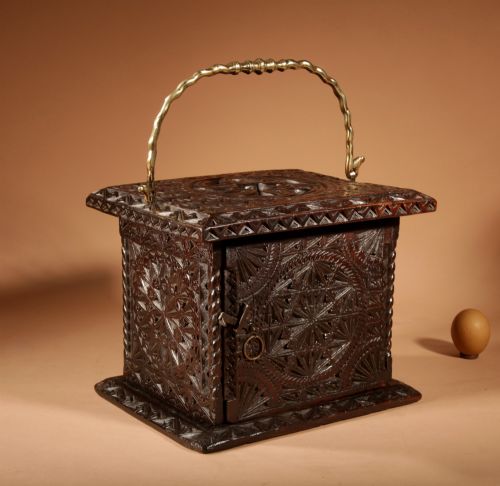
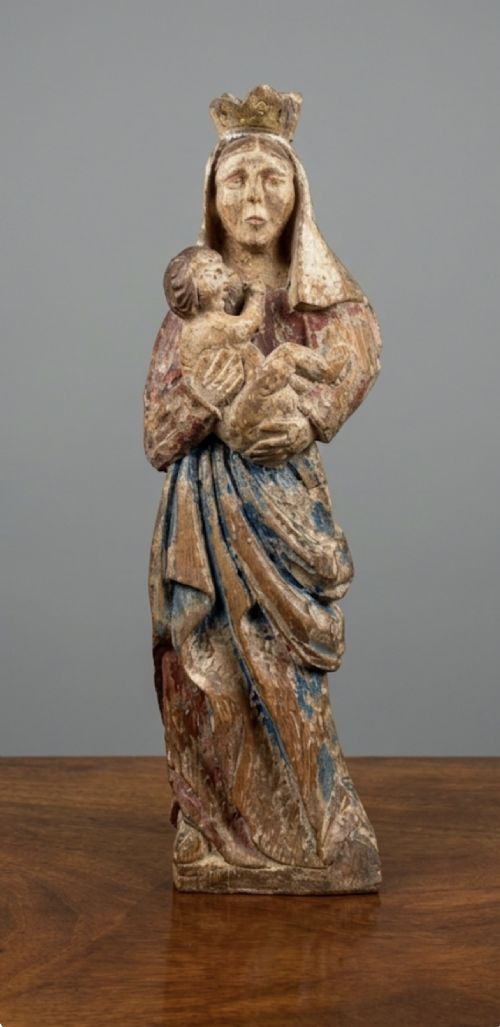
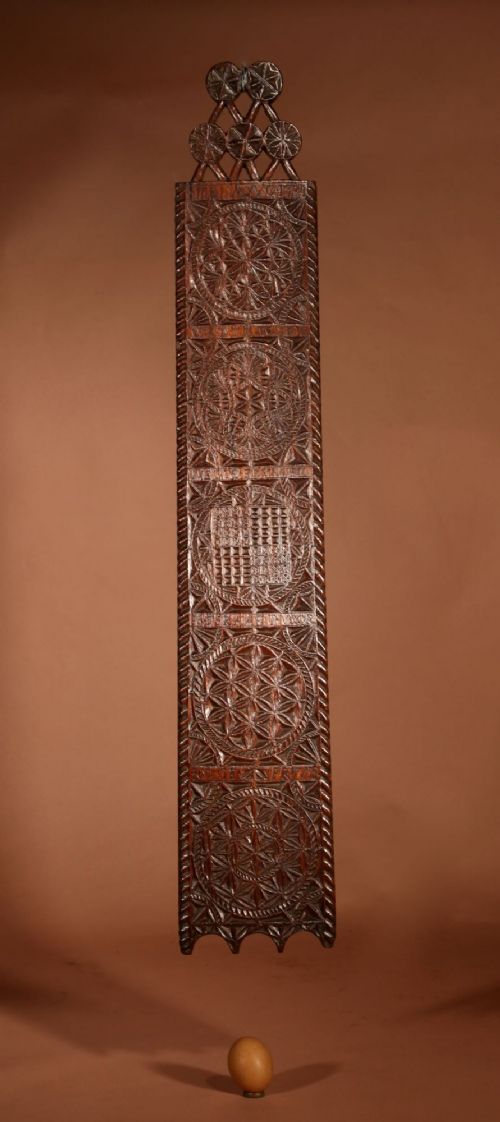
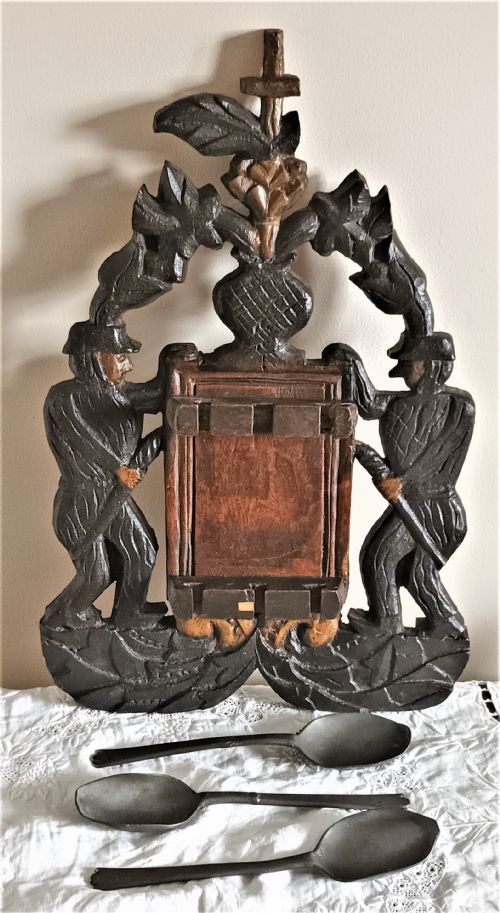
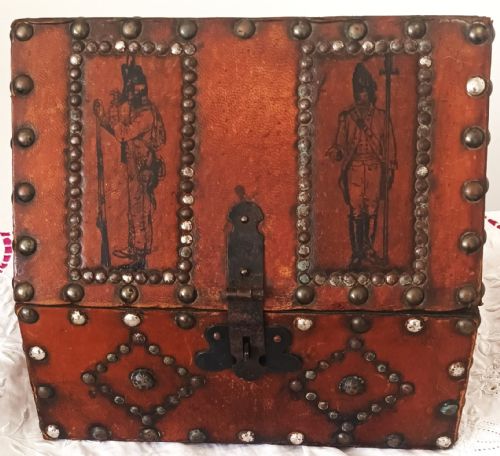
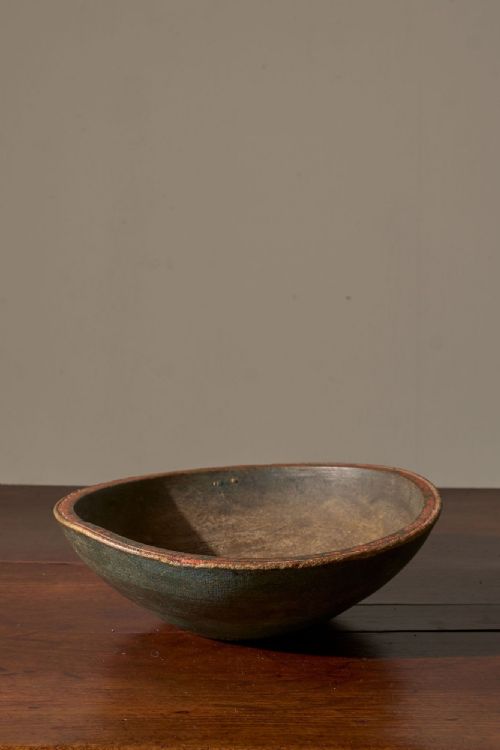
Smaller domestic accessories form another distinct group, spanning chip-carved foot stoves, spoon racks, snuff boxes, and wooden bowls. Carved wooden figures, religious sculptures, oil lamps, and embroidered textile panels round out the regional variety.
Materials and Working Methods
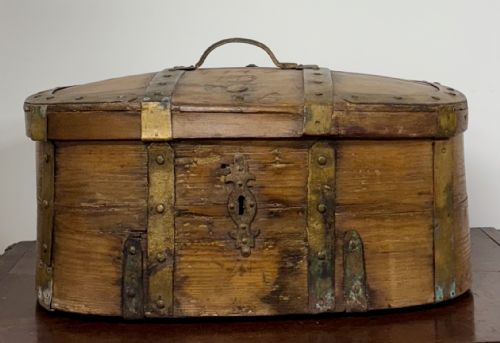
Makers relied on accessible local timbers including pine, oak, elm, fruitwood, and timber, shaping them with simple hand tools. Construction methods favoured practical joinery such as six-plank assemblies, chip carving, and pegging.
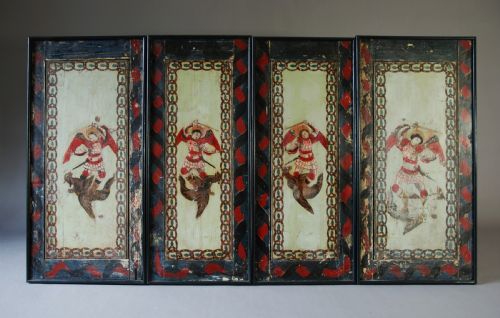
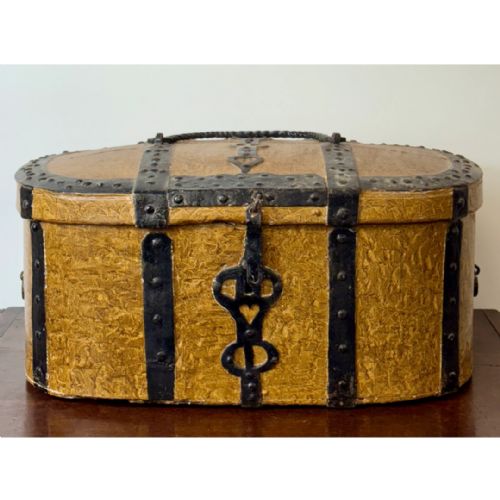
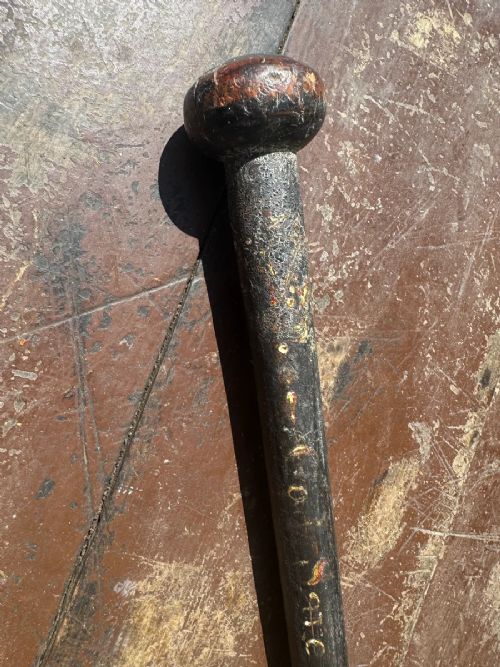
Surfaces frequently display applied paint, polychrome decoration, or natural ageing that creates a deep patina over the bare wood. Iron, brass, and wrought iron components served structural or functional purposes on boxes, lighting devices, and chests.
Listings feature pine, oak, elm, and fruitwood objects spanning British, Scandinavian, Dutch, and Mediterranean regional traditions.
Markers of Quality and Execution
Quality rests in the confidence of the carving, the survival of original painted surfaces, and the integrity of the construction. Pieces executed with direct, expressive cuts reveal greater artistic merit than hesitant copies.
The degree of original surface preservation significantly influences character, as untouched paint or honest wear from daily use holds more appeal than modern intervention. Proportion and structural balance also distinguish standard utility work from finer regional examples.
The 18th Century Folk Art Glossary
- Chip Carving
- A technique of removing small chips from a wooden surface to create geometric patterns. This method decorates small domestic items like foot stoves and storage boards.
- Polychrome
- The practice of decorating surfaces in multiple colours. This finish appears frequently on cupboards, marriage chests, and carved figures.
- Treen
- Small handmade wooden household objects created for domestic use. Examples include apple corers, small boxes, and treen vessels.
- Cassone
- A large Italian storage chest or marriage chest used to hold bridal linens. These often feature painted or carved panels.
- Rush Light Holder
- An iron device designed to grip a dried rush dipped in animal fat for domestic illumination. These objects highlight everyday lighting before widespread candle use.
18th Century Folk Art: Frequently Asked Questions
How were foot warmers used?
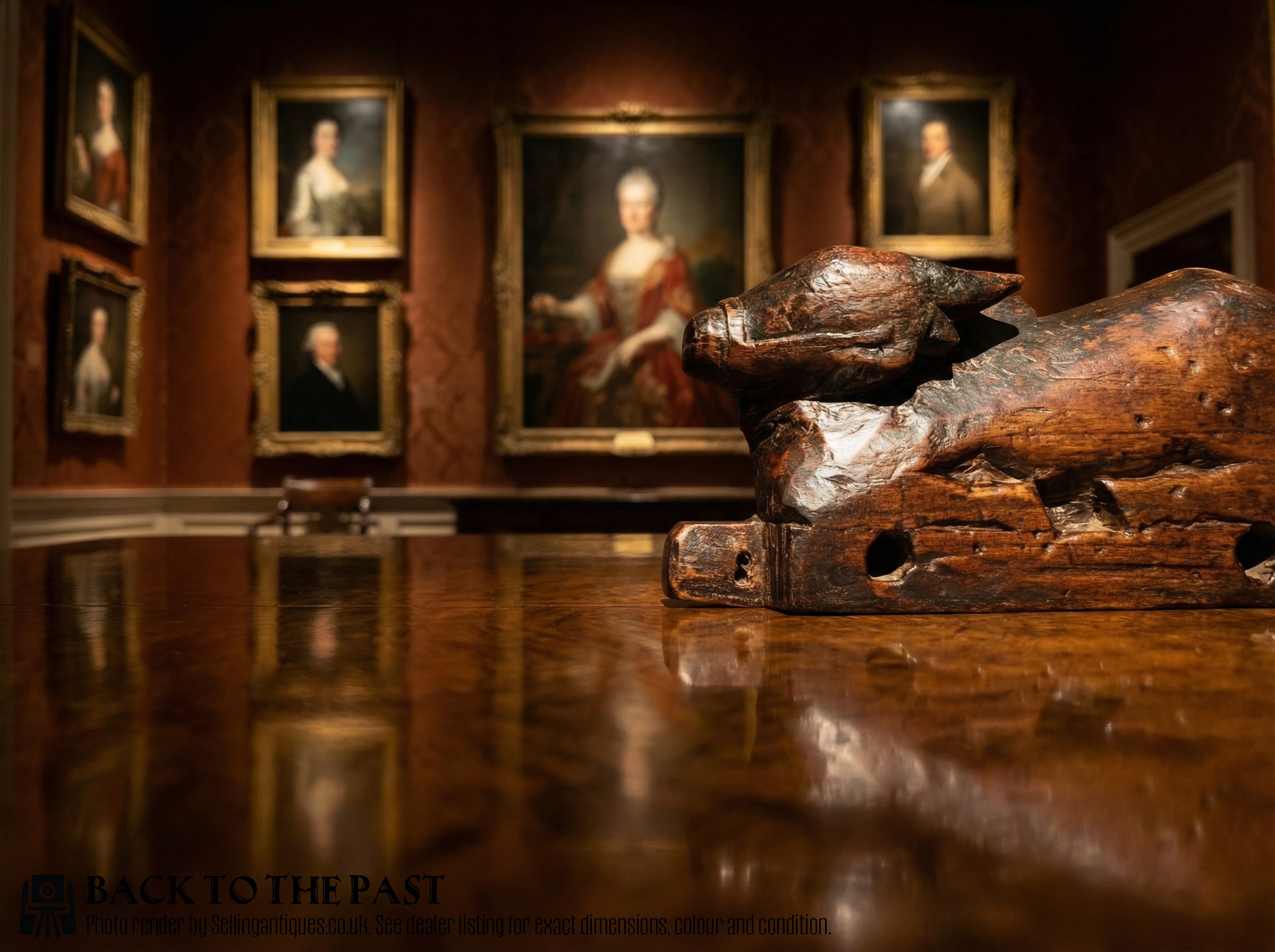
Foot stoves were small wooden boxes drilled with decorative patterns to hold hot embers inside a metal container. People placed their feet on top of the warm box during cold weather.
These pieces combined chip-carved decoration with practical utility for domestic comfort. They sat on floors in homes or church pews during winter months.
How do I identify regional styles?
Regional traits appear through specific timber choices, paint palettes, and traditional carving motifs linked to particular countries. Swedish and Dutch pieces often display bright painted surfaces and specific floral or geometric patterns.
British examples lean towards exposed oak or elm with chip carving and panel construction. Comparing the structural joinery and decorative vocabulary helps clarify geographic origins.
How should I care for painted wood?
Painted wooden surfaces require stable indoor humidity away from direct sunlight and heat sources. Excessive temperature fluctuations can cause timber to crack and paint layers to flake.
Dusting with a dry, soft cloth preserves the fragile finish without introducing moisture. Avoiding harsh cleaning products protects the original patina.