



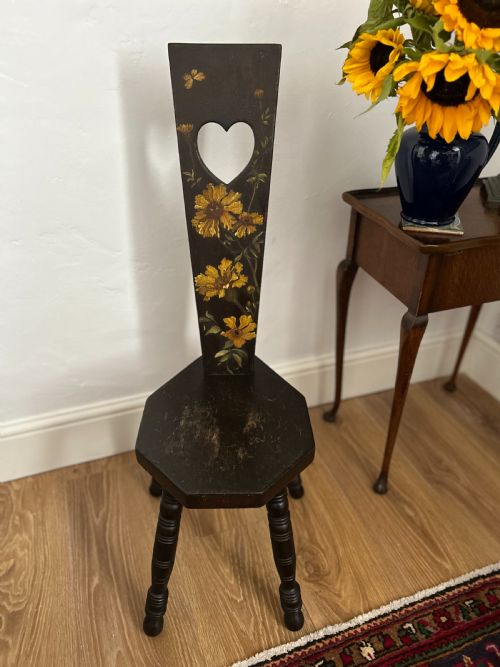
Country Folk Art Carving
Country folk art carving brings honest hand-hewn character into a room through vernacular seating, carved decoys and rustic domestic utensils.
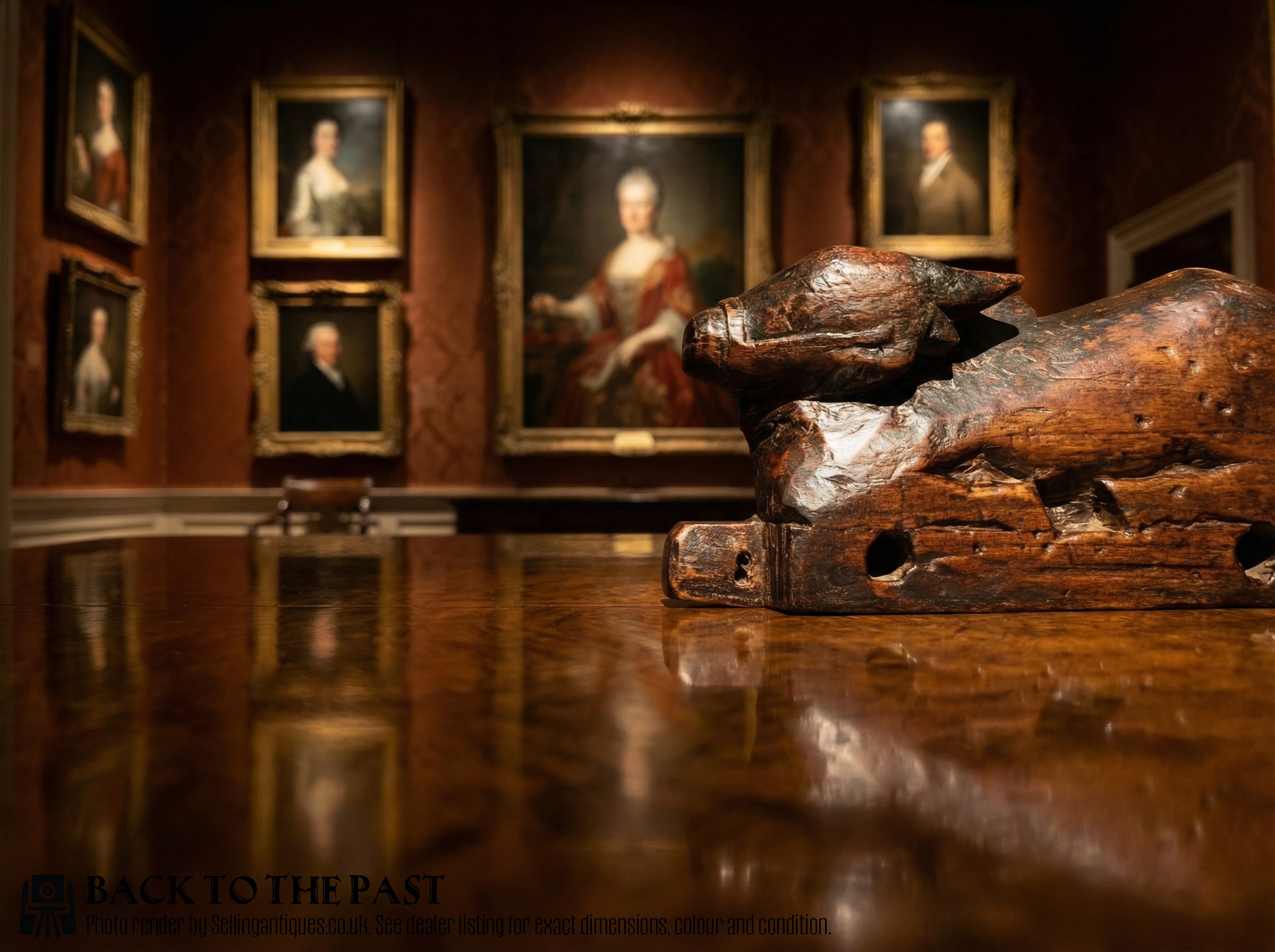
Country Folk Art Carving
When you search for country folk art carving, you encounter objects shaped by rural makers for domestic utility and everyday function. These pieces originate from regional traditions across Britain, Scandinavia and continental Europe, spanning the eighteenth century through to the early twentieth century.
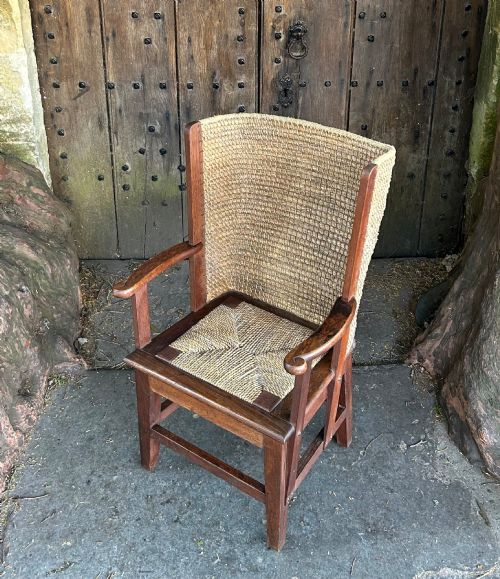
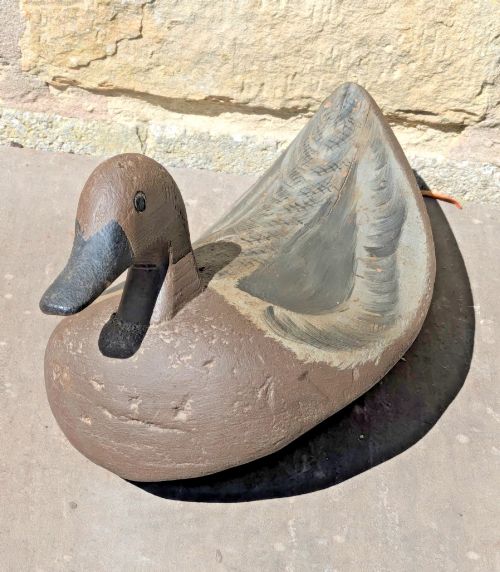
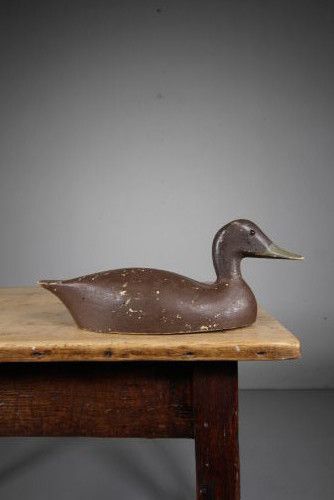
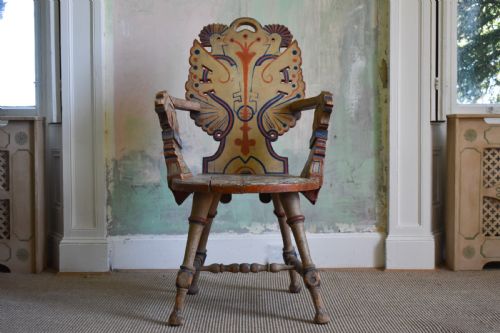
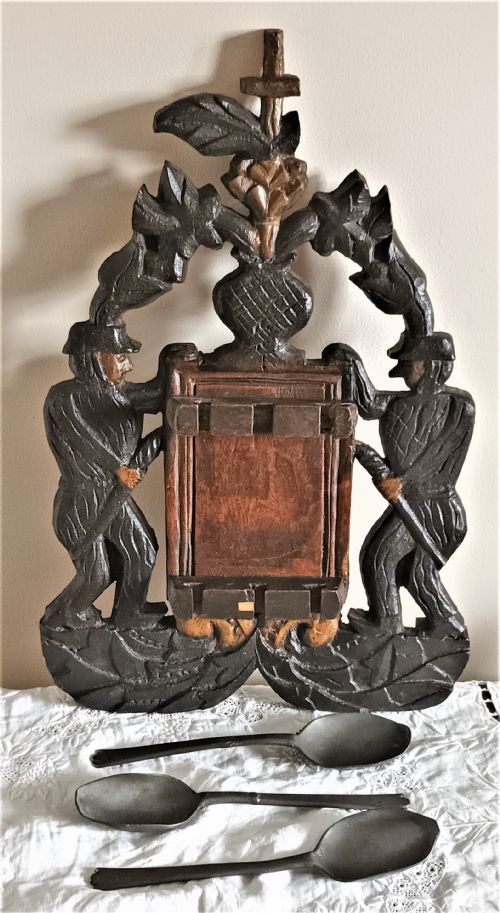
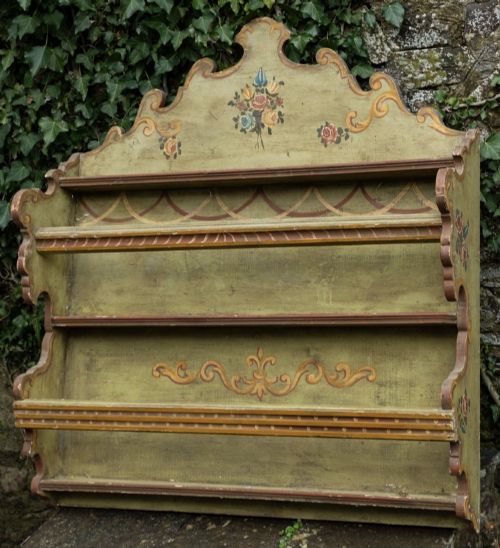
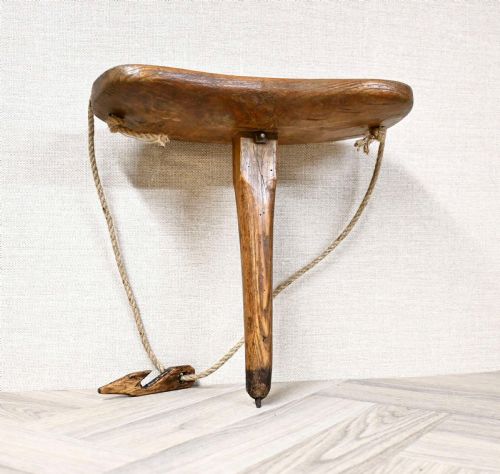
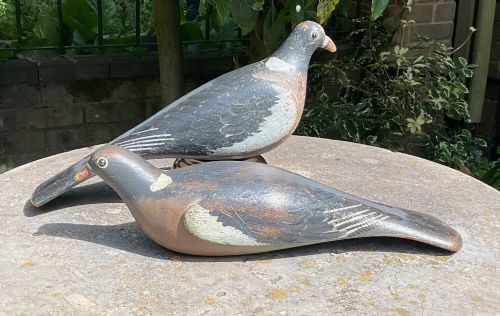
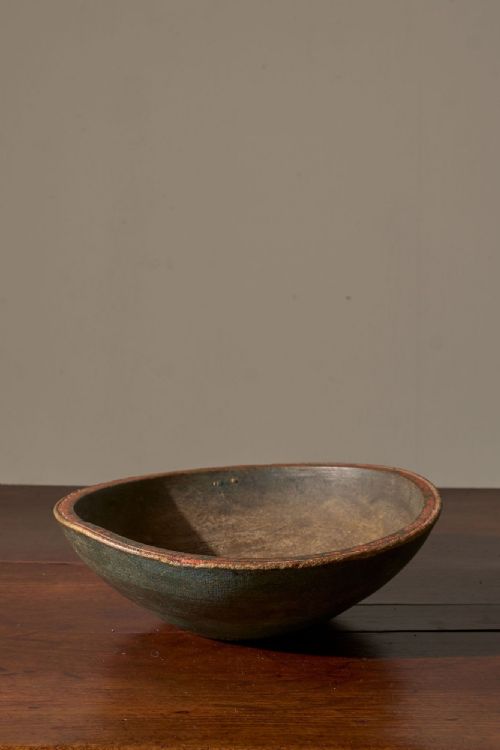
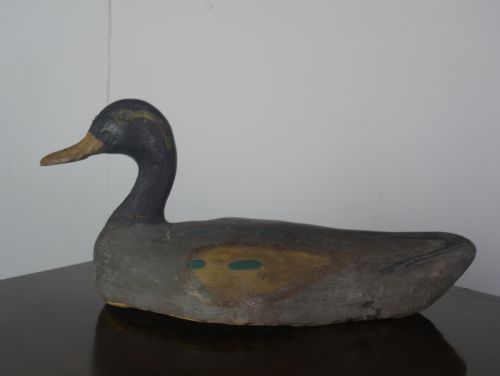
The most common forms on this page include hand-painted wooden decoy ducks and pigeons, rustic milking stools, dug-out chairs and painted bowls. You also find larger vernacular seating such as Orkney chairs, settles and spinning chairs, alongside practical kitchen items like spoon racks and chopping blocks.
These items embody regional vernacular styles rather than urban academic tastes. Makers utilised local timber and straightforward methods to produce items that served an immediate purpose in country houses, farms and shops.
Materials and methods
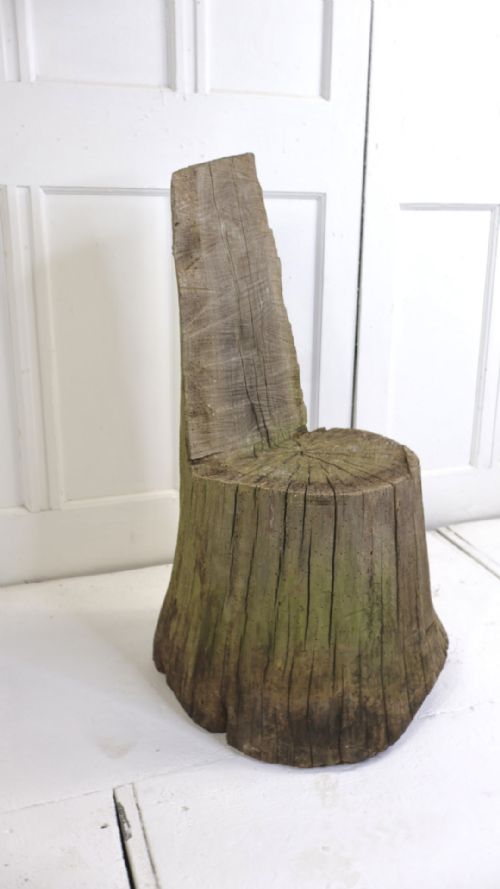
Makers shaped these items from native woods available locally, predominantly oak, pine, sycamore and general hardwood or timber. Working directly from tree trunks and branches yielded sturdy dug-out chairs, tree trunk planters and solid chopping blocks.
Many surfaces carry original layers of paint, oil or hand-applied pigments, particularly on Swedish bowls, decoy birds and Welsh spinning chairs. Metal elements such as iron appear on functional items like weathervanes and structural mounts.
Several decoy ducks wear their original working paint with pride, having fooled neither real birds nor careful buyers for over a century.
Evaluating quality and authenticity
Quality rests in the integrity of the original surface and the honesty of the hand tool work. An untouched painted finish or weathered patina holds greater merit than a stripped or heavily restored exterior.
Proportion and structural balance distinguish superior examples, as seen in the sculptural sweep of a dug-out seat or the lifelike contours of a carved decoy. The relationship between the maker's hand and the raw material defines the character of each piece.
The Country Folk Art Carving Glossary
- Decoy
- A carved wooden bird or animal used historically in hunting or as a trade display. These objects now survive as sculptural decorative carvings.
- Dug-out
- A form of furniture or vessel hollowed directly from a single tree trunk. This technique produces heavy, robust stools, chairs and planters.
- Vernacular
- Architecture or furniture built by local craftsmen using traditional methods and regional materials without academic design influence.
- Settle
- A wooden bench with a high back, solid arms and often a box seat below. They provided shelter from draughts in farmhouse kitchens.
- Tramp art
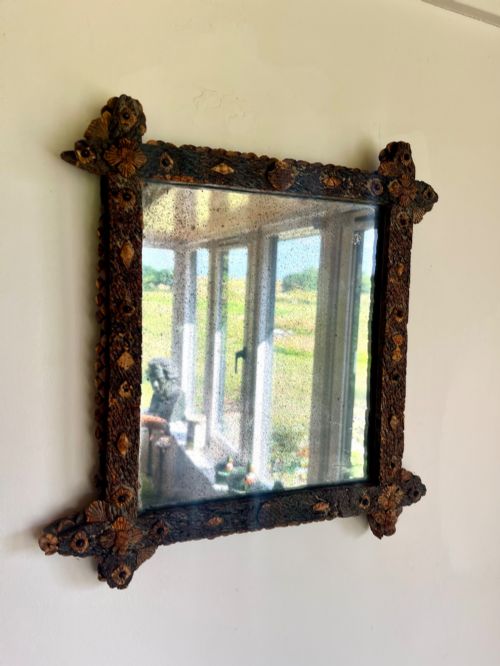
- Decorative objects created by itinerant workers using whittled bits of boxwood, cigar boxes or cork. Mirrors and small frames frequently display this chip-carved layering technique.
Country Folk Art Carving: Frequently Asked Questions
What defines country folk art carving?
These items are utilitarian objects shaped by rural craftspeople using traditional local techniques. They include practical seating, carved decoys and household vessels made without reference to formal academic design.
Materials are typically native timbers like oak, pine and sycamore, often retaining their original painted surfaces or weathered patinas acquired through decades of domestic use.
How were carved decoys used?
Decoys served as functional lures for wildfowl hunting on lakes and marshes before modern manufacturing took over. Makers carved them from wood and painted them to mimic ducks and pigeons.
Many surviving pieces transitioned into decorative objects for country interiors once their working days on the water ended.
Where do these pieces originate?
The objects stem from various European regions, reflecting local rural traditions and available materials. Swedish and Scandinavian pieces often feature distinct painted bowls and armchairs, while Welsh and English makers contributed vernacular spinning chairs and spoon racks.
French and Spanish workshops produced distinct rustic furniture, shop displays and canopied settles tailored to regional domestic life.
How do I live with rustic folk art?
These pieces integrate easily into contemporary and traditional interiors by adding warmth and textural contrast. A dug-out stool, painted bowl or carved decoy introduces a strong focal point without overwhelming a room.
Keeping the objects away from direct heat sources helps preserve the stability of the timber and any original painted finishes.