





Antique Wooden Childs Toy
These antique wooden childs toy items are historic playthings made from timber, combining traditional craftsmanship with the charm of past childhoods.
Antique Wooden Childs Toy
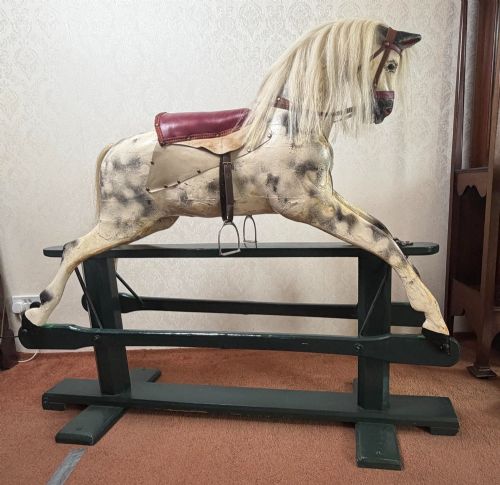
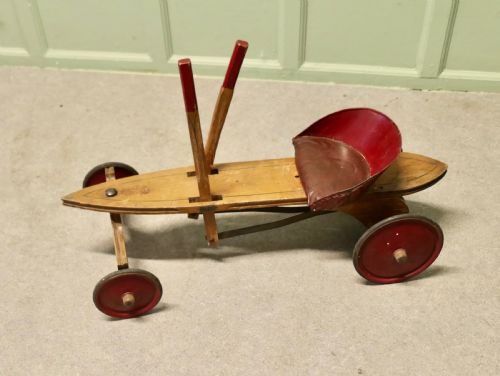
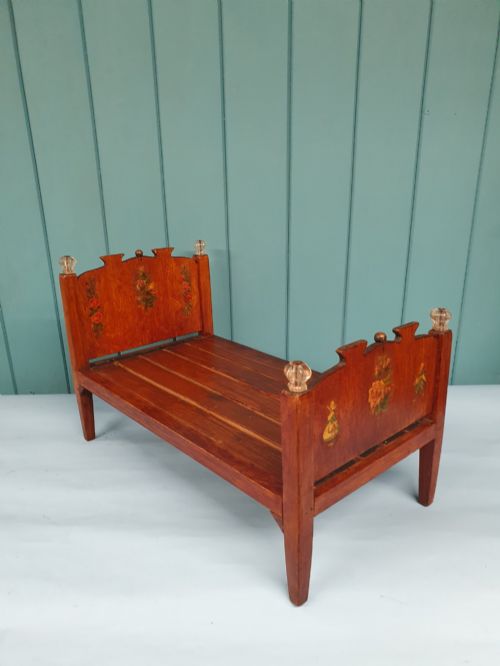
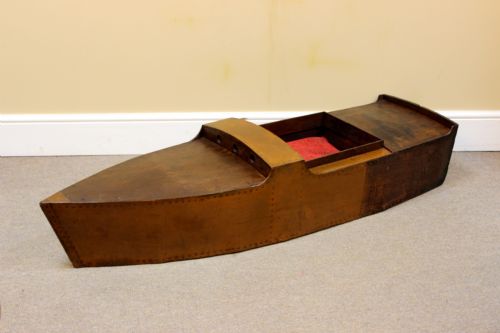
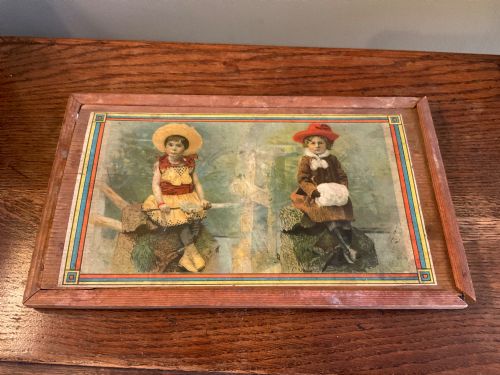
The pieces appearing on this page reflect diverse construction periods, including Victorian, Edwardian, and nineteen-thirties examples. Rocking horses and wheeled toys emerge frequently alongside smaller items like watercolour sets and dolls house beds, illustrating the broad scope of early childhood entertainment.
Materials and construction methods
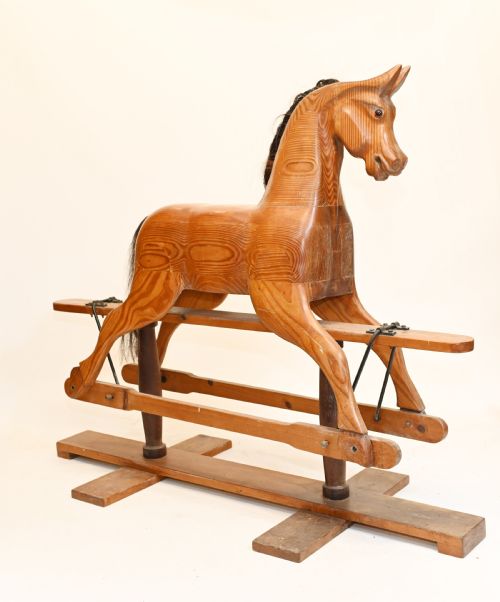
Makers utilised solid wood such as pine, alongside traditional additions of horsehair, metal, leather, paint, and fabric to finish each piece. Carving and joinery form the backbone of these constructions, whether applied to large rocking horses on original rockers or delicate miniature furniture.
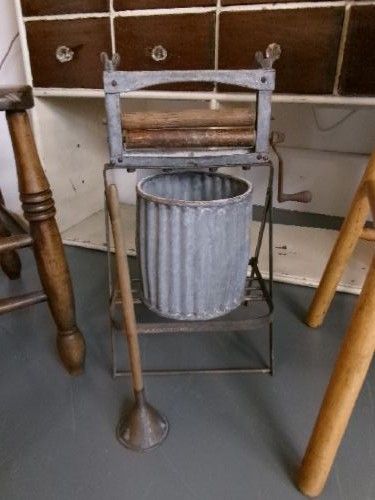
Surface treatments involve hand-applied paint and natural finishes that show the direct intervention of the maker's hand. Metal iron stands and fittings frequently support wooden frames, particularly in utilitarian playthings like travellers sample mangles and tricycles.
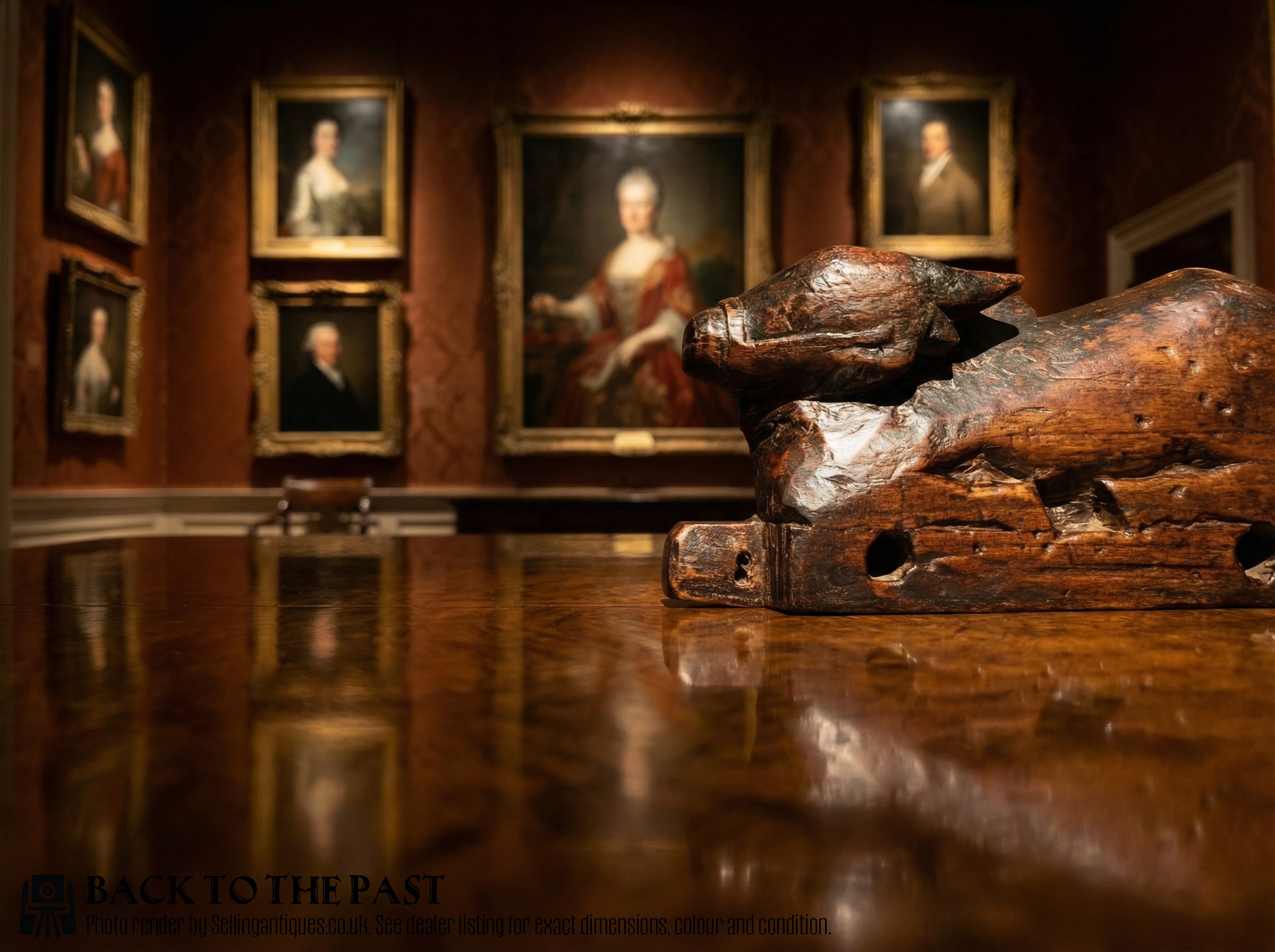
Early wooden calves on wheels brought rural farmyard life straight into the Victorian nursery without any of the mess.
Distinguishing quality in early playthings
Quality rests upon the depth of hand-carving, the structural integrity of the original wood, and the survival of early surface paint or horsehair. Finer examples display meticulous attention to anatomical proportion in animals and robust joinery in wheeled transport.
The presence of original stands, rockers, and fittings elevates a piece above those missing key structural components. Degree of original finish and untouched surface patination separate standard items from superior survivals.
Periclès·Collinsons
The Antique Wooden Childs Toy Glossary
- Treen
- Small handmade wooden objects for domestic or decorative use. These items display simple turning and carving techniques typical of rural craftsmanship.
- Rocking horse
- A carved wooden toy horse mounted on bow rockers or safety stands. Children rode these popular floor toys for indoor amusement.
- Pull-along horse
- A wooden toy mounted on a platform with wheels or castors. Children pulled these animals using a cord attached to the front.
- Travellers sample
- A small-scale model used by commercial salesmen to demonstrate full-sized domestic equipment. These salesman samples mirrored laundry mangles and household machinery.
- Folk art
- Utilitarian objects created by self-taught makers using traditional local methods. These pieces emphasise functional design over academic artistic rules.
Antique Wooden Childs Toy: Frequently Asked Questions
What materials are used in these toys?
Makers constructed these playthings predominantly from wood, often incorporating metal for structural support and iron stands. Additional materials like horsehair, leather, paint, and fabric appear on animals and wheeled items.
Surviving examples retain these original components, showing how mixed media enhanced durability and realism in early play.
How do I identify the age of a toy?
Dating relies upon construction techniques, fastener types, and stylistic indicators associated with periods like the Victorian era or nineteen-thirties art deco. Tool marks and material wear provide further clues to a piece's origin.
Comparing structural forms with dated examples helps establish the manufacturing timeframe for unmarked pieces.
Were these items meant for daily play?
Most of these objects served as active playthings for children, enduring regular handling, riding, and movement across floors. Rocking horses and pull-along toys experienced direct physical interaction during use.
This history of active engagement often leaves distinct surface marks that document the life of the object.
How should I care for wooden toys?
Preserve these items by keeping them in stable environmental conditions away from direct sunlight and excessive humidity. Gentle dusting with a dry cloth protects fragile painted surfaces and horsehair.
Avoid aggressive cleaning methods that might strip the historic patination and original finishes.