
Hand Carved Wooden Animal
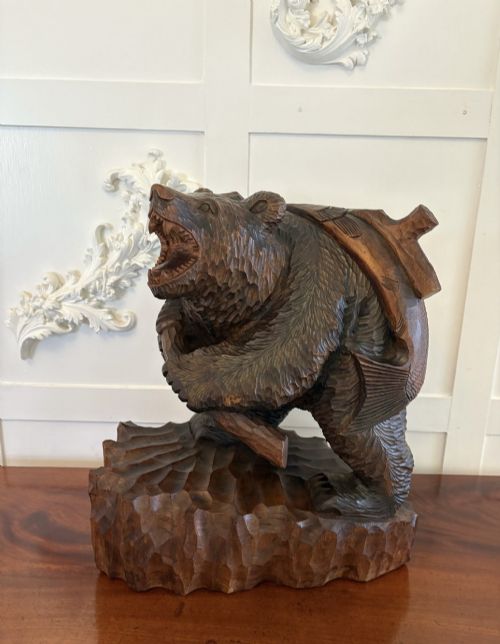
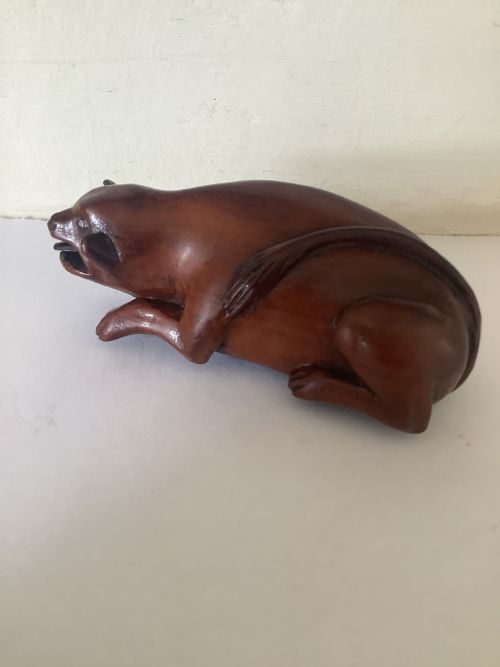
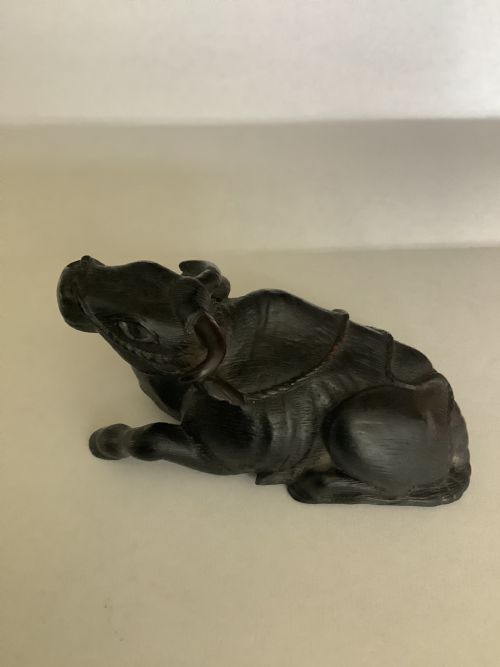
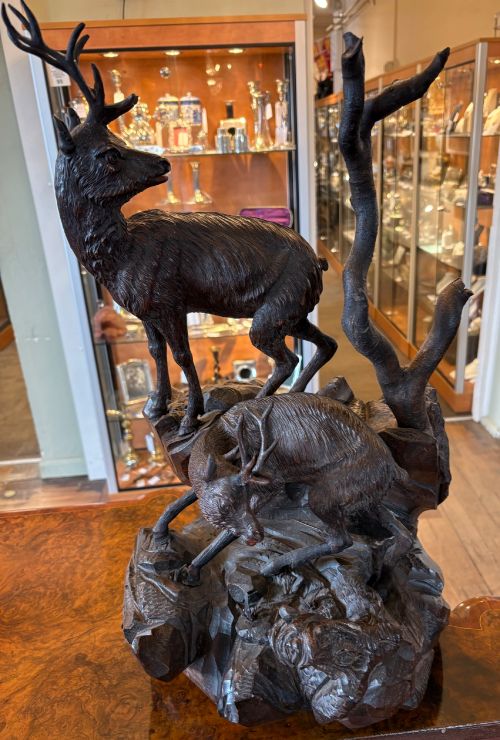
These hand carved wooden animal figures range from European mountain studies to folk art horses, offering tactile character for any interior.
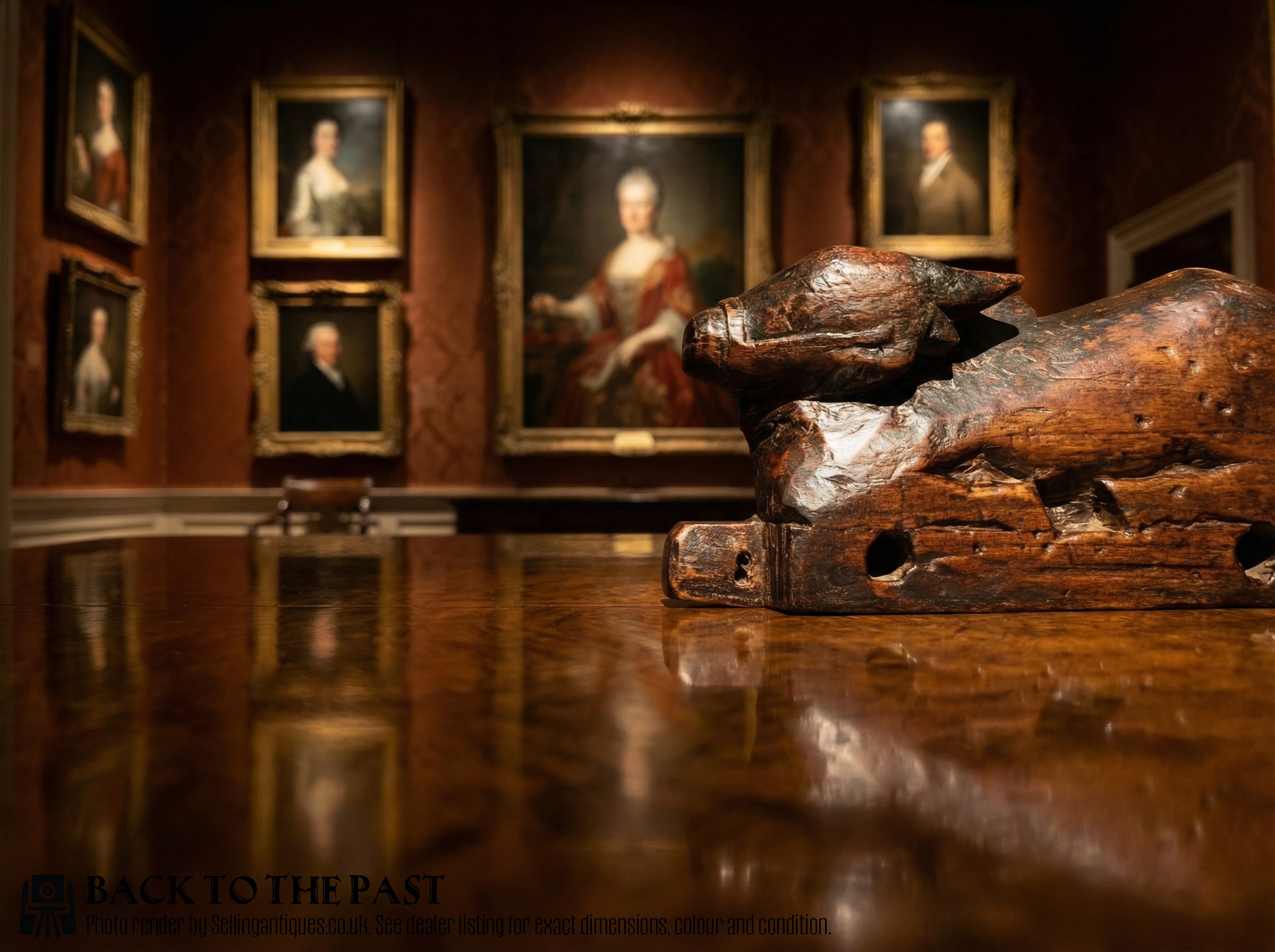
Hand Carved Wooden Animal
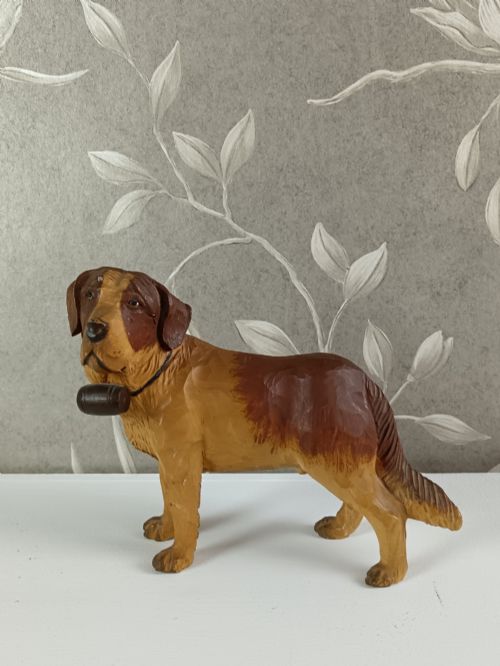
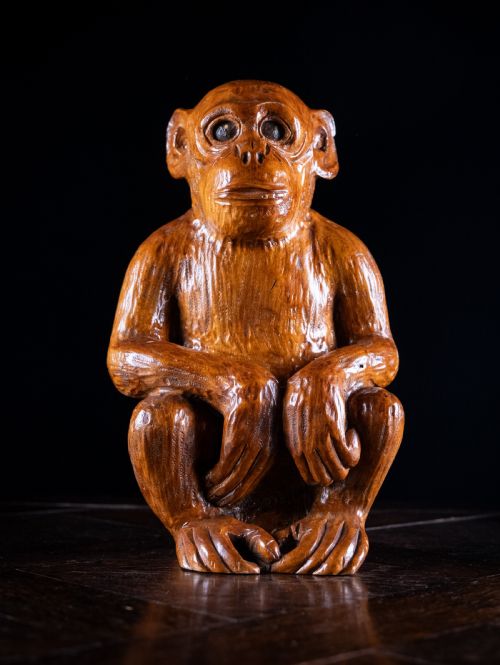
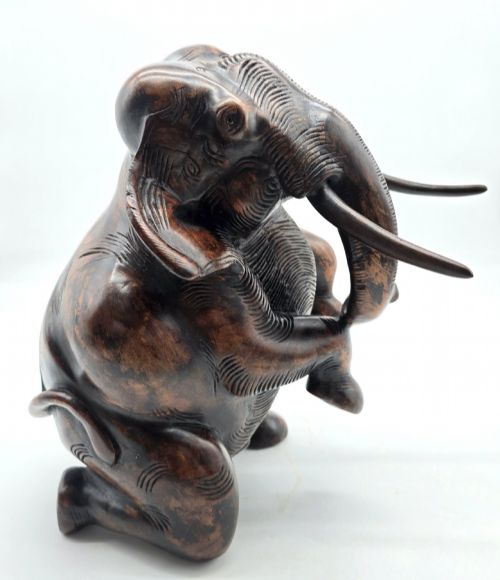
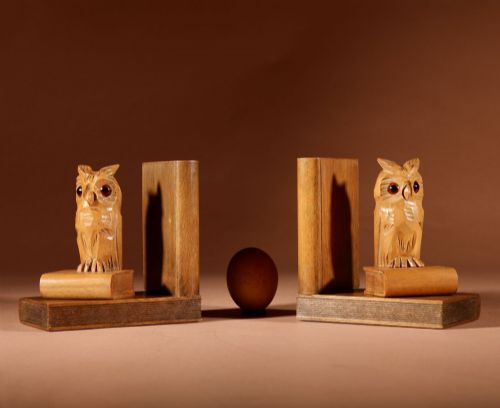
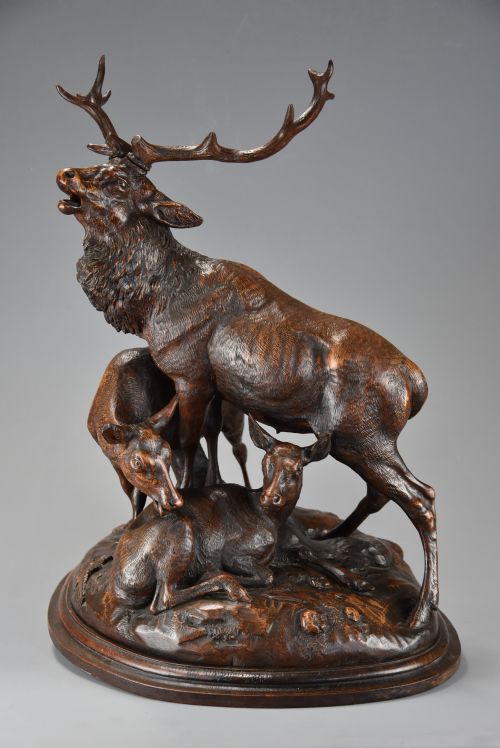
A hand carved wooden animal brings centuries of carving traditions into the room, spanning domestic folk pieces and European mountain workshop output. You will encounter bears, elephants, deer, and lions formed as standalone sculptures, bookends, and functional inkwells.
The selection here draws heavily on Black Forest traditions alongside Japanese woodcarving and Anglo-Indian regional works. Figures appear in walnut, linden wood, and teak, reflecting the specific timber resources available to makers across the nineteenth and early twentieth centuries.
How they were made
Makers utilised dense timbers such as walnut, ebony, and linden wood, allowing for intricate detail without splitting along the grain. Hand tools including gouges and chisels shaped the forms directly from solid blocks.
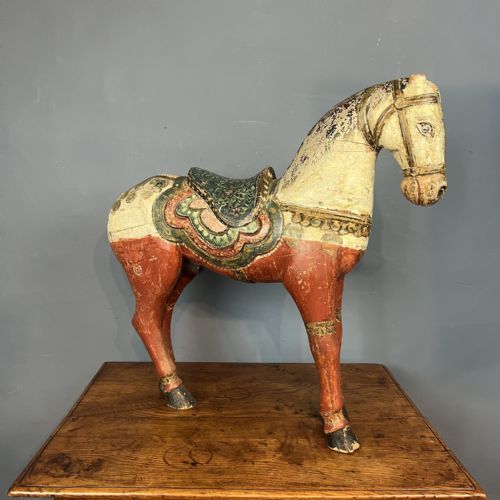
Surfaces received various treatments ranging from natural waxed finishes to painted highlights and inset glass or bone eyes. Some pieces integrated functional elements like inkwells or metal brackets for bookends while retaining carved animal subjects.
Listings feature carvings from the eighteenth to the twentieth centuries, utilising walnut, ebony, teak, and linden wood.
What varies in quality
The selection of timber and the preservation of original surface finishes dictate the integrity of the piece over time. Carvings that retain crisp undercut details without heavy later sanding represent the stronger examples of the craft.
J. Huggler
The Hand Carved Wooden Animal Glossary
- Black Forest
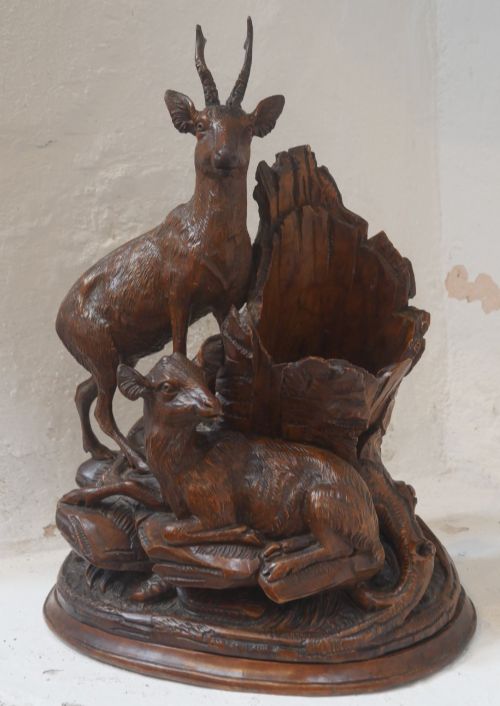
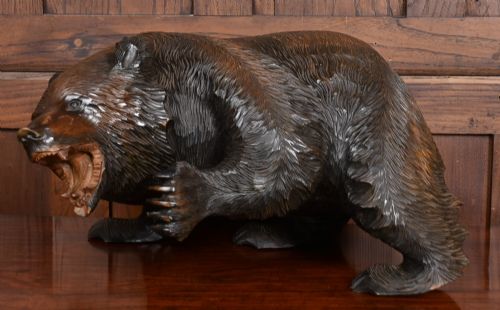
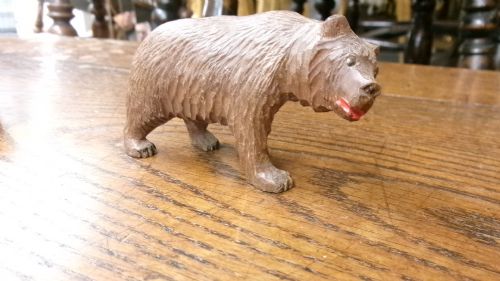
- A regional Swiss and German style of woodcarving known for realistic animal studies, particularly bears, deer, and owls. These pieces originated primarily in the nineteenth and early twentieth centuries.
- Kibori Kuma
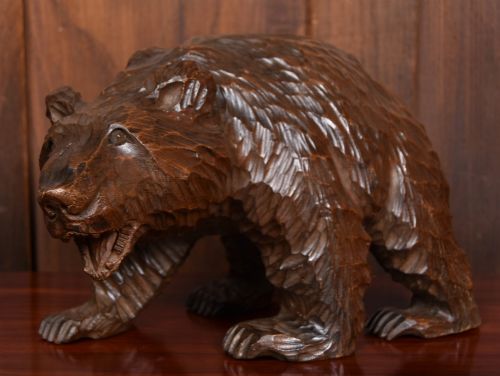
- A traditional style of Japanese wood-carved bear produced extensively in Hokkaido. These sculptures often feature expressive poses and textured fur.
- Raj Period
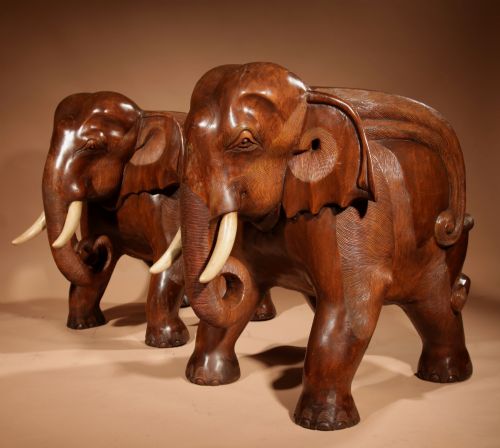
- Referring to works produced during the British rule in India, characterised by dense hardwoods such as teak and ebony depicting elephants and horses. These carvings frequently display deep relief and regional decorative motifs.
- Folk Art
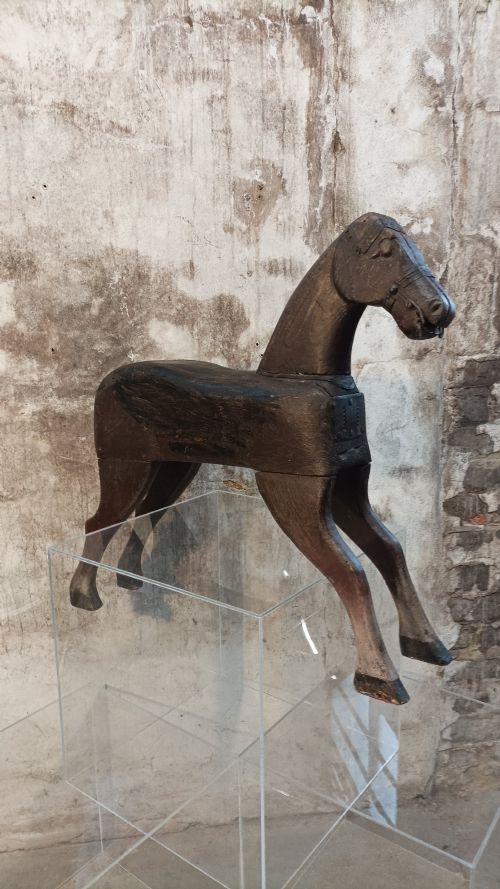
- Objects created by self-taught or traditional artisans outside academic traditions, prioritising character and direct expression over strict anatomical accuracy. Painted wooden horses and naive toys often fall into this group.
- Linden Wood
- A pale, fine-grained timber favoured by European carvers for its uniform texture and lack of prominent grain. It allows for sharp detailing in intricate animal sculptures.
Hand Carved Wooden Animal: Frequently Asked Questions
How do I identify Black Forest carvings?
Black Forest carvings are typically rendered in linden wood or walnut, focusing heavily on woodland animals like bears, deer, and owls with naturalistic textures. Many incorporate functional designs such as bookends, inkwells, or table lamps.
European alpine workshops produced these pieces in large numbers from the mid-nineteenth century onwards, often leaving the wood in a warm waxed finish rather than paint.
What is a Kibori Kuma carving?
Kibori Kuma refers to the traditional wooden bear sculptures carved in the Hokkaido region of Japan, often shown holding fish or in alert poses. These pieces utilise local woods and feature distinct textured chisel marks to represent fur.
They emerged as a prominent craft form in the late nineteenth and early twentieth centuries, blending folk traditions with skilled animal observation.
How should I clean wooden animal sculptures?
Dust the carvings gently with a soft, dry brush to remove particles from deep crevices and undercut fur details. Avoid water, harsh chemical cleaners, or modern polishes that can build up on the antique wood surface.
Applying a very light coat of microcrystalline wax occasionally will help protect the finish if the timber appears dry.
How do I date these carved animals?
Dating relies on timber type, tool marks, finishing methods, and the historical context of the regional workshop movements represented. Nineteenth-century pieces often show hand-wrought details and patination from age.
Twentieth-century examples, including Art Deco designs, may introduce different stylistic proportions or simpler mechanical interventions like base mounts.