
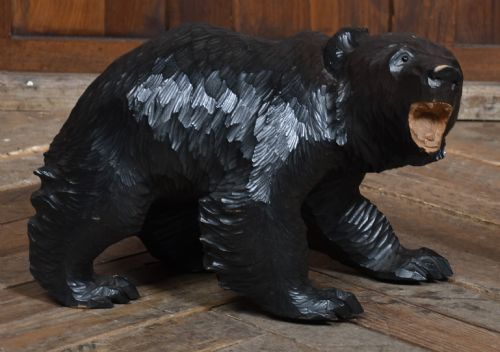


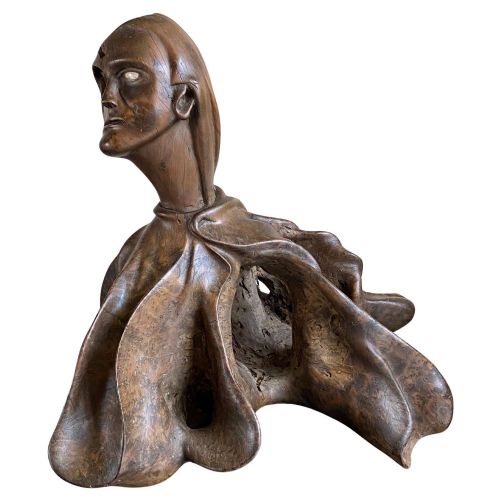


Dark Wood Folk Sculpture
Dark wood folk sculpture brings together hand-carved animals, human figures and ritual objects shaped by regional makers across centuries.
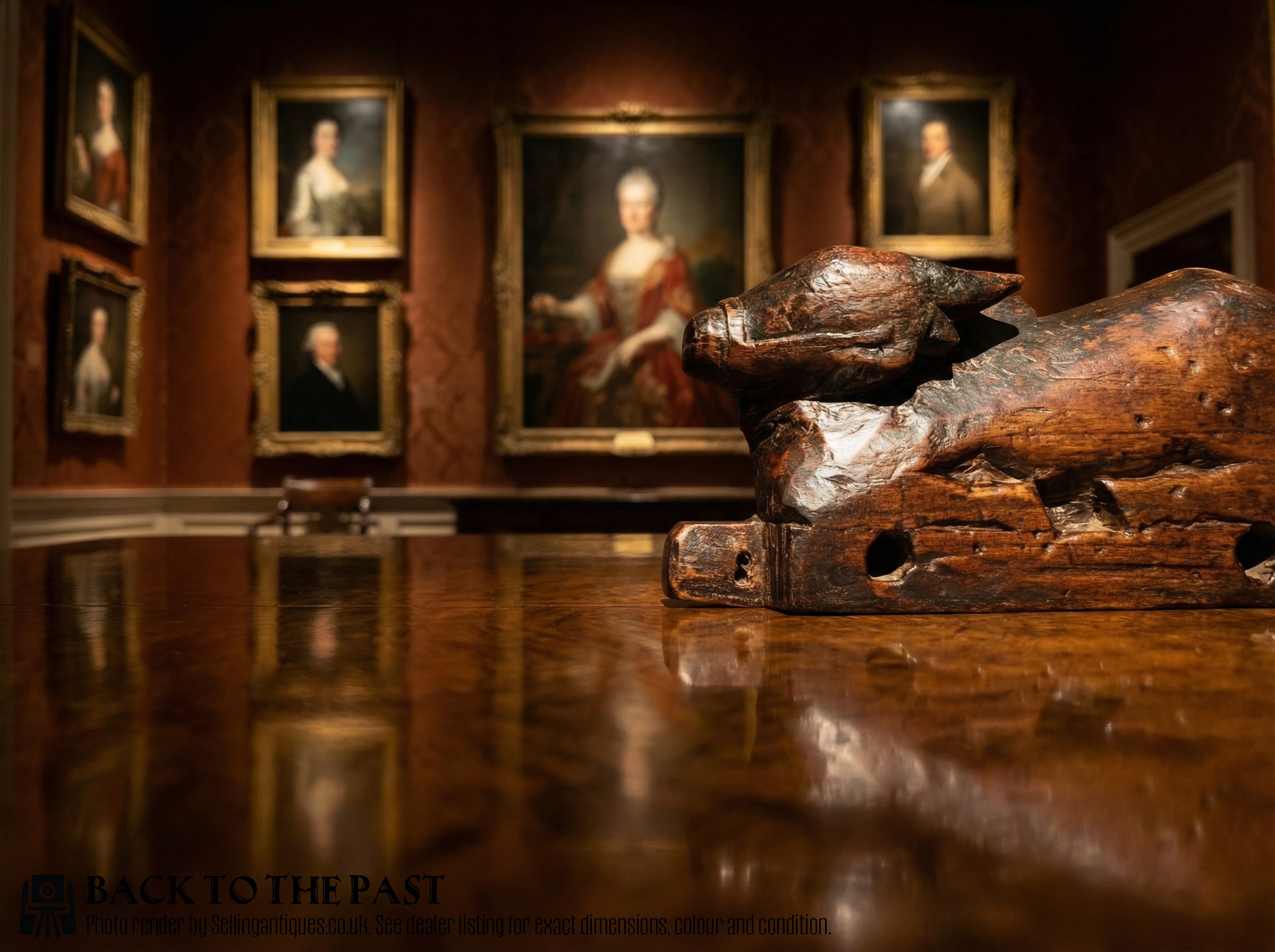
Dark Wood Folk Sculpture
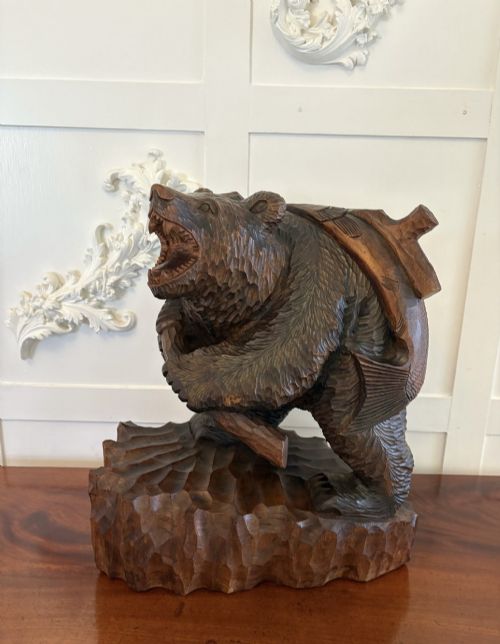
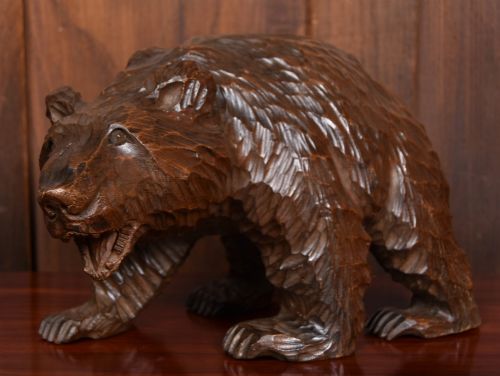
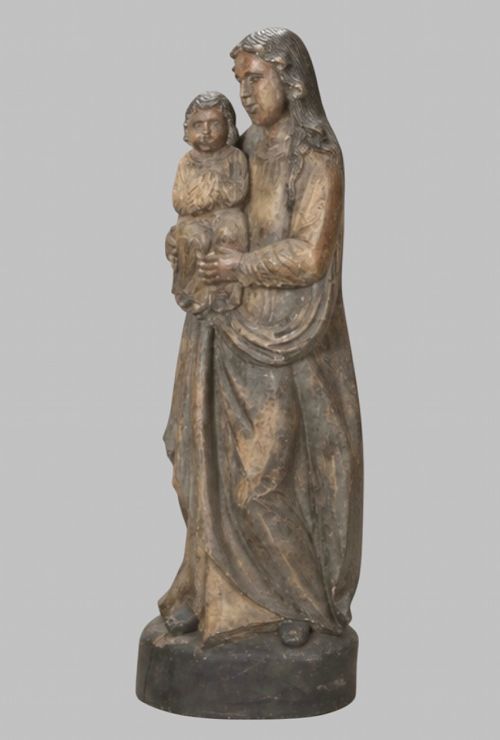
Dark wood folk sculpture encompasses hand-carved figures, animals and devotional objects created across the eighteenth, nineteenth and early twentieth centuries. These pieces emerge from diverse traditions, including European Black Forest workshops, Japanese regional carvers and British rural makers.
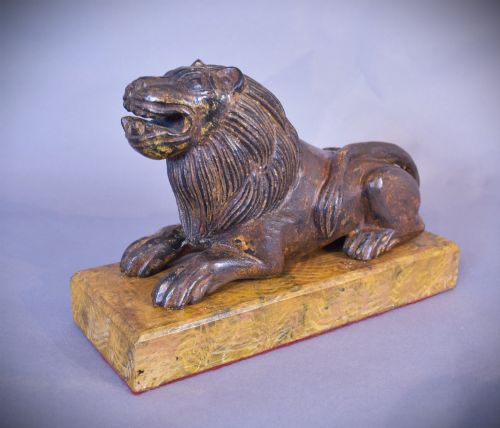
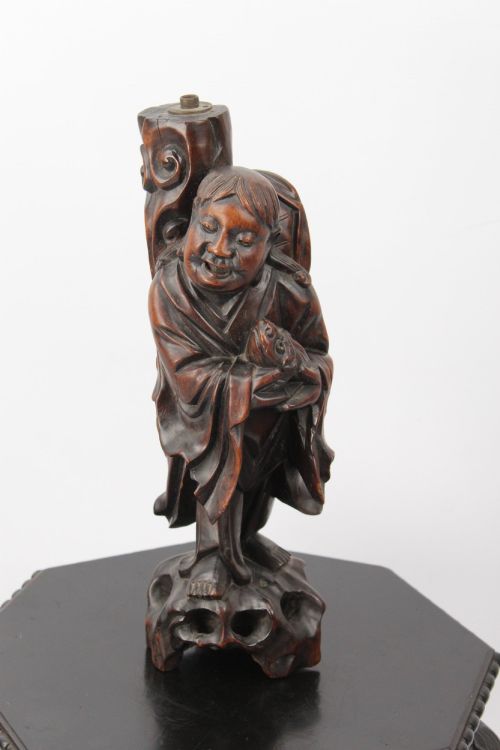
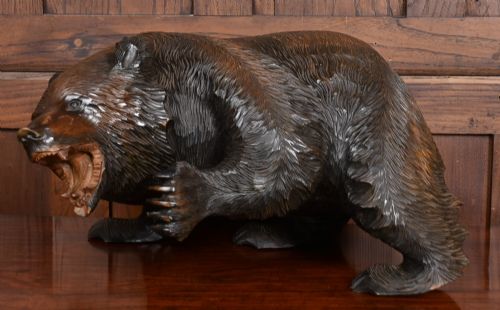
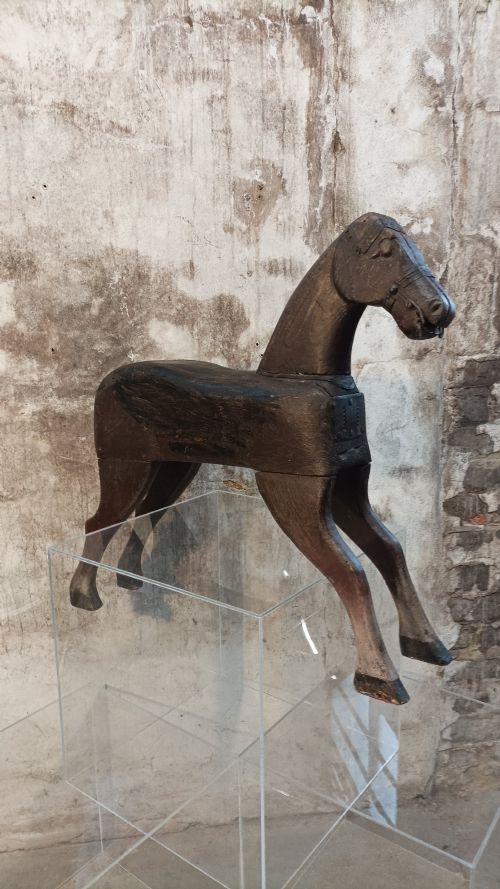
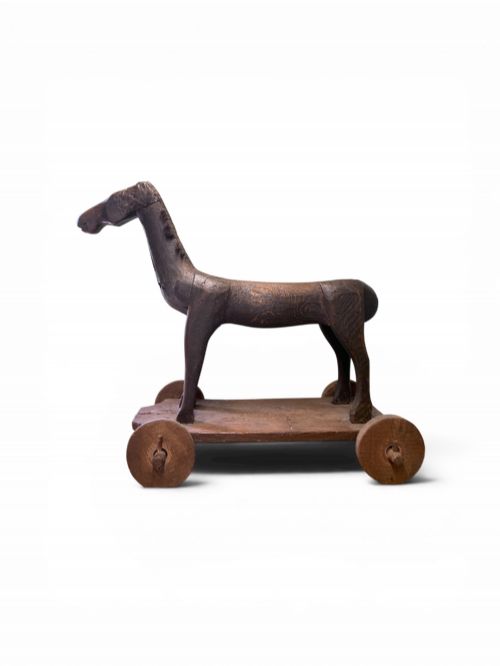
Buyers encountering this group will frequently find animal carvings such as bears, horses and decoys alongside human figures ranging from saints to local shepherds. The forms rely on regional materials and traditional hand-tool methods rather than academic art training.
Origins span across Europe, Asia and the Himalayas, reflecting local beliefs, folklore and everyday observations. Each sculpture carries the distinct marks of the carver's knife and chisel, showing individual interpretation within established cultural styles.
Materials and Techniques
Carvers utilised available regional timbers, selecting hardwoods like oak, walnut, yew burr and linden wood for their grain and stability. These woods were worked while green or seasoned, depending on the scale and regional tradition of the workshop.
Hand tools such as gouges, knives and chisels shaped the timber directly, leaving facet marks or smoothed surfaces that define the texture of each object. Paint and polychrome pigments occasionally enhance details on figures and horses, while other pieces rely entirely on the polished grain of the dark wood.
Listings feature wooden sculptures spanning the seventeenth to the twentieth century, incorporating materials like oak, linden wood, brass and glass.
Judging Quality
Quality rests upon the confidence of the carving and the vitality of the subject, where expressive movement outweighs strict anatomical proportion. A successful piece demonstrates decisive toolwork that captures the character of an animal or the drape of drapery without hesitation.
The relationship between the natural grain of the wood and the carved form distinguishes superior pieces from routine workshop production. Surface patina developed through handling and age further enhances the depth of the dark wood.
The Dark Wood Folk Sculpture Glossary
- Folk Art
- Artistic production originating from rural, indigenous or traditional community traditions rather than formal academic training. These objects prioritize utilitarian, decorative or ritual function over codified academic rules.
- Black Forest
- A style of wood carving originating from the Brienz region of Switzerland and the Black Forest in Germany. This work is known for realistic animal studies, particularly bears, executed in walnut and linden wood.
- Polychrome
- Painted in several colours. This surface treatment appears on devotional figures and traditional masks to add realism or symbolic distinction.
- Burr
- A tree growth resulting in distorted grain patterns. Carvers utilise burr wood for its intricate swirling figure and rich texture.
Dark Wood Folk Sculpture: Frequently Asked Questions
What is folk sculpture?
Folk sculpture comprises three-dimensional objects carved by non-academic makers, often following regional or traditional craft methods.
These pieces reflect local stories, religious devotion or domestic life rather than academic fine art standards.
How do I care for wooden carvings?
Keep wooden sculptures away from direct heat sources and sudden humidity changes to prevent splitting. Dust gently with a dry, soft cloth and avoid applying modern polishes.
Natural wax finishes benefit from occasional light maintenance using appropriate conservation waxes if the surface appears dry.
How are periods identified?
Dating relies on tool marks, timber characteristics, regional styles and wear patterns accumulated over time. Certain clothing styles, subject matter and carving techniques also point toward specific decades or centuries.
Comparison with documented examples helps establish the likely era of production.
Where were these sculptures made?
Production spans rural European villages, Himalayan monastic regions, Japanese mountain communities and British workshops. Each geographic area utilised local timber species and distinct carving tools.
Regional stylistic traits often reveal the specific cultural origin of an unmarked piece.