


Black Forest Wooden Sculpture
These black forest wooden sculpture pieces bring the rustic charm of alpine forests straight into your home through intricate hand-carved animals and figures.
Black Forest Wooden Sculpture
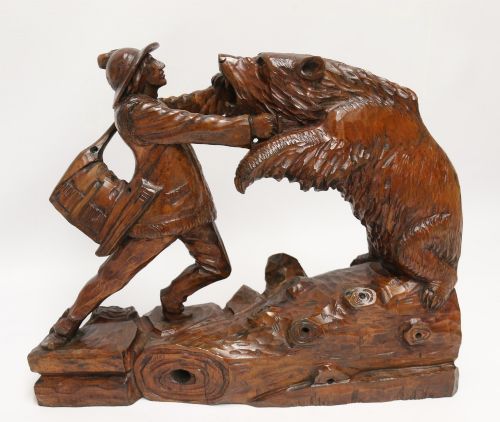
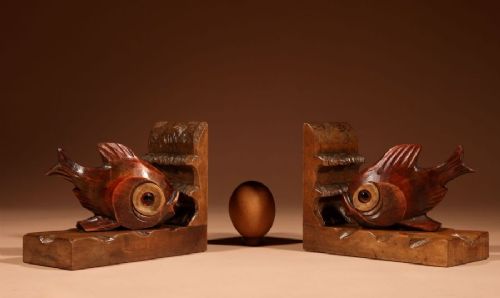
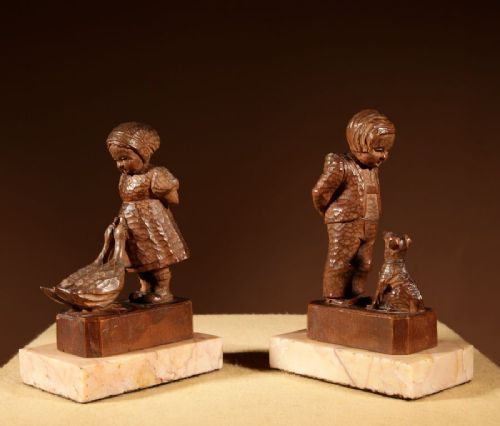
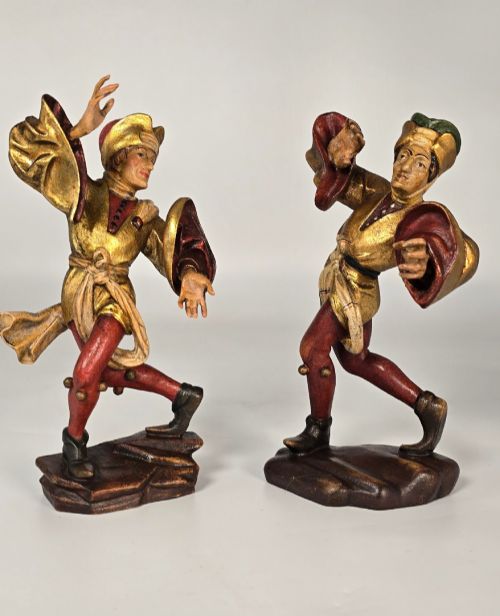
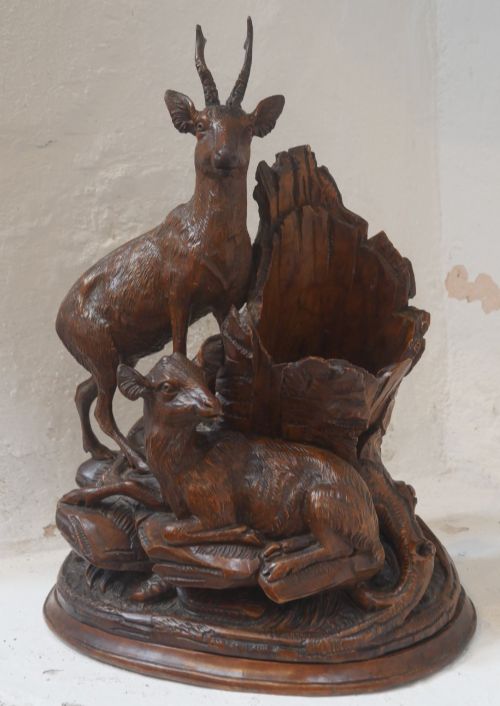
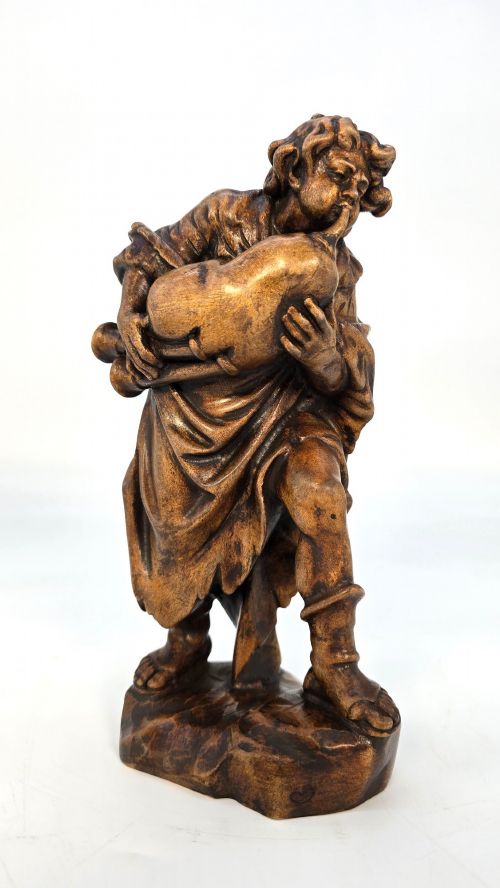
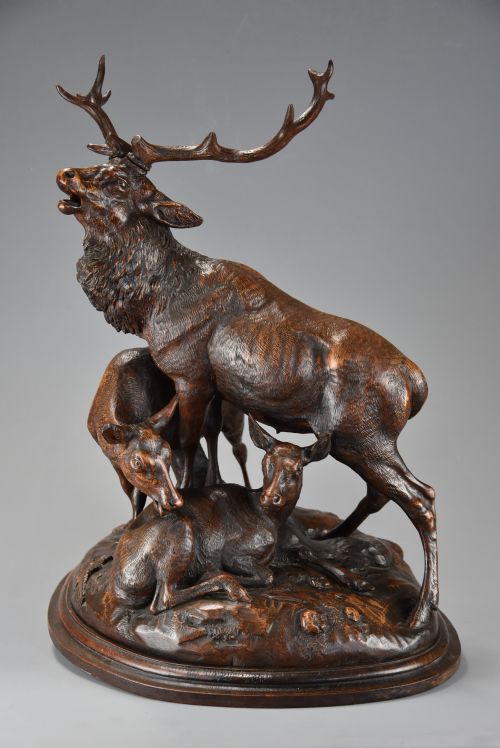
When you search for a black forest wooden sculpture, you encounter a tradition of nineteenth and early twentieth century woodworking rooted in the Alpine regions of Switzerland and Germany. These items range from whimsical bears and deer to detailed human figures, hunting trophies, and functional objects like tobacco boxes, bookends, and hall stands.
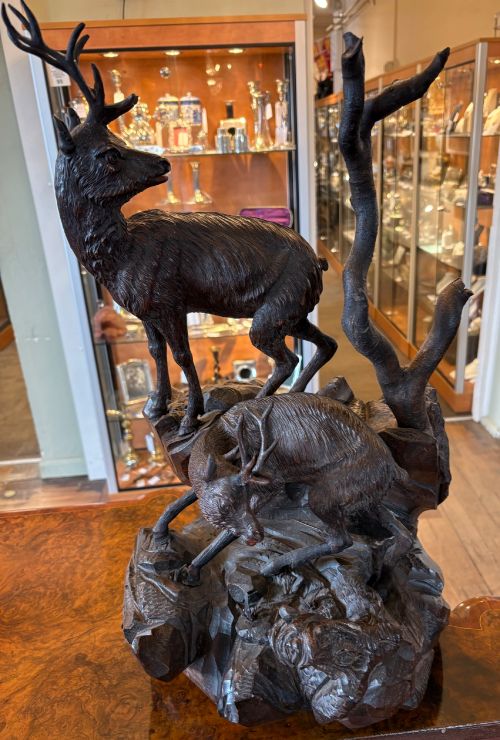
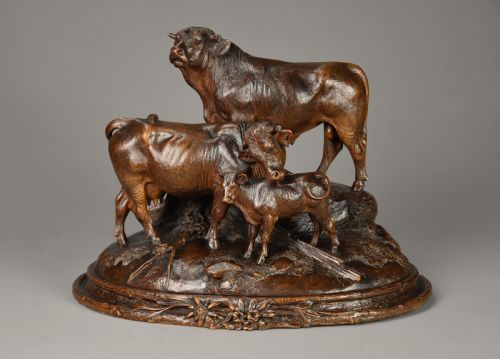
You are most likely to meet bears, cattle groups, and game animals on this page, reflecting the dominant pastoral and wildlife subjects of the genre. The forms vary from small tabletop figurines to large architectural stick stands and pedestals, spanning periods from the Victorian era into the twentieth century.
Materials and technique
Carvers predominantly utilised linden wood, walnut, and limewood for these sculptures because their fine grain and soft texture allowed for deep, realistic detail work. Oak and painted wood also appear, sometimes complemented by glass for eyes or metal elements on functional pieces.
The technique relies entirely on hand carving, utilising specialised chisels and gouges to render fur, musculature, and facial expressions with precision. Artisans often finished the wood with a dark stain and polish to accentuate the natural grain and depth of the carving.
Current listings feature carved wood, walnut, linden wood, and paint across the nineteenth century, Victorian, and Edwardian periods.
Judgments of quality
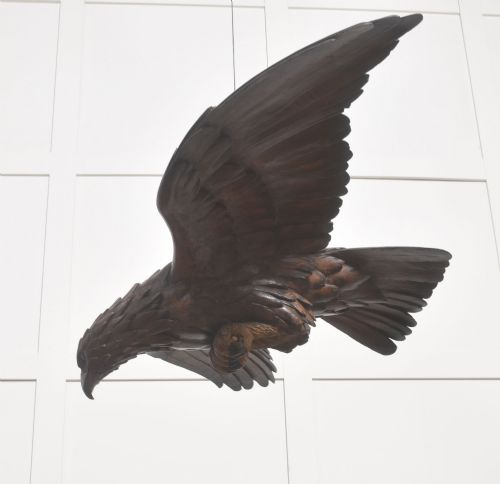
Quality rests in the anatomical accuracy and expression of the subject, where superior carvings capture realistic tension in muscle and posture rather than stiff forms. The depth of the undercut and the crispness of the fur or feather detailing separate master carvers from standard workshop production.
Proportion and balance dictate the strength of larger pieces such as hall stands and animal groups, ensuring the composition feels natural and grounded. Stamped signatures or attribution to known makers elevate pieces through documented provenance and superior finishing.
J HUGGLER
The Black Forest Wooden Sculpture Glossary
- Linden wood
- A pale, fine-grained timber favoured by carvers for its smooth consistency and lack of prominent grain. It allows for intricate, splinter-free detail work.
- Folk art
- Items created by traditional craftspeople or untrained artisans following regional cultural patterns. These pieces prioritise functional or decorative utility over academic art conventions.
- Humidor
- A specialised container designed to keep tobacco moist, frequently carved in this genre to resemble seated bears or other animals with hinged compartments.
- Hunting trophy
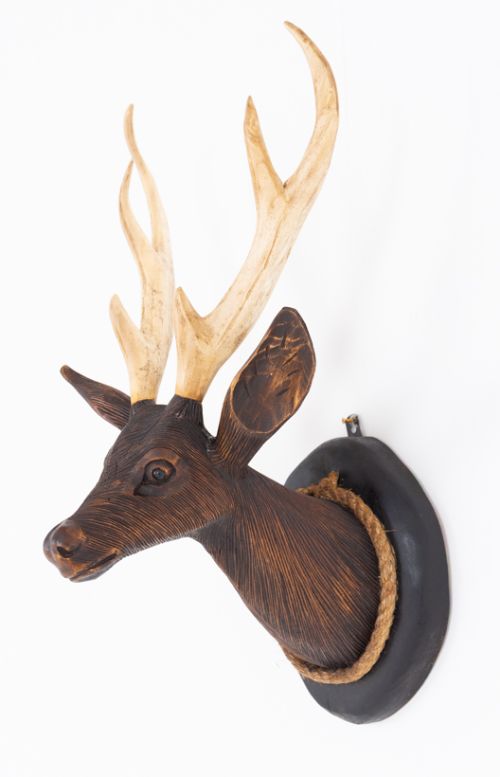
- A decorative wall plaque or mount featuring carved animal heads such as stags or foxes. They reflect nineteenth-century alpine interior aesthetics.
Black Forest Wooden Sculpture: Frequently Asked Questions
What animals appear most often?
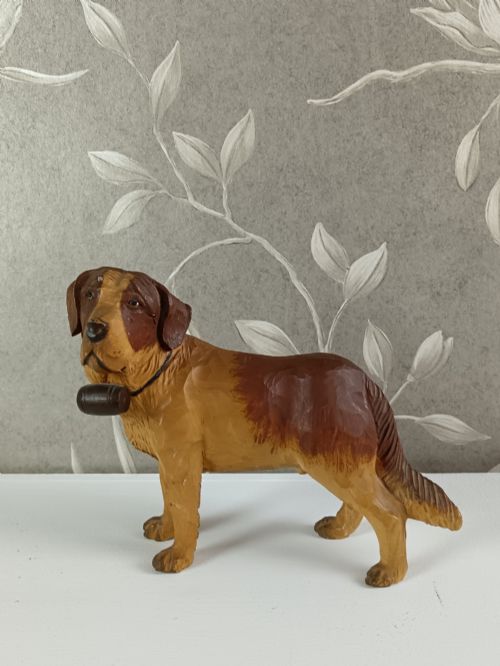
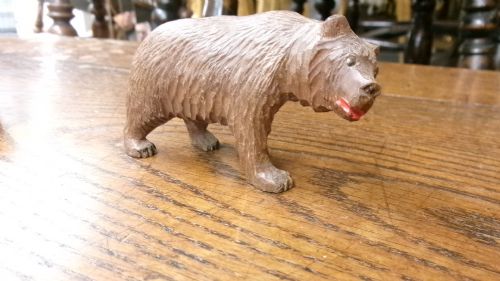
Bears dominate the selection, appearing as standalone figures, bookends, inkwells, and umbrella stands. Stags, deer, cattle, and dogs also feature prominently across various sizes.
These animal subjects reflect the alpine wildlife that inspired the nineteenth-century carvers in Switzerland and Germany.
How were these carvings used?
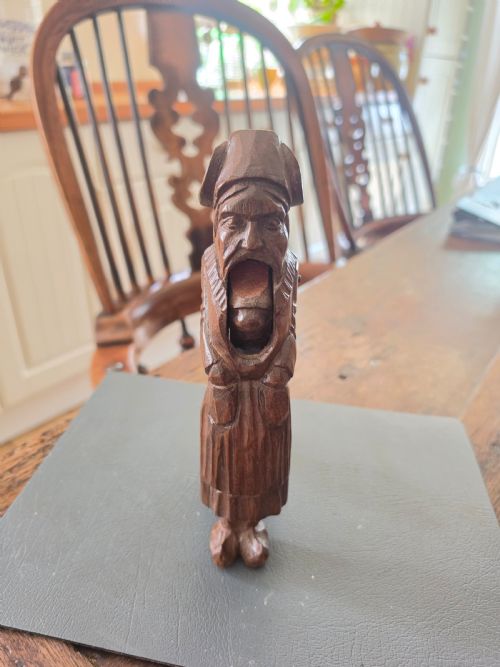
Many pieces served dual purposes in period homes, combining decoration with everyday utility. Common functional forms include tobacco boxes, inkwells, hall stands, and nutcrackers.
Purely decorative sculptures and wall plaques were also popular for displaying regional alpine motifs in Victorian interiors.
Which woods are common?
Linden wood and walnut form the majority of the carved pieces seen in this category. Limewood and oak also appear regularly in regional works.
These timbers provided the ideal consistency for detailed hand-carving without splitting during the shaping process.
How do I spot a signature?
Carvers occasionally stamped their work directly into the wood, often near the base of the sculpture. Look closely around the paws, undersides, or bases for maker marks.
Unsigned pieces remain common because much of the workshop production was anonymous village work.