





Early Twentieth Century Carving
Early twentieth century carving brings together handcrafted sculptures, folk art figures and carved wooden furniture from an era of remarkable stylistic diversity.
Early Twentieth Century Carving
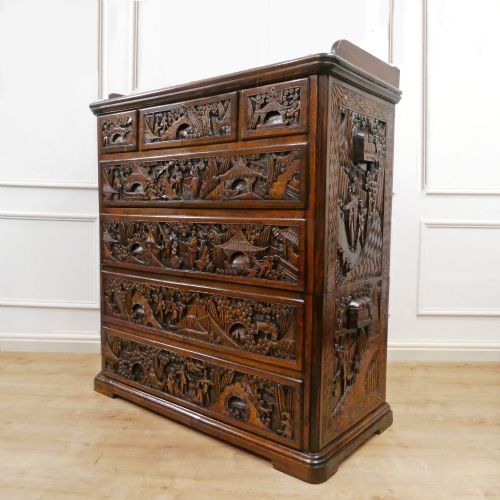
Early twentieth century carving encompasses a broad spectrum of decorative and utilitarian objects fashioned from wood, stone and soapstone. When you search for early twentieth century carving, you encounter everything from folk art decoys and fairground panels to architectural salvage and scholarly desk accessories.
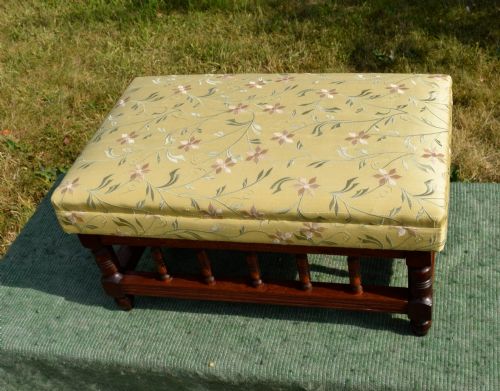
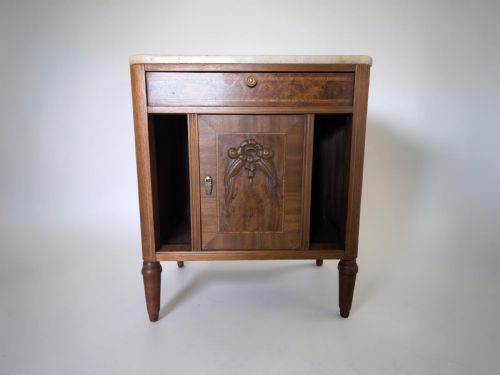
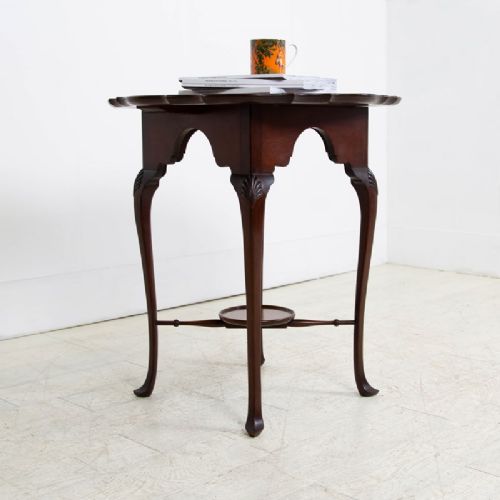
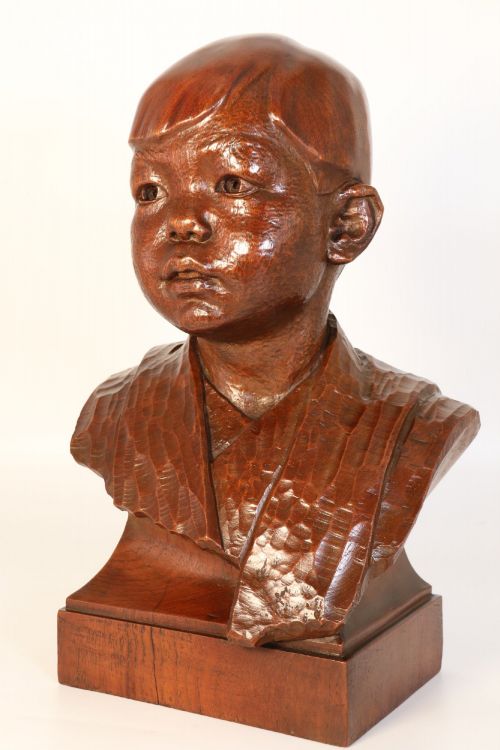
The pieces on this page span several distinct aesthetics, ranging from Edwardian and Louis XVI revival designs to early twentieth century modernism and folk art. You are likely to meet functional items like occasional tables and bedside cabinets alongside sculptural busts and figures.
What varies in quality
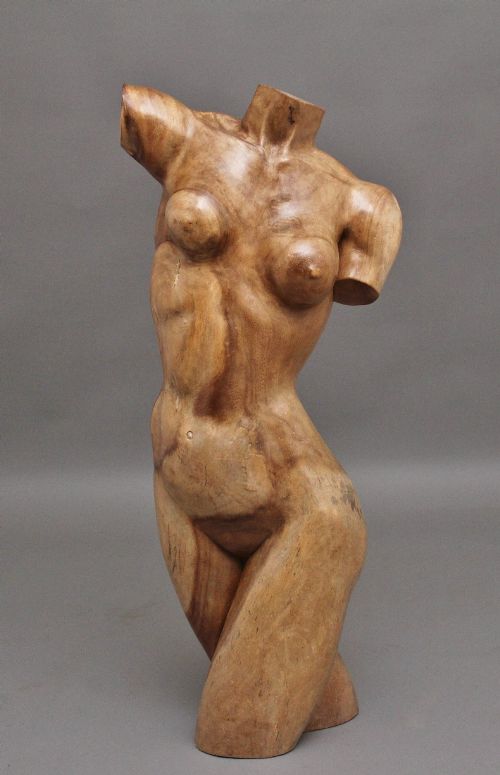
The distinction between ordinary and exceptional pieces lies in the precision of the hand-carving and the expressive depth of the form. Sculptures and figures with signed attribution or documented maker provenance command greater interest than unsigned vernacular work.
Material selection also dictates quality, with well-figured walnut and substantial soapstone displaying superior tactile presence compared to softer secondary woods and simpler painted surfaces.
Early Twentieth Century Carving Retail Price Guide 2026
Typical asking prices for early twentieth century carving among the pieces listed under this phrase on Sellingantiques today, from the lower quarter to the upper quarter. They describe what is for sale here now, not the wider market.
George Henry Paulin·Franz Keller·Shapland and Petter·Berthe des Clayes
The Early Twentieth Century Carving Glossary
- Folk art
- Utilitarian or decorative objects created by self-taught or provincial artisans, often displaying charming stylistic idiosyncrasies.
- Écorché
- An artistic study of a human figure or head with the skin removed to reveal the underlying musculature.
- Soapstone
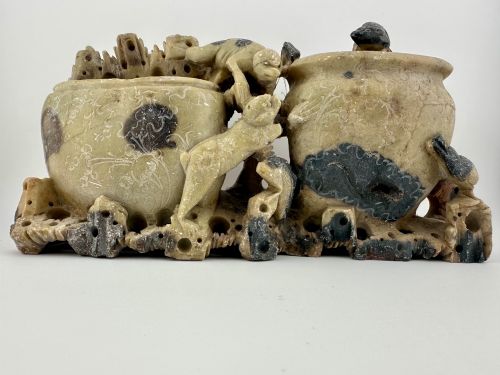
- A talc-schist stone prized for its soft, soapy feel and suitability for intricate Chinese scholarly carvings.
- Decoy
- A carved wooden bird or animal utilised historically by hunters to attract waterfowl, now collected as sculpture.
- Architectural salvage
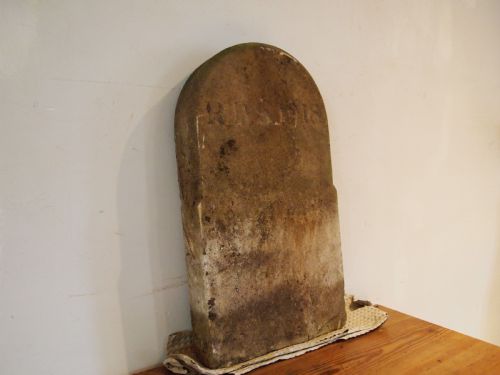
- Elements rescued from buildings slated for demolition, including stone headstones and carved wooden panels.
Early Twentieth Century Carving: Frequently Asked Questions
What defines early twentieth century carving?
These pieces include hand-carved sculptures, folk art figures and carved wooden furnishings produced roughly between 1900 and 1930.
They reflect the intersection of traditional craftsmanship with emerging modernist and revivalist styles across various international workshops.
How do I identify a carved walnut sculpture?
Walnut pieces display a rich, dark grain and accept crisp, detailed chisel work, making them a favoured medium for portrait busts and furniture framing.
Examining the underside or back reveals tool marks that distinguish hand-carved surfaces from machine-routed reproductions.
Where should I place a scholarly desk group?
Soapstone brush washers and desk accessories suit quiet study spaces or display cabinets where their tactile material can be appreciated up close.
Keep them away from direct sunlight and extreme temperature fluctuations to protect the integrity of the stone.