



Antique Painted Timber Artwork
Antique painted timber artwork combines traditional woodworking with fine artistry, offering tactile depth and historic character for any interior collection.
Antique Painted Timber Artwork
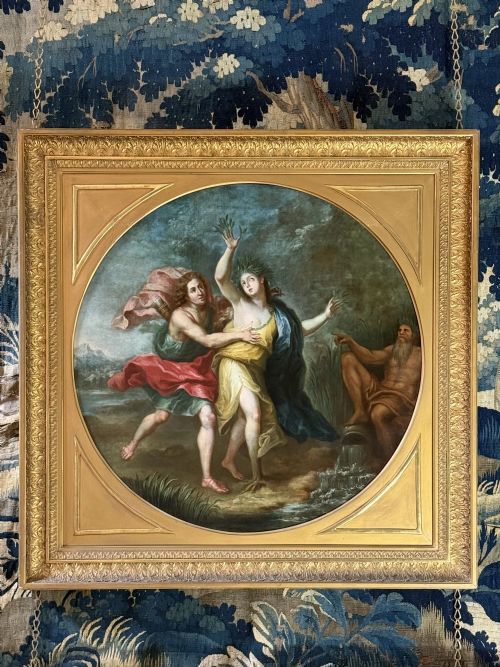
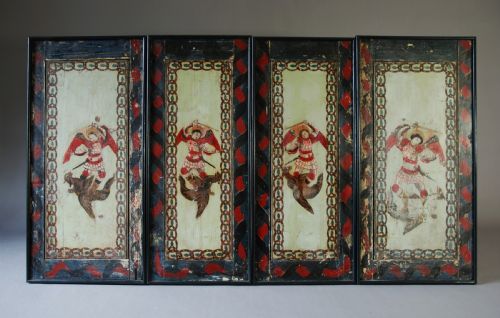
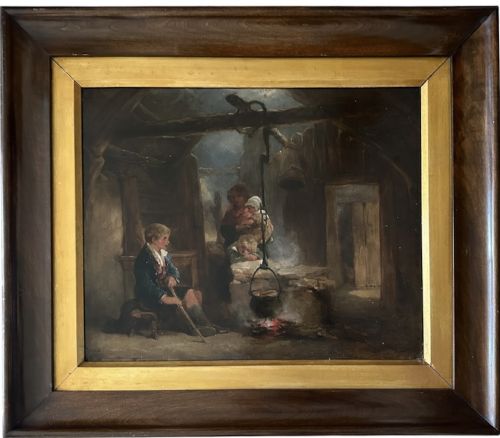
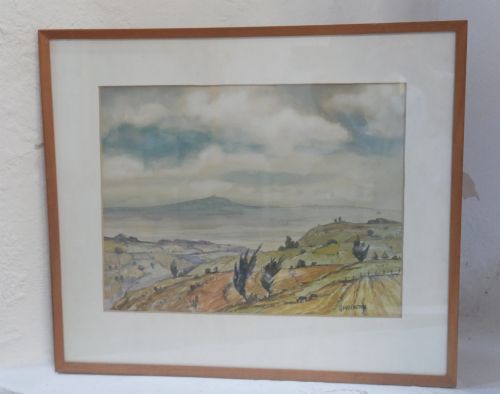
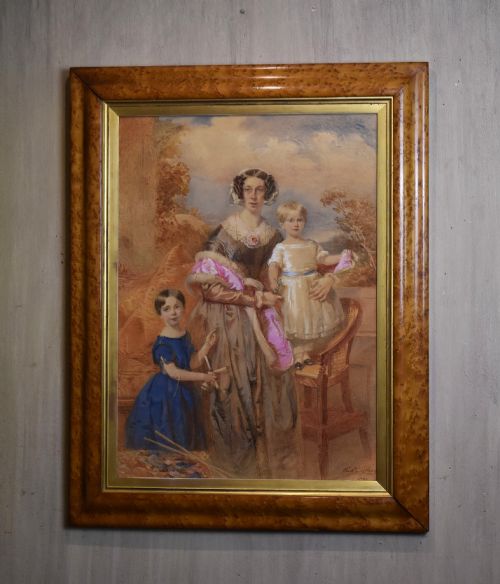
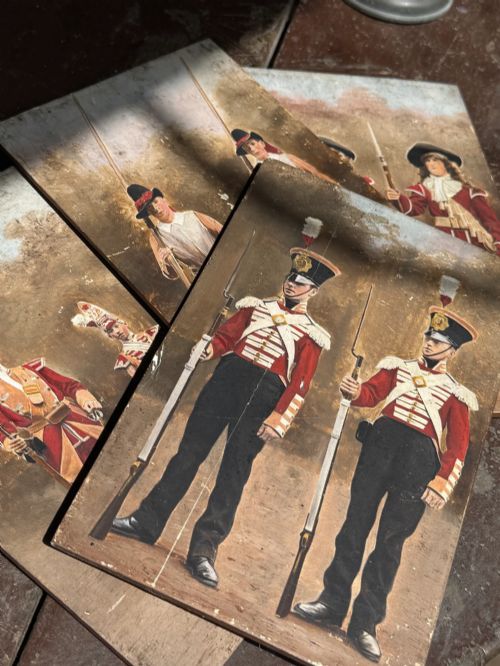
When buyers search for antique painted timber artwork, they encounter various painted wooden panels, framed supports, and structural pieces decorated by artists across centuries. The selection spans structural pine panels, shaped panels, and boards utilised directly as a canvas for fine art.
The pieces present on this page originate predominantly from the eighteenth, nineteenth, and early twentieth centuries. Common forms include decorative panels, religious icons, framed board paintings, and structural items bearing figurative or landscape scenes.
Makers and artists applied oil and water-based mediums directly onto prepared timber surfaces, combining carpenter craftsmanship with painterly skill. These objects bridge the gap between decorative arts and traditional easel painting.
How they were made
Artisans prepared timber supports such as pine, oak, or panel boards by planing and sealing the wood before applying grounds of gesso or priming layers. Painters then utilised oil colours, watercolours, or gold leaf directly onto the rigid timber foundation.
Panel construction often involved joining seasoned timber boards with cross-battens or framing to prevent warping over time. Artists exploited the natural grain and texture of the wood as an integral element of the final composition.
Antique Painted Timber Artwork Retail Price Guide 2026
Typical asking prices for painted timber artwork among the pieces listed under this phrase on Sellingantiques today, from the lower quarter to the upper quarter. They describe what is for sale here now, not the wider market.
The listings span from the seventeenth century through the 1940s, recording timber, canvas, and paper supports.
What varies in quality
Quality in these pieces rests upon the stability of the timber support and the skill of the brushwork applied to its surface. Superior examples demonstrate careful seasoning of the wood, minimising splits and warping, coupled with confident, detailed pigment application.
The sophistication of the preparation layers and the preservation of the original painted surface dictate the standing of an individual piece. Works where the artist harmonises the natural characteristics of the timber with the painted subject achieve greater artistic success.
George Whitton Johnstone·John Hassall·Frederick Tatham·Herman S Melville·Raimond Louis Lecourt·W E Evans·George E Sharpe·James William Booth·Herbert Royle·Christoffel Bisschop·Tom Dudley·Annie L Lee·Fred Lawson·Frank Moss Bennett·Frank Saltfleet·Henry H Parker·Bertram Priestman·William Woodhouse·Charles Edward Wilson·Walter J Hall·Joseph Murray Ince·Joseph Paul·Thomas Lound·John Exley
The Antique Painted Timber Artwork Glossary
- Panel painting
- A painting executed on a flat piece of wood rather than canvas or paper. This rigid support requires careful preparation with grounds to receive oil or water-based media.
- Gesso
- A paint mixture consisting of a chalk, gypsum, and pigment binder used to prepare timber surfaces for painting. It creates a smooth, absorbent base for oils and gold leaf.
- Icon
- A devotional painting on wood, frequently utilising gold leaf and traditional tempera techniques. These religious works follow strict iconographic traditions across centuries.
- Pine panel
- A softwood support commonly utilised for decorative and naive paintings. Artisans joined multiple boards together to create a stable surface for larger compositions.
Antique Painted Timber Artwork: Frequently Asked Questions
How should I clean painted wooden panels?
Dust surfaces gently with a soft, dry brush to prevent abrasive damage to the fragile paint layers. Avoid liquid cleaners, moisture, and chemical solvents entirely.
Professional conservators should handle any deeper cleaning or stabilisation required on historic timber and pigment layers.
Where were these painted timber pieces displayed?
Domestic interiors, chapels, and public buildings housed these works as decorative panels, altarpieces, or framed wall art. Their rigid construction suited placement in varied architectural settings.
Collectors today place them in traditional and modern interiors alike, valuing their structural presence.
Why did artists paint on timber instead of canvas?
Timber offered a rigid, durable support that predated the widespread adoption of stretched canvas in many regional traditions. Wood panels allowed for fine detail and miniature work without canvas flex.
Painters also utilised readily available wooden boards and panels for immediacy and structural economy.
How do I identify the age of a wooden panel?
Examine the tool marks, edge preparation, and wood species visible on the reverse of the support. Hand-planed surfaces and traditional joinery methods indicate earlier centuries of manufacture.
Associated signatures, stylistic markers, and historical framing provide additional context for dating the artwork.