





Eighteenth Century Wall Hanging
An eighteenth century wall hanging brings centuries of textile artistry and carved timber directly into a room, offering rich historical depth and texture.
Eighteenth Century Wall Hanging
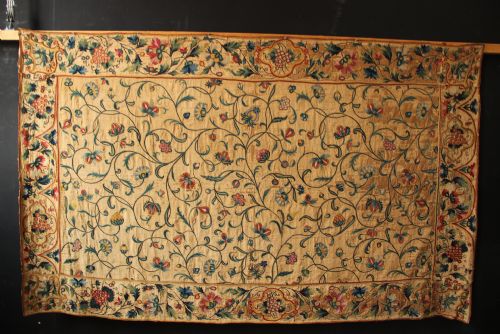
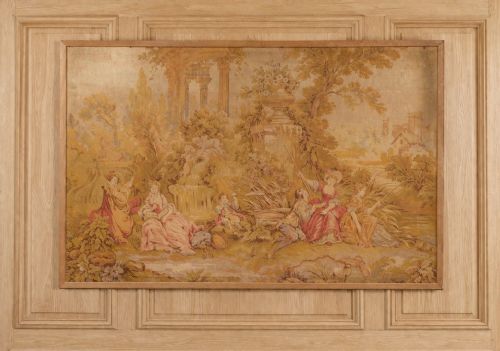
An eighteenth century wall hanging encompasses large woven tapestry panels and early crewelwork textiles designed to ornament period interiors. These pieces anchor a room with narrative scenes or elaborate botanical patterns created centuries ago.
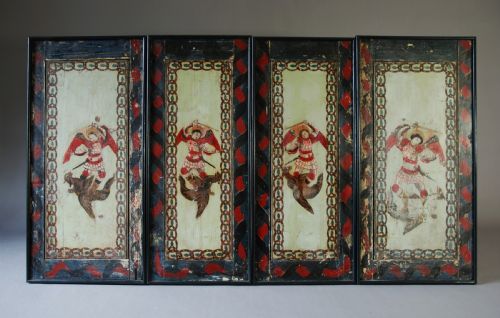
The selection also bridges related decorative forms from the same eras, including painted pine panels depicting religious figures and heavy framed textile art. Buyers encounter French woven compositions alongside English needlework traditions.
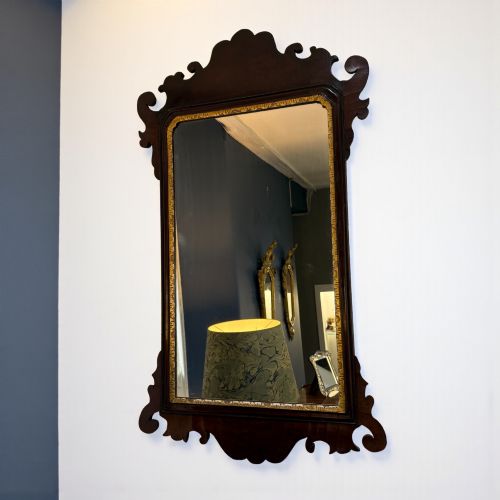
Corner cabinets and carved wooden mirrors frequently appear alongside fabric panels under this category, representing the broader woodwork mounted to period walls. Mahogany and oak corner cupboards sit alongside framed tapestries to complete the historic interior.
How they were made
Textile pieces utilise fine wool and silk threads worked into heavy linen or canvas foundations, seen in large crewelwork and woven tapestry panels. Artisans employed dense needlework techniques to build enduring pictorial surfaces.
Wooden items rely on solid mahogany, oak, walnut, and pine, often shaped into bow front corners or carved with Chippendale style giltwood details. Joinery relies on traditional pegging and dovetailing appropriate to Georgian workshop methods.
Eighteenth Century Wall Hanging Retail Price Guide 2026
Typical asking prices for eighteenth century wall hanging among the pieces listed under this phrase on Sellingantiques today, from the lower quarter to the upper quarter. They describe what is for sale here now, not the wider market.
Listings feature eighteenth century and Georgian pieces alongside seventeenth century crewelwork and twentieth century decorative revivals in wool, silk, mahogany, and oak.
What varies in quality
The visual strength of the composition dictates the standing of a textile, distinguishing workshop productions with dynamic figures from simpler repeating patterns. Dense wool pile or tight crewel embroidery maintains structural integrity far better than sparse stitching.
Cabinetry grades depend upon the depth of timber selection, such as well-figured mahogany or quarter-sawn oak, coupled with crispness in carved mouldings. Finer hanging cupboards display balanced proportions and sophisticated grain alignment across the bow front.
The Eighteenth Century Wall Hanging Glossary
- Crewelwork
- Embroidery executed with wool yarn on a plain weave linen or cotton fabric. This technique creates textured, multi-coloured botanical and figural designs typical of early English textiles.
- Bow front
- A convex curved cabinet front popular during the Georgian period. This shape softens corner angles and showcases curved timber grain.
- Tapestry
- A form of textile art woven by hand on a loom rather than embroidered with a needle. These panels depict historical, mythological, or pastoral scenes.
- Chippendale
- A mid eighteenth century English furniture style characterised by Rococo, Gothic, and Chinese influences. Carved giltwood mirrors and cabinets frequently adopt these elaborate asymmetrical motifs.
- Pine
- A softwood utilised for painted decorative panels and interior carcases. Historic pine often carries layers of early pigment or naïve artwork.
Eighteenth Century Wall Hanging: Frequently Asked Questions
How do I hang a heavy tapestry?
Large woven tapestries require a balanced weight distribution across a sturdy wooden batten or hidden metal hanging rod secured directly to wall studs. This method prevents distortion of the fabric grain over time.
Lighter textile panels can utilise discreet fabric sleeves sewn to the reverse edge to slide smoothly onto a flat support bar.
Are these tapestries French or English?
The origin varies between continental European workshops, particularly large framed French woven pieces, and domestic English traditions. Makers utilised distinct regional motifs and weaving densities.
Examining the underlying canvas, framing style, and wool palette helps determine the specific country of origin.
How do I clean historic wool textiles?
Historic wool and silk require gentle surface dusting with a soft brush rather than immersion washing or harsh chemical treatments. Professional textile conservators should handle deep cleaning to protect fragile threads.
Keeping textiles away from direct sunlight prevents fading and preserves the natural dyes.
What is a hanging corner cupboard?
A hanging corner cupboard is a wall-mounted wooden cabinet designed specifically to fit into the internal corner of a room. Georgian makers utilised mahogany and oak to build these space-saving storage pieces.
They feature panelled doors and bow fronts to display household items while anchoring upper wall spaces.